
Last updated November 4, 2026
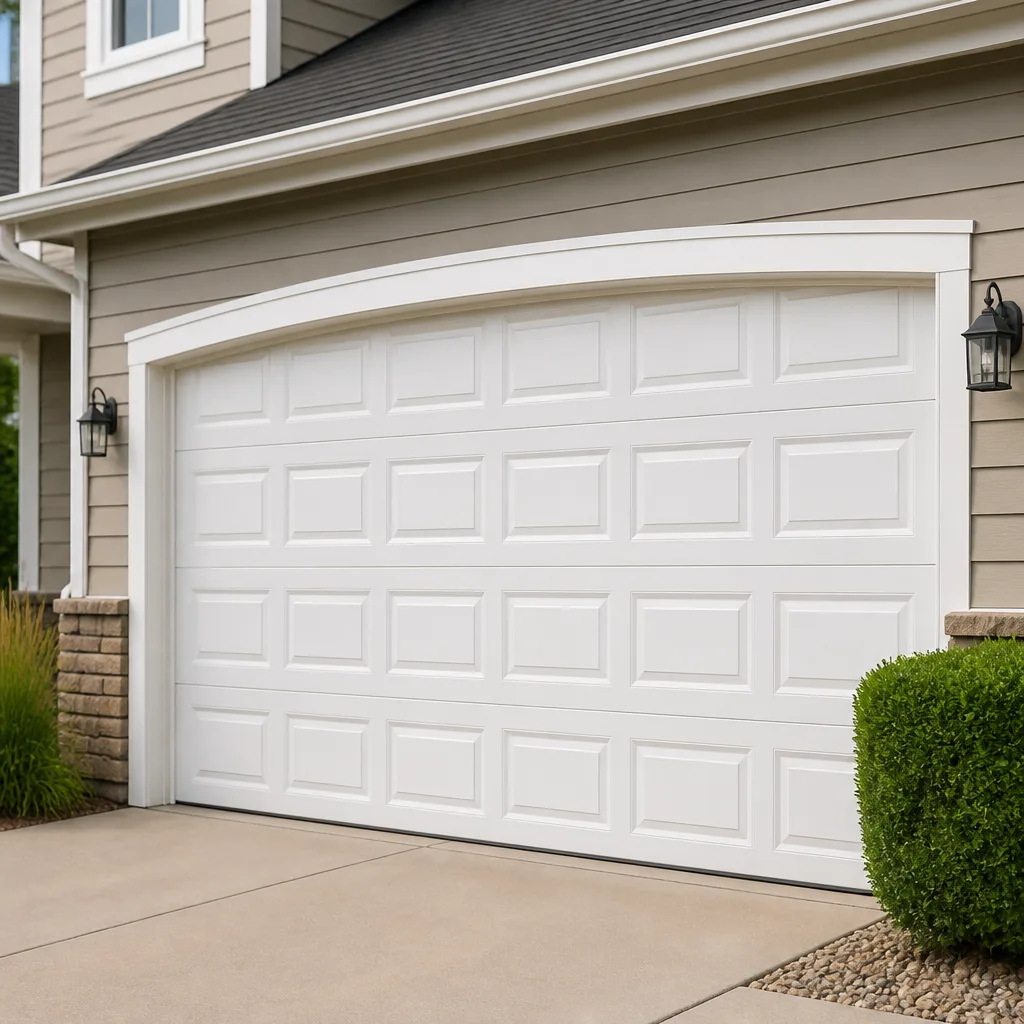 Raised-panel steel
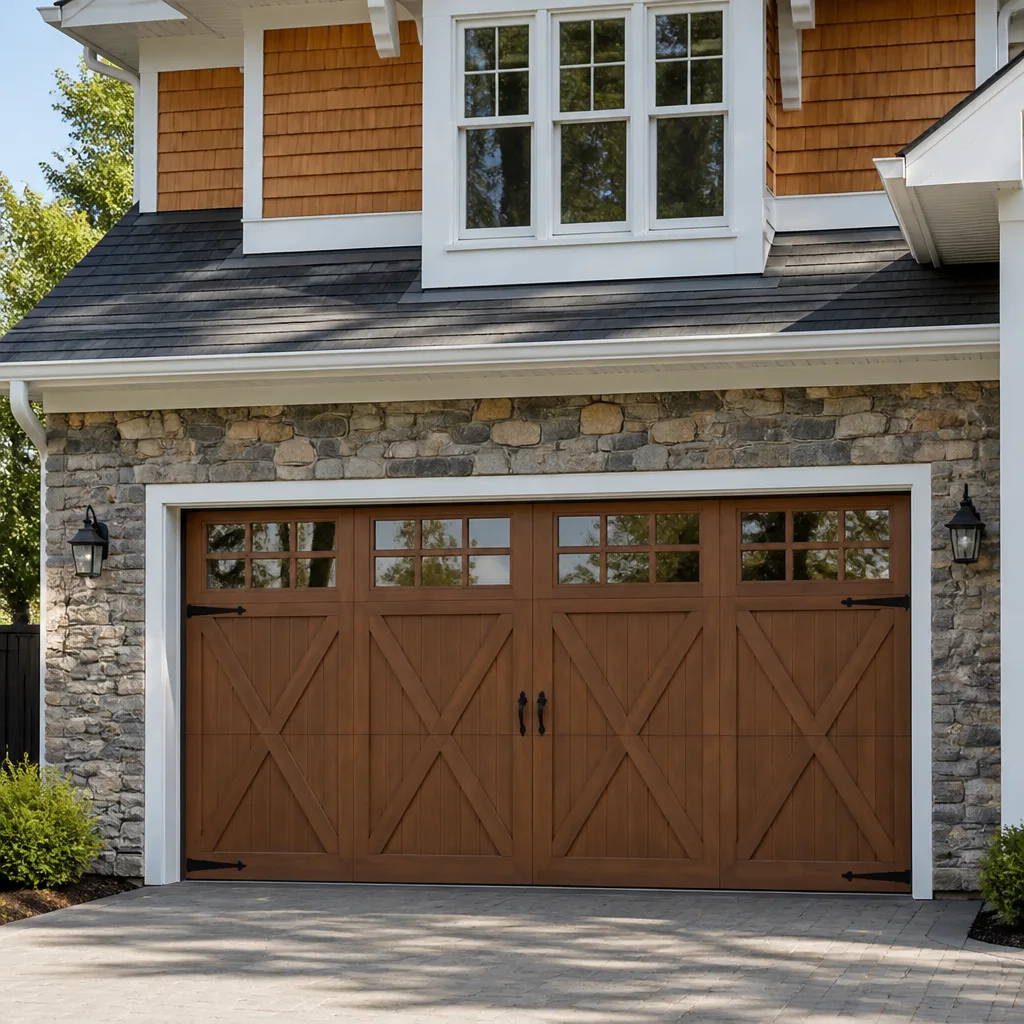 Carriage house
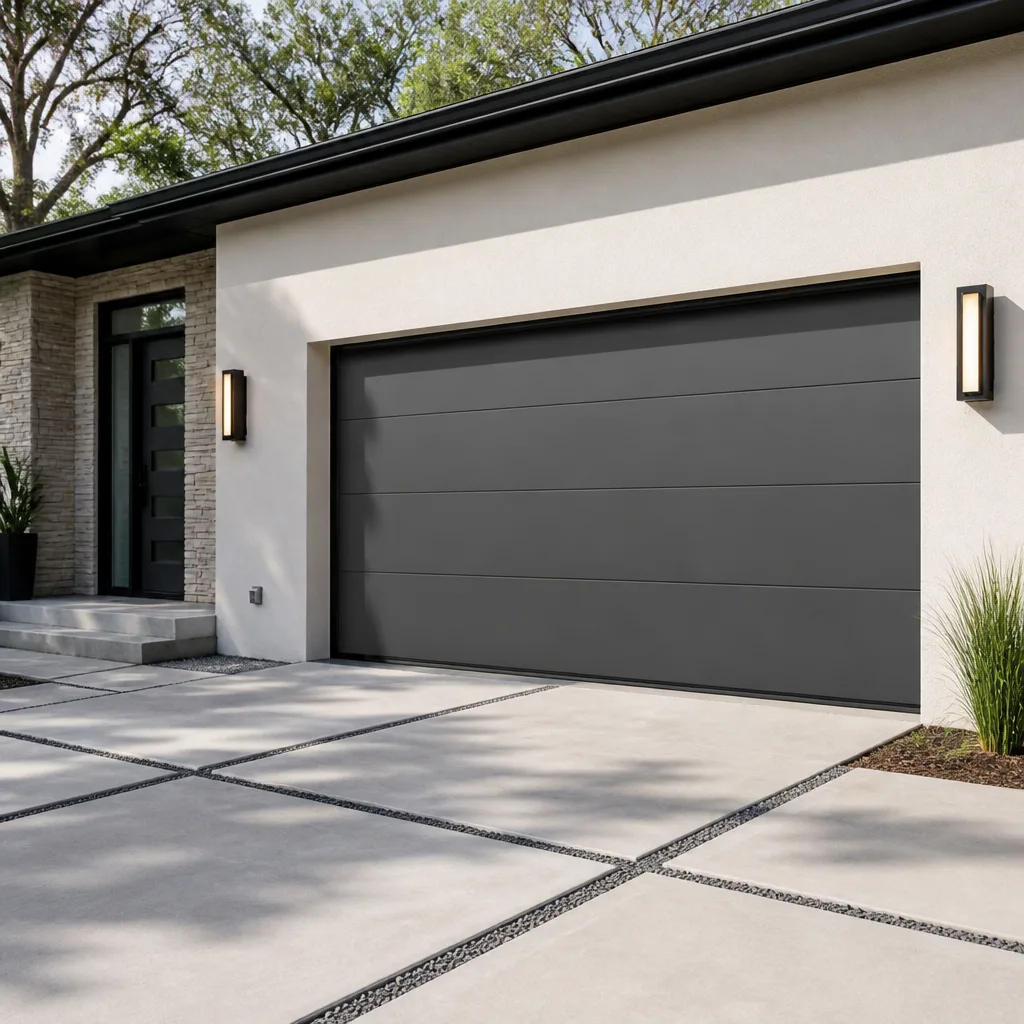 Modern flush
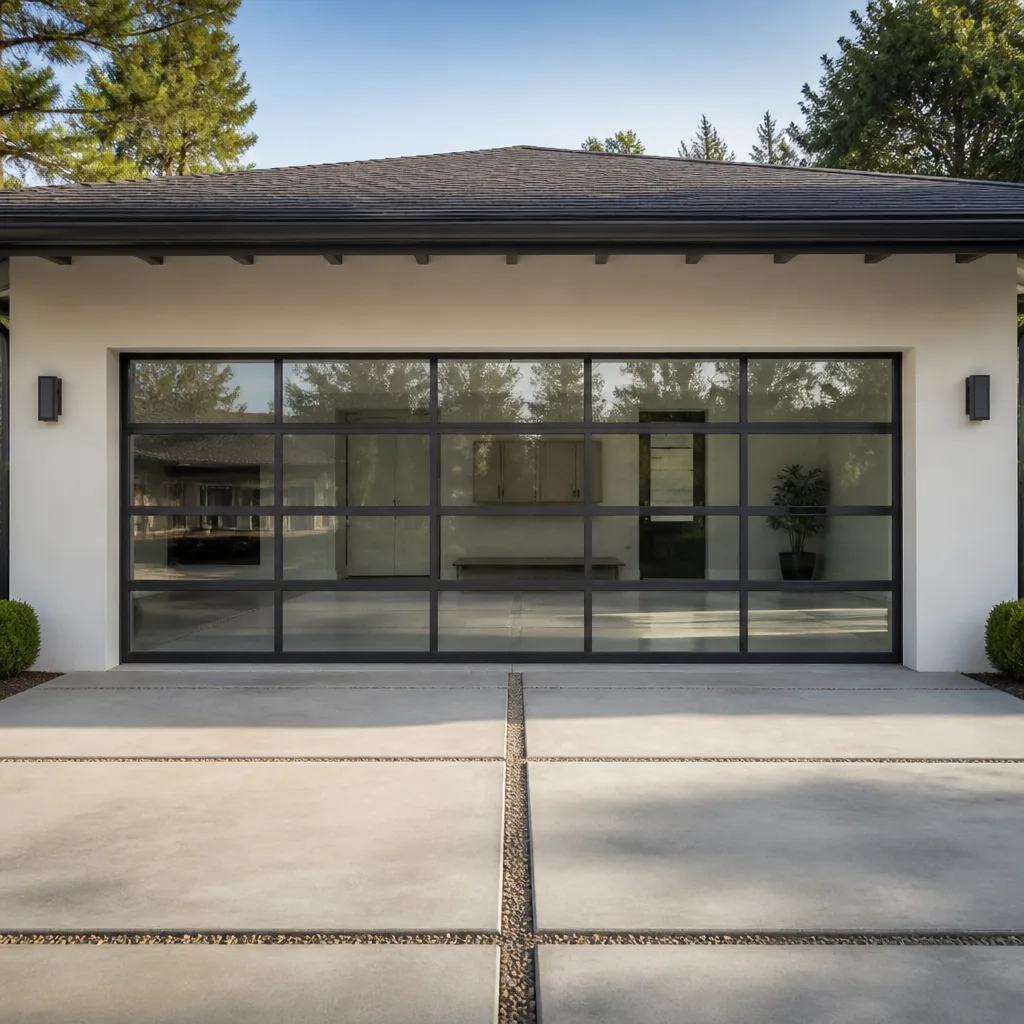 Full-view glass
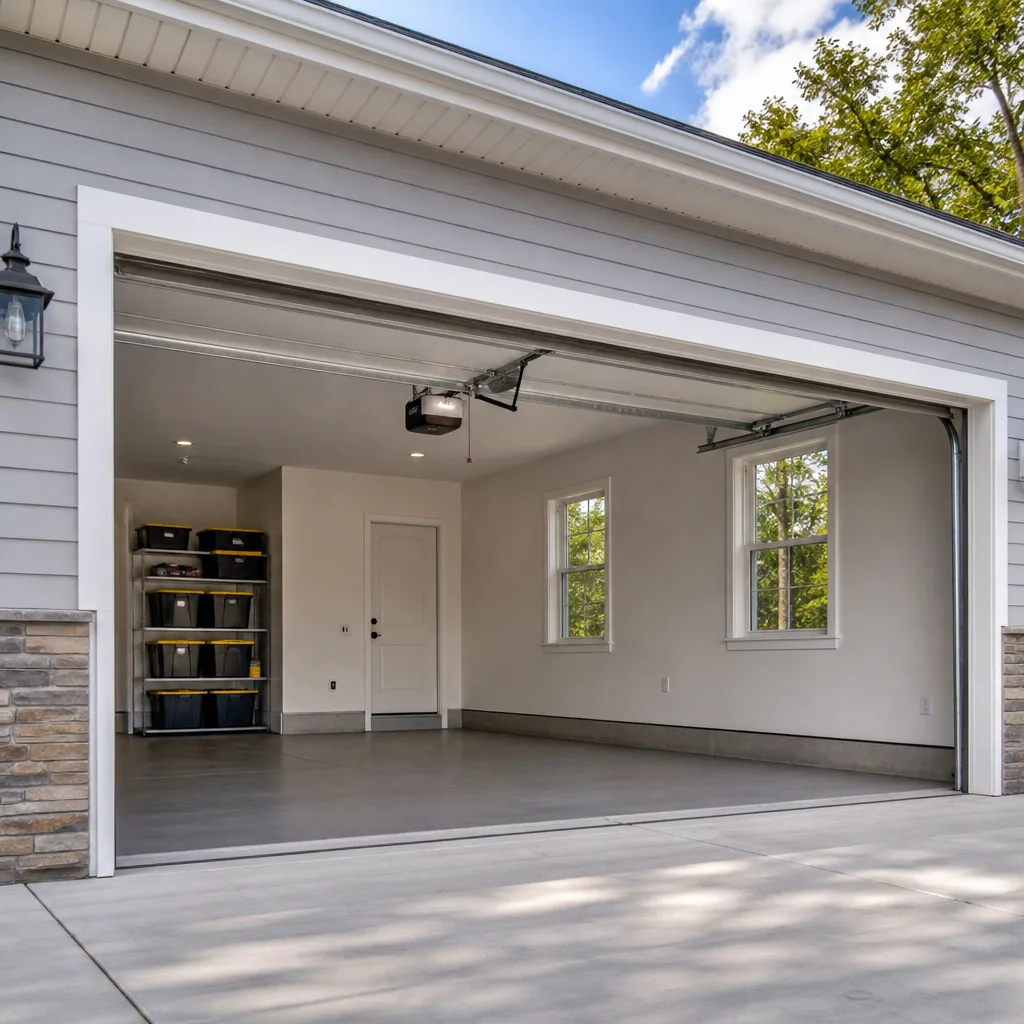 LiftMaster openers
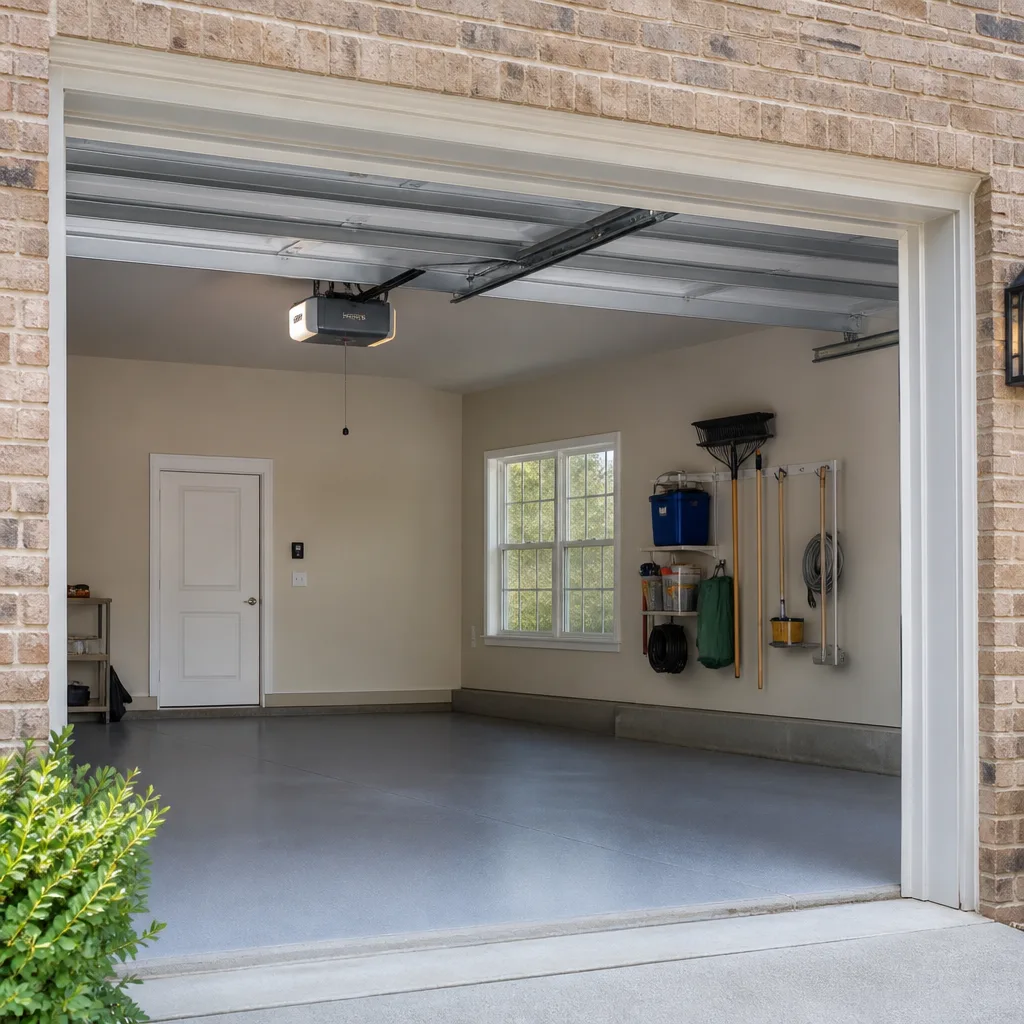 Chamberlain openers
Full 25-point door and opener safety check with every visit - springs, cables, rollers, tracks, and your LiftMaster or Chamberlain opener included
You get a price before we start. It does not change when the truck arrives.
Get your free estimateGarage Door Repair Maintenance Schedule: What to Do and When
Most homeowners in Arleta lubricate their garage door on a schedule they learned from a pamphlet, not from the way the door actually wears. The common advice to “lubricate twice a year” skips the part about which lubricant goes on which component, and that matters because a silicone spray on a torsion spring is nearly useless, while a heavy grease on a nylon roller will gum it up. This guide replaces the generic checklist with a usage-based schedule built around the door’s real mechanical wear rates, told by technicians who work on the brands already installed in garages across Arleta every week. You’ll learn what to do monthly, what only belongs in an annual professional service, and how to calculate your own maintenance intervals instead of guessing.
Styles & brands we work with
- Raised-panel steel
- Carriage house
- Modern flush
- Full-view glass
- LiftMaster openers
- Chamberlain openers
Quick Answer
A garage door maintenance schedule in Arleta should include a 90-second visual inspection every month, lubricating rollers and hinges every 4 to 6 months with the correct product, and a full professional tune-up once a year for spring tension, cable inspection, and opener diagnostics. If your door cycles more than six times a day, cut those intervals roughly in half. Dust from the San Fernando Valley means tracks need cleaning more often here than in coastal areas.
Table of Contents
- Why Usage, Not the Calendar, Should Drive Your Schedule
- The Monthly 90-Second Visual Inspection
- Seasonal Cleaning and Lubrication: What Goes Where
- Why Arleta Dust Changes Your Cleaning Frequency
- DIY Tasks vs. Professional-Only Work: An Honest Line
- Maintenance Notes for Common Branded Systems in Arleta
- What a Professional Annual Service Actually Includes
- Common Mistakes to Avoid
- When to Call a Professional
- Frequently Asked Questions
- The Bottom Line
Why Usage, Not the Calendar, Should Drive Your Schedule
The biggest flaw in standard maintenance advice is that it treats every garage door as if it opens the same number of times per day. But a household in Arleta where two cars leave for work each morning, return in the evening, and get used for errands in between can cycle the door six to eight times daily. Another household with one car used twice a day cycles it four times. The mechanical reality is that springs, rollers, and hinges wear by cycle count, not by weeks on the calendar. A door cycled six times daily accumulates over 2,000 cycles a year, while a lightly used door might see 700. The difference means the heavy-use door reaches the lifespan of its torsion springs in one-third the time.
To figure out your own interval, spend one full day noting how many times the door opens and closes. Use a typical Sunday-through-Friday day as your baseline, since Saturday is a closed day for our crews and often a lighter-use day for many households. Then multiply that count by roughly 300 to get your annual cycles. If you land above 1,800, treat yourself as a heavy user and cut lubricating and inspection intervals in half. If you land below 900, the standard schedule will serve you fine. This number also tells you when to start planning for spring replacement: most torsion springs are rated between 10,000 and 20,000 cycles, but Arleta dust reduces the effective life of ungreased hardware before the spring itself fails.
In our experience, the Arleta homeowner who calls us for garage door repair often has a door that failed not because it was old, but because it was used harder than the manufacturer’s generic schedule assumed. The usage-based approach catches wear before it turns into a broken spring or a bent track.
The Monthly 90-Second Visual Inspection
A monthly walk-around is the single highest-value habit for Arleta homeowners. It takes less than two minutes, costs nothing, and catches most mechanical problems before they become failures. You are looking for change, not perfection. A garage door that has worked well for years will show visual and audible shifts long before it stops working.
- Stand inside the garage with the door closed. Look at the spring above the door. A torsion spring should have no visible gap. A gap wider than an eighth of an inch means the spring has broken and needs professional replacement. Do not touch it.
- Look at the cables on both sides. They should run in straight lines with no fraying, kinking, or slack. Frayed cables snap without warning and are a professional-only repair.
- Run your eyes along both tracks. They should be parallel and clean. Look for bends, rust, or debris caked at the bottom corners where dust collects.
- Open the door and watch it rise. It should move smoothly without jerking, hesitating, or making grinding sounds. A smooth rise means rollers, hinges, and spring tension are in balance.
- Close the door and listen. Squeaks and creaks are early signs that lubrication is due. A hard bang or clunk suggests loose hardware or a roller leaving the track.
- Check the opener bracket and chain or belt. Look for sag, loose bolts, or wear on the drive mechanism. This is where most garage door opener repair calls begin.
This routine catches the early stages of the problems we most often find on Clopay and Amarr doors in Arleta, where dust works into hinges faster than many homeowners expect. If you see anything you cannot explain, take a photo and call us. We can often tell you over the phone whether it needs a service visit.
Seasonal Cleaning and Lubrication: What Goes Where
Lubrication is the most misunderstood part of garage door maintenance. The generic advice to “lubricate the door” collapses in practice because each component needs a different product, and using the wrong one actively shortens the life of the part. Here is the specific breakdown we use on the doors we service across Arleta.
- Rollers (metal or nylon): Silicone spray, applied to the bearing area only. Do not lubricate the track itself. A wet or greasy track collects dust and creates the exact grinding it was meant to stop. Nylon rollers on Wayne Dalton doors need nothing more than an occasional wipe of the bearing surface.
- Hinges: White lithium grease, one short spray on each pivot point. This is the workhorse lubrication point on Clopay and Amarr doors, which use steel hinges that dry out and squeak first.
- Torsion springs: White lithium grease, sprayed in a light, even coat along the entire spring. This coats the spring to reduce dust friction, but it does not restore lost tension. A weak spring is a tension problem, not a lubrication problem.
- Track: Nothing. Ever. Tracks should be wiped clean with a dry cloth. Lubricant on tracks is the single most common DIY mistake we see in Arleta garages, and it turns valley dust into an abrasive paste.
- Chain drive (if equipped): Light machine oil or a chain-specific spray. Belt drives on newer Craftsman and Chamberlain openers need no lubrication at all. Check your manual, or call us if you’re not sure which drive you have.
The order matters: clean first, lubricate second. Wipe each component with a dry rag before applying product, so you’re not sealing dust into the moving parts. A good seasonal routine is to do this when you notice squeaking, or every four to six months for a normally used door.
Why Arleta Dust Changes Your Cleaning Frequency
Arleta sits in the San Fernando Valley, where dry air and wind carry fine dust and particulate matter into garages year-round. This is not a coastal climate, and it does not have the salt air corrosion problems beach towns deal with. What Arleta has is continuous, fine dust that settles on horizontal surfaces and works into door tracks, hinges, and opener chains faster than in wetter, cleaner coastal microclimates. We tell our customers in Arleta to think of their garage door track the way they think of an air filter: it catches whatever the valley air carries past it.
The practical effect is that track cleaning should happen every month, not every season. A dry cloth run along both vertical tracks takes 30 seconds and removes the grit that would otherwise be pressed into rollers and hinges. Homeowners who skip this step often come to us with a door that makes a dry grinding sound when opening, convinced the rollers have failed. In most cases, the rollers are fine, but the tracks have accumulated enough dust to create resistance the opener motor struggles against. That struggle shortens opener life, which is why garage door opener repair is so common in the Valley compared to wetter regions.
Hinges and springs get the same treatment. Wipe, then lubricate. Do not simply add new grease over old dust. That builds a paste that accelerates wear on the very parts you are trying to protect.
DIY Tasks vs. Professional-Only Work: An Honest Line
There is a clear line between what a homeowner in Arleta can safely do and what belongs with a trained technician. We are happy to tell you to do the safe things yourself, because it keeps your door healthy between service visits, and it builds trust in the honest advice we give. Here is that line drawn plainly.
Homeowner-safe tasks: Wiping down tracks with a dry cloth, applying white lithium grease to hinges and torsion springs, applying silicone spray to rollers, tightening visible bolts with a socket wrench, replacing remote batteries, and clearing loose debris from the floor under the door. These are all appropriate for a careful person working on an open ladder with the door in the down position.
Professional-only tasks: Spring tension adjustment or replacement, cable inspection or replacement, track realignment, opener motor diagnostics, sensor alignment that involves moving the opener rail, and any work that requires winding a torsion spring. The torsion spring on your garage door is under extreme tension, and a mishandled spring can release catastrophically. Even if you are mechanically inclined, spring work is not a reasonable DIY project. We have seen too many avoidable injuries from homeowners who tried. A cable under load can also snap with enough force to cause serious harm. If the job requires touching a spring or cable, the safest and most honest advice is to call us.
Garage doors are all we do, and part of that focus means knowing exactly where the line is between maintenance you can handle and repairs that need a specialist. The right fix, not the easiest upsell, is the principle we work from.
Maintenance Notes for Common Branded Systems in Arleta
Garage door maintenance is not one-size-fits-all, because the brands installed across Arleta vary in their hardware designs, roller types, and failure points. We work on the brand already in your garage, and that means our maintenance advice adjusts to the system in front of us.
Clopay doors are among the most common we see in the Valley. They are reliable but their steel hinges dry out and squeak noticeably when lubrication is overdue. If you have a Clopay door, make hinge lubrication your seasonal priority. A quiet Clopay door is a healthy one.
Amarr doors often come with nylon rollers that run quietly for years, then degrade suddenly. The nylon material resists rust but can crack from age and heat, which is a factor in Arleta garages that get hot in summer. Watch for hairline cracks during your monthly inspection.
Wayne Dalton doors commonly use a torquemaster spring system instead of a standard torsion spring, which means the spring is enclosed in a tube. This makes visual inspection less useful, and spring failure harder for a homeowner to spot. If you have a Wayne Dalton door, listen for inconsistent lifting effort rather than looking for a visible gap.
Craftsman openers are still widely installed in older Arleta homes. Most use a chain drive that needs periodic light oil on the chain. A dry Craftsman chain whines loudly, and early lubrication prevents premature wear on the opener gear. If you are unsure which drive type you have, call us and we will tell you what to look for.
What a Professional Annual Service Actually Includes
Once a year, a trained technician should perform the work that requires tools, training, and an understanding of how all the parts work together. This is not a checklist of quick sprays. It is a systematic inspection of the entire door system, from the opener to the panel.
- Spring tension calibration: The technician checks whether the door balances properly when released from the opener. A door that rises or falls on its own has incorrect spring tension, which will destroy the opener motor over time.
- Cable inspection: Both lift cables are checked for fraying, kinking, and evenness of tension. Cables fail suddenly, and early replacement prevents a dangerous snap.
- Track and roller inspection: Tracks are checked for straightness and fastener tightness. Rollers are examined for flat spots, cracks, and bearing wear. Worn rollers are replaced before they bind and bend the track.
- Opener diagnostics: The opener is tested for force settings, reversal function, sensor alignment, and gear wear. This is where most garage door opener repair issues are caught early, before a total failure.
- Hardware torque check: Every bolt and bracket is checked and tightened. Loose hardware is the root cause of many door failures that look like something worse.
- Safety reversal test: The auto-reverse mechanism is tested with an obstruction to confirm it stops and reverses correctly. This is a safety feature, and its failure is a real hazard.
For most Arleta homeowners, this annual service takes under an hour and is the single best investment in avoiding a surprise breakdown. Garage Door Repair Arleta provides this service as part of our standard repair and maintenance work, and we always quote the price before starting.
Common Mistakes to Avoid
- Lubricating the tracks. This is the most common mistake we see in Arleta garages. Tracks should be dry and clean. Grease on a track mixes with valley dust into an abrasive sludge that wears rollers faster and strains the opener motor.
- Using the wrong lubricant. WD-40 is a solvent, not a lubricant. It cleans and then evaporates, leaving metal surfaces dry. Silicone spray belongs on rollers, and white lithium grease belongs on hinges and springs. Using them interchangeably shortens part life.
- Ignoring a squeak. A squeaking hinge is a warning, not an annoyance. It means a pivot point is dry and wearing. A few minutes of lubrication now prevents a broken hinge or a jammed door later.
- Adjusting springs without training. This is not a maintenance task, and attempting it can cause serious injury. Spring work is professional-only, full stop.
- Skipping the monthly visual check. Most garage door failures in the Valley show visible warning signs for weeks before they happen. The 90-second inspection catches them, but only if you do it.
- Replacing the whole door when a part fails. A broken panel or a failed opener does not automatically mean a new door. Often a targeted garage door repair solves the problem for a fraction of the cost. We will tell you honestly which one you need.
- Forgetting the opener in the maintenance routine. The opener is the highest-failure-rate component in most systems, and it needs its own inspection. Many homeowners assume the door hardware is the whole job.
When to Call a Professional
Call a professional when the door makes a loud bang and stops moving, when a spring shows a visible gap, when a cable looks frayed, when the opener runs but the door does not move, or when the door is visibly off-balance or binding. These are not maintenance items; they are failures in progress. Also call if your monthly inspection reveals something you cannot explain, even if the door is still working. An early call costs less than a broken spring or a bent track. Garage Door Repair Arleta offers free estimates in Arleta. Call (877) 573-0278 and we will tell you what is wrong and what it costs before any work starts.
Frequently Asked Questions
Every 4 to 6 months for a normally used door, or every 2 to 3 months if your door cycles more than six times daily. Arleta dust means you should wipe down hinges and springs before applying fresh lubricant, so you are not sealing grit into the moving parts. For an exact recommendation based on your usage and door type, call (877) 573-0278 for a free assessment.
Silicone spray goes on rollers, and white lithium grease goes on hinges and torsion springs. Never lubricate the tracks, and never use WD-40 as a lubricant. Using the wrong product can accelerate wear instead of preventing it, which is the exact habit this guide aims to correct for Arleta homeowners.
Yes, for simple tasks like cleaning tracks, lubricating hinges and springs, tightening visible bolts, and replacing remote batteries. No, for anything involving spring tension, cables, or track realignment. Those are professional-only jobs due to the extreme tension in the springs and cables. If you are unsure where the line is, call us and we will tell you honestly.
Arleta sits in the San Fernando Valley, where dry air and wind carry fine dust into garages year-round. That dust accumulates in tracks and hinges faster than in coastal areas, so monthly track cleaning matters here more than in most places. A clean, dry track is the single best defense against premature roller and opener wear in Arleta.
A professional annual service includes spring tension calibration, cable inspection, track and roller inspection, opener diagnostics, hardware torque checks, and a safety reversal test. It takes under an hour for most doors and catches failures before they happen. Call (877) 573-0278 for a free estimate, and we will quote the full price before any work starts.
Yes, because the alternative is a broken spring or a burned-out opener that fails at the worst possible moment. The monthly inspection costs nothing, seasonal lubrication costs a few dollars in product, and an annual service is a fraction of the price of garage door repair after a failure. Most Arleta doors that fail early do so because of skipped maintenance, not defective parts.
The Bottom Line
A garage door maintenance schedule in Arleta should be built around your door’s real usage cycle and the local dust conditions, not a generic calendar reminder. Do the 90-second visual inspection every month, clean the tracks with a dry cloth, lubricate hinges and springs with the right product every 4 to 6 months, and bring in a professional once a year for the spring, cable, and opener work that only a trained technician should touch. If your door gets heavy daily use, cut those intervals in half. If you want a specialist to look at your specific door and tell you what it needs, call (877) 573-0278. We answer 24/7, with fast dispatch from 7am to 7pm, Sunday through Friday.
Written by the team at Garage Door Repair Arleta, serving Arleta since 2018.
See the difference
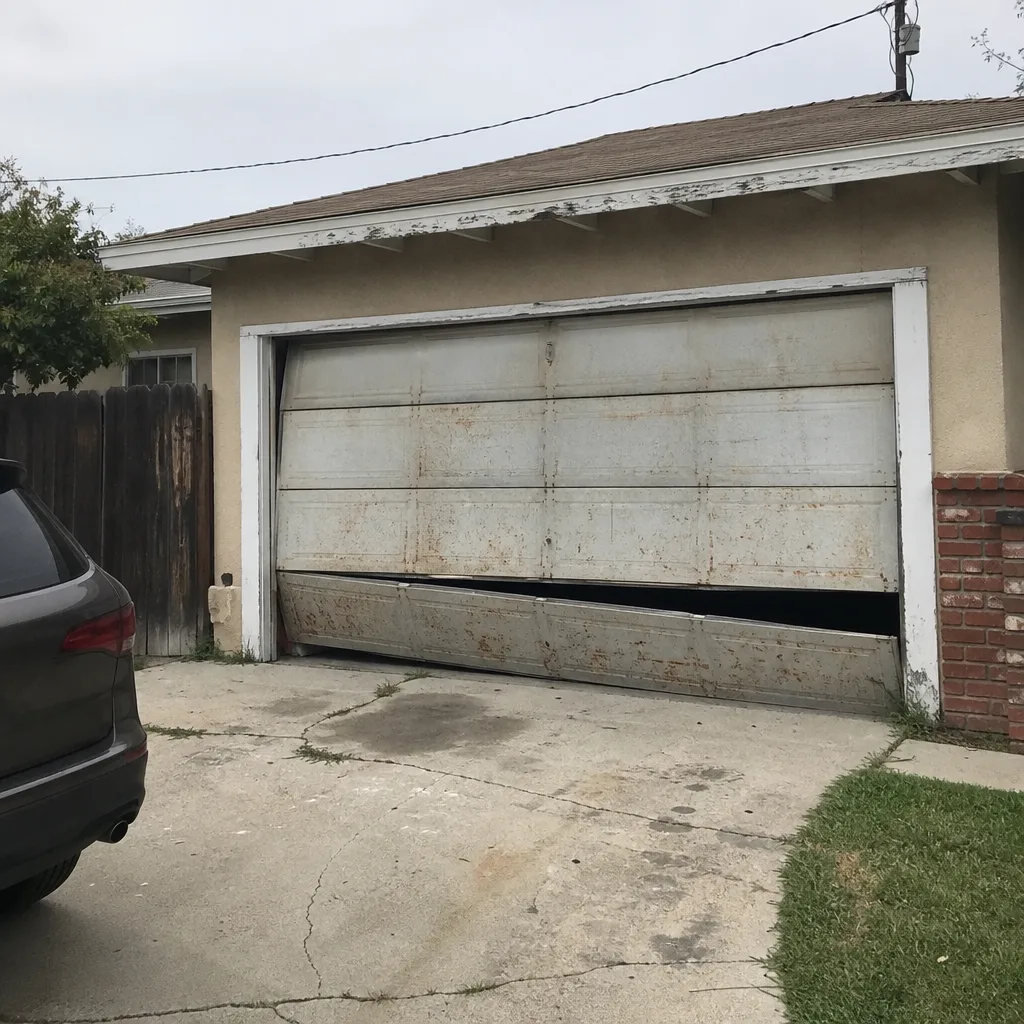 Before
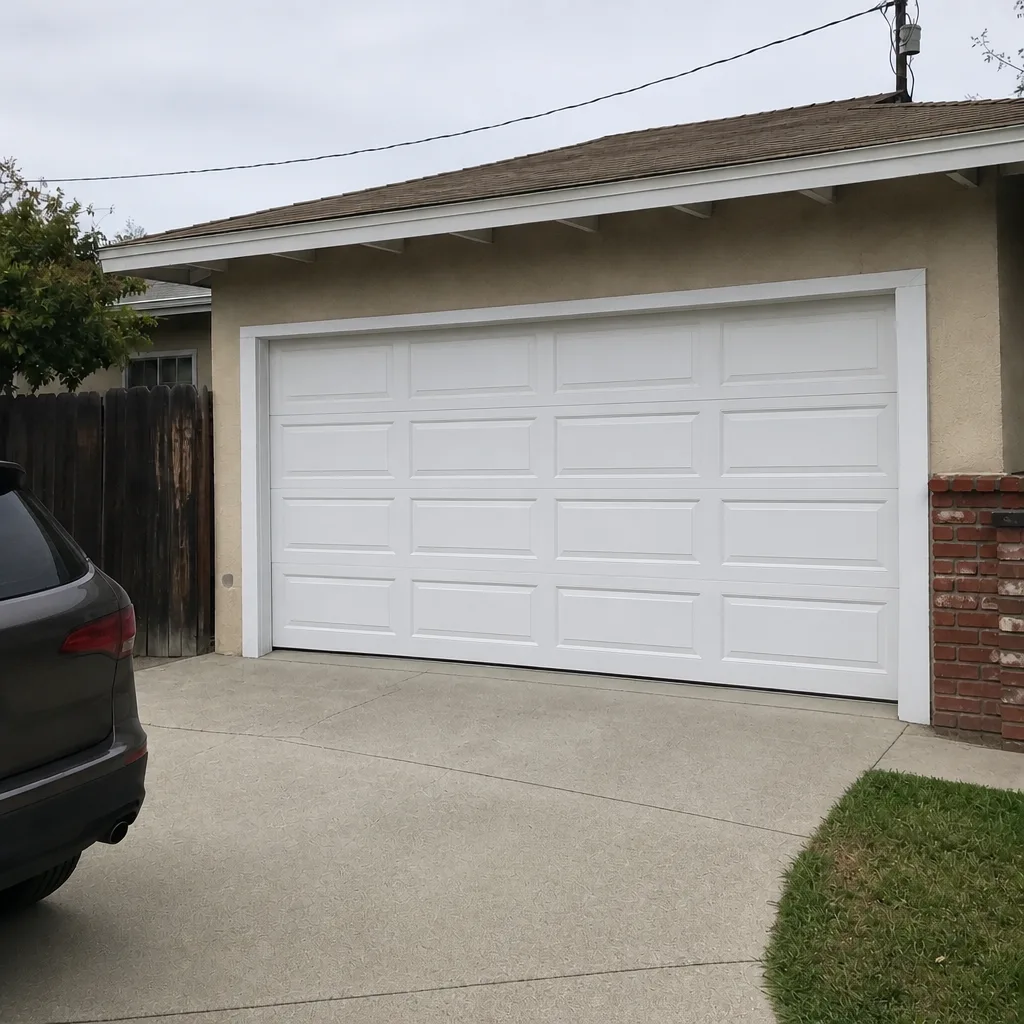 After
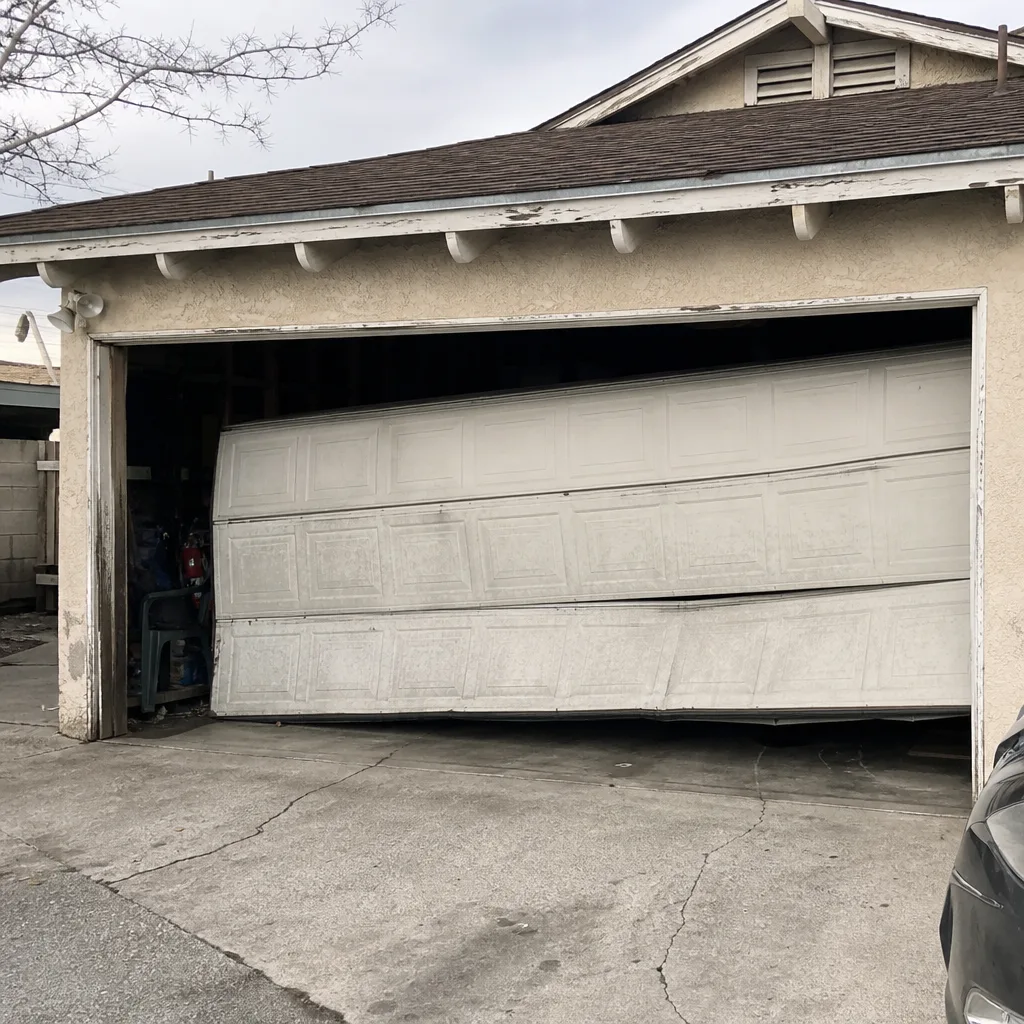 Before
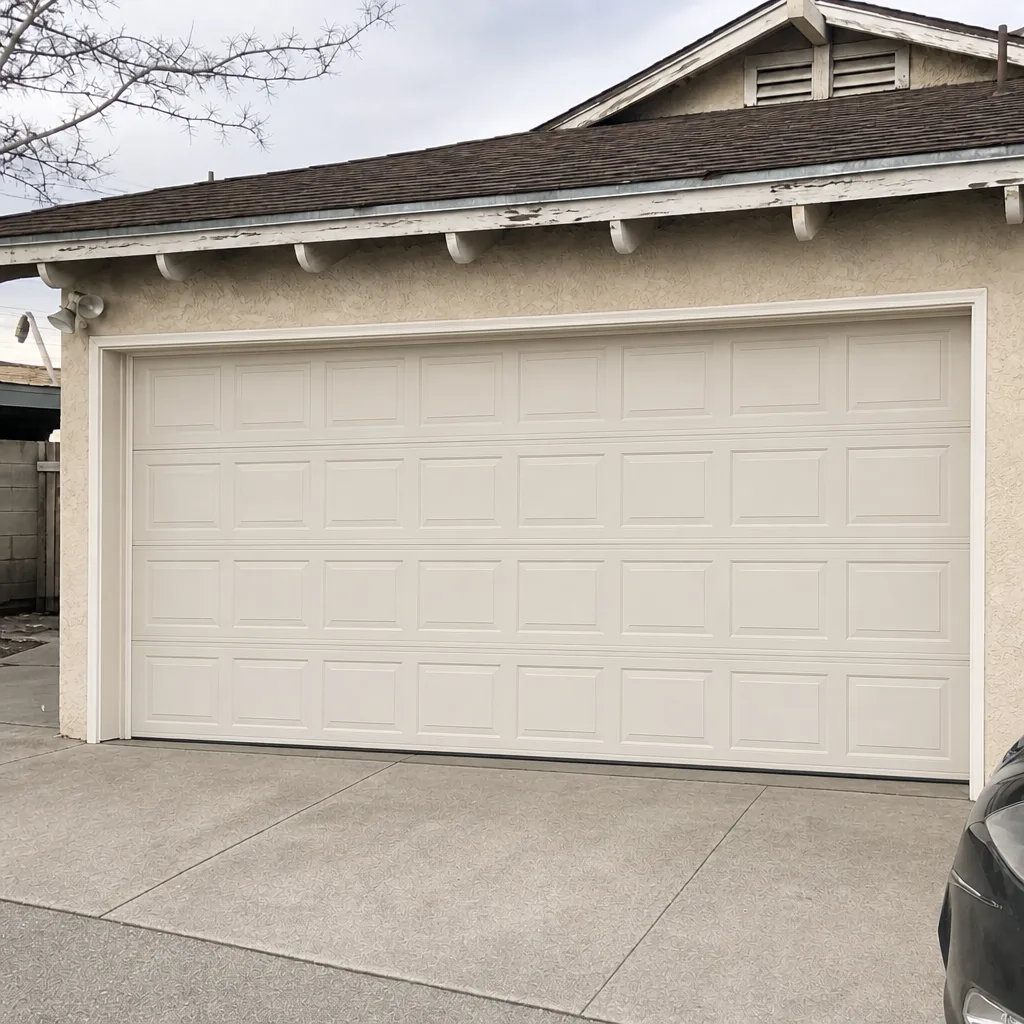 After
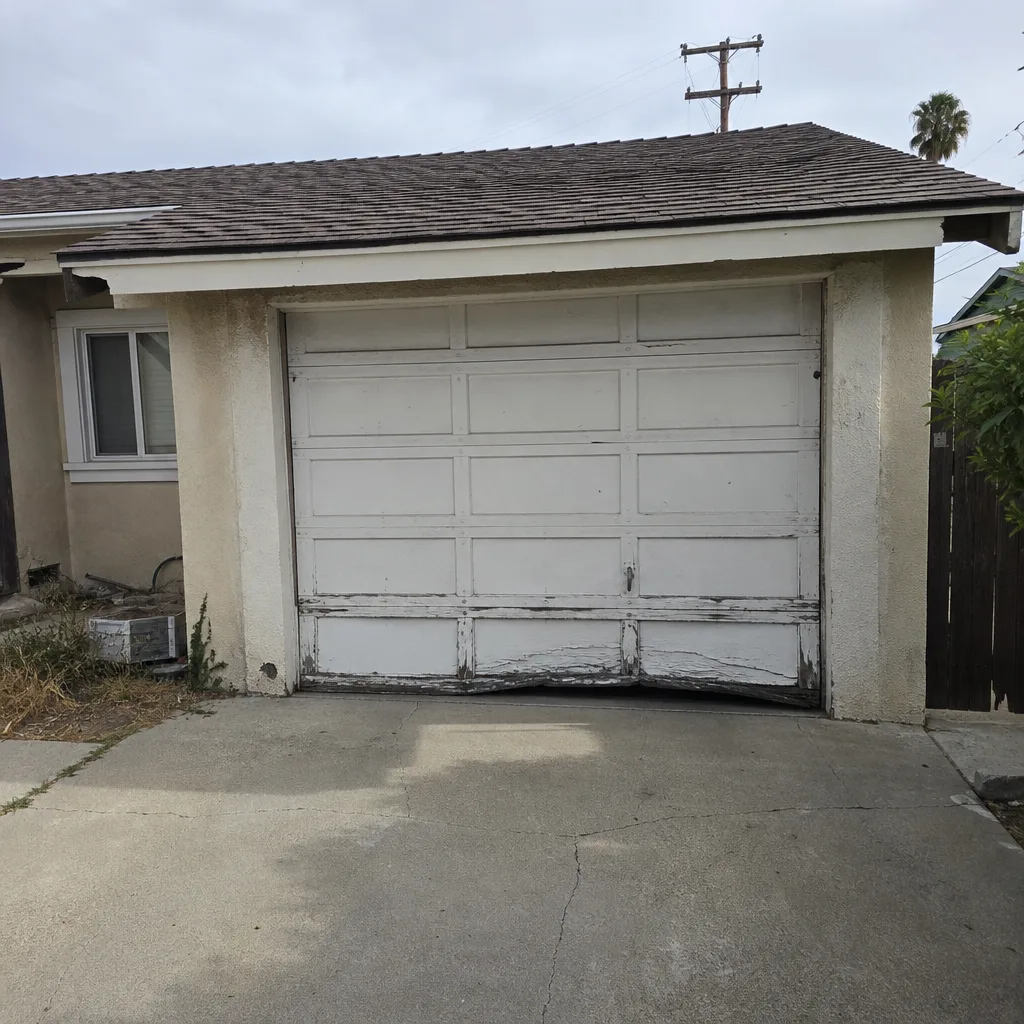 Before
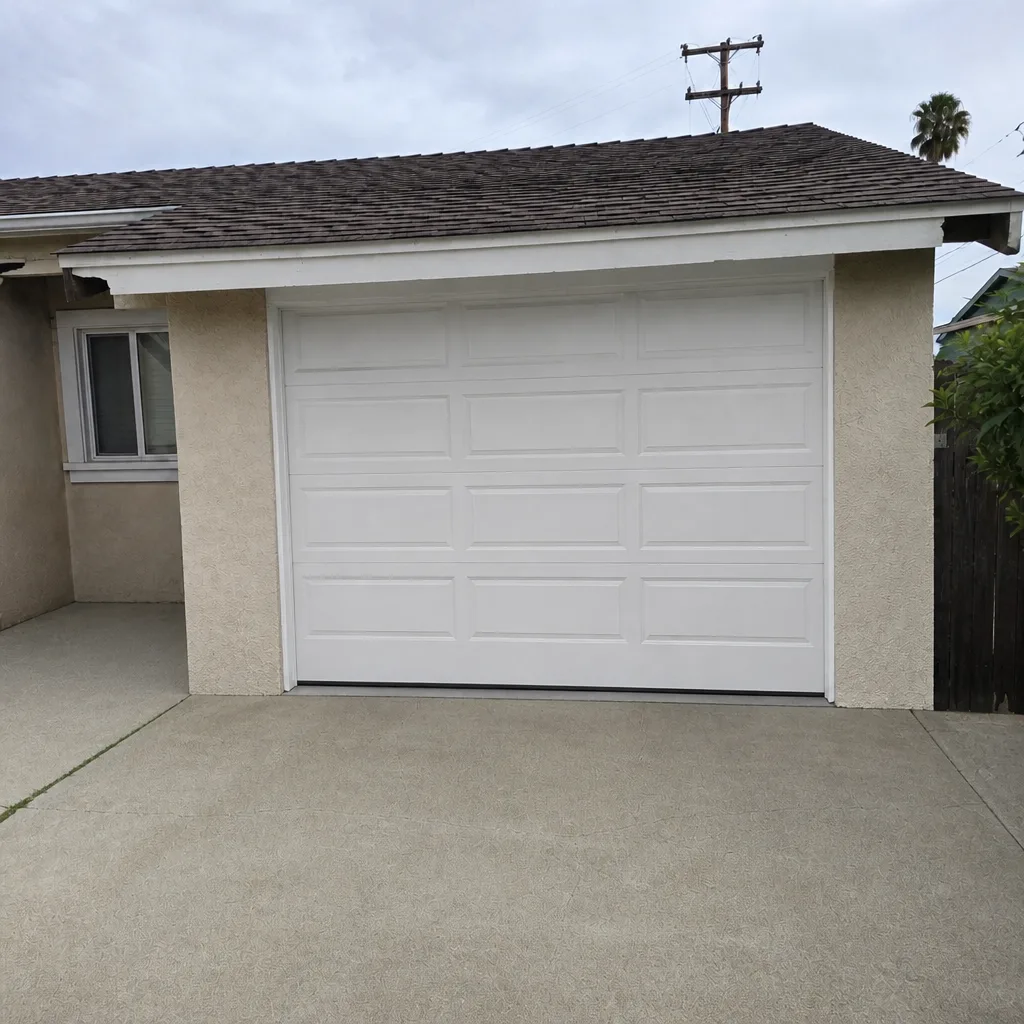 After