
Last updated November 4, 2026
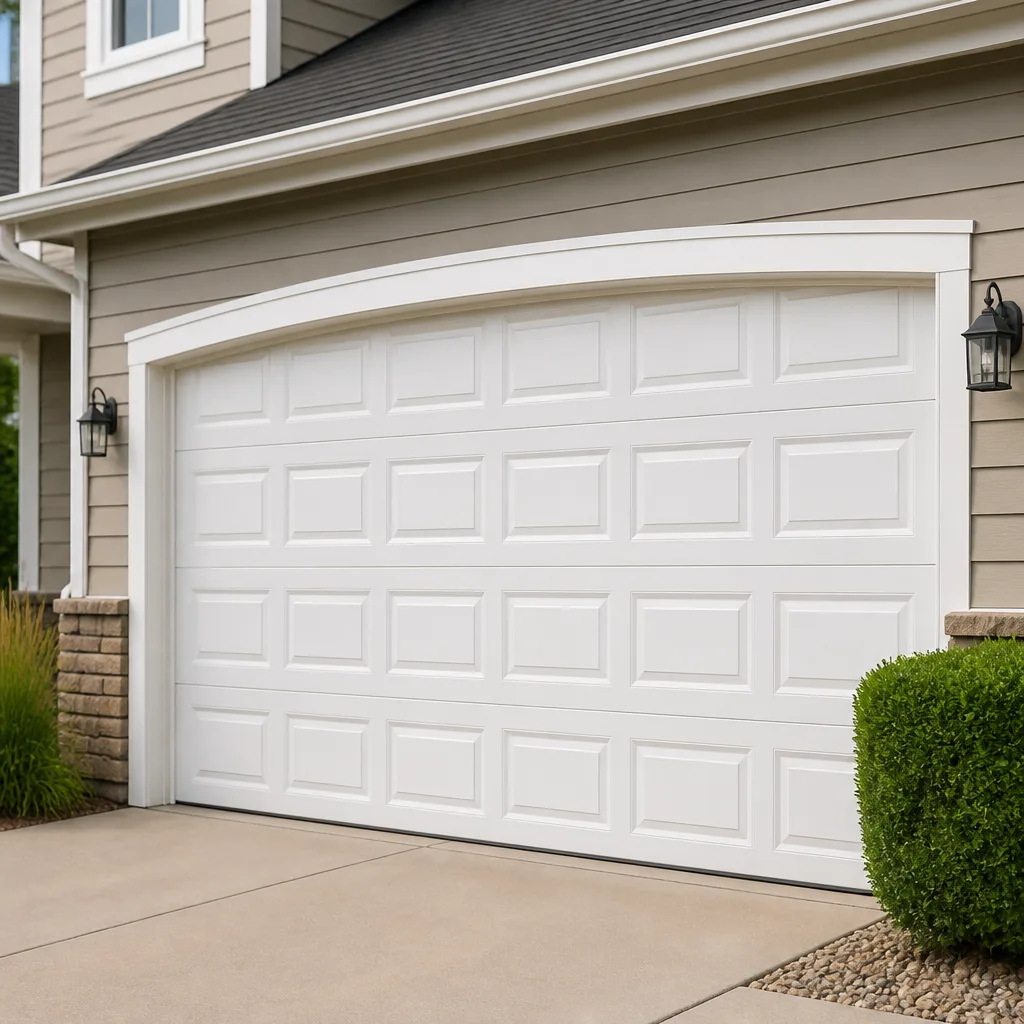 Raised-panel steel
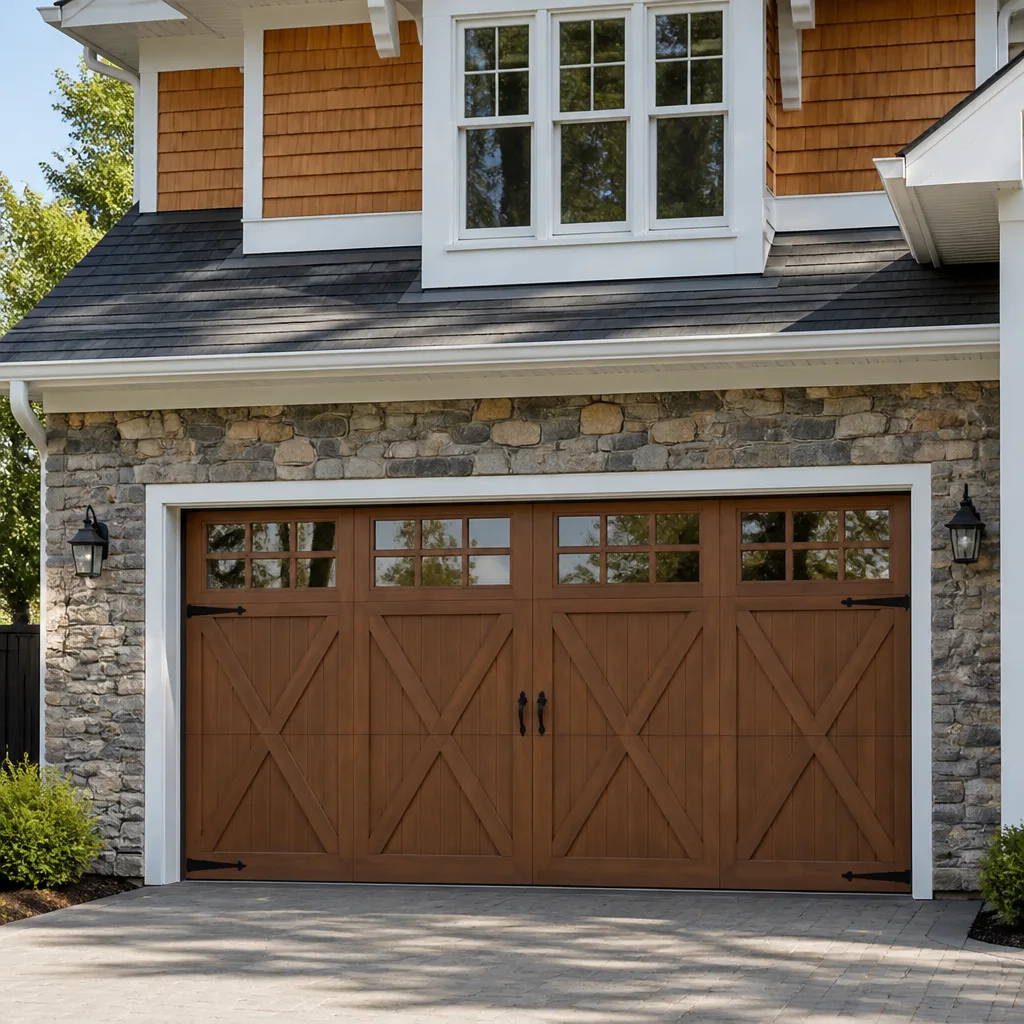 Carriage house
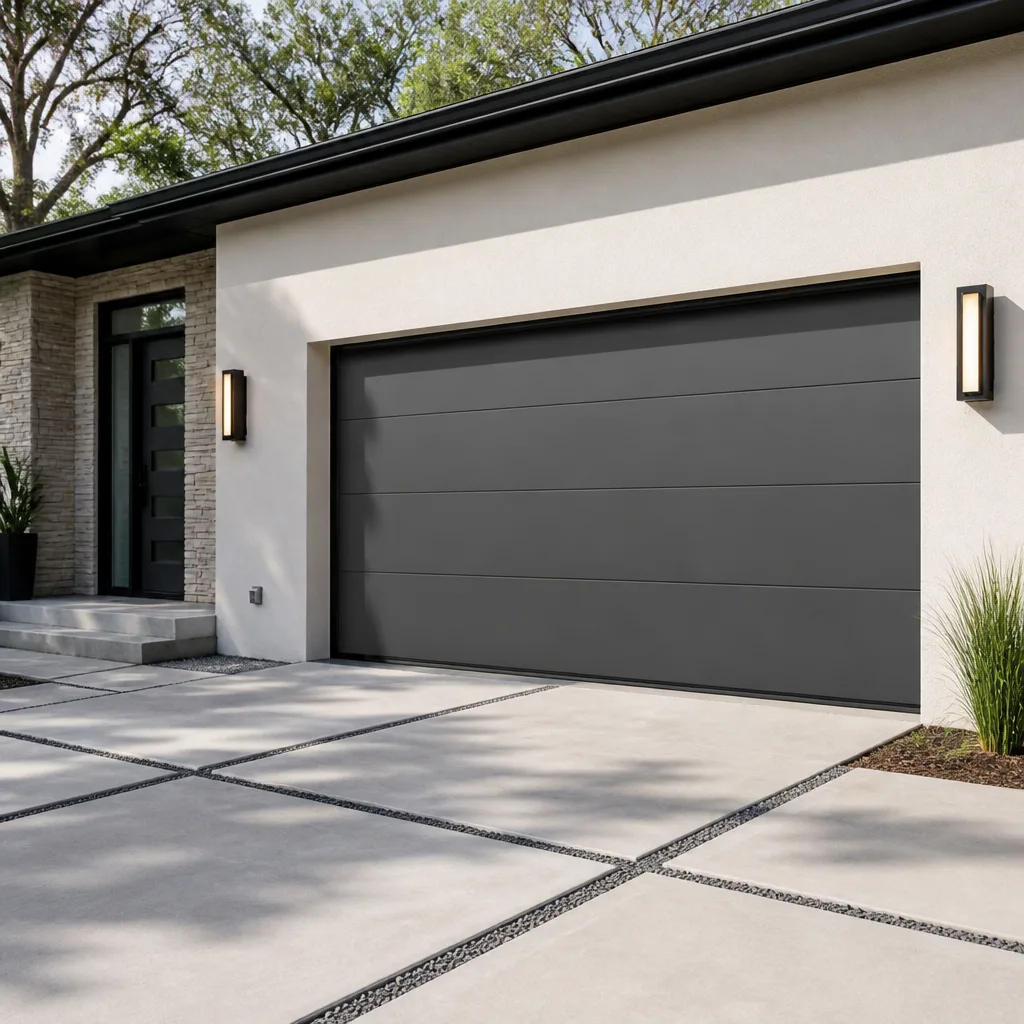 Modern flush
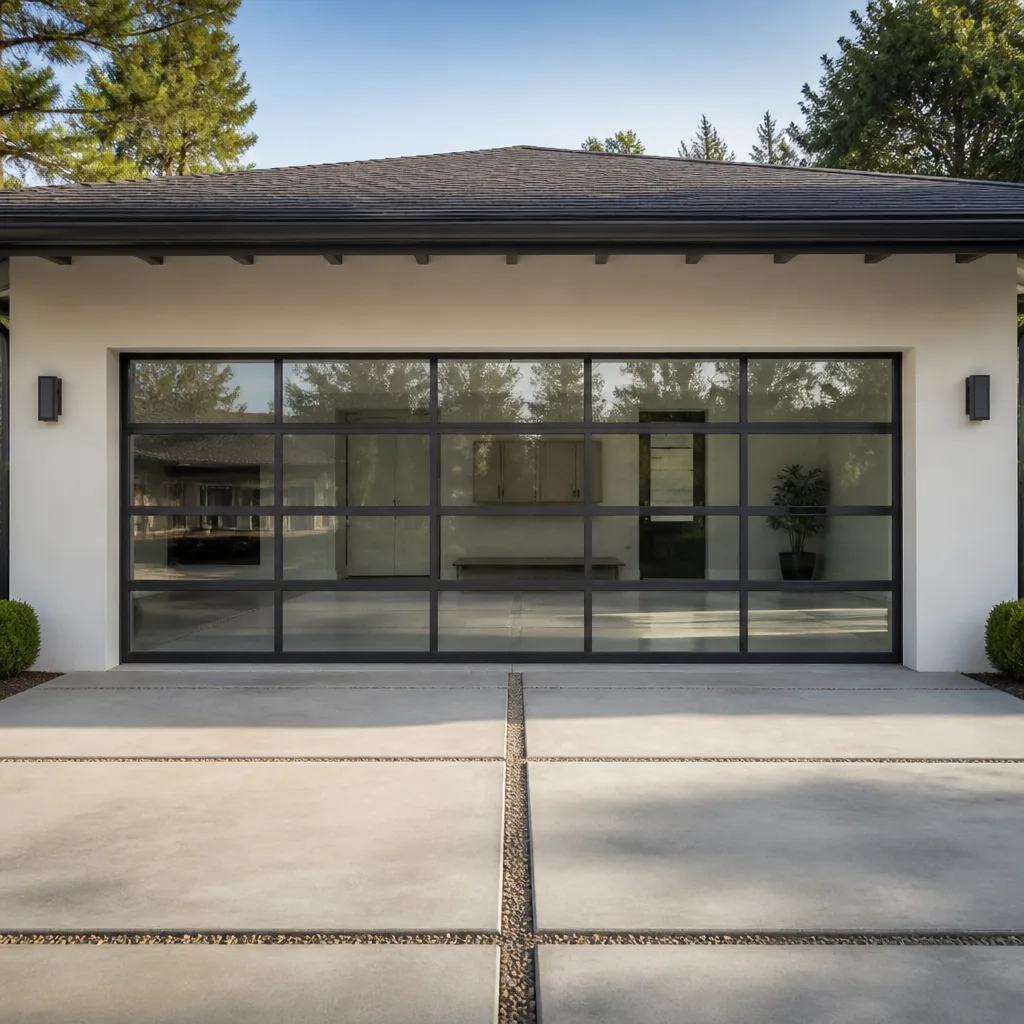 Full-view glass
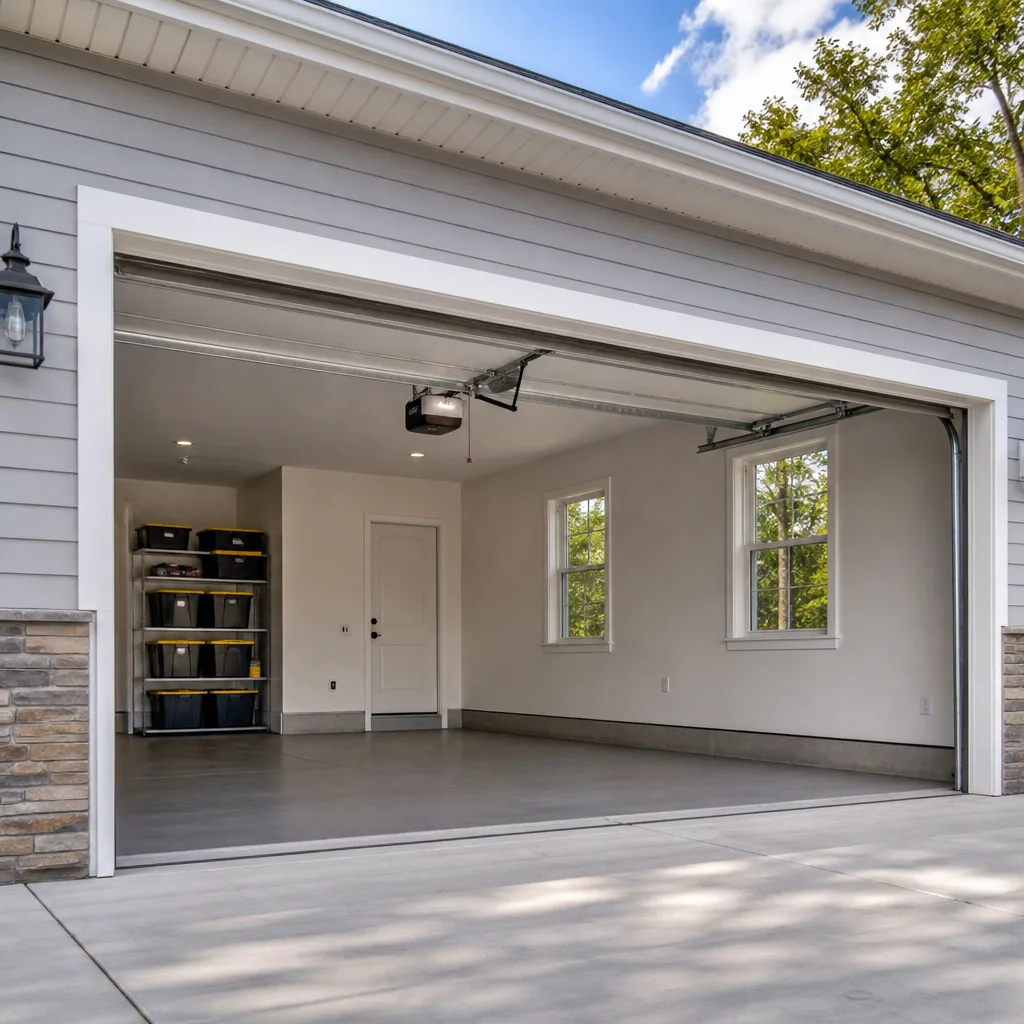 LiftMaster openers
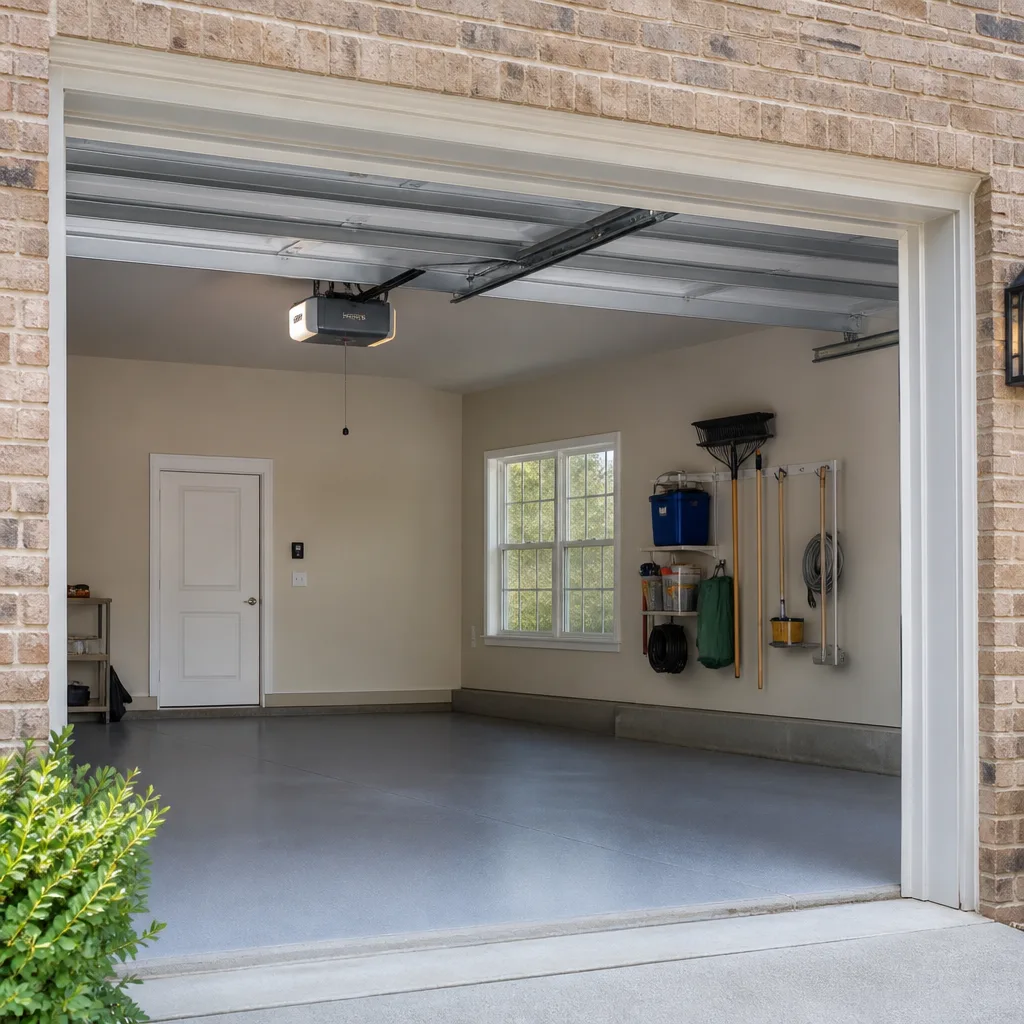 Chamberlain openers
Full 25-point door and opener safety check with every visit - springs, cables, rollers, tracks, and your LiftMaster or Chamberlain opener included
You get a price before we start. It does not change when the truck arrives.
Get your free estimateHow to Hire a Garage Door Contractor in Arleta: A Step-by-Step Guide
Most homeowners in Arleta assume the hard part is finding a contractor with a license and insurance. That’s the easy part. The hard part is finding one who actually specializes in garage doors. A general contractor can fix a fence, patch drywall, and hang a door. But a garage door is a counterweighted system under constant tension, and when a spring lets go or a track binds, the diagnosis matters more than the toolbox. This guide walks you through how to hire the right contractor in Arleta, what questions separate a specialist from a side-jobber, and how to read an estimate so you pay for the right fix, not the easiest upsell.
Quick Answer
To hire a garage door contractor in Arleta, verify they hold a California C-61/D-28 specialty license for door, gate, and activating devices, ask questions that reveal whether garage doors are their primary trade, and get a written estimate that itemizes parts, labor, and any exclusions before work starts. A dedicated garage door specialist will diagnose faster and quote more accurately than a multi-trade handyman. Call (877) 573-0278 for a free estimate in Arleta.
Styles & brands we work with
- Raised-panel steel
- Carriage house
- Modern flush
- Full-view glass
- LiftMaster openers
- Chamberlain openers
Table of Contents
- Step 1: Verify the License Type, Not Just the License Number
- Step 2: Confirm Garage Doors Are the Primary Trade
- Step 3: Ask Questions That Reveal Real Expertise
- Step 4: Read the Written Estimate Like a Contract
- Step 5: Spot the Arleta-Specific Red Flags
- Step 6: Why the Diagnostic Process Beats Multiple Quotes
- Step 7: Match the Contractor to Your Existing Brand
Step 1: Verify the License Type, Not Just the License Number
Every contractor in California needs a state license from the Contractors State License Board, or CSLB. But here’s the thing most Arleta homeowners miss: there are different license classes, and they tell you very different things about the person standing in your driveway.
A general B-license lets a contractor build a room, pour concrete, or hang a fence. It does not demonstrate any focused knowledge of torsion spring systems, cable routing, or opener logic boards. A C-61/D-28 specialty license is the one specific to door, gate, and activating devices. That’s the license class for someone whose entire professional focus is doors.
Here’s the practical difference. A general contractor might touch three garage doors a month, mixed in with kitchens and bathrooms. A garage door specialist sees three garage doors before lunch. The repetition creates pattern recognition. When a LiftMaster opener makes a specific clicking sound, or a Chamberlain wall console blinks a certain sequence, the specialist knows what it means without guessing.
To verify a license in Arleta, visit the CSLB website and search by name or license number. Look not just for “active” status, but look at the classification. If it says B – General Building, ask the contractor how many garage door installs they’ve completed in the last year. If they hesitate, thank them and move on.
Step 2: Confirm Garage Doors Are the Primary Trade
This is the step that saves Arleta homeowners the most money. A fully licensed contractor can still be the wrong hire if garage doors are their side income. The fix usually comes later, when a specialist has to undo partial work and redo the job correctly.
Garage doors are all we do at Garage Door Repair Arleta. That means every job on our schedule is a garage door job. We’re not squeezing a spring replacement between a gutter cleaning and a tile job. The mechanics on our calendar are predictable: springs, cables, tracks, panels, openers, remotes. When you see the same failing parts across hundreds of doors from the same manufacturers, you learn the failure points cold.
How do you spot a specialist without taking our word for it? Ask this question: “What spring system do you stock for a standard 16×7 door?” A specialist answers immediately. A generalist pauses, says they’ll “check the truck,” or starts talking in vague terms about “different sizes.” The correct answer should be specific, because this is not a trick question for anyone who does this work daily. It’s orientation-level knowledge, like a mechanic knowing where the dipstick is.
Here are the signals that a contractor genuinely specializes:
- Their truck is stocked with garage door parts, not a random mix of building supplies
- They name specific brands without hesitation when asked what they work on
- They can explain the difference between a torsion spring and an extension spring in plain English
- They ask about your opener brand before they ask about your budget
- They don’t pivot the conversation toward unrelated home repairs when discussing your door
Step 3: Ask Questions That Reveal Real Expertise
You don’t need to know garage door mechanics to evaluate a contractor’s expertise. You just need to ask the right questions and watch how they answer. A real specialist answers directly. A generalist deflects, upscales, or talks in circles.
- “What’s the most common failure point you see on my brand of door?” If you have a Clopay, Amarr, or Wayne Dalton door, the answer should mention springs, cables, or rollers specific to that hardware. If you have a LiftMaster or Genie opener, the answer should address the drive mechanism or logic board. A specialist knows brands have different weak points.
- “Will you inspect the whole system, or just fix the broken part?” The right answer is whole-system. A broken spring often hides a worn cable. A noisy opener may have a failing sprocket. A quick part swap without looking at what caused the failure leads to a second service call.
- “What’s your process for matching a new panel to an existing door?” This reveals whether they understand paint matching, panel compatibility, and door balance. A vague answer means they haven’t done many panel replacements.
- “Do you stock parts for my opener brand, or order them in?” LiftMaster, Chamberlain, Genie, and Craftsman openers have different gear kits and circuit boards. A stocked truck means faster repair. An “order it in” contractor adds days to a door that won’t open.
- “Will the quote change once you start the work?” This is the trust test. The answer should be that the written estimate is the price, and any changes are discussed and approved before additional work. Never accept “we’ll see once we get in there” as a pricing model.
Step 4: Read the Written Estimate Like a Contract
A written estimate is where honest contractors separate from pitchmen, and Arleta homeowners can see it if they know what to look for. The estimate should itemize parts and labor. It should name the specific parts being installed, not just say “spring kit.” It should describe the scope of work in plain terms.
Here’s what to watch for:
- Vague line items: “Garage door service” as the only line item tells you nothing. You want specifics: torsion spring, part number if available, one or two springs, labor time.
- Unnecessary spring “upgrades”: If a contractor pitches high-cycle springs as an “upgrade” above your needs when your original springs lasted 10 years, that’s not honest guidance. High-cycle springs matter for doors that open many times per day, not a typical Arleta home where the door opens twice a day.
- “Lifetime” warranties with buried exclusions: Read the fine print. A lifetime part warranty may only cover the spring itself, not the labor to install the replacement. Or it may require a specific maintenance schedule you didn’t agree to. Ask what the warranty actually covers, in writing.
- Hidden fees: The estimate is free at garage door repair level pricing, and the written estimate sets the price per job. But some contractors add trip charges, diagnostic fees, or “shop fees” that appear only on the final invoice. Ask upfront if the estimate is the total price.
This is where most Arleta homeowners get oversold. The pitch sounds reasonable: while we’re here, want a new opener? While we’re here, want to upgrade to a steel-back door? A good contractor tells you what’s broken and fixes it. A bad contractor invents a second problem to bill you for.
Step 5: Spot the Arleta-Specific Red Flags
The Arleta and San Fernando Valley contractor market has some predictable patterns. Once you know them, they’re easy to spot.
- Unlicensed operators who advertise with city names: Some operators without any license plaster their trucks and online ads with “Arleta” and “San Fernando Valley” to look local. They’re counting on you checking their rates before their license. Always check the CSLB first, not the price.
- The flyer contractor: That flyer hanging on your door knob with “discount garage door repair” and no company name printed clearly is often an unlicensed operator running a short-term scheme. They do the work, the door fails again in three months, and the phone number is disconnected.
- Pressure to decide immediately: A legitimate contractor gives you a written estimate and lets you think it over. The contractor who stands in your driveway saying the price “goes away if I leave” is using pressure as a sales tactic. Walk away.
- No written estimate at all: If a contractor will only quote verbally and won’t put anything on paper, that’s a deliberate choice. Without a written estimate, you have no record of what was agreed to when the dispute happens.
- Too many trades on the truck: A truck with fence panels, roofing materials, and a lawn mower tells you garage doors are one of many side hustles. The problem isn’t that a handyman is dishonest. It’s that they don’t have the repetition to diagnose a specific door system quickly.
Step 6: Why the Diagnostic Process Beats Multiple Quotes
Homeowners love the idea of getting three quotes. It feels like diligence. But on garage door work, multiple quotes are less useful than verifying one contractor’s diagnostic process. Here’s the reasoning.
When you call three different contractors to look at the same broken door, you’re getting three different sets of eyeballs with three different levels of garage door experience. A generalist quotes you a full opener replacement because they don’t know how to isolate the problem. A specialist quotes you a gear kit replacement because they’ve seen that exact failure on a LiftMaster opener thirty times this year. The specialist’s quote is lower because they diagnosed the actual problem, not because they’re cheaper.
In Arleta, where homes are built across several decades and door hardware varies widely, diagnosis is everything. A Clopay door from 1998 fails differently than an Amarr door installed last year. An older Genie opener has different failure points than a new Chamberlain unit. The specialist has the pattern recognition to tell the difference. The generalist replaces parts until something works.
We take a specific approach to diagnostics. Fast diagnosis, not guesswork, means we isolate the failure before we price the fix. That’s why the written estimate comes after we’ve looked at the whole system, not just the symptom you called about. The right fix, not the easiest upsell, is the entire point.
Step 7: Match the Contractor to Your Existing Brand
Most Arleta homeowners don’t choose their garage door brand. The builder did, or the previous owner did, or the opener came with the house. So the relevant question isn’t “which brand should I buy?” It’s “does the contractor know the brand that’s already in my garage?”
We work on the brand already in your garage. That’s a bigger deal than it sounds. A Clopay door and a Raynor door are both sectional, but their hardware specs differ. A Chamberlain opener and a Genie opener both lift the door, but their gear kits and logic boards are not interchangeable. A contractor who has never worked on a Raynor door might diagnose it fine anyway. But a contractor who has serviced dozens of Raynor doors knows the failure points before they climb the ladder.
Our technicians cover the two sides of every garage door system: the door hardware and the drive system. On the hardware side, that’s Clopay, Amarr, Wayne Dalton, and Raynor. On the drive and opener side, that’s LiftMaster, Chamberlain, Genie, and Craftsman. If a homeowner calls about a Chamberlain opener on a Wayne Dalton door, we know both pieces. That’s the brand-matched expertise that comes from doing this work all day, every day.
Ask any contractor you’re considering which specific brands they service. If they say “all of them” without naming any, that’s not an answer. If they name the brands without pausing, you’re talking to someone with real overlap with your hardware.
Common Mistakes to Avoid
- Hiring on price alone: The cheapest quote is often the most expensive fix. A low price means someone cut corners on parts, labor, or both, and a garage door that fails twice costs more than a correct repair once. In Arleta, where the housing stock varies, finding a contractor who understands your specific door matters more than saving twenty dollars.
- Skipping the license verification: A business card and a local phone number are not a license. Any contractor working in Arleta should be licensed with the CSLB, and the license class should be the garage door specialty class, not just a general building license.
- Accepting a verbal quote: If it’s not in writing, it doesn’t exist. Never let work begin without a written estimate that itemizes parts, labor, and the total price you’ve agreed to pay.
- Ignoring the diagnostic question: A contractor who wants to replace your whole door without testing the opener, or replace the opener without checking the door balance, is guessing. Insist on a diagnostic process that isolates the actual failure.
- Assuming every license means specialization: A general contractor may hold a valid license and still see garage doors as a side job. Ask directly how many garage door systems they’ve serviced this year. The answer tells you whether you’re hiring a specialist or a side-hustler.
- Not asking about parts availability: If the contractor has to order parts for your LiftMaster or Chamberlain opener, your door stays broken for days. A stocked truck means the part is in your garage, not in a shipping warehouse.
- Letting the contractor skip the whole-system check: A broken spring often has a worn cable next to it. A noisy opener may be wearing down the door rollers. If the contractor only fixes the part you called about and doesn’t inspect the rest, you’ll be calling again.
See the difference
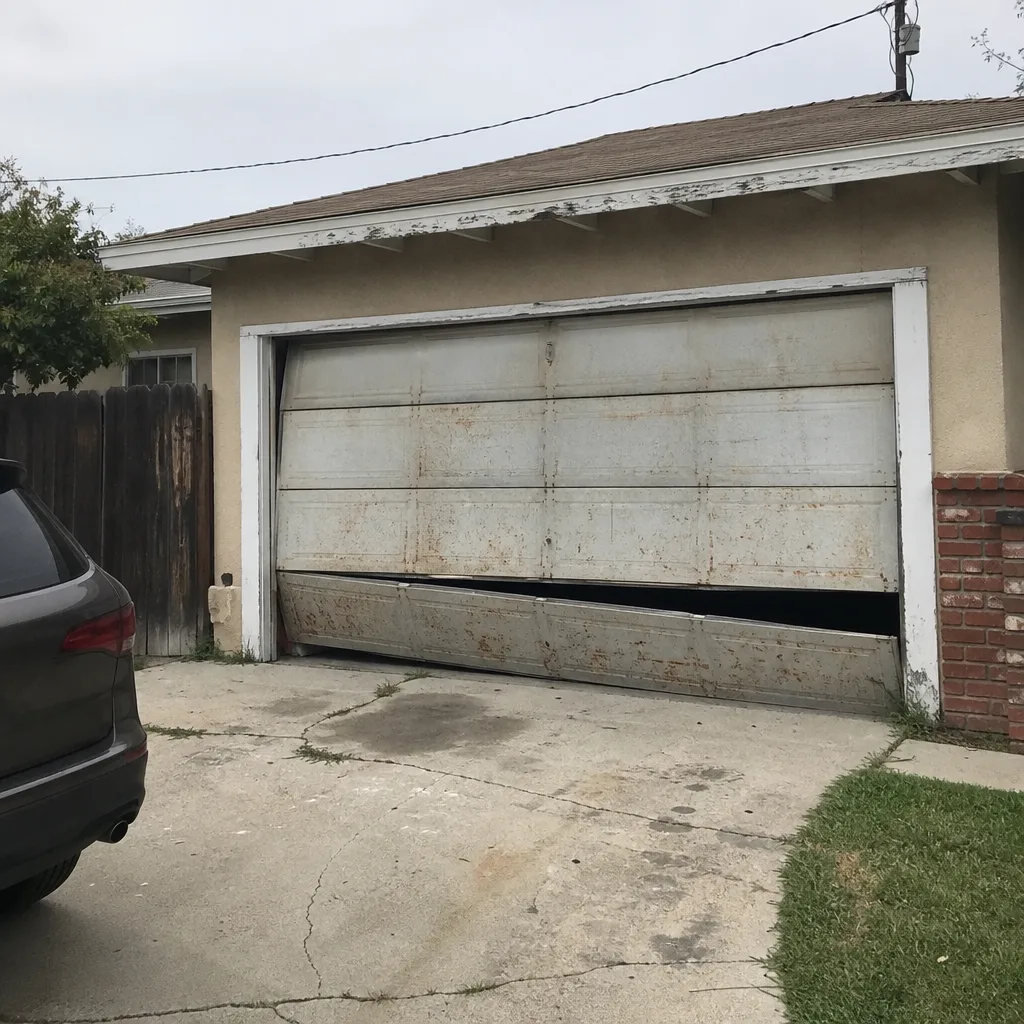 Before
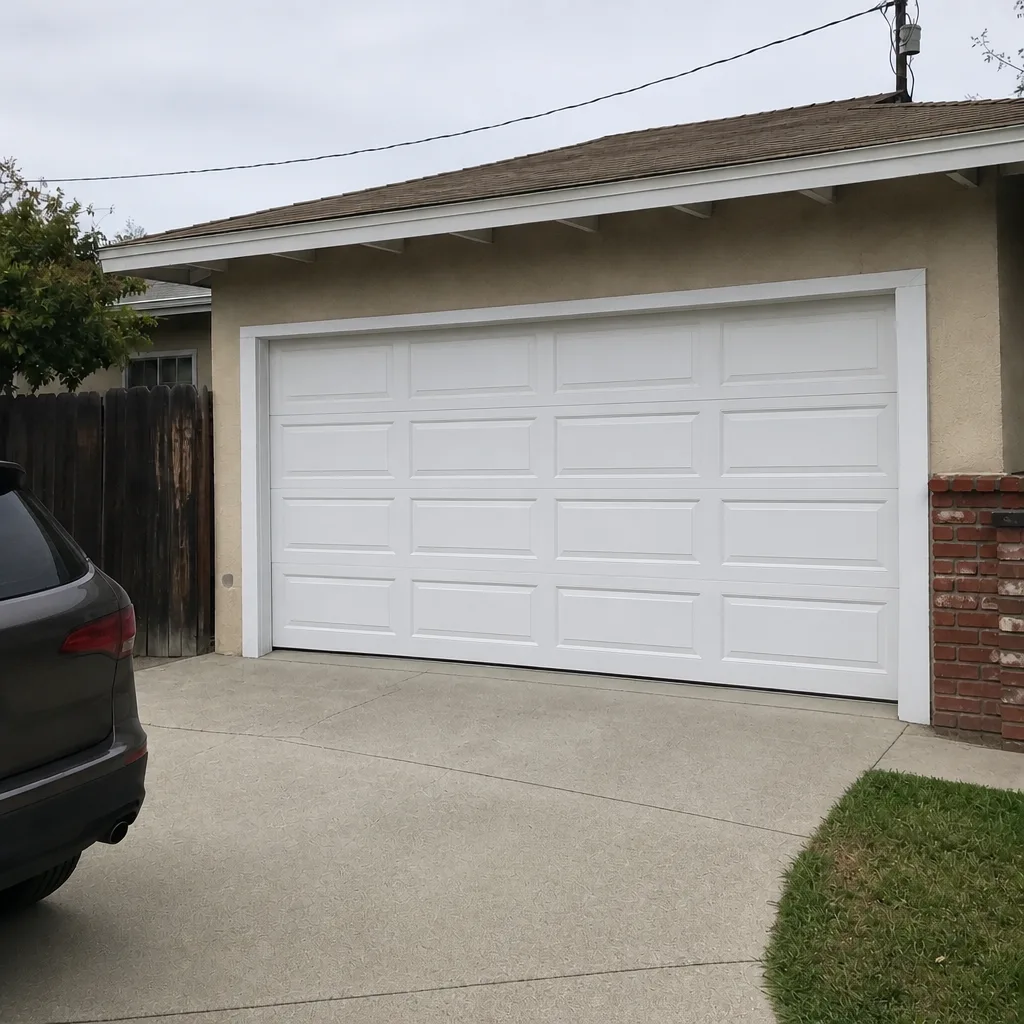 After
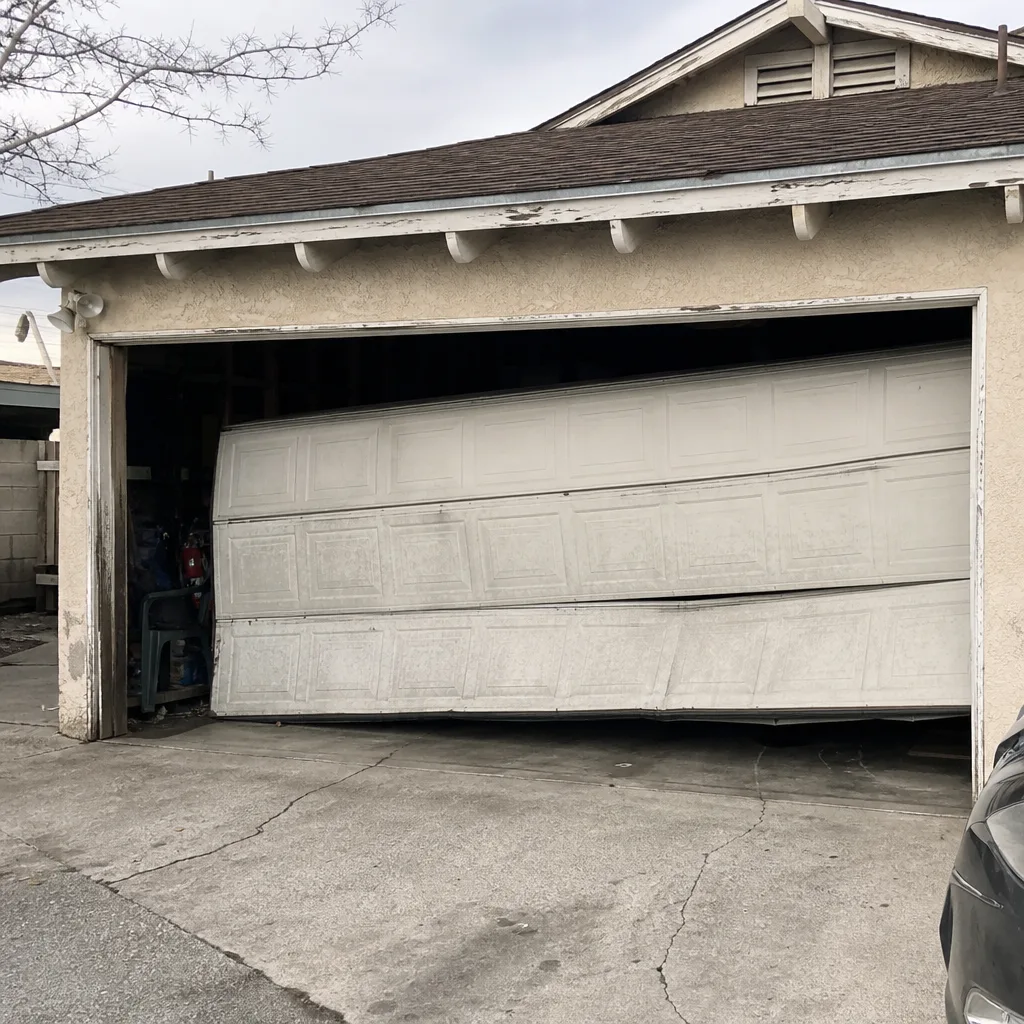 Before
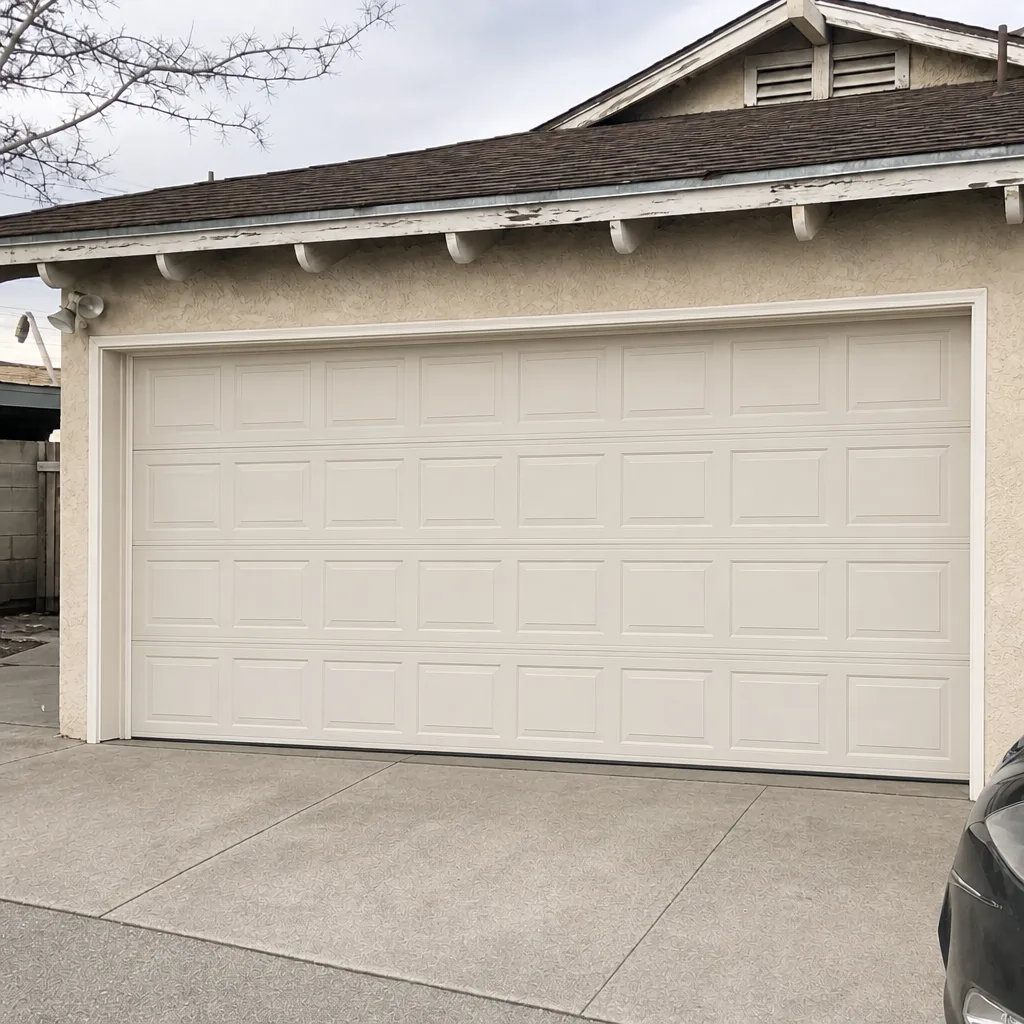 After
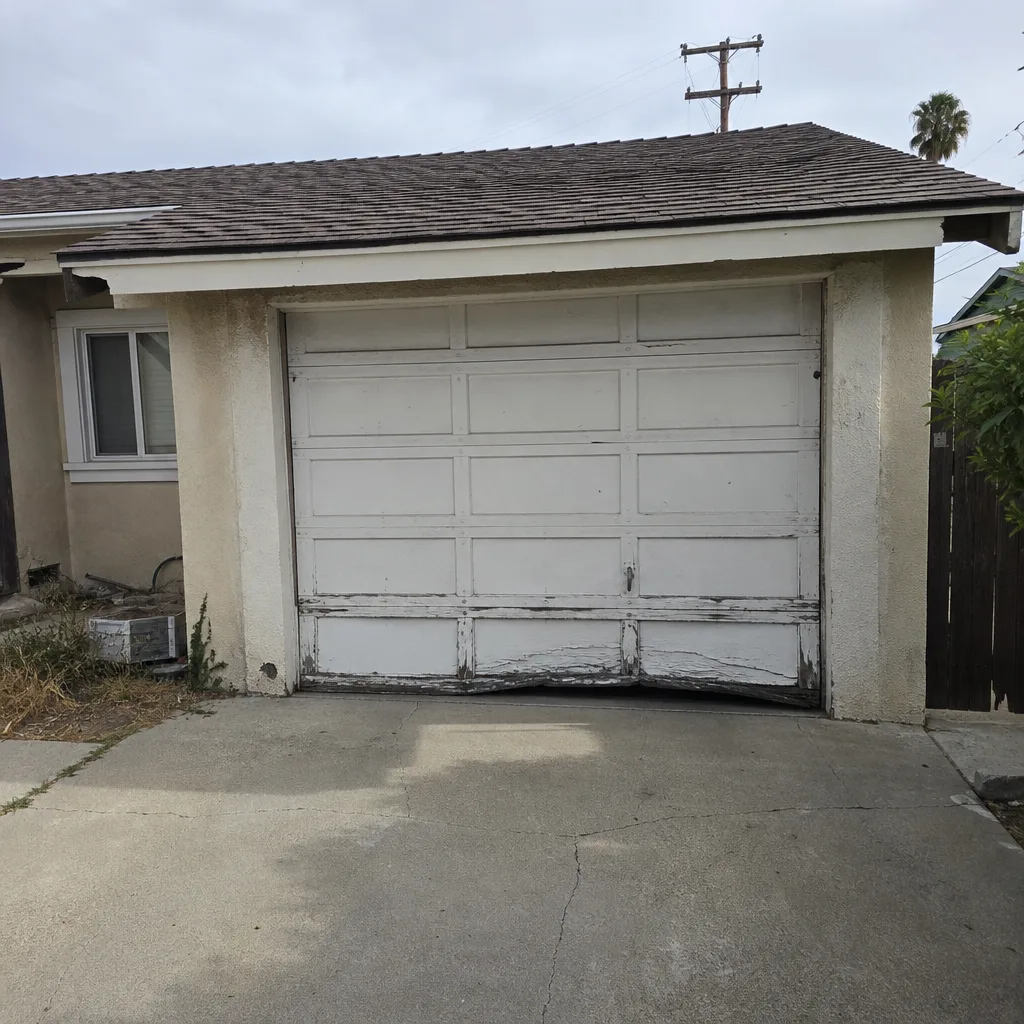 Before
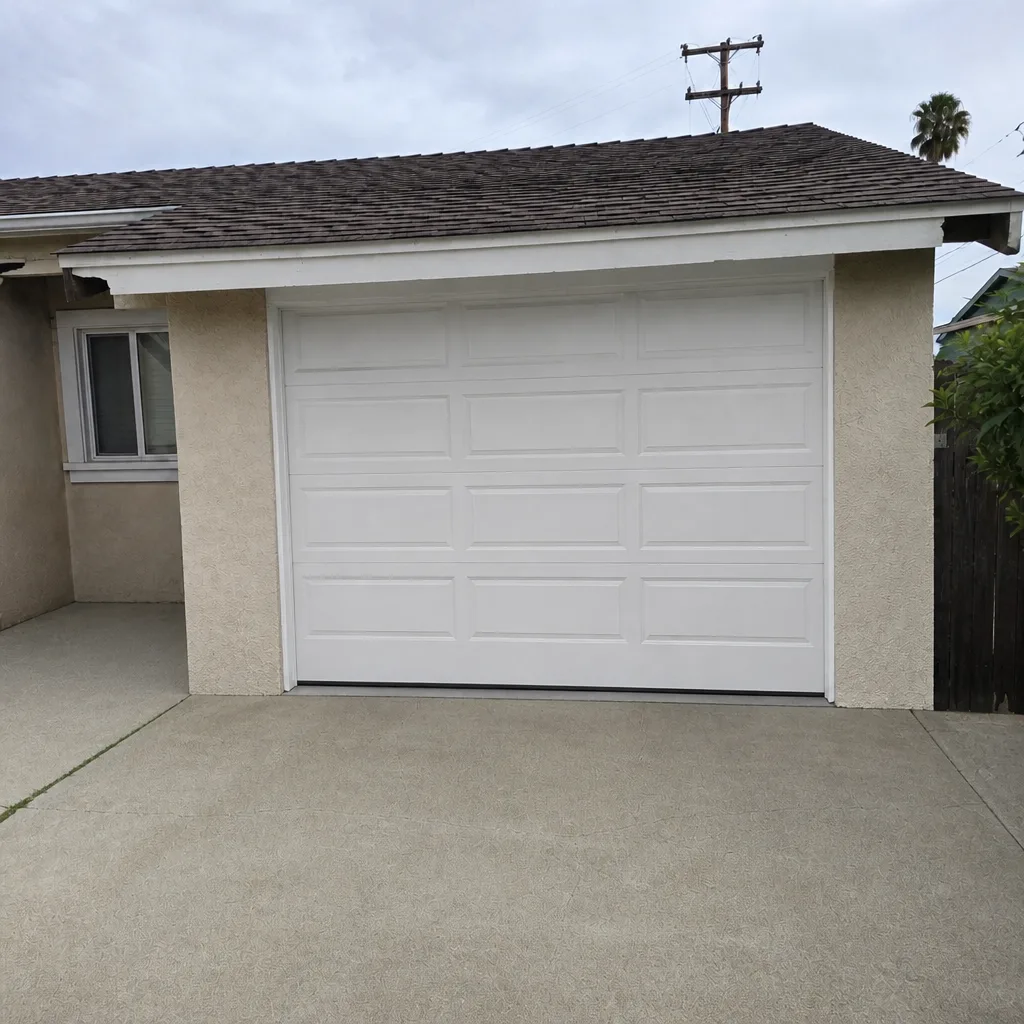 After
When to Call a Professional
Some garage door problems are obvious: the door won’t open, the opener is dead, a panel is dented beyond repair. The hard part is knowing when a small problem is about to become a big one. If your door is shaking on the track, making grinding noises, or sagging on one side, don’t wait for it to fail completely. These are early warnings of a spring, cable, or track issue that’s about to get worse.
If you hear a loud bang from the garage, that’s a spring letting go. Stay clear and call a professional. The same goes for any work involving high-tension springs and cables. These components are under enormous force, and the wrong move can cause serious injury. A trained technician knows how to release that tension safely, and this is not the place for a do-it-yourself experiment.
Garage door opener repair is another area where amateurs get lost. Modern openers have logic boards, safety sensors, and motor drives that require diagnostic tools and brand-specific knowledge. If your opener is making noise but not moving the door, or the remote works intermittently, call someone who understands the specific brand on your ceiling.
Garage Door Repair Arleta offers free estimates in Arleta. Call (877) 573-0278 when your door fails or when you suspect it’s about to. We answer 24/7. Fast dispatch from 7am to 7pm, Sunday through Friday.
Frequently Asked Questions
A garage door contractor in Arleta should hold a California C-61/D-28 specialty license from the CSLB, which covers door, gate, and activating devices. A general B-license is valid for general construction but does not demonstrate garage door specialization. Always verify the license class, not just that a license number exists.
Ask what spring system they stock for a standard 16×7 door and listen for a specific answer without hesitation. Also ask which brands they service and how many garage door jobs they complete in a typical week. A specialist answers directly and with confidence, because these are everyday questions.
A garage door estimate in Arleta should include itemized parts, labor, the specific brand and type of parts being installed, and a total price that won’t change without your written approval. The estimate is free, and the written estimate sets the price per job. Never accept a verbal quote or an estimate with only one vague line item.
In California, any contractor doing work over $500 in labor and materials must hold a state license. Garage door work involves high-tension components that require specialized training. Even if a handyman is legally allowed to do small jobs, a specialist with the right license class and daily experience is the safer hire.
We service LiftMaster, Chamberlain, Genie, Craftsman, Clopay, Amarr, Wayne Dalton, and Raynor systems. That covers the brands most commonly installed in Arleta homes. We work on the brand already in your garage, from the opener to the panel.
Estimates are free. We come out, diagnose the issue, and provide a written estimate before any work starts. The written estimate is the price, and any changes are discussed and approved with you before additional work happens. Call (877) 573-0278 to schedule your free estimate in Arleta.
The Bottom Line
Hiring a garage door contractor in Arleta comes down to one principle: specialization beats generalism. Check the CSLB for the specialty license class. Ask questions that reveal whether garage doors are the contractor’s primary trade. Read the written estimate carefully and refuse to work without one. And remember that the diagnostic process matters more than the number of quotes you collect. A specialist who fixes the right part the first time saves you money over a generalist who replaces the wrong part and calls it progress.
Written by the team at Garage Door Repair Arleta, serving Arleta since 2018.