
Last updated November 4, 2026
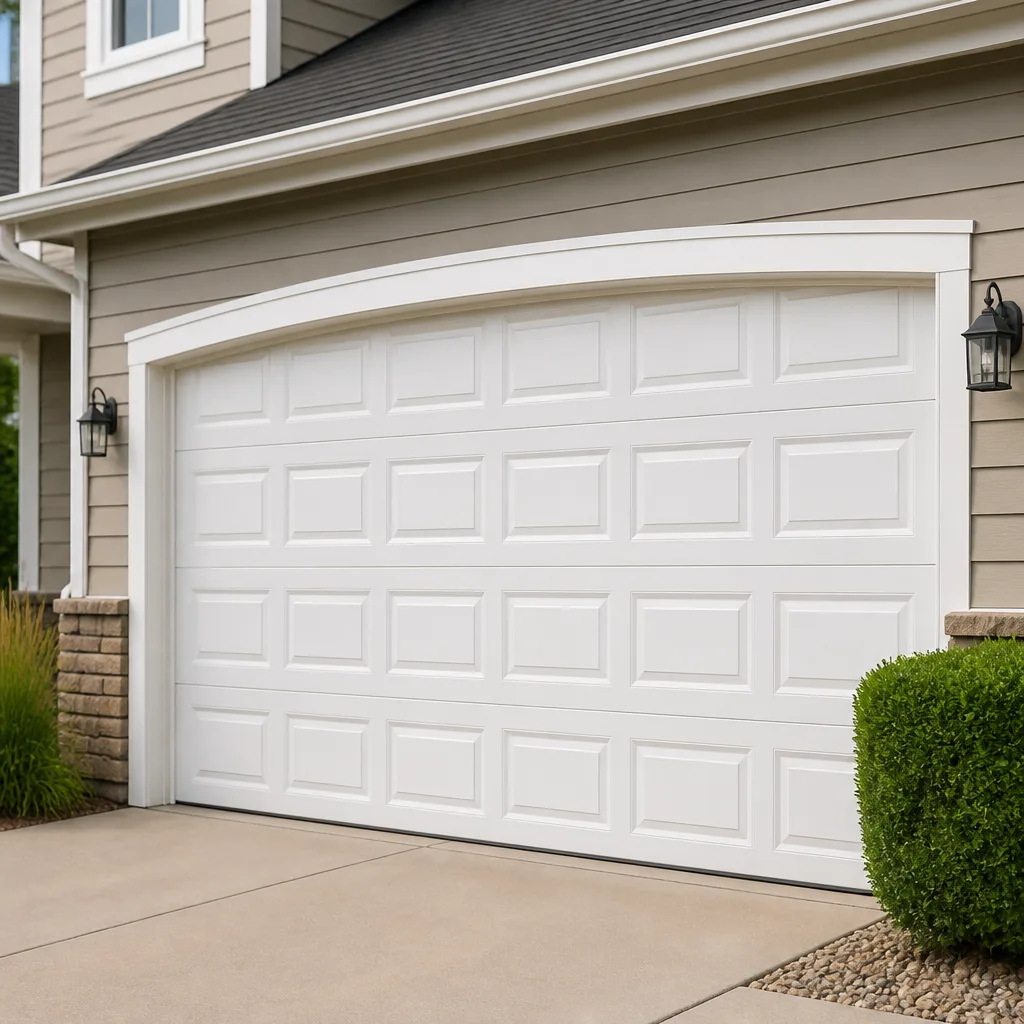 Raised-panel steel
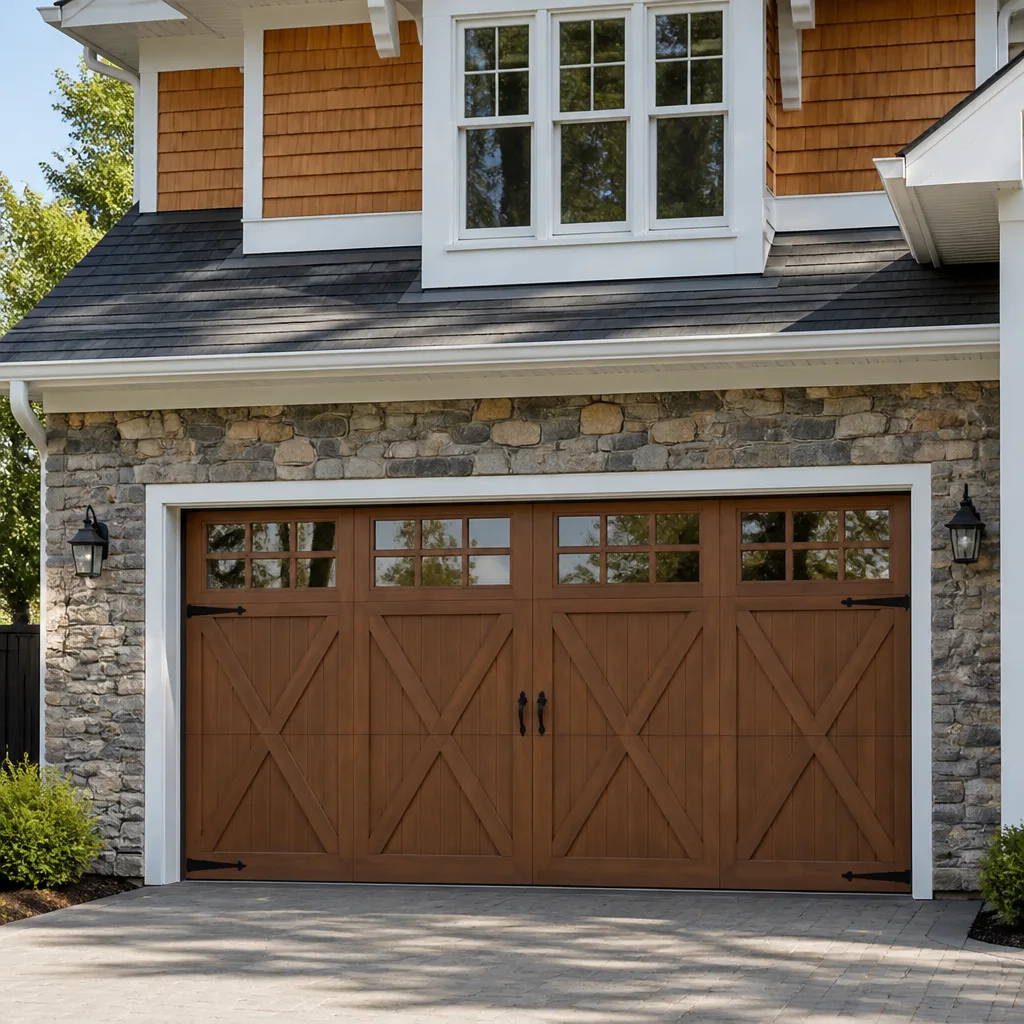 Carriage house
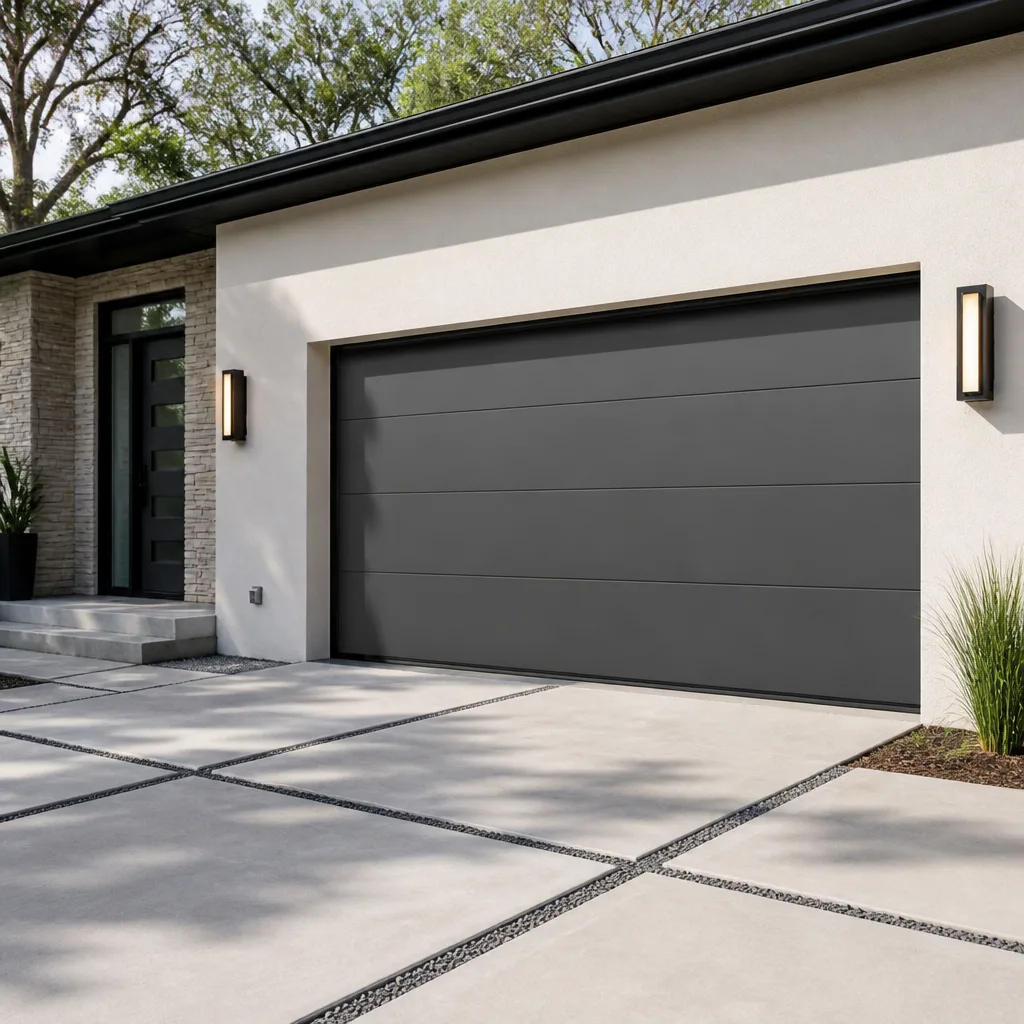 Modern flush
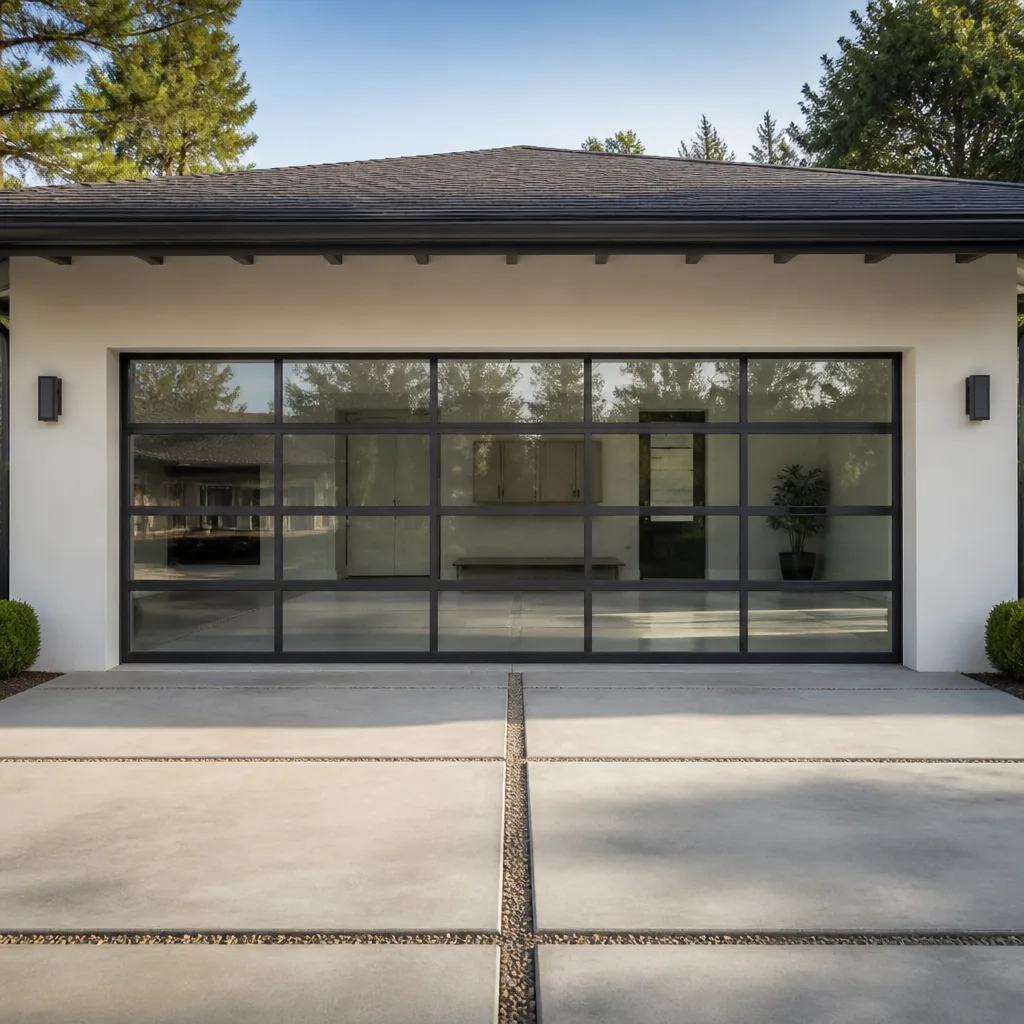 Full-view glass
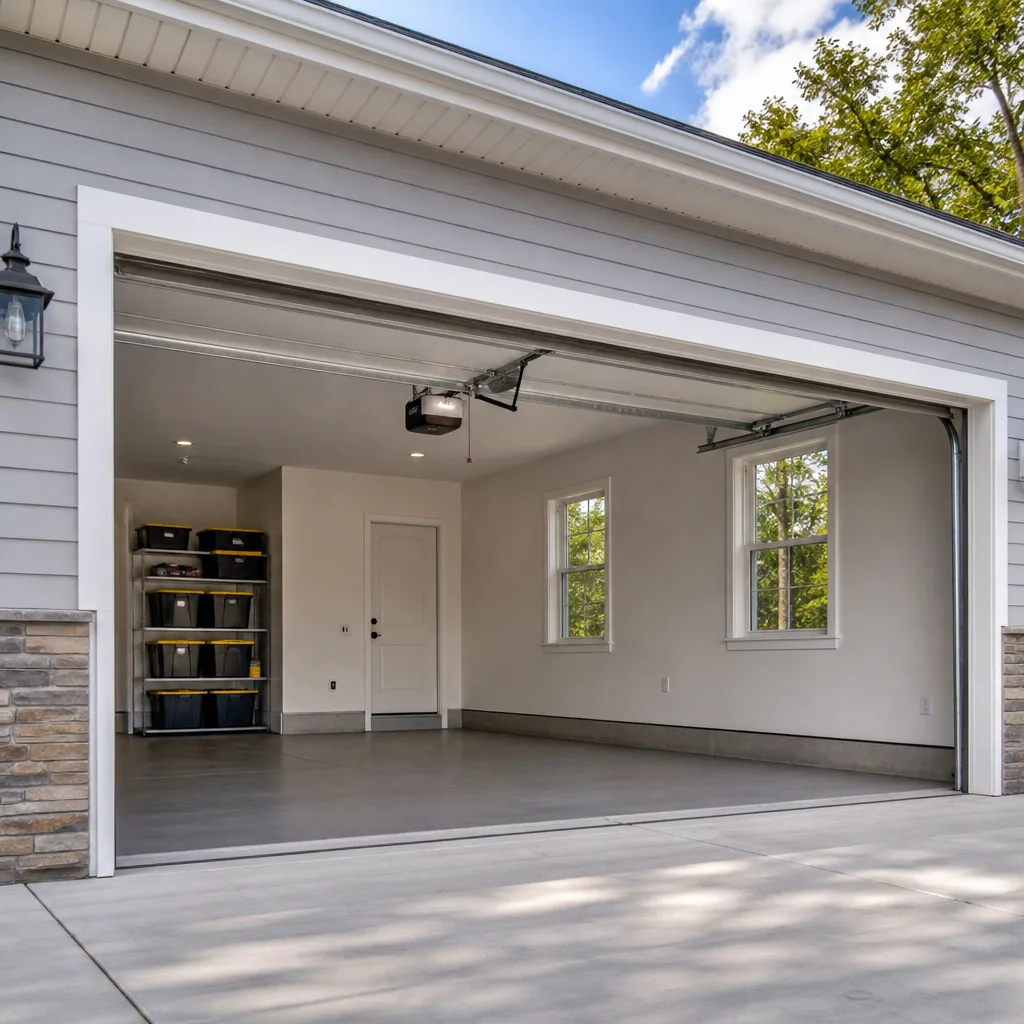 LiftMaster openers
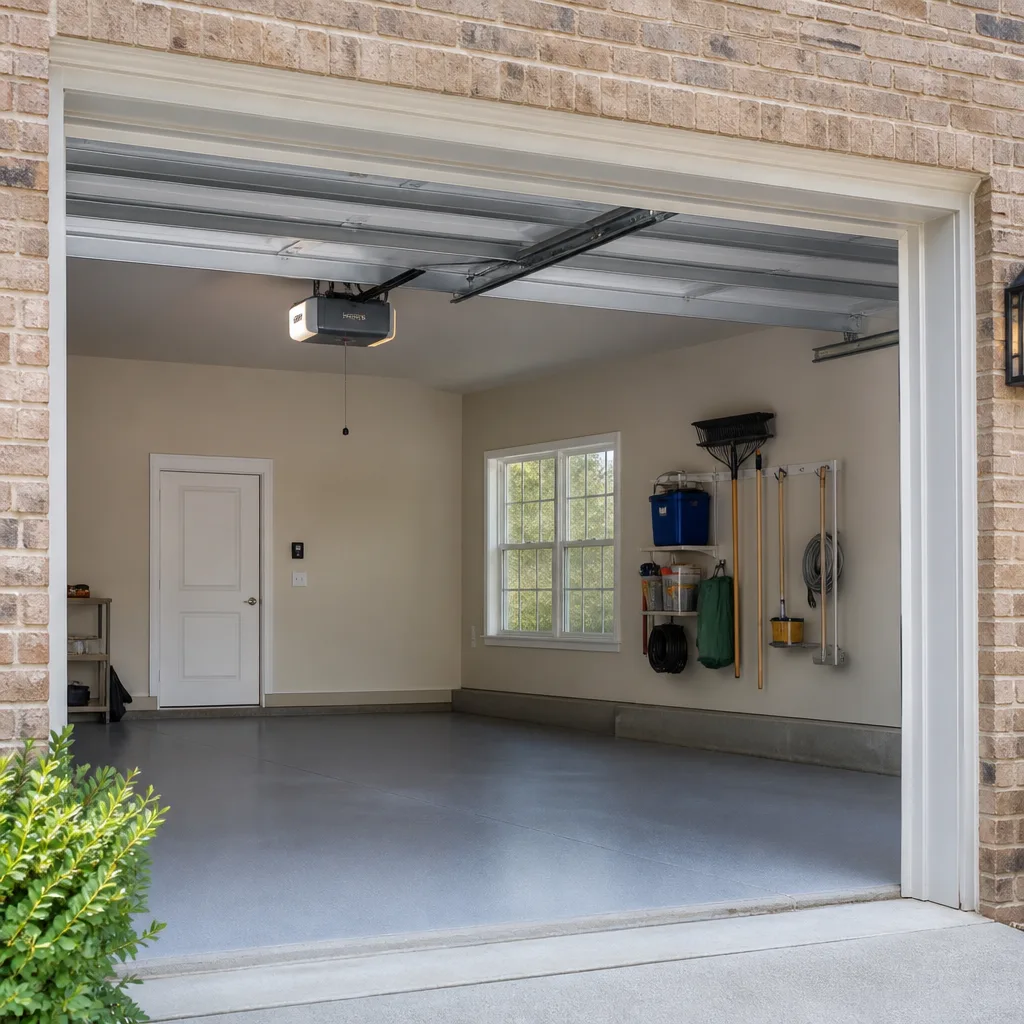 Chamberlain openers
Full 25-point door and opener safety check with every visit - springs, cables, rollers, tracks, and your LiftMaster or Chamberlain opener included
You get a price before we start. It does not change when the truck arrives.
Get your free estimateGarage Door Warning Signs: An Arleta Homeowner’s Reference Guide
Most garage door guides hand you a list of symptoms and leave it there. A door that shakes. A grinding noise. An opener that hesitates. What they don’t tell you is that two different problems can sound nearly identical, and only one of them means your door is days away from dropping. A loose roller rattles. A fraying cable under full spring load also rattles, but with a slightly different pitch, a different rhythm. Knowing which is which is the difference between scheduling a repair at your convenience and standing in your driveway at 7am with a door that won’t lift and a car trapped inside. This guide sorts Arleta‘s most common garage door warning signs by root cause, urgency, and what to actually do about them, so you can tell the difference.
Styles & brands we work with
- Raised-panel steel
- Carriage house
- Modern flush
- Full-view glass
- LiftMaster openers
- Chamberlain openers
Quick Answer
The most common garage door warning signs in Arleta are grinding or squealing during operation, a door that drifts down when stopped halfway, an opener that works intermittently, visible cable fraying near the bottom roller, and a door that shakes or shudders while moving. If you see cable fraying or your door drifts more than 6 inches on a balance test, stop using the door and call a professional. Most other signs can be watched for a few days, but any noise that changes pitch or gets louder means wear is accelerating.
Table of Contents
- The Three Noise Signatures: Roller, Track, and Chain-Slip
- How to Check for Cable Fraying From Outside the Door
- Why an Intermittent Opener Is More Urgent Than a Dead One
- The 60-Second Balance Test and What It Tells You
- Arleta-Specific Wear Patterns: What Your Driveway Slope Does to Bottom Seals
- Panel Damage: When a Dent Is Cosmetic and When It Isn’t
- Common Mistakes to Avoid
- When to Call a Professional
- Frequently Asked Questions
- The Bottom Line
The Three Noise Signatures: Roller, Track, and Chain-Slip
Garage doors talk. The problem is that most homeowners hear one thing: “noise.” But the sound a door makes during operation is diagnostic information, and three distinct signatures account for most of what we hear on service calls across Arleta.
Roller wear sounds like a rhythmic, repeating squeak or rumble that happens at the same point in the door’s travel every time. Rollers sit inside the track and spin as the door moves. When the bearings inside a roller wear out, the roller stops spinning freely and starts sliding against the track, producing a high-pitched squeak. When the roller itself gets flat spots or the nylon shell cracks, you get a rumble or thump. The key identifier is position consistency: the sound happens at the same spot, every cycle, because it’s tied to a specific roller passing a specific point.
Bent track noise sounds metallic and grinding, and it usually gets louder the further the door travels in one direction. A track that’s been nudged out of alignment, whether by a car bumper or years of vibration, forces the rollers to scrape against the rail at an angle. This produces a harsh, grinding sound that’s not rhythmic. It’s constant while the door moves, and it tends to worsen as the door reaches the section of track with the bend. You can often spot this from the ground: look for shiny, polished patches on the inside edge of the track where metal has been scraping metal.
Opener chain-slip sounds like a sharp, intermittent snap or a rattle that comes from the center of the garage, not the sides. This is the sound of a worn drive chain on a LiftMaster or Craftsman opener jumping over a worn sprocket. It’s irregular, not rhythmic, and it’s often accompanied by a slight jerk in the door’s movement. If you hear snapping and see the door hesitate for a split second, you have an opener drive problem, not a door problem.
Why this matters: a roller replacement is quick work. A bent track can usually be corrected without replacing the track itself if caught early. A chain-slip issue, left alone, will eventually chew through the sprocket and leave the opener’s motor running against nothing. In our experience, the fix for all three is faster and cheaper the earlier you catch them. From the opener to the panel, each component has its own sound signature.
Garage door repair that addresses the actual component, not just the symptom, starts with identifying which signature you’re hearing.
How to Check for Cable Fraying From Outside the Door
This is the single most important inspection you can do, and it takes 30 seconds. You don’t need to touch anything. You don’t need to open the door. You just need to stand outside and look.
The cables on a garage door are the thin steel wires that run vertically along both sides of the door, from the bottom roller up to a drum near the top of the track. They carry the tension from the torsion springs. When a cable is healthy, it looks like a straight, smooth metal line. When it’s starting to fail, you’ll see what looks like frizzy hair or a rough patch, individual strands of wire separating from the main bundle. That’s fraying.
Here’s the step-by-step visual check:
- Stand outside the closed door, in the driveway, a few feet back.
- Look at the cable on the left side of the door. Trace it from the bottom roller bracket up to the drum at the top. You’re looking for any spot where the cable looks fuzzy, rusted, or thinner than the rest.
- Repeat on the right side.
- Compare the two cables. One side fraying faster than the other often indicates a balance problem, which is worth knowing about even if the cable hasn’t snapped yet.
The key distinction: surface rust is not automatically a problem, especially in Arleta’s dry climate. Rust can sit on the outside of a cable for years without compromising strength. Fraying, where individual wires are separating or broken, is different. That’s structural. Once a cable starts to fray, it’s under full tension load, and the remaining strands are carrying more than their rated share. A snapped cable releases all the tension from one side of the door, which then drops or jams. That’s the failure mode that turns a routine repair into a dangerous situation and a heavy, awkward door that won’t open.
We work on doors from Wayne Dalton, Raynor, and other major manufacturers, and the cable inspection sequence is the same regardless of brand. If you see fraying, do not operate the door. Do not try to release it manually. Call a professional. The springs and cables on a garage door are under enough tension to cause serious injury, and this is one area where a trained eye matters more than a YouTube tutorial.
Why an Intermittent Opener Is More Urgent Than a Dead One
It sounds backwards. An opener that refuses to work at all is obviously broken, while one that works sometimes is “mostly fine.” But in practice, intermittent operation is the more serious warning sign, and here’s why: a dead opener is a known problem with a known fix. An intermittent opener is a system that’s failing in a way that moves around, and the underlying cause is often something that gets worse the longer it’s ignored.
Common causes of intermittent operation include:
- A failing logic board. These are the brains inside LiftMaster, Chamberlain, and Genie openers. When components on the board start to degrade, usually from heat and age, the opener behaves unpredictably. It might respond to the wall button but not the remote, or work for three days and then ignore all inputs for an afternoon.
- A dying capacitor. The capacitor gives the motor its starting jolt. A weak capacitor means the motor sometimes starts and sometimes hums without engaging. This is often dismissed as “the opener is just being weird” until the capacitor fails entirely.
- Safety sensor misalignment that comes and goes. The photo eyes at the bottom of the door track can drift slightly out of alignment from vibration or a bump. The door then refuses to close on some cycles but not others, which looks random but is actually tied to tiny changes in sensor position.
- A worn drive gear or chain sprocket on a Craftsman or LiftMaster unit. When the teeth on a nylon drive gear start to shear, the door may move sometimes and slip sometimes, depending on temperature and load.
The urgency comes from this: intermittent problems are difficult to nail down without a trained eye, and they don’t fix themselves. A door that works “most of the time” is a door that will eventually fail at the worst possible time, like when you’re already late and the car is inside. More importantly, an opener that’s half-engaging can put uneven strain on the door itself, accelerating wear on other components.
We specialize in garage door opener repair, and when we diagnose an intermittent opener, we’re looking for the root cause, not just resetting the unit and hoping for the best. Fast diagnosis, not guesswork.
The 60-Second Balance Test and What It Tells You
Your garage door’s springs are the single most important component in the entire system. They do the heavy lifting. The opener isn’t designed to lift a full-weight door by itself; the springs counterbalance the weight, so the opener only handles a fraction of the load. When springs weaken, the opener works harder, the cables take uneven load, and the door’s behavior changes.
The balance test is the fastest way to check spring condition without touching anything under tension. Here’s how to do it:
- Close the door.
- Pull the red emergency release handle. This disconnects the door from the opener carriage. The door will be in manual mode.
- Lift the door by hand to about waist height, around 3 to 4 feet off the ground.
- Let go.
What happens next tells you a lot:
- Door stays put or moves less than 3 inches: Springs are in good shape. The door is balanced.
- Door drifts down 3 to 6 inches, then settles: Springs are starting to weaken. This isn’t urgent today, but it’s a warning that replacement is coming, probably within a few months depending on use.
- Door drifts down more than 6 to 12 inches: Significant spring wear. The door is under-sprung, meaning the opener is carrying too much weight every cycle. This accelerates opener motor wear and puts inconsistent load on the cables.
- Door drops quickly or won’t stay up at all: One spring has likely broken, or both are so worn they’re no longer providing meaningful counterbalance. Do not use the door. A broken spring means the remaining components are carrying load they weren’t designed for.
- Lubricating without cleaning first. Spraying lubricant over accumulated dust and grime on the track or rollers creates a grinding paste that accelerates wear. Wipe the track clean with a dry cloth before applying any lubricant, and use a garage door specific product, not WD-40.
- Adjusting spring tension without the right knowledge. Torsion springs are under enormous load, and adjusting them without training is how serious injuries happen. This is the one job where “I’ll watch a video and do it myself” carries genuine risk of broken wrists, lacerations, or worse.
- Ignoring a door that’s slightly off level. A door that hangs a half-inch lower on one side is not “fine.” That asymmetry is loading one spring, one cable, and one track more than the other. The longer it runs that way, the more components wear unevenly, and the more expensive the eventual fix.
- Replacing the opener before checking the door. If your opener is straining, the problem might not be the opener at all. A door with worn springs will make any opener work harder, and a new opener will just burn out faster against the same resistance. Diagnose the whole system, not just the component that’s complaining.
- Assuming a remote problem is a battery problem. A remote that works intermittently from the car but not from the house is often a sensor or logic board issue in the opener itself. Replacing the remote battery and finding it still doesn’t work means you’ve delayed the actual diagnosis.
- Delaying cable inspection because “the door still works.” A frayed cable has already structurally failed. It’s not a warning sign that failure is coming; it’s evidence that failure has begun. The door still works because the remaining strands are holding on, but they will not hold indefinitely.
What the drift tells you is this: a 3-inch drift means the springs have lost maybe 10 to 15 percent of their rated tension. A 12-inch drift means they’ve lost much more, and the door is nearing the point where the springs will either snap or the opener will burn out trying to compensate. Neither is a good option. Garage doors are all we do, and spring replacement is the job we’d rather do on a schedule than as an emergency.
Arleta-Specific Wear Patterns: What Your Driveway Slope Does to Bottom Seals
Arleta’s residential streets and driveways have a particular characteristic that shows up in garage door wear: many homes have driveways that slope, sometimes gently, sometimes more aggressively, toward the garage or toward the street. That slope changes how the door’s weight distributes across the bottom seal when the door is closed.
Here’s what we see on calls throughout Arleta. A bottom seal that’s cracked, compressed, or splitting at the very ends of the door, while the middle section looks fine, is a sign of uneven load distribution. When a driveway slopes, the closed door doesn’t sit perfectly level on the seal. The ends of the seal take more compression weight, especially on the low side. Over time, the rubber compresses permanently, cracks, and loses its ability to keep water, dust, and pests out. The middle looks fine, so the homeowner assumes the seal is fine, and the problem goes unnoticed until a rainstorm leaves a wet line across the garage floor.
This is an Arleta-specific pattern because it’s tied to driveway geometry, not general age. A flat driveway in another city might wear the seal evenly. A sloped driveway in Arleta loads the ends first. The fix is straightforward: replace the bottom seal and, if the slope is significant, check whether the door’s travel limit is set so the door stops with even compression. The strike point matters.
Why this matters beyond the seal itself: a door that sits unevenly on an uneven seal is also a door that’s slightly out of level, which means the tracks and rollers are working at a slight angle. That’s a slow wear multiplier. Catching it early means replacing a $20 seal instead of a worn track and roller set later. We service doors from Clopay, Amarr, and other hardware manufacturers, and this pattern shows up across all of them, because it’s about the driveway, not the door brand.
This guide is written for homeowners in Arleta, where driveway slope is a real factor in how long your door components last.
Panel Damage: When a Dent Is Cosmetic and When It Isn’t
A dent in a garage door panel is the most visually obvious warning sign, but it’s also the most commonly misread. Not all dents are created equal, and the difference between “leave it” and “fix it now” comes down to location and depth.
Cosmetic dents: A shallow dent in the middle of a panel, with no crease, no sharp edges, and no penetration through the steel or aluminum skin, is almost always cosmetic. It doesn’t affect operation. It doesn’t weaken the door structurally in any meaningful way. You can live with it for years. On a Raynor or Wayne Dalton door with a standard panel profile, a single shallow dent is purely an appearance issue.
Structural damage: A dent with a sharp crease, especially one that runs through a panel’s edge or stile, is different. The crease is a stress riser. Every time the door opens and closes, the panel flexes slightly at that crease, and the metal fatigues a little more. Over months and years, the crease can develop into a crack. A cracked panel loses rigidity, which changes how the door tracks, which then loads the rollers and hinges unevenly.
Bottom panel damage is the most urgent. The bottom panel carries the most structural responsibility on the whole door. It holds the bottom roller brackets, the cable attachments, and the bottom seal. If the bottom panel on your garage door takes a hit from a car bumper or a mower, it often deforms at the stiles where the brackets attach. Even if the door still opens and closes, that deformation is changing the geometry of the cable path and roller alignment. Bottom panel damage should always be assessed by a professional, because the failure mode isn’t gradual; it’s a sudden release of tension when the bracket lets go.
The right fix, not the easiest upsell, means telling you when a dent is nothing and when it’s something. Sometimes the answer is “don’t spend money on this.” Other times, panel replacement is the difference between a door that lasts another decade and a door that fails catastrophically next spring.
Common Mistakes to Avoid
When to Call a Professional
Some warning signs are watch-and-wait. Others are stop-and-call. You should call a professional immediately if you see cable fraying on either side of the door, if your door drops more than 6 inches during a balance test, if you hear a loud snap from inside the garage followed by the door refusing to open, or if the door is visibly off level and getting worse. These are the early indicators of a door that’s about to become a much bigger and more dangerous problem. You should also call if your opener is displaying intermittent behavior that you can’t trace to a specific remote or button, because the underlying issue is unlikely to resolve on its own. Garage Door Repair Arleta offers free estimates in Arleta. Call (877) 573-0278. We answer 24/7. Fast dispatch from 7am to 7pm, Sunday through Friday.
Frequently Asked Questions
Garage door repair costs in Arleta depend entirely on what’s failed. A roller replacement is relatively inexpensive. A spring replacement, which usually means replacing both springs as a matched pair, is a higher-ticket job because the parts carry real load. A logic board replacement on a LiftMaster or Chamberlain opener falls somewhere in between. The written estimate sets the final price, and the price is quoted and agreed before any work starts. Call (877) 573-0278 for an exact quote. Estimates are free.
Fast dispatch from 7am to 7pm, Sunday through Friday. We answer 24/7. If you call outside dispatch hours, we’ll book you into the next opening. Same-day service is available for many repair calls, depending on the day and what’s needed.
No hidden escalation. The price is quoted and agreed before any work starts, and the written estimate is the number you approve. If we find something additional during the repair, we’ll tell you before doing anything, with the cost spelled out.
In most cases, yes. We stock common parts for the brands we service, including LiftMaster and Chamberlain opener components and hardware for door brands like Wayne Dalton and Raynor. If a specific panel or custom part needs to be ordered, we’ll tell you upfront and schedule the return visit.
An intermittent garage door usually points to a failing logic board, a weak capacitor, misaligned safety sensors, or a worn drive gear in the opener. These problems don’t fix themselves and tend to get worse over time. This is one sign where calling sooner rather than later saves money.
Arleta’s dry, mild climate is gentler on springs than humid or coastal environments would be, so rust is less of a factor. What shortens spring life here is cycle count. A door that opens and closes four times a day will wear out springs faster than one that cycles twice a day. Most manufacturers rate springs by cycles, and a balance test is the best way to know where yours stand.
The Bottom Line
Garage doors give you warning signs, but only if you know what to listen for and what to look at. A squeak at the same point every cycle is a roller. A grind that gets louder as the door travels is a track. A snap from the center is a chain-slip. Cable fraying is visible from outside the door and is always urgent. An intermittent opener is often more serious than a dead one, because the underlying cause is still failing. And in Arleta, driveway slope accelerates bottom seal wear on the ends, a pattern worth checking even if the middle looks fine. The door tells you what’s wrong. You just need to know how to read it.
Written by the team at Garage Door Repair Arleta, serving Arleta since 2018.
See the difference
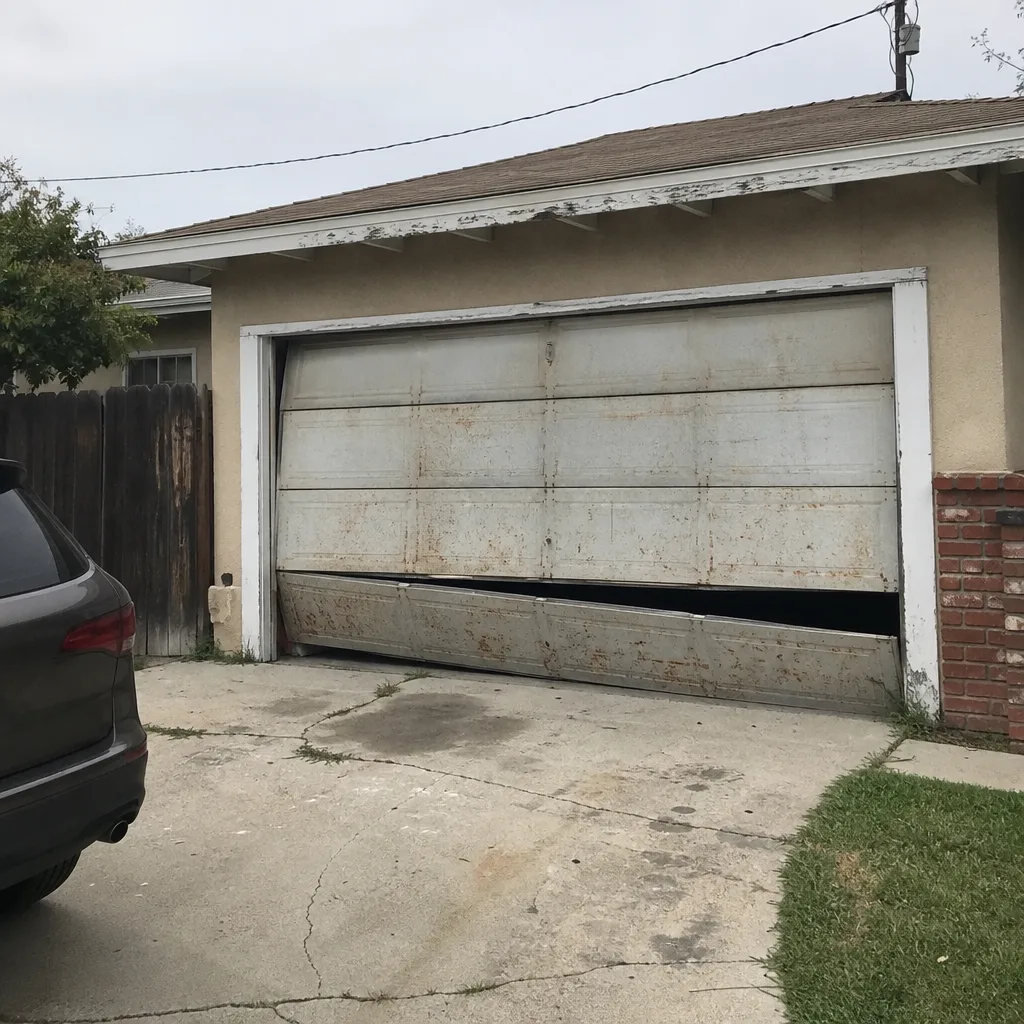 Before
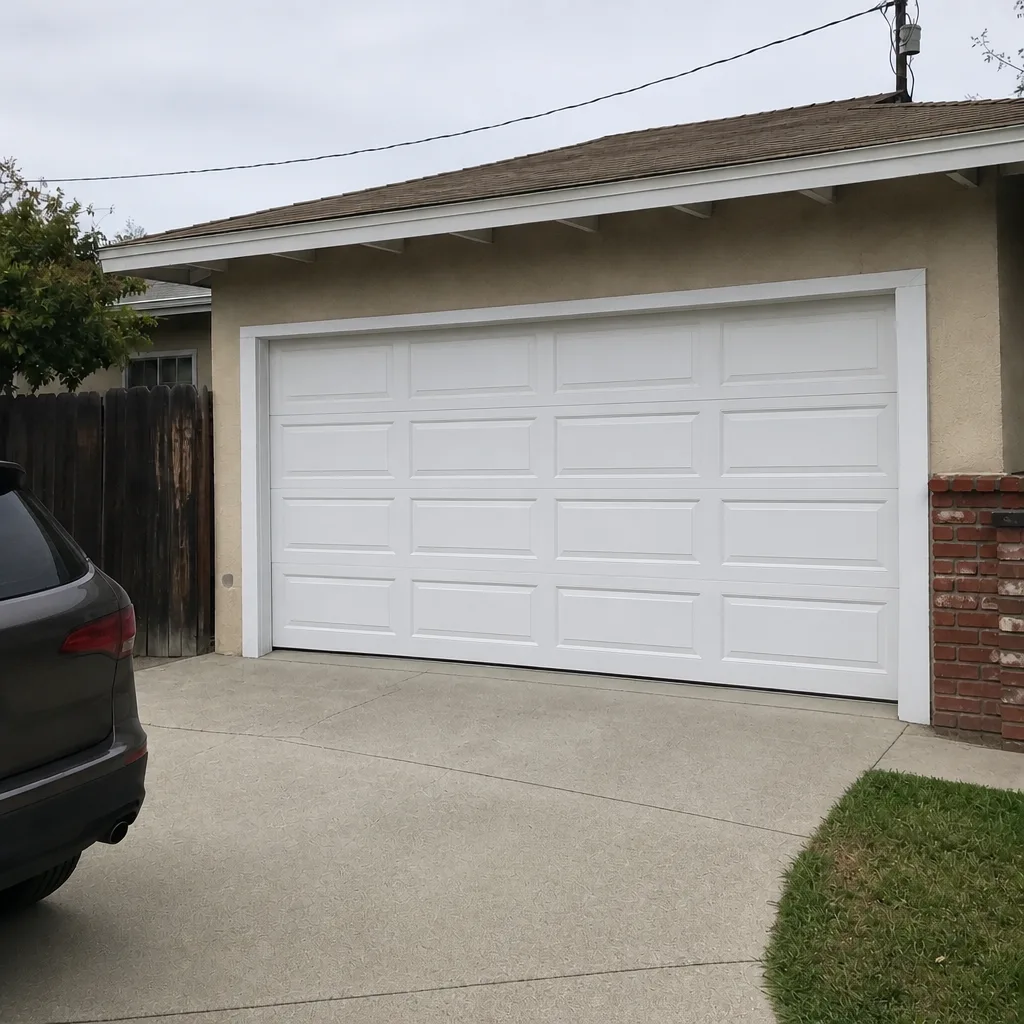 After
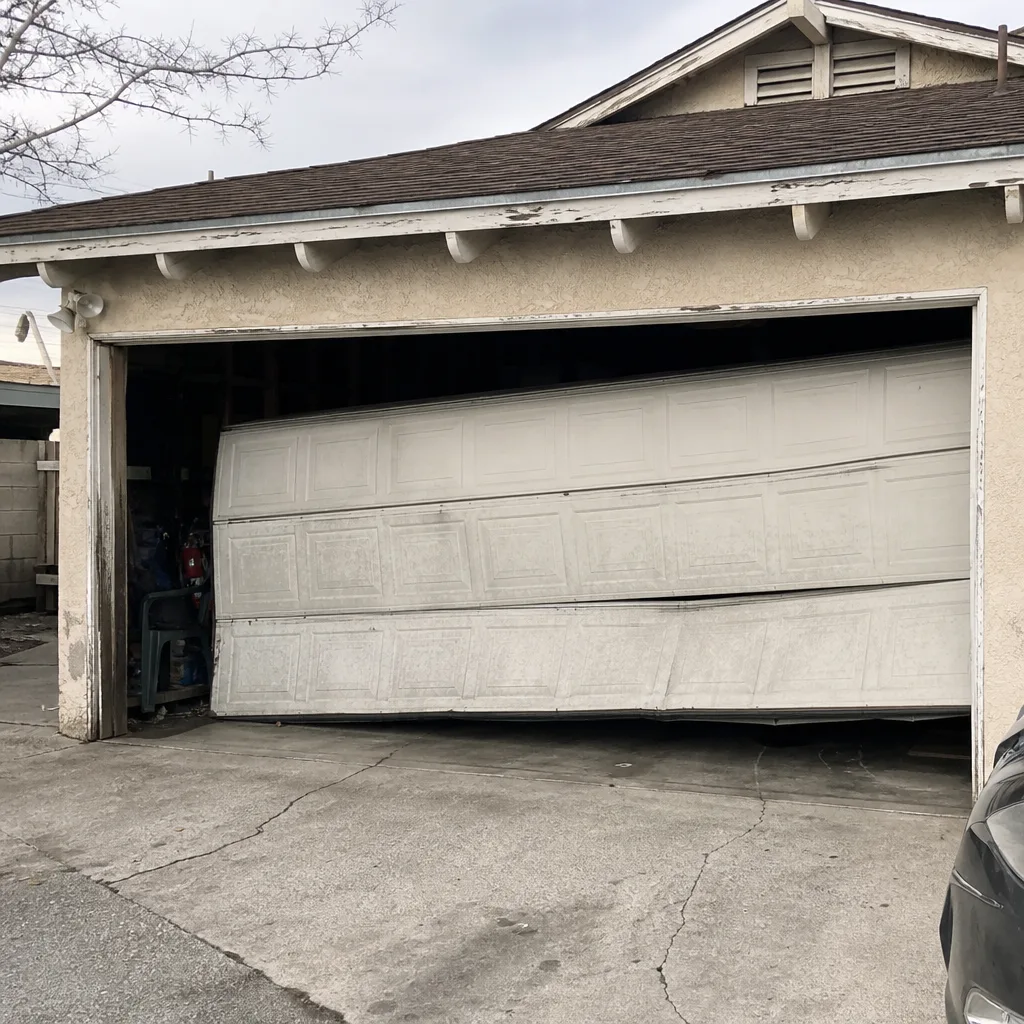 Before
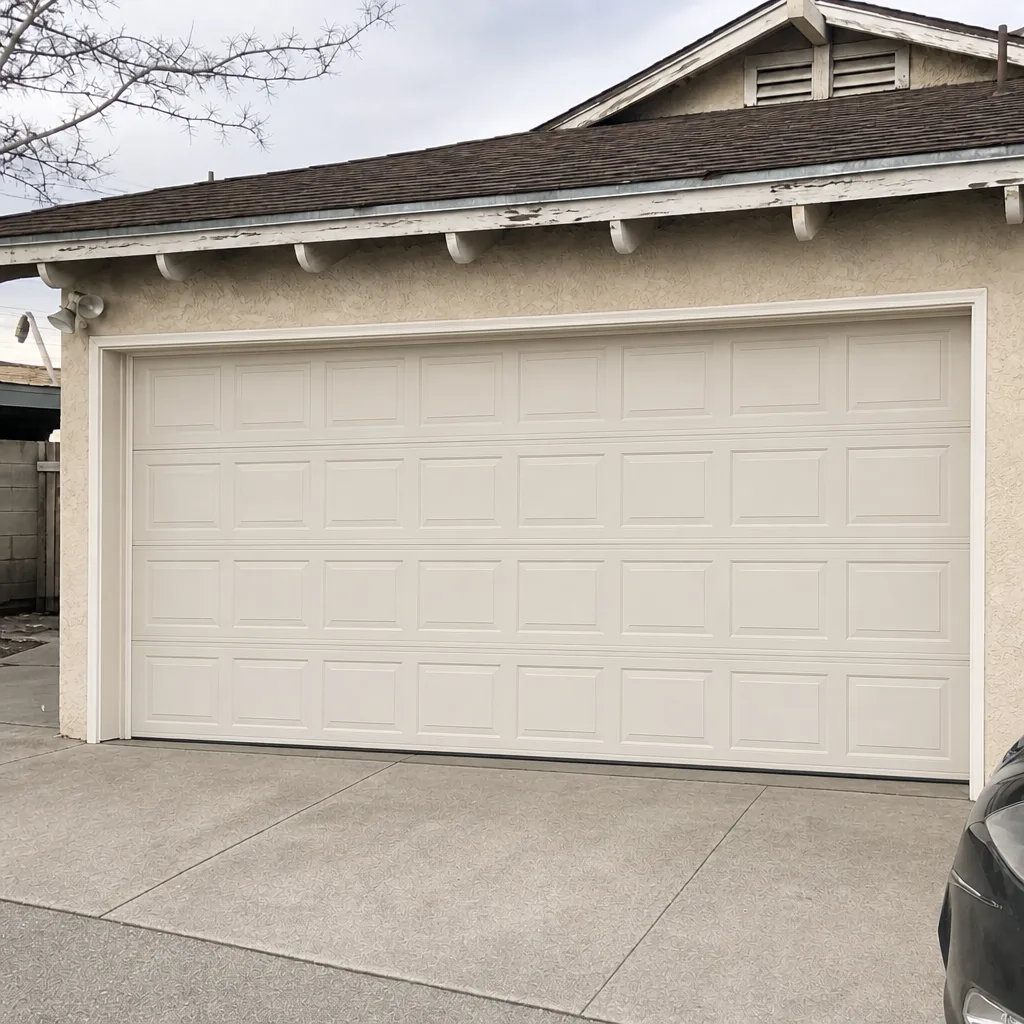 After
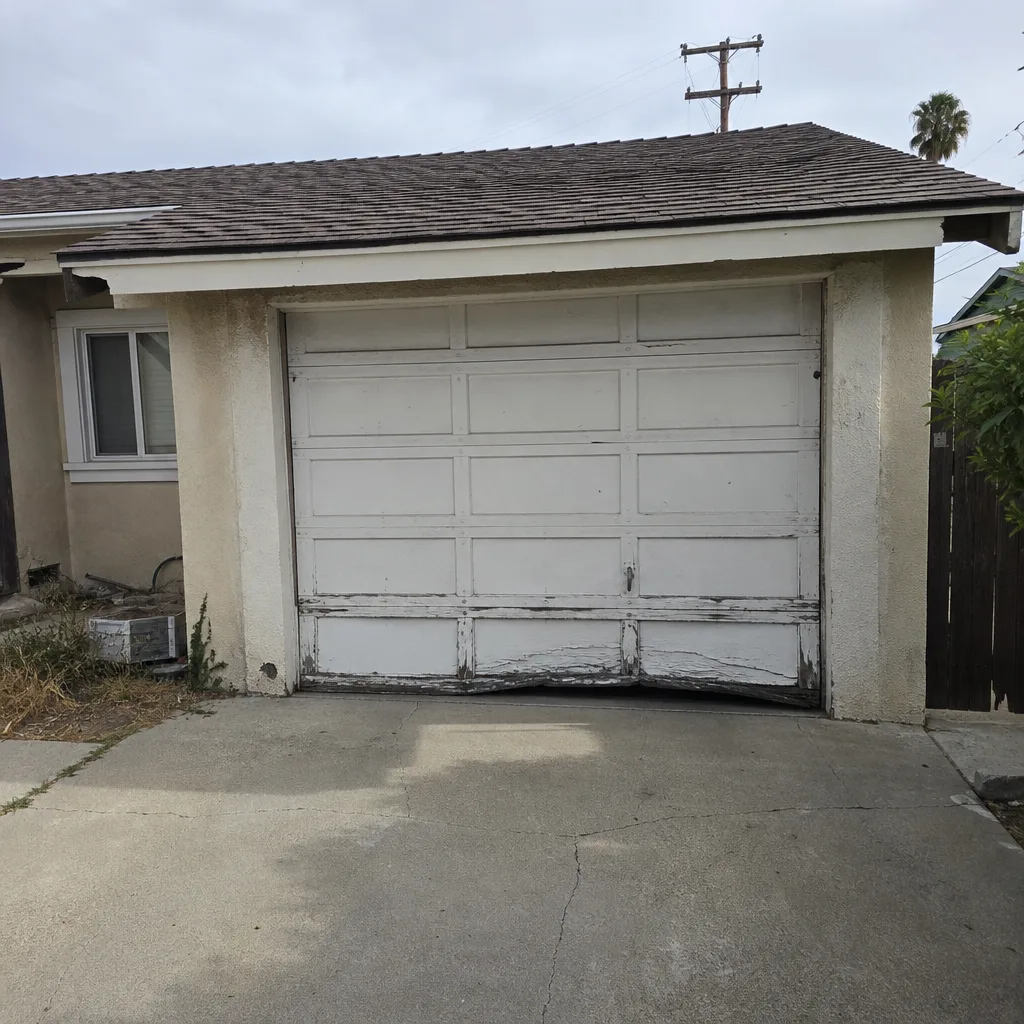 Before
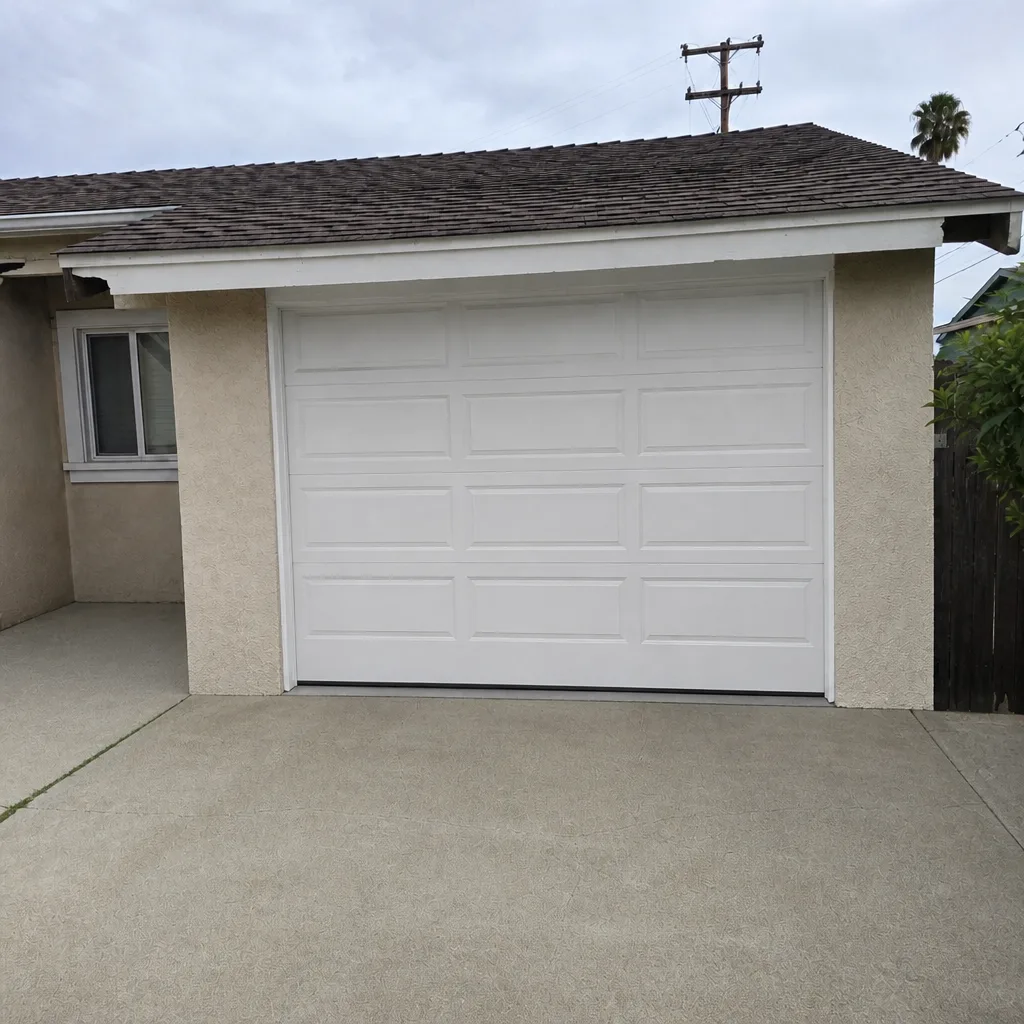 After