
Last updated November 4, 2026
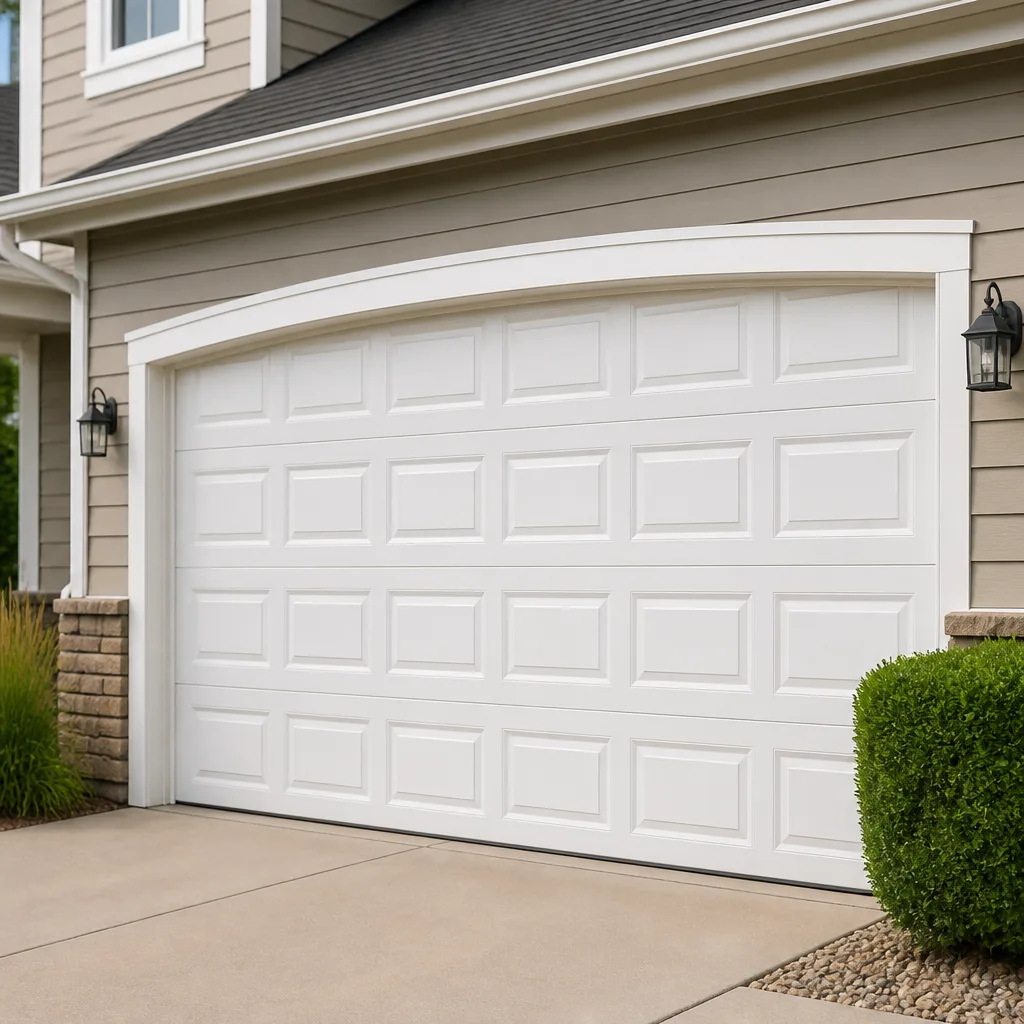 Raised-panel steel
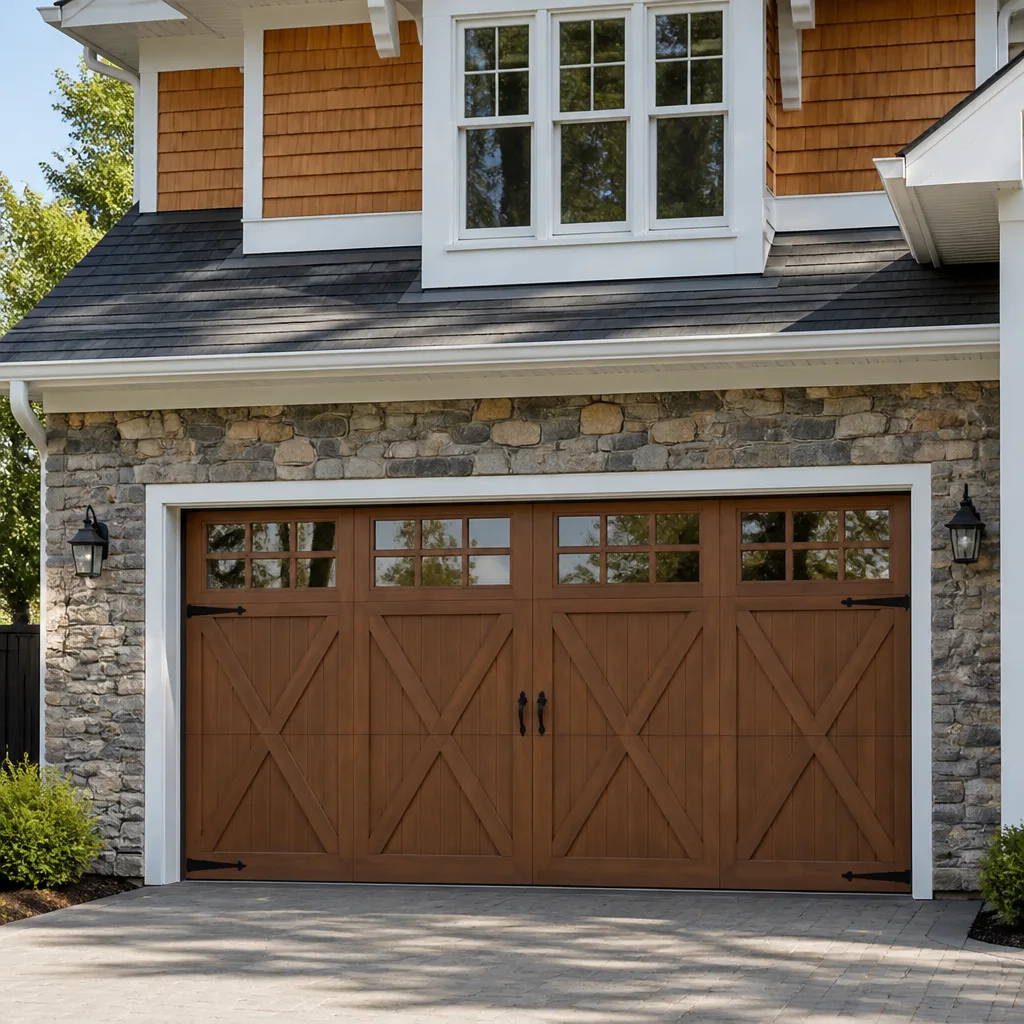 Carriage house
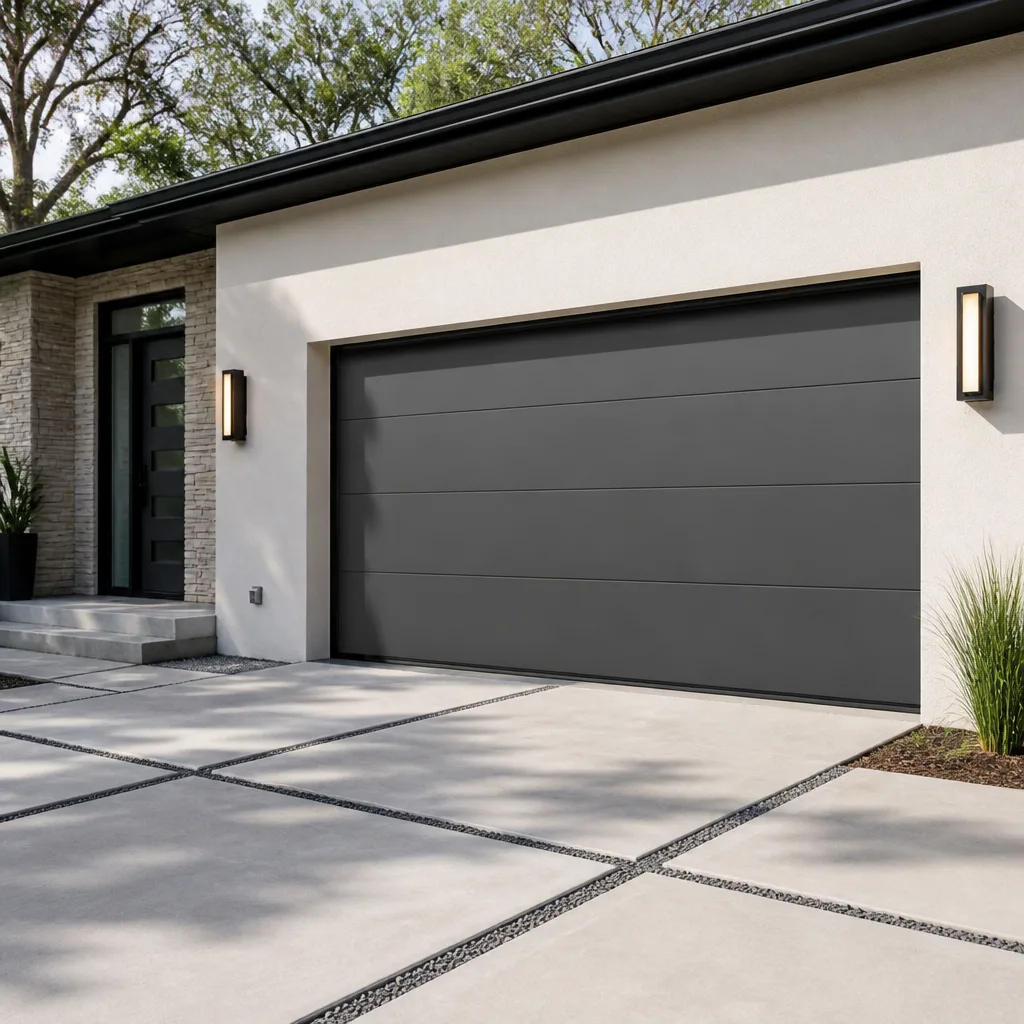 Modern flush
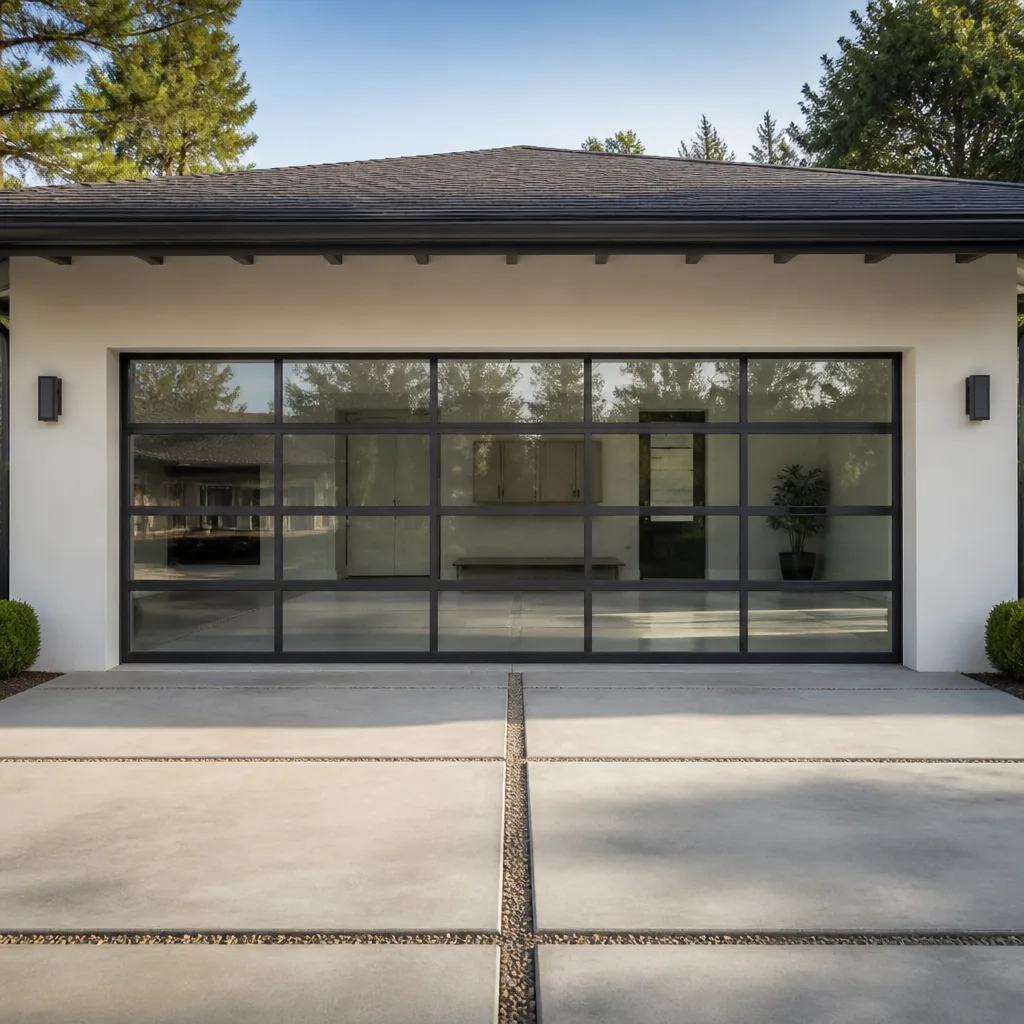 Full-view glass
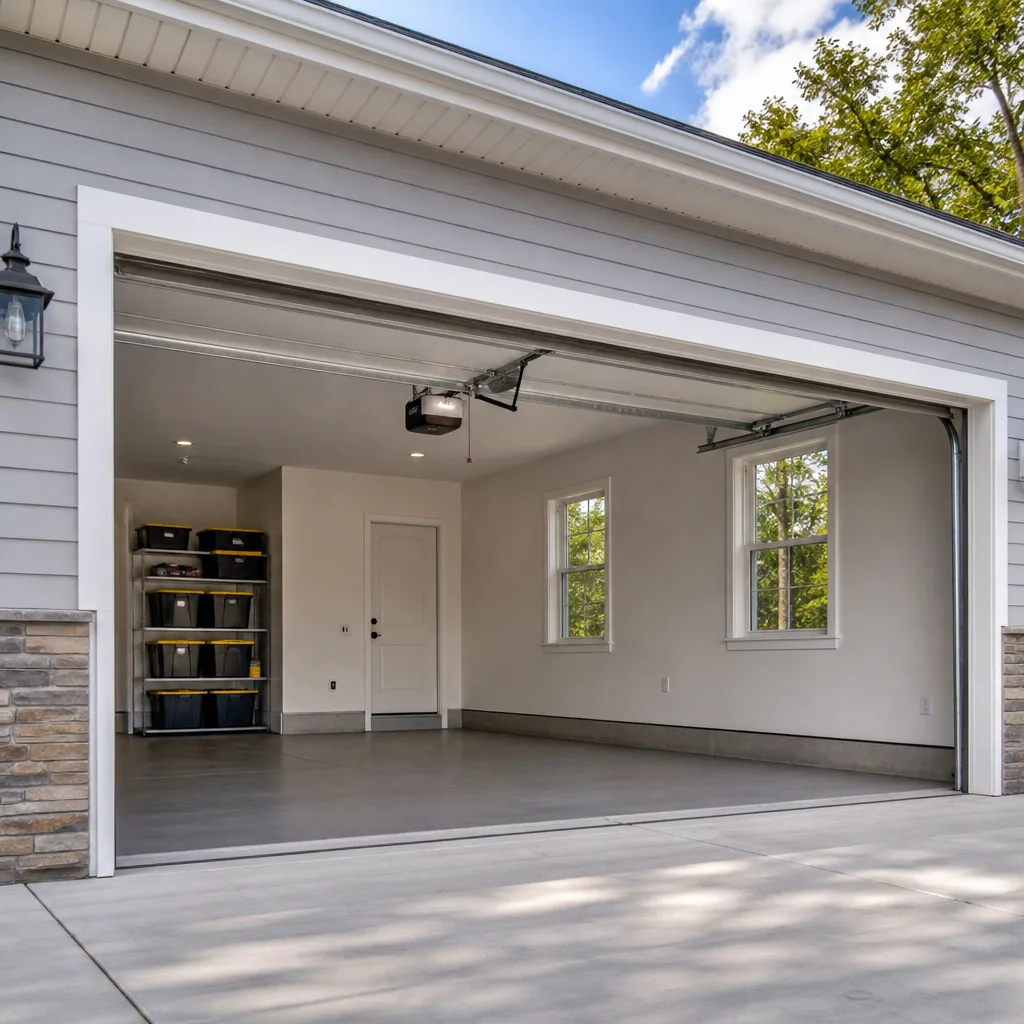 LiftMaster openers
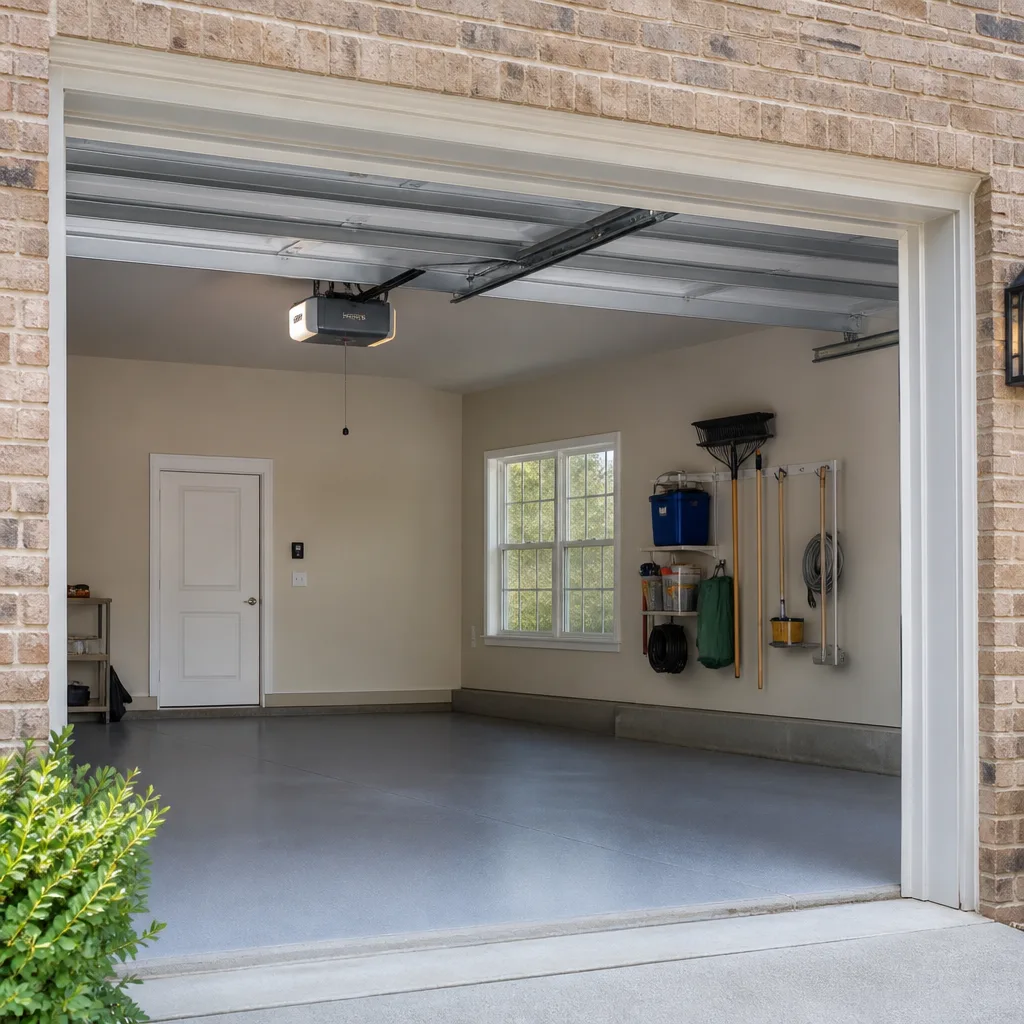 Chamberlain openers
Full 25-point door and opener safety check with every visit - springs, cables, rollers, tracks, and your LiftMaster or Chamberlain opener included
You get a price before we start. It does not change when the truck arrives.
Get your free estimateSeasonal Garage Door Care for Arleta: Year-Round Homeowner’s Guide
Most seasonal garage door maintenance guides follow a generic four-season template written for places with snow, ice, and spring thaws. Arleta doesn’t work that way. Our climate produces three distinct stress cycles that a generic guide never covers: a dust-driven Santa Ana wind season that can pack two months of track and sensor contamination into a single week, a summer heat cycle that changes how torsion springs behave, and a brief cool window that’s actually the best time to replace worn bottom seals before they bake into the concrete. This guide maps maintenance tasks to Arleta’s real weather patterns, so you’re not doing arbitrary calendar chores. You’re addressing the specific wear this valley climate creates, in the right order, at the right time.
Styles & brands we work with
- Raised-panel steel
- Carriage house
- Modern flush
- Full-view glass
- LiftMaster openers
- Chamberlain openers
Quick Answer
Seasonal garage door care in Arleta comes down to three climate-driven priorities: clearing wind-blown dust and debris from tracks, rollers, and photo-eye sensors during Santa Ana events (typically October through March), checking torsion spring tension and lubricating moving parts before and after summer heat cycles, and replacing bottom seals during the December – February cool window before heat hardens them against the concrete. A monthly visual inspection plus a twice-yearly lubrication routine covers most of what Arleta’s climate throws at a garage door system.
Table of Contents
- Why Arleta’s Climate Beats Up Garage Doors Differently
- Santa Ana Wind Season: The Fastest Source of Wear in Arleta
- Summer Heat and Torsion Spring Tension
- The December – February Cool Window: Seal Replacement Season
- Wildfire Smoke Season and Door Finishes
- Arleta’s Month-by-Month Maintenance Calendar
- Lubrication Basics for Arleta’s Dry Climate
- Common Mistakes to Avoid
- When to Call a Professional
- Frequently Asked Questions
- The Bottom Line
Why Arleta’s Climate Beats Up Garage Doors Differently
Arleta sits in the San Fernando Valley, where the weather pattern is defined by long dry stretches, intense summer sun, and periodic wind events that carry fine dust from the surrounding hills and valleys. We don’t get the freeze-thaw cycles that crack seals in colder climates, and we don’t get the heavy rainfall that rusts hardware in other regions. What we do get is a combination of heat, UV exposure, and wind-driven grit that works on garage door components in ways most online guides never mention.
The three stress points that matter most in Arleta:
- Dust and grit infiltration: Santa Ana events and even routine afternoon winds push fine particulate into tracks, roller bearings, and photo-eye sensor lenses. This dust is abrasive. Left uncleaned, it accelerates roller wear and can cause the door to jerk or bind.
- Heat cycling: Summer temperatures regularly push into the 90s and beyond. Steel doors absorb that heat, which transfers to hinges, springs, and the opener motor housing. Over time, this thermal cycling loosens hardware and changes how lubricants behave.
- UV degradation: Continuous sun exposure fades painted finishes, dries out weather stripping, and can cause wood and faux-wood doors to crack if they’re not re-sealed periodically.
Because Arleta’s climate doesn’t announce itself with dramatic weather, the damage tends to be gradual. A door that worked fine in May may start binding in October, not because one thing broke, but because accumulated dust and heat stress finally crossed a threshold. That’s why a seasonal routine built around Arleta’s actual weather, rather than a generic calendar, catches problems before they become a garage door repair call.
Santa Ana Wind Season: The Fastest Source of Wear in Arleta
Santa Ana wind events typically arrive between October and March, bringing strong, dry gusts from the northeast. For garage door systems, the wind itself is less of a problem than what it carries: fine dust, pollen, and small debris that gets pushed into every gap in the door assembly. A single strong Santa Ana event can coat the tracks, rollers, and photo-eye lenses with enough grit to cause visible performance problems.
What the wind does to a garage door system:
- Tracks collect dust and debris: The vertical and horizontal tracks that guide the door are open at the top and bottom. Wind-driven dust settles into the track channels. When the door travels, rollers push that grit along, grinding it into the metal and the roller bearings.
- Photo-eye sensors get coated: The safety sensors near the bottom of the door opening have small lenses. Dust accumulation on these lenses is one of the most common causes of a door that refuses to close or reverses for no apparent reason. The sensor can’t see the beam through the dust.
- Weather seals get loaded with grit: The bottom seal and side seals trap fine particles against the door edge. Once embedded, that grit acts like sandpaper every time the door closes.
- Opener chain or belt picks up dust: If the opener uses a chain drive, dust settles into the chain links and gets pulled into the rail. This increases friction and can cause the opener to work harder than it should.
What to check after a Santa Ana event:
- Wipe the photo-eye sensor lenses with a dry cloth.
- Run a clean rag along the inside of both tracks to remove visible dust.
- Listen for grinding or squealing while the door operates. New noise after a wind event usually means grit got into the roller bearings.
- Check the bottom seal for embedded debris and remove anything that’s caught.
Safety note: Torsion springs are under extreme tension. If you see a gap in a spring or the door suddenly feels heavy when you lift it manually, stop using the door and call a specialist. Spring work is not a homeowner task. We’ve seen Arleta homeowners attempt spring adjustments after wind-driven problems and end up with more damage than the wind caused. Leave spring work to a professional.
For Arleta homeowners, the practical takeaway is simple: after any strong wind event, spend ten minutes checking sensors and tracks. It prevents most wind-related garage door opener repair calls we see this time of year.
Summer Heat and Torsion Spring Tension
Summer in Arleta runs long and hot, with daytime temperatures routinely exceeding 90°F from June through September. That heat affects garage door springs in a way most homeowners never consider: metal expands when it warms and contracts when it cools. A torsion spring’s tension is calibrated for a specific weight and balance point, and temperature changes shift that calibration slightly.
Here’s the practical effect. A spring that’s marginally under-tensioned may work acceptably in winter, when the metal is more compact and effectively stiffer. But during a summer heat wave, the same spring expands slightly, losing a small amount of tension. If the spring was already near the edge of its working range, that summer expansion can be enough to make the door feel heavy, bind mid-travel, or fail to open fully.
Arleta’s fall diurnal swings make this worse. From September through November, daytime highs can reach the 90s while overnight lows drop into the 50s. That’s a 40°F swing, every day, cycling the spring through expansion and contraction. Over years, this thermal cycling contributes to metal fatigue and is one reason springs eventually fail regardless of how well the door is used.
What to watch for in hot weather:
- A door that feels heavier than usual when you operate it manually (with the opener disengaged).
- A door that opens slower than it did a month ago.
- Any visible gap in a torsion spring coil, which means the spring has broken and needs immediate replacement.
- The door stopping partway up, reversing on its own, or struggling in the afternoon heat.
If the door behaves differently on a 95°F afternoon than it does first thing in the morning, the spring tension is likely marginal. A spring replacement involves two springs (they’re replaced as a matched pair), and pricing depends on the spring size and door weight. We work on springs for doors built by Amarr, Wayne Dalton, Clopay, and every other major manufacturer, so the repair is matched to the specific door you already have. Don’t guess at spring size or tension. The written estimate sets the exact price before any work begins.
The December – February Cool Window: Seal Replacement Season
Arleta doesn’t get freezing weather, but the December through February stretch brings the mildest temperatures of the year, with daytime highs often in the 60s and 70s. That cool period matters for one specific maintenance task: replacing the bottom weather seal on your garage door.
Here’s why timing matters. The bottom seal is a flexible rubber or vinyl strip that runs along the bottom edge of the door. During summer, that strip sits against concrete that may reach 120°F or hotter in direct sun. The heat accelerates drying, hardening, and cracking of the seal material. Once a seal hardens, it no longer compresses properly against the concrete, leaving gaps that let in dust, leaves, and even small pests.
If you replace a worn seal during the December – February window, the new seal gets several months of mild temperatures to install cleanly and conform to the concrete before the next heat cycle begins. By the time summer arrives, the seal is well-seated and better able to handle the heat. If you wait until July to replace it, you’re installing the seal directly into the harshest conditions, which shortens its working life.
How to check your bottom seal:
- Close the door fully.
- Look along the bottom edge where the door meets the concrete.
- Check for visible gaps, cracks, or flattening. A healthy seal presses evenly along the entire width.
- Run a flashlight along the bottom edge from inside the garage during daylight. If light shows through, the seal isn’t making contact.
Seal replacement is a straightforward job on most doors, but the seal type must match the door. A Raynor door uses a different seal profile than a Craftsman or Amarr door, and installing the wrong one creates gaps that defeat the purpose. If you’re not sure which seal your door needs, call a Garage Door Repair Arleta specialist. We match the seal to the door brand and model, not just whatever’s in stock.
Wildfire Smoke Season and Door Finishes
Wildfire smoke is an occasional but real factor in Arleta’s climate. When fires burn in the surrounding hills and valleys, smoke and ash drift across the Valley floor. For garage doors, this creates two problems that get overlooked until the damage is already done.
First, ash is mildly abrasive and chemically active. When ash settles on a painted steel door and then gets hit by morning dew or light rain, it forms a thin alkaline slurry that can etch the finish. Left alone, it creates dull spots and can accelerate clear coat breakdown. Second, wood and faux-wood doors are particularly vulnerable. Ash particles settle into the grain and become difficult to remove once moisture binds them. Over time, this can cause discoloration and premature aging of the finish.
What to do after a smoke event:
- Rinse the door with plain water from a garden hose. Don’t scrub it dry – that grinds the ash into the finish.
- For stubborn residue on painted steel, use a mild car-wash soap and a soft mitt.
- For wood and faux-wood doors, rinse gently and let air-dry before assessing whether the finish needs a re-coat.
- Check the weather seals. Ash settles on the bottom seal and can accelerate drying, even in mild weather.
Most Arleta homes have either steel, wood, or faux-wood doors. The finish on wood and faux-wood doors is a maintenance item in this climate regardless of smoke. If the finish is dull, chalky, or showing exposed grain, it’s time to re-seal before the next summer heat cycle locks in the damage. We work on doors from Clopay, Amarr, Wayne Dalton, and Raynor, and can tell you whether your door’s finish needs attention or just a rinse.
Arleta’s Month-by-Month Maintenance Calendar
This calendar is built for Arleta’s actual weather, not a generic four-season template. Each month lists the specific task that matters most given what the climate is doing at that time.
October
Santa Ana season begins. Do a full track and sensor cleaning. Wipe photo-eye lenses, clear track channels, and check for debris in the opener rail. This is the single most important month for preventive cleaning in Arleta.
November
Dust continues to accumulate. Check the bottom seal for embedded grit after any wind event. Test the auto-reverse function to make sure the sensors are clean enough to work properly. If the door reverses unpredictably, clean the lenses again before assuming the sensors are bad.
December
The cool window opens. Inspect the bottom seal for wear and replace it if it’s flattened or cracked. This is the best month to install a new seal, before the heat cycle bakes the current one further.
January
Still cool. Lubricate hinges, rollers, and springs if you didn’t do it in fall. Dry weather makes this a good time to check for squeaks and address them before summer heat increases friction.
February
The last cool month. Complete any remaining seal work. Check weather stripping on the sides and top of the door opening. If you’ve been meaning to replace worn hardware, this is the window before the heat arrives.
March
Warmer days return. Listen to the door in the morning versus the afternoon. If performance changes noticeably with temperature, the spring tension may be marginal. This is the month to have a professional check spring balance before summer arrives.
April – May
Temperatures climb. Check that lubrication is holding up. Dry heat thins some lubricants faster than cool weather does. If the door sounds dry or creaky, re-lubricate after a cleaning pass.
June – September
Peak heat. Watch for heat-related symptoms: slow operation, heavy manual lift, strength differences between morning and afternoon. If the door binds in the afternoon, a spring tension check may be due. Don’t force a door that’s fighting the opener.
Year-round
After any strong wind event, check sensors and tracks. After any smoke event, rinse the door. Once a month, do a 60-second visual check: look at the springs, listen for new noises, and open and close the door once while watching for jerky movement.
Lubrication Basics for Arleta’s Dry Climate
Arleta’s dry air means lubricants don’t get washed away by rain the way they might in other climates, but they also dry out and cake with dust faster. The right approach uses a dry or silicone-based spray lubricant, not a heavy grease. Grease attracts dust, and Arleta has plenty of dust. A light spray lubricant coats the moving surface without creating a sticky film that traps grit.
What to lubricate (and what not to):
- Hinges: Spray each hinge pivot point lightly. Work the door once to distribute the lubricant.
- Rollers: If the rollers have exposed ball bearings, a light spray keeps them moving. If they’re sealed, lubricating the stem where it meets the hinge is enough.
- Springs: A light coat on torsion springs reduces friction between coils as they wind and unwind. Skip this if the spring appears damaged or has visible gaps.
- Tracks: Do NOT lubricate tracks. The rollers need traction to roll properly. Oily tracks cause slippage, noise, and premature roller flat spots.
- Chain or belt: A light spray on a chain is fine. Belts generally don’t need lubrication.
Safety note: Lubricating springs and hinges requires working near the door while it operates. Keep your hands clear of the opening while the door moves. If you’re unsure about reaching overhead components, call us. We work on garage doors all day, every day, from the opener to the panel, and we’d rather do a quick lubrication pass than see you on a ladder you’re not comfortable on.
Common Mistakes to Avoid
- Using WD-40 as a garage door lubricant. WD-40 is a water displacer, not a lubricant. It washes away existing lubricant and leaves moving parts dry. Use a garage-door-specific spray lubricant or a light silicone spray.
- Lubricating the tracks. This is the most common DIY mistake we see in Arleta. Oily tracks collect dust and make the door louder and rougher, not smoother. Tracks need to be cleaned, not oiled.
- Replacing only one spring. Torsion springs are always replaced as a matched pair. Replacing one leaves the door unbalanced and puts extra strain on the new spring. A pair is priced about twice the single-spring rate.
- Ignoring a slow-moving door. A door that opens slower than it did last month is sending a signal. It could be spring tension, a tired opener, or roller wear. Waiting until it stops completely turns a simple fix into a bigger job.
- Checking cosmetics but not seals. A door that looks fine can still have a flattened bottom seal letting dust and pests into the garage. In Arleta, seal condition is a year-round concern, not a winter task.
- Assuming a dirty sensor is a broken sensor. After any windy week in Arleta, photo-eye lenses get coated with dust. Clean the lenses before replacing anything. Most sensor-related openers issues are dirt, not component failure.
- Adjusting springs without the right tools and training. Torsion springs store enough energy to cause serious injury. This is the one component that should never be a DIY project, regardless of what a video shows.
When to Call a Professional
Some maintenance tasks are safe and smart for a homeowner: cleaning sensors, wiping tracks, checking seals, and basic lubrication. Other situations require a specialist with the right tools and training. Call us if you see a gap in a torsion spring, if the door feels heavy when you lift it manually, if the opener makes grinding noises instead of smooth hums, or if the door binds at a specific point every time it travels. Also call if you’ve replaced the same part more than once in a short period. Repeated failures usually mean something upstream is wrong.
Garage Door Repair Arleta offers free estimates in Arleta. We’ll assess the system, tell you what’s actually wrong, and quote the price before any work begins. Call (877) 573-0278. We answer 24/7. Fast dispatch from 7am to 7pm, Sunday through Friday.
Frequently Asked Questions
Twice a year is the minimum in Arleta’s dry climate, once in late fall and again in early spring. If we’ve had multiple Santa Ana events, a mid-season re-lubrication helps flush out any dust that’s settled into moving parts. The dry air doesn’t wash away lubricant, but it does dry it out and let dust accumulate faster than humid climates.
No, that’s a sign of marginal spring tension. Heat causes the spring metal to expand slightly, which reduces tension. If the difference is noticeable, the spring is likely near the end of its working range. Call (877) 573-0278 for a spring assessment. Estimates are free.
Not every year. In Arleta, a quality bottom seal typically lasts two to three years, but the December – February cool window is the right time to check it. If the seal is flattened, cracked, or showing light gaps when the door is closed, replace it before the next summer heat cycle shortens its life further.
Rinse the door with plain water from a garden hose first. Don’t scrub a dry door. If residue remains, use a mild car-wash soap and a soft mitt on painted steel. For wood and faux-wood doors, rinse gently and let air-dry before evaluating the finish. Ash mixed with water forms a mildly abrasive slurry, so always rinse, don’t rub.
Yes, same-day service is available. Call (877) 573-0278. We answer 24/7. Fast dispatch from 7am to 7pm, Sunday through Friday. Closed Saturday.
Photo-eye sensors coated with dust. The sensor lenses face each other across the bottom of the door opening, and wind-driven dust settles directly on them. The door won’t close or reverses because the beam is blocked. Cleaning the lenses with a dry cloth fixes most of these calls without replacing a single part.
The Bottom Line
Seasonal garage door care in Arleta isn’t about following a generic checklist. It’s about understanding the three stress cycles this valley climate creates: Santa Ana wind season from October through March, when dust loads up tracks and sensors; summer heat from June through September, when spring tension shifts and seals bake; and the December – February cool window, when seal replacement and thorough lubrication make the most sense. Do a monthly visual check. Clean sensors after windy stretches. Lubricate twice a year. Check the bottom seal every December. And leave spring work to someone who does this every day. That’s how you keep a garage door running smoothly in Arleta without over-maintaining it.
Written by the team at Garage Door Repair Arleta, serving Arleta since 2018.
See the difference
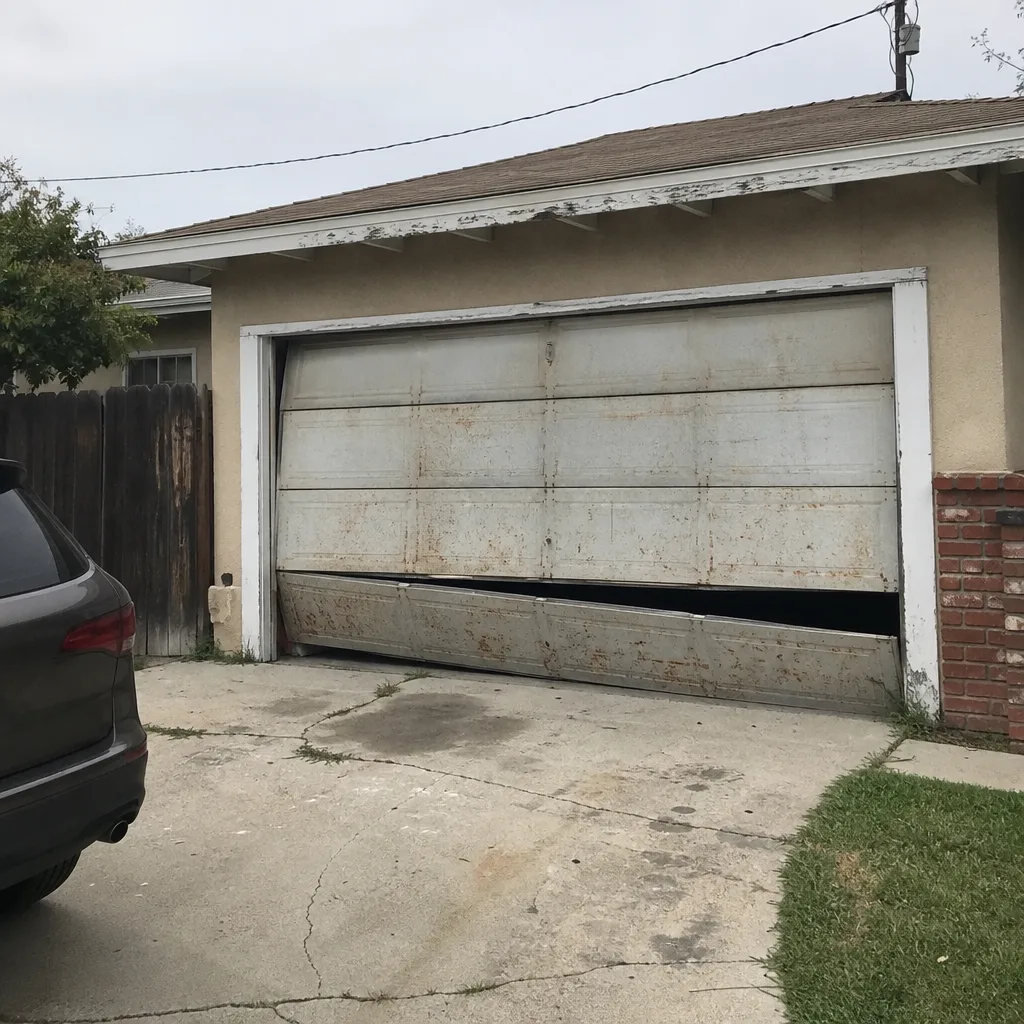 Before
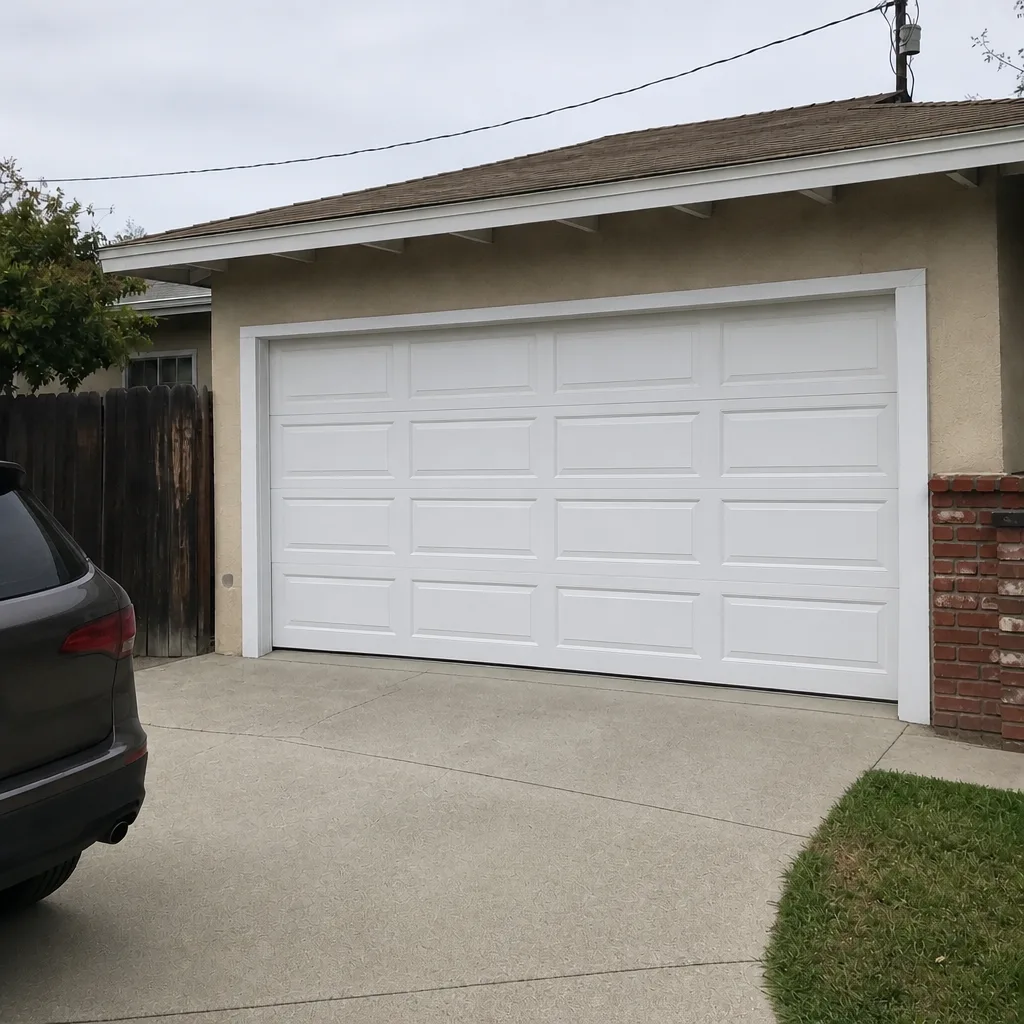 After
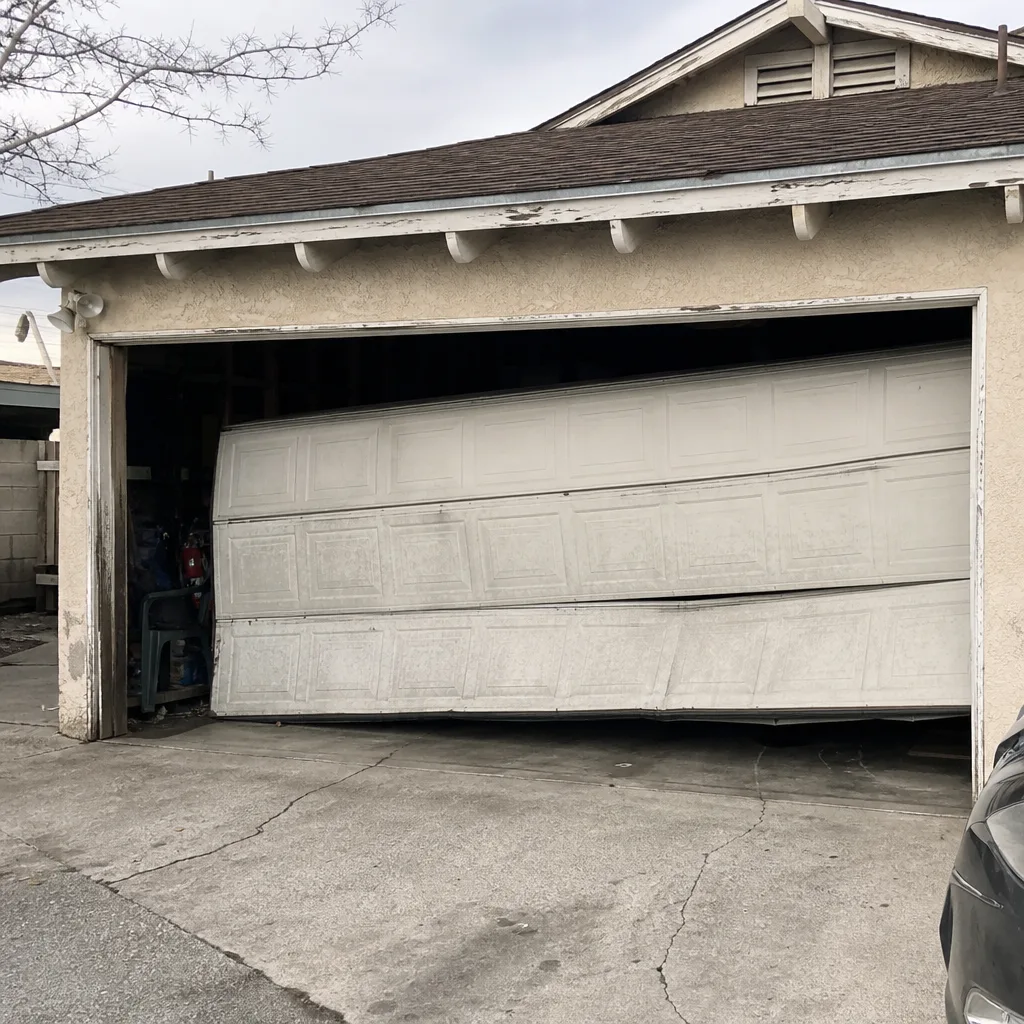 Before
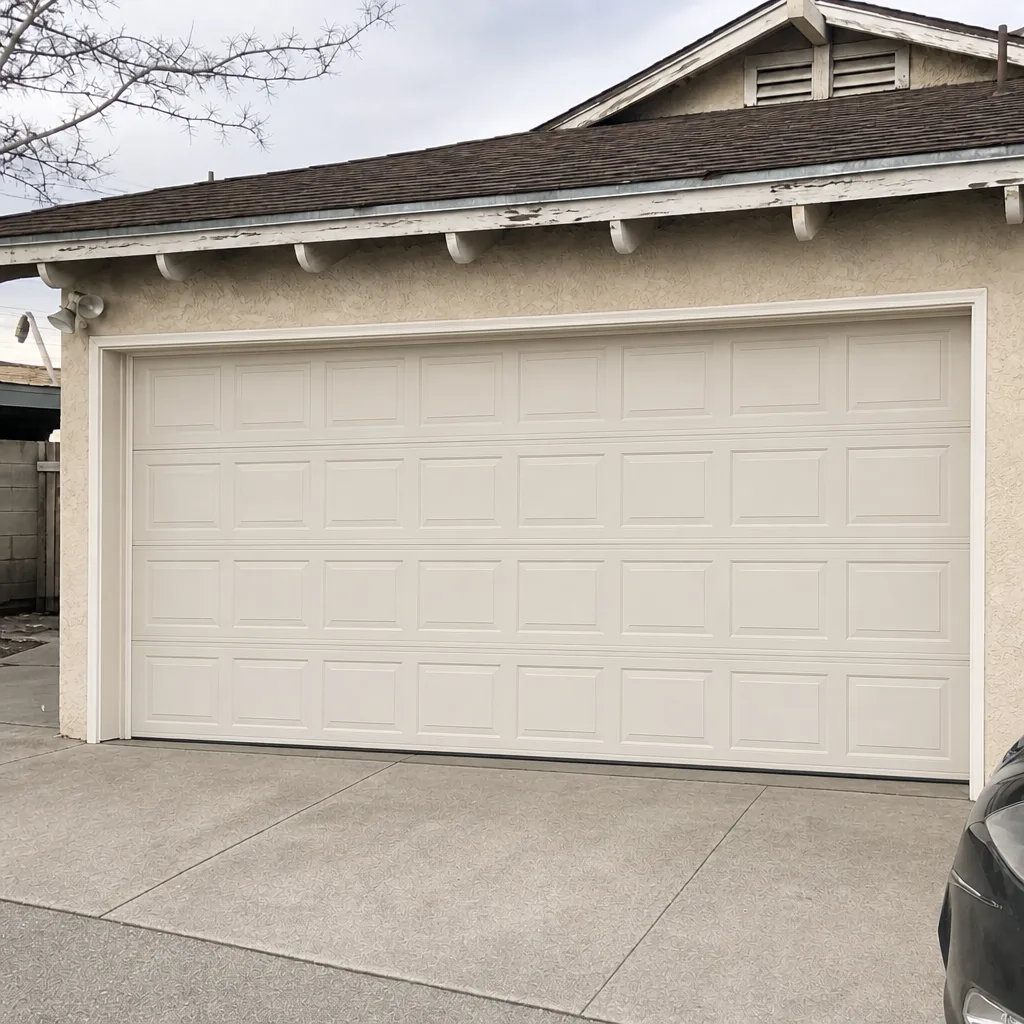 After
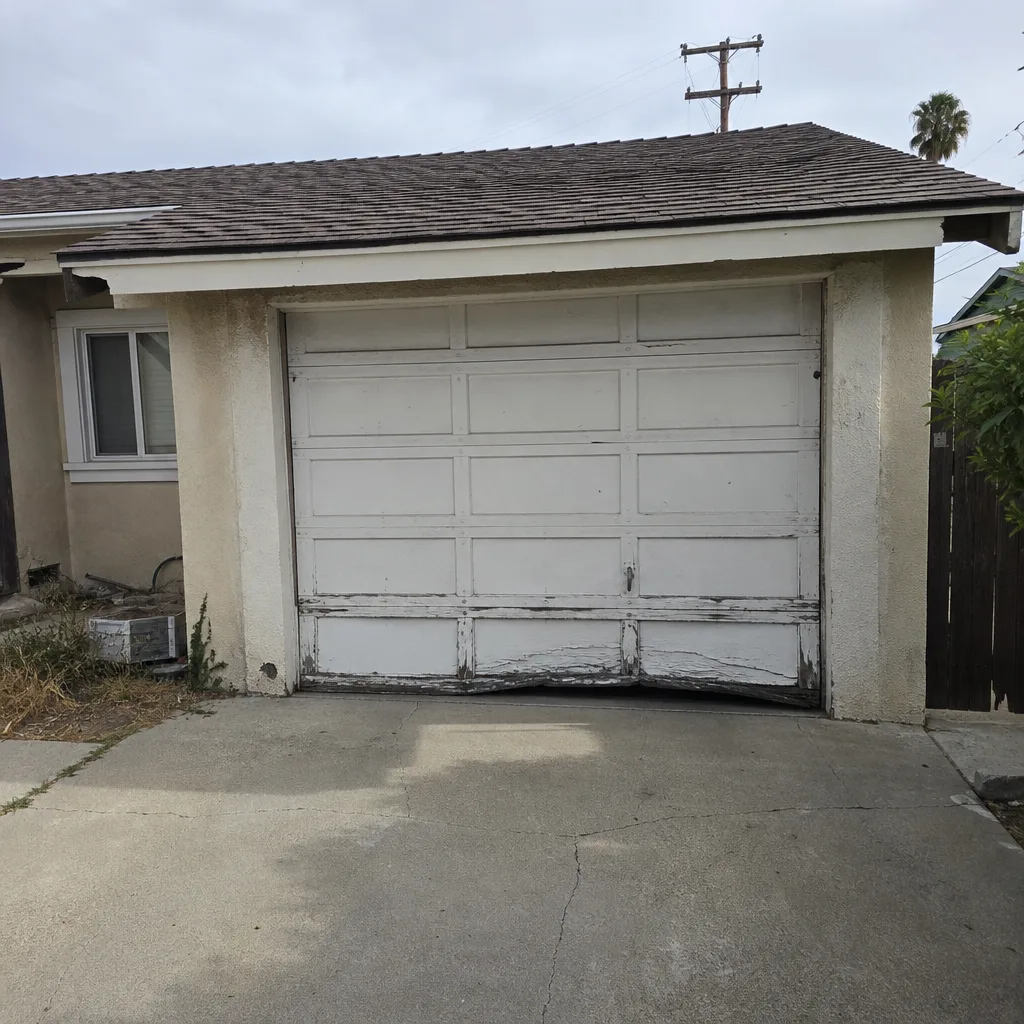 Before
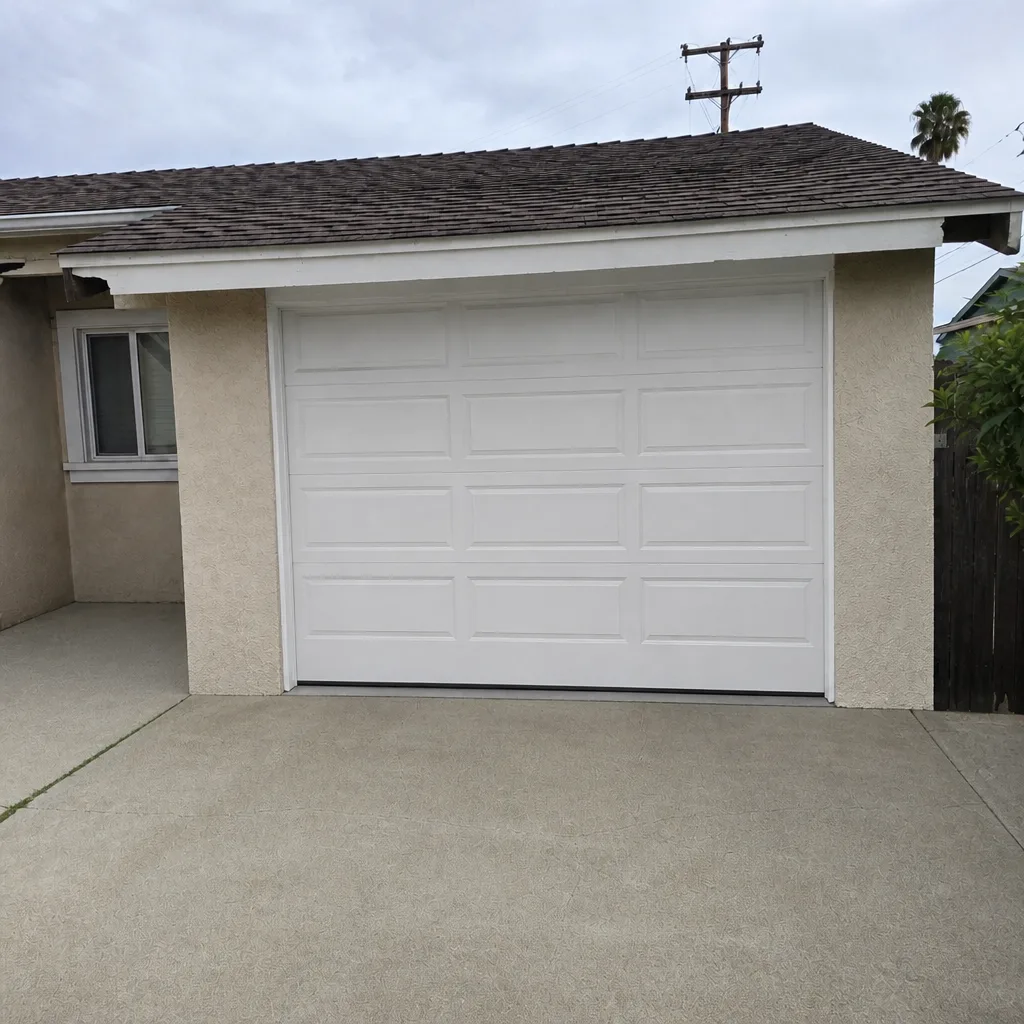 After