
Last updated November 4, 2026
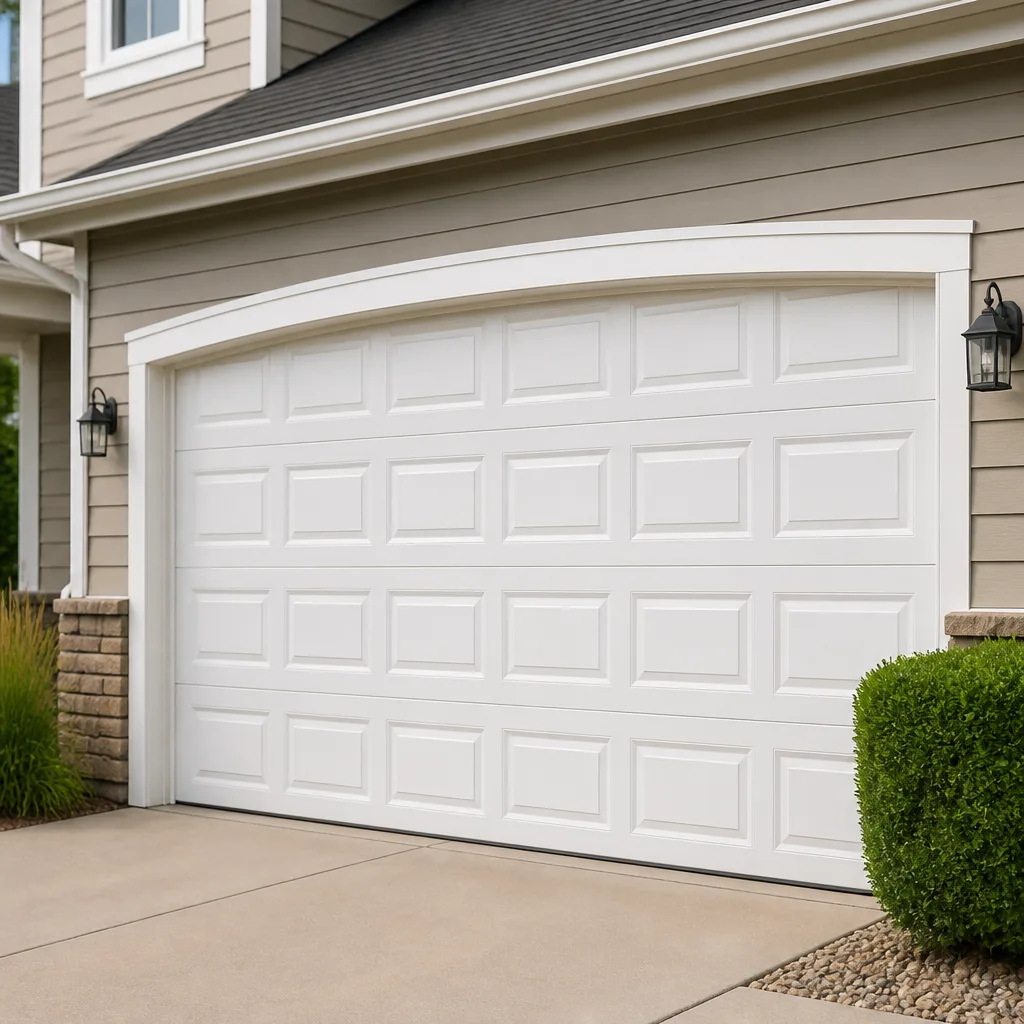 Raised-panel steel
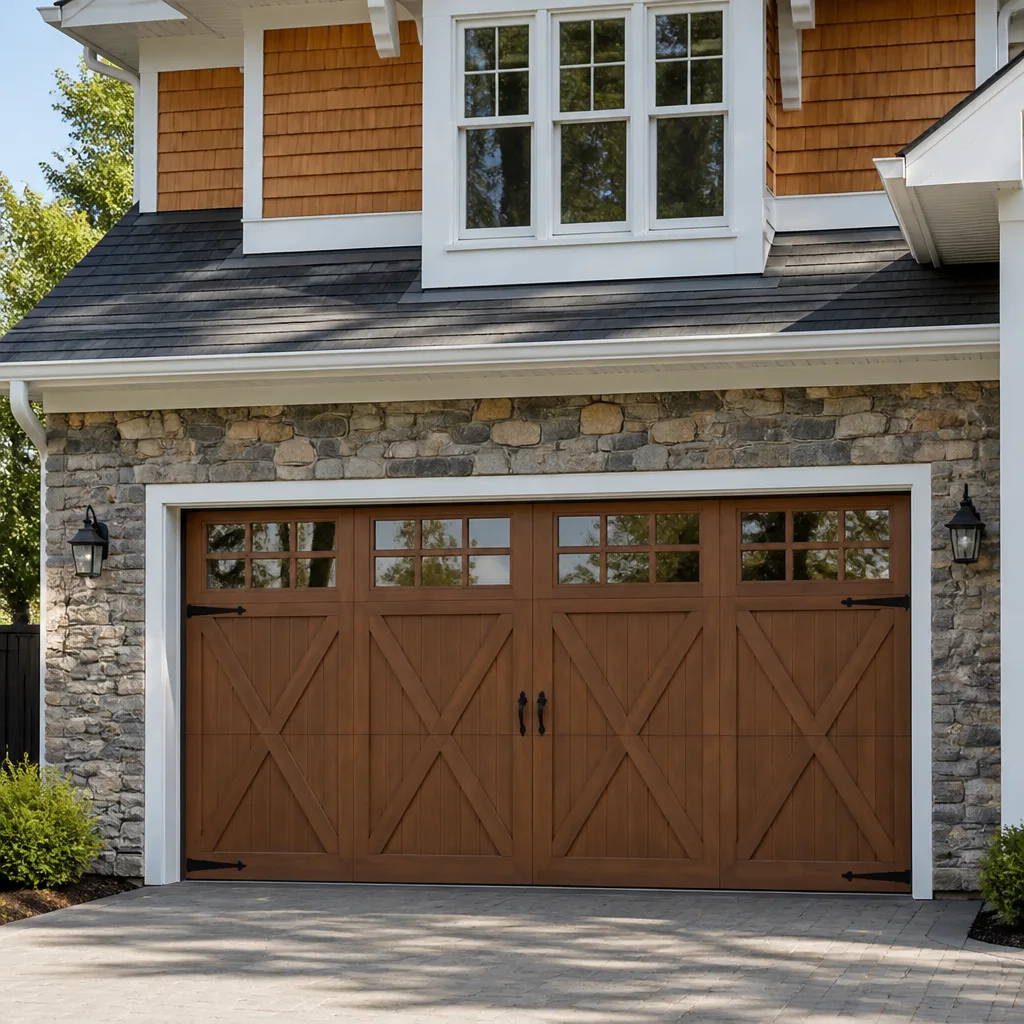 Carriage house
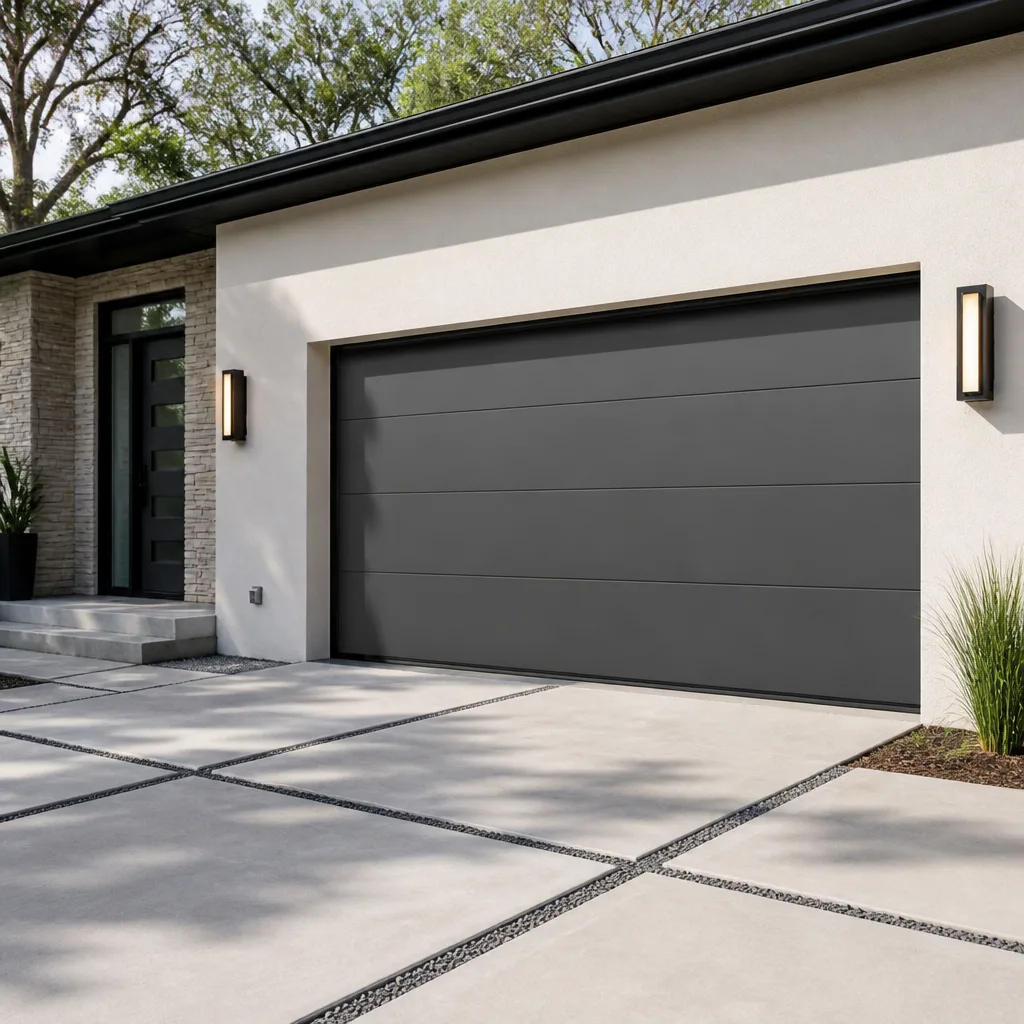 Modern flush
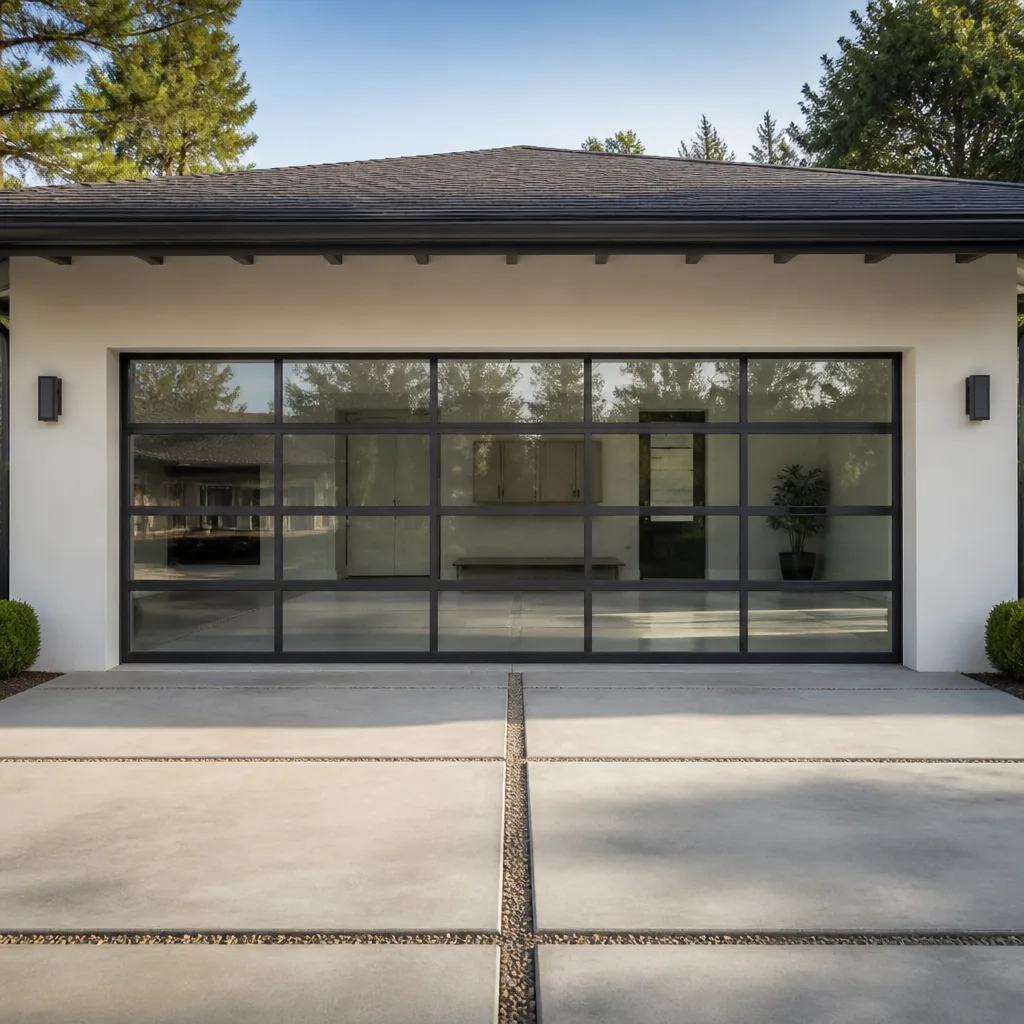 Full-view glass
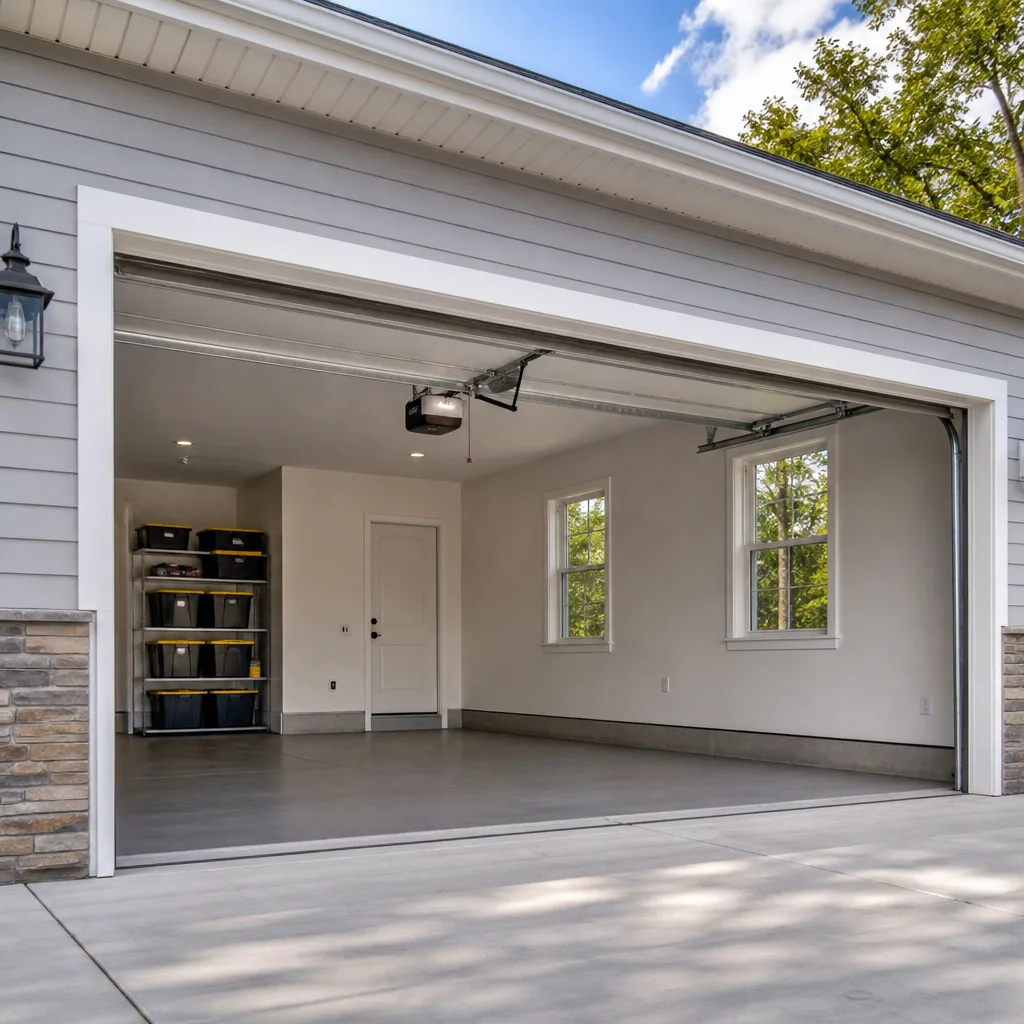 LiftMaster openers
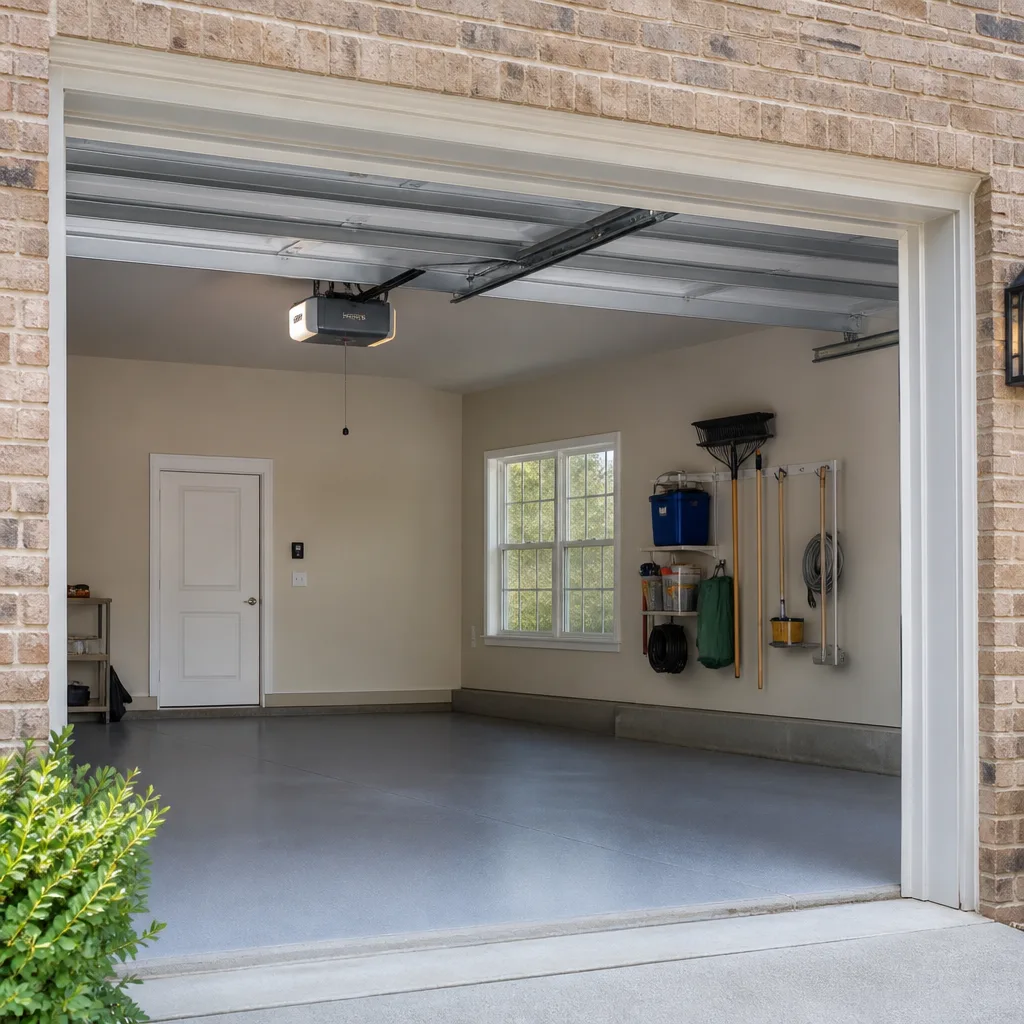 Chamberlain openers
Full 25-point door and opener safety check with every visit - springs, cables, rollers, tracks, and your LiftMaster or Chamberlain opener included
You get a price before we start. It does not change when the truck arrives.
Get your free estimateGarage Door Repair Troubleshooting in Arleta: Common Problems and How to Fix Them
Your garage door is not broken. It is telling you exactly what is wrong. The grinding noise, the lurch on the way up, the gap on one side when it closes: each symptom maps to a specific mechanical component, and misreading those signals is how homeowners in Arleta end up paying for the wrong repair. This guide walks you through the five failure patterns we see most often, how to isolate the source in about ten minutes, and which problems you can safely investigate versus which ones require a trained technician with the right tools and tension awareness.
We will show you how to read the door’s behavior like a diagnostic checklist, not a vague list of possible causes. By the time you finish, you will know whether you are dealing with a spring, a cable, a roller, an opener circuit board, or a track alignment issue, and you will know how to describe it to a technician so the first visit is the only visit.
Quick Answer
Most garage door problems in Arleta fall into one of five mechanical patterns: spring fatigue, cable wear, roller degradation, track misalignment, or opener logic failure. You can isolate which one you have by disconnecting the opener and running the door by hand. If it is heavy, stiff, or uneven, the problem is mechanical. If it moves smoothly by hand but misbehaves under power, the problem is electrical. From there, matching the specific sound and movement to the component tells you whether it is safe to adjust yourself or whether you should call a garage door specialist.
Styles & brands we work with
- Raised-panel steel
- Carriage house
- Modern flush
- Full-view glass
- LiftMaster openers
- Chamberlain openers
Table of Contents
- Symptom-to-Component Mapping: What Your Door Is Saying
- The Manual Test: Isolating Mechanical vs. Electrical Failure
- Why Arleta’s Temperature Swings Change Your Door’s Behavior
- What Is Safe to Investigate Yourself (and What Is Not)
- The Five Most Common Garage Door Problems in Arleta
- How to Document Your Problem for Faster Phone Diagnosis
- Common Mistakes to Avoid
- When to Call a Professional
- Frequently Asked Questions
Symptom-to-Component Mapping: What Your Door Is Saying
Every garage door failure produces a signature. The sound, the speed, the hesitation, the angle: these details point to a specific component, and knowing the map means you stop guessing and start diagnosing. Here is what a malfunctioning door in Arleta sounds like, and what each sound means.
Grinding or metal-on-metal scraping. A grinding noise that follows the door’s movement almost always points to rollers running dry or failing bearings inside the roller wheel. On a Clopay door with steel rollers, the sound is sharper. On an Amarr door with nylon rollers, the sound is softer but still noticeable. If the grinding is accompanied by visible metal shavings on the track, the rollers are chewing through themselves and the track is wearing with them.
Popping or snapping during travel. A popping sound, especially one that repeats at the same spot in the door’s travel, is usually a section hinge that has loosened or a track bracket that is shifting under load. It can also be a cable catching on a frayed strand. Popping is not as serious as grinding, but it means something is moving that should not be.
Slow, labored descent when closing manually. A door that drifts down slowly or feels heavy in your hands points to spring tension that has dropped below spec. Torsion springs lose tension as they age, and extension springs stretch out. Either way, the door’s weight is no longer balanced, and the opener, or your arms, are doing the spring’s job.
Lurching or jerking on the way up. If the door jumps instead of gliding, you likely have a track that has come out of parallel. The rollers bind in one spot, then release, which creates the lurch. It can also be a bent section or a cable drum that has slipped on Wayne Dalton hardware.
A hollow rattle at rest. A rattle that happens when the door is closed and the house is quiet usually comes from a loose strut or a top fixture that has worked itself free. It is often harmless, but it signals that fasteners are loosening, which eventually leads to structural flex.
Knowing which sound maps to which component changes the conversation when you call for garage door repair. Instead of saying “it makes a noise,” you can say “the rollers grind and there is metal dust on the track,” and the technician arrives knowing what to expect.
The Manual Test: Isolating Mechanical vs. Electrical Failure
The single most useful diagnostic step you can take before calling a professional is the manual test. It takes about two minutes and splits every garage door problem into one of two categories: mechanical or electrical. Here is how to run it, in order.
- Close the door fully. Make sure the opener is still connected and the door is resting in the closed position. This is the safest starting point because the springs are holding the least stored energy at full close or full open.
- Pull the emergency release cord. The red handle hanging from the opener rail disconnects the carriage from the drive chain or belt. Pull it straight down, not at an angle. You will hear a click when the carriage releases.
- Lift the door by hand. Grasp the door by the bottom edge or the lift handle if one is installed. Lift steadily. You are testing two things: how heavy the door feels and how smooth the travel is.
- Stop the door at waist height. Let go. A properly balanced door will hold its position or drift only slightly. A door that slams shut has a spring failure. A door that shoots upward has over-tensioned springs. Either is a spring problem.
- Lower the door and reconnect the opener. Pull the release cord again, or run the opener until the carriage re-engages on most LiftMaster and Genie models.
Here is how to read the results:
- Heavy, difficult, or uneven lift: The problem is mechanical. Springs, cables, rollers, or track alignment. The opener is fine.
- Smooth, balanced manual operation, but the opener fails: The problem is electrical. The opener’s logic board, safety sensors, travel limits, or remote receiver.
- Smooth manual operation AND smooth opener operation, but the door stops randomly: The problem is likely the safety sensor alignment or interference on the sensor circuit.
This test is why we tell Arleta homeowners to try it before calling. When a customer tells us the door is heavy by hand, we bring spring and cable hardware on the truck. When they tell us the door is smooth by hand but the opener will not respond, we bring opener diagnostic equipment. That is the difference between a first-visit fix and a second trip.
Why Arleta’s Temperature Swings Change Your Door’s Behavior
Arleta does not get the freeze-thaw abuse that other parts of the country deal with, but it has its own seasonal pattern that affects garage door hardware in ways most guides never mention. The San Fernando Valley runs hot through the summer months, with daytime temperatures that routinely sit in the 90s, and the nights drop noticeably cooler. That daily expansion and contraction cycle puts constant micro-movement on every bolted connection in the door system.
What does that mean in practice? The nuts on track brackets, hinge plates, and spring anchor brackets loosen over a single summer, not over years. A door that ran quietly in June will often start rattling by September, not because anything failed, but because the hardware walked itself loose through thermal cycling. The same pattern applies to wooden frames and stucco anchors around the opening. The building itself expands and contracts, and the door hardware stays fixed, which changes the track geometry by fractions of an inch. Fractions are enough to cause binding.
The second Arleta-specific factor is dust. The Valley’s dry season puts fine dust into the air from late spring through early fall, and that dust settles into every lubricated joint on the door. It mixes with the roller grease and forms a paste that accelerates roller wear. We see more roller failures in late summer and early fall in Arleta than at any other time of year, simply because the dust load has been accumulating for months. A homeowner who lubricates the rollers and hinges with a dry silicone spray in late spring will typically get markedly better roller life through the summer than one who does nothing.
This is not a catastrophic climate for garage doors by any stretch. It is a slow-wear climate. The damage is incremental and easy to miss until the door starts making noise or binding on one side. But it explains why a door that was fine in April suddenly needs attention in November, and why an annual hardware check makes more sense here than in a mild coastal climate.
What Is Safe to Investigate Yourself (and What Is Not)
Most garage door troubleshooting falls into two categories: the things you can inspect and adjust without special tools or significant risk, and the things you should not touch under any circumstances. The line between them is not always obvious, so here it is, clearly drawn.
Safe to investigate:
- Visual inspection of rollers, hinges, and track bolts. Look for cracks, flat spots, loose fasteners, and visible wear. Use a flashlight. Do not put your hands near the moving parts while the door is in motion.
- Safety sensor alignment and obstruction. The photo eyes near the bottom of the track on each side. Check that nothing blocks the beam and that the small indicator lights are steady.
- Remote battery and opener power. Check the outlet, the breaker, and the battery in the remote or keypad. These are the most common opener failures and the easiest to fix.
- Track cleanliness. Wipe dust and debris from the inside of the track with a dry rag. Do not use grease on the track. Grease attracts dust, and in Arleta’s dry season, that shortens roller life.
- Balance test by hand. The manual test described above. It requires no tools and gives you the single most useful diagnostic result.
Hands off. Call a professional:
- Broken torsion spring. A torsion spring is the wound coil above the closed door. If it is split, do not operate the door, do not attempt to unwind or adjust anything, and keep your hands and face away from the spring cones. The stored tension in a partially wound spring can release suddenly, and the resulting injury is severe. This is the single most dangerous component in a residential garage.
- Frayed or partly snapped cable. Lift cables run under high tension when the door is closed. If you see loose strands or a cable that has jumped the drum, the entire assembly is under load. One wrong move with a pry bar can send the cable whipping.
- Track that has pulled away from the wall. A track that has separated from its bracket means the door’s weight is no longer supported the way it was designed to be. Any attempt to open the door risks the door coming off the track entirely, which is a crushing hazard.
- Bent or cracked bottom section. A damaged bottom section is usually accompanied by cable tension imbalance, and the door can shift unexpectedly when moved.
The rule is straightforward: if the part is under spring or cable tension, do not touch it. We genuinely mean that. A garage door specialist who works with these systems every day has the winding tools, the safety protocol, and the pattern recognition to handle a loaded spring assembly safely. The homeowner who tries to save a service call on a torsion spring is taking a risk that no door repair is worth.
The Five Most Common Garage Door Problems in Arleta
The majority of the calls we take in Arleta fall into five patterns. This is not a comprehensive list of everything that can go wrong, but it is the short list that covers most of what homeowners actually experience. Each pattern includes the symptom, the cause, and the fix.
1. Worn Rollers
Rollers are the workhorses of the door system. Every cycle, they roll against the track and carry the door’s weight. When they fail, the door still operates, but the motion gets rough, noisy, and eventually destructive to the track itself. The classic sign is grinding that follows the door’s movement, combined with metal shavings or black rubber dust on the inside of the track. On Genie openers, worn rollers also cause the opener to work harder, which shortens the drive gear life. The fix is straightforward: replace the rollers with nylon-bearing units that run quieter and do not require lubrication. On a Clopay or Amarr door, roller replacement is a same-visit job for a garage door specialist.
2. Broken Torsion Spring
A torsion spring that snaps makes an unmistakable sound: a sharp bang from the center of the door, like someone hit the wall with a hammer. After the bang, the opener will not lift the door because the door is now dead weight. If you run the manual test, the door will be extremely heavy or impossible to lift. This is a spring replacement job, full stop. The spring must be matched to the door’s weight, height, and cycle rating, and both springs on a two-spring door should be replaced at the same time because they fatigue together. This is the highest-priority repair we handle in Arleta, and it is always a call-us situation.
3. Safety Sensor Faults
The photo eyes near the bottom of the track are the most common reason an opener will not close in Arleta. Dust, spider webs, a shifted bracket, or direct sunlight hitting the receiver lens can all trigger the sensor circuit and stop the door from closing. The telltale sign is a door that opens normally from the wall button but refuses to close, or reverses immediately when it hits the floor. Check for obstructions and clean the lenses first. If the amber or green indicator lights are blinking or dark, the sensors may be misaligned or the wiring to the opener may be damaged. This is an electrical fault, not a mechanical one, and the manual test will usually pass with flying colors.
4. Opener Logic Board Failure
LiftMaster and Chamberlain openers use a logic board to manage travel limits, force settings, and safety inputs. When the board fails, the symptoms vary widely: the opener may run for a half-second and stop, refuse to respond to the wall button but respond to the remote, or reverse direction randomly during travel. The logic board is not a user-serviceable part in most cases. Diagnosing it requires opening the opener housing and testing the capacitor, limit switch, and motor relay. We see more logic board failures in Arleta during the summer surge months, likely due to heat accumulation in unconditioned garages where ambient temps push well past 100 degrees. This is a garage door opener repair call, not a DIY project.
5. Track Misalignment
A track that has shifted out of parallel will cause the door to bind, lurch, or rub on one side. The symptom pattern is usually a door that opens partway, then stops, or a visible gap between the door edge and the track seals on one side. In Arleta, track misalignment is often the result of the thermal cycling described earlier: the bracket fasteners loosen over the course of a summer, and the track drifts slightly. In some cases, the track can be realigned by a technician with a few adjustments. In others, the bracket studs have pulled out of the wall and need to be re-anchored. This is a repair that looks simple and is anything but, because a track that is aligned at the bottom but not at the top will destroy rollers within a month.
How to Document Your Problem for Faster Phone Diagnosis
When you call a garage door company in Arleta, the person on the phone is trying to figure out which parts to put on the truck before the technician leaves the shop. The more accurately you describe the problem, the better the odds that the first visit is the only visit. Here is the five-point description we ask every caller to walk through.
- What the door does, not what you think is wrong. Say “the door opens about two feet, then stops and reverses” instead of “I think the spring is broken.” The behavior is the diagnostic data.
- What it sounds like. Grinding, popping, banging, squealing, or completely silent. Each sound points to a different component, and the sound quality matters more than most people realize.
- When it started. “It started making noise about a month ago, and now it will not open at all” tells us this is a progressive failure, not a sudden break.
- What the manual test showed. “I pulled the red cord and the door lifted fine by hand” tells us the opener is the suspect. “The door is too heavy to lift by hand” tells us the spring has failed.
- The door brand, if you know it. “It is a Wayne Dalton” or “the opener is a Genie” helps us bring the right hardware. We work on the brand already in your garage, and knowing it in advance saves time.
You do not need to know the technical terms. You need to know the behavior, the sound, and the timeline. That is enough for a trained technician to pre-diagnose most failures over the phone and arrive with the right parts.
Common Mistakes to Avoid
- Lubricating the track instead of the rollers. The track should stay dry. Grease on the track collects dust, and in Arleta’s dry season, that dust turns into abrasive paste. Lubricate the roller bearings and hinges with a dry silicone spray, and leave the track alone.
- Continuing to operate a door after a spring breaks. Once the spring is gone, the opener is lifting the entire dead weight of the door. That burns out the opener’s motor and drive gear, which turns a spring replacement into a spring and opener replacement. If the door will not lift, stop using it.
- Replacing one spring on a two-spring door. Both springs wear at the same rate. If one has snapped, the other is near the end of its life. Replacing only the broken spring leaves an unbalanced door and usually means a second repair call within months.
- Adjusting the travel limits without checking the manual balance first. If the door is out of balance, the opener’s limit settings are masking a mechanical problem, not fixing one. The opener will work harder and fail sooner. Balance first, limits second.
- Ignoring a slow or uneven door because it still opens. A door that is slow is often a door with a tired spring. The opener is compensating, and that compensation is burning motor life. The symptom is not harmless; it is a warning.
- Calling a general handyman for a brand-specific opener fault. Garage doors are all we do, and opener logic boards on a LiftMaster are not the same as those on a Genie. A single-trade specialist who sees these systems every day has the pattern recognition that a handyman who fixes doors twice a month cannot match.
When to Call a Professional
Some problems are simply outside the safe range of homeowner repair. A broken torsion spring is the obvious one: the tension in a wound spring can release explosively, and no amount of YouTube familiarity changes that. Frayed cables, a track that has pulled away from the wall, a bent bottom section, or any opener fault that requires opening the housing all fall into the same category. If the manual test shows the door is heavy or stiff, and the problem is not a battery, a sensor obstruction, or a tripped breaker, stop investigating and make the call. Garage Door Repair Arleta offers free estimates in Arleta. Call (877) 573-0278 and describe the five points above, and a garage door specialist who knows Arleta’s housing stock and climate patterns will get you sorted. Fast diagnosis, not guesswork.
Frequently Asked Questions
A broken torsion spring makes a sharp bang from the center of the door, and the door becomes extremely heavy or impossible to lift by hand. Run the manual test: pull the red release cord and try to lift the door. If it feels like dead weight, the spring has failed. This is a hands-off situation, and you should call a professional for spring replacement. A door under a broken spring should not be operated with the opener, because the opener is now carrying the full weight of the door and will burn out quickly. Call (877) 573-0278 for a free estimate in Arleta.
An opener that opens the door normally but refuses to close it almost always points to a safety sensor issue. The photo eyes near the bottom of the track may be misaligned, blocked by dust or debris, or affected by direct sunlight on the receiver lens. Check that the small lights on each sensor are solid and that nothing is in the beam path. If the sensors are clean and aligned and the door still will not close, the logic board or wiring may be the culprit, and that requires opener diagnostics. Call (877) 573-0278 and describe what the door does, and we will walk you through the next step.
Garage door spring replacement in Arleta typically runs between $220 and $380 for a single torsion spring, with a matched pair usually running $380 to $650 including labor. The spread depends on the door’s weight, height, and cycle rating, and the final price is set by the written estimate before any work begins. A pair is usually worth doing together because both springs fatigue at the same rate. Call (877) 573-0278 for a quote on your specific door. Estimates are free.
In most cases, yes. We answer 24/7, and technicians are dispatched Sunday through Friday, 7am to 7pm. A broken spring, failed roller, or safety sensor fault is typically a same-day fix in Arleta, because we stock the common hardware for Clopay, Amarr, Wayne Dalton, and Genie systems on our trucks. Installing a new door takes longer because the door is measured, ordered, and scheduled, but repairs are usually same-visit. Call (877) 573-0278 and we will tell you what is realistic for your specific problem.
No. The price you are quoted is the price you agree to before any work starts, and it does not change when the technician arrives unless you approve a different scope of work. If additional repairs are needed, you will be told before anything is done. The written estimate is the contract, and nothing is charged that was not approved in advance. Call (877) 573-0278 for a free estimate in Arleta.
We work on the most widely-owned brands in Arleta, including LiftMaster, Chamberlain, Genie, Clopay, Amarr, Wayne Dalton, Craftsman, and Raynor. That means from the opener to the panel, the technician has seen your exact system before and knows its failure patterns. We do not ask you to replace a perfectly good door or opener because it is not a brand we stock. If it is in your garage, we fix it.
The Bottom Line
Most garage door failures in Arleta are diagnosable in ten minutes if you know what to look for and what to listen to. The manual test separates mechanical problems from electrical ones. The sound and movement patterns then point to the specific component: roller, spring, sensor, board, or track. What you should not do is operate a door that is clearly not balanced, attempt a spring or cable repair yourself, or ignore a slow door because it still opens. What you should do is document the behavior, the sound, and the timeline, then call a specialist who can pre-diagnose from your description and arrive with the right parts. We work on the brand already in your garage, garage doors are all we do, and the right fix is always cheaper than the wrong guess. For free estimates and fast dispatch from 7am to 7pm, Sunday through Friday, call Garage Door Repair Arleta at (877) 573-0278. We answer 24/7.
Written by the team at Garage Door Repair Arleta, serving Arleta since 2018.
See the difference
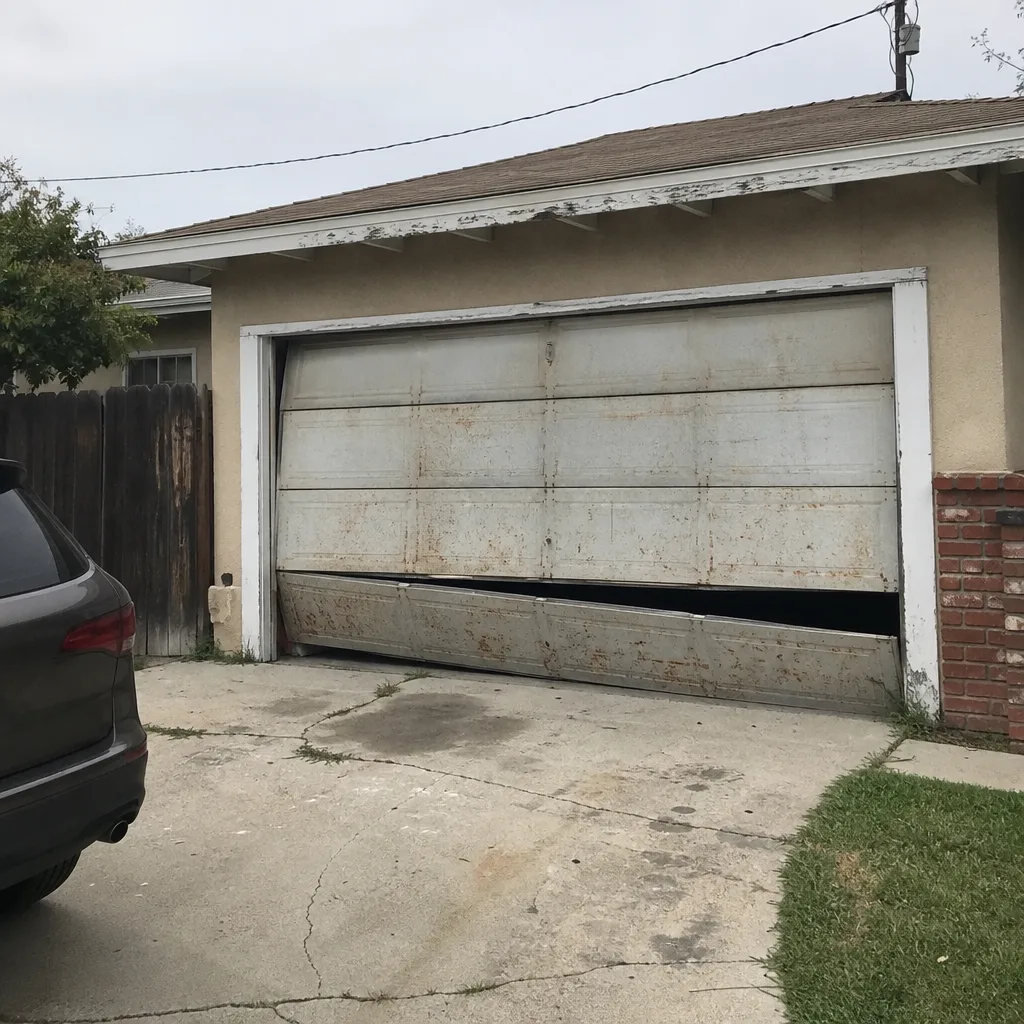 Before
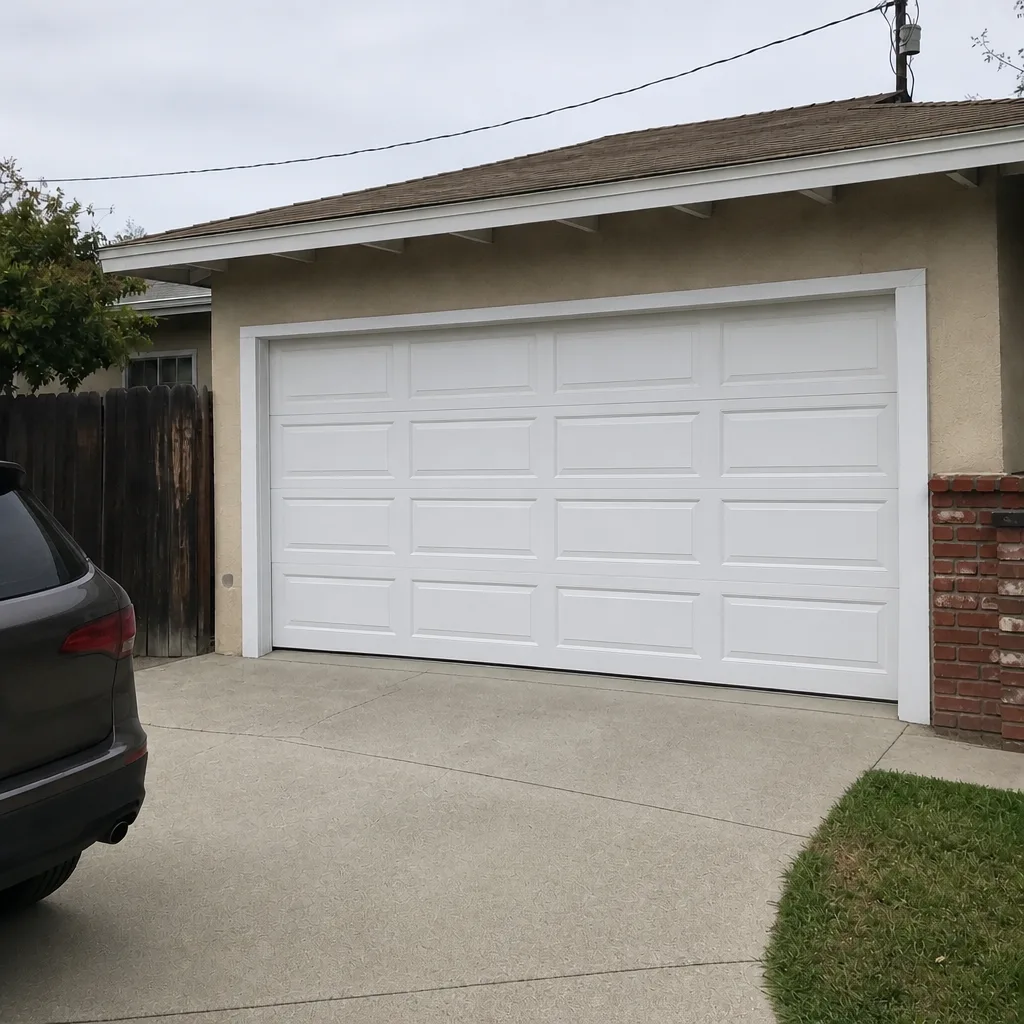 After
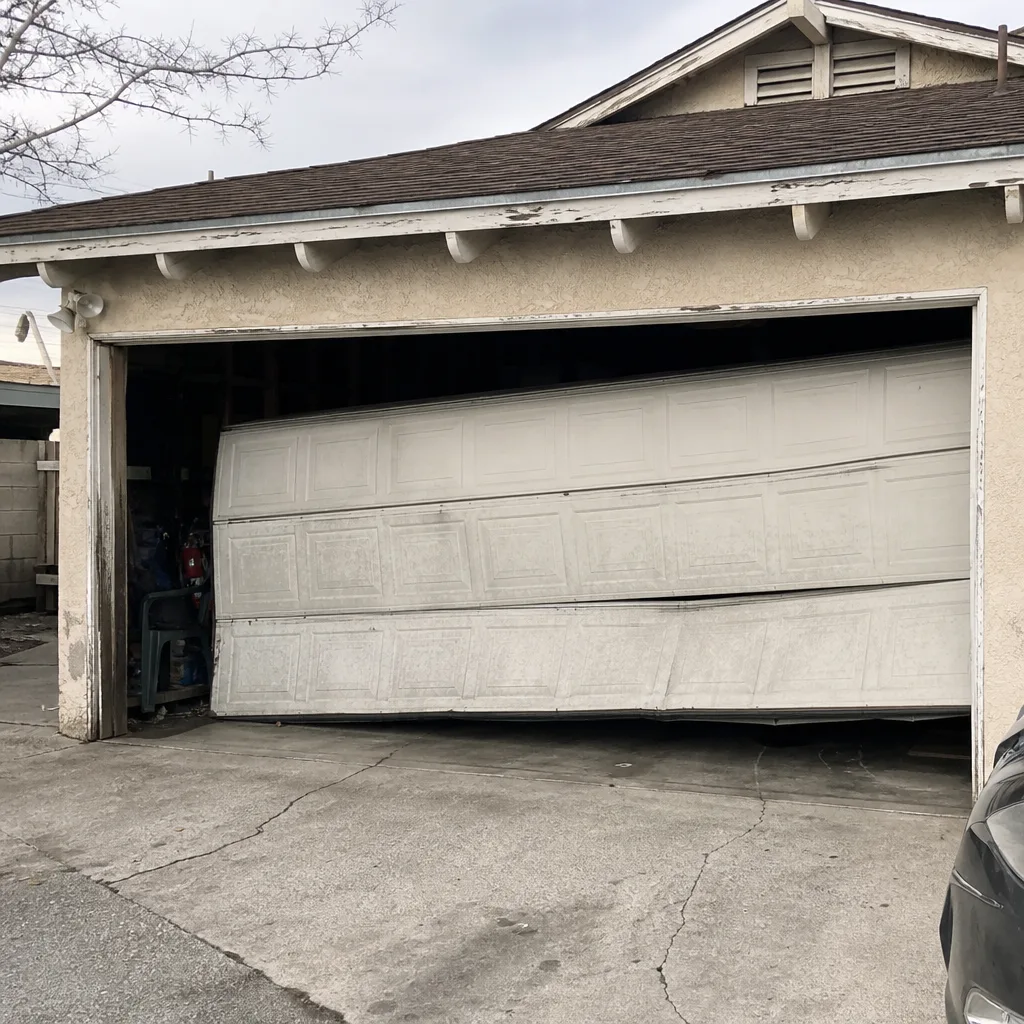 Before
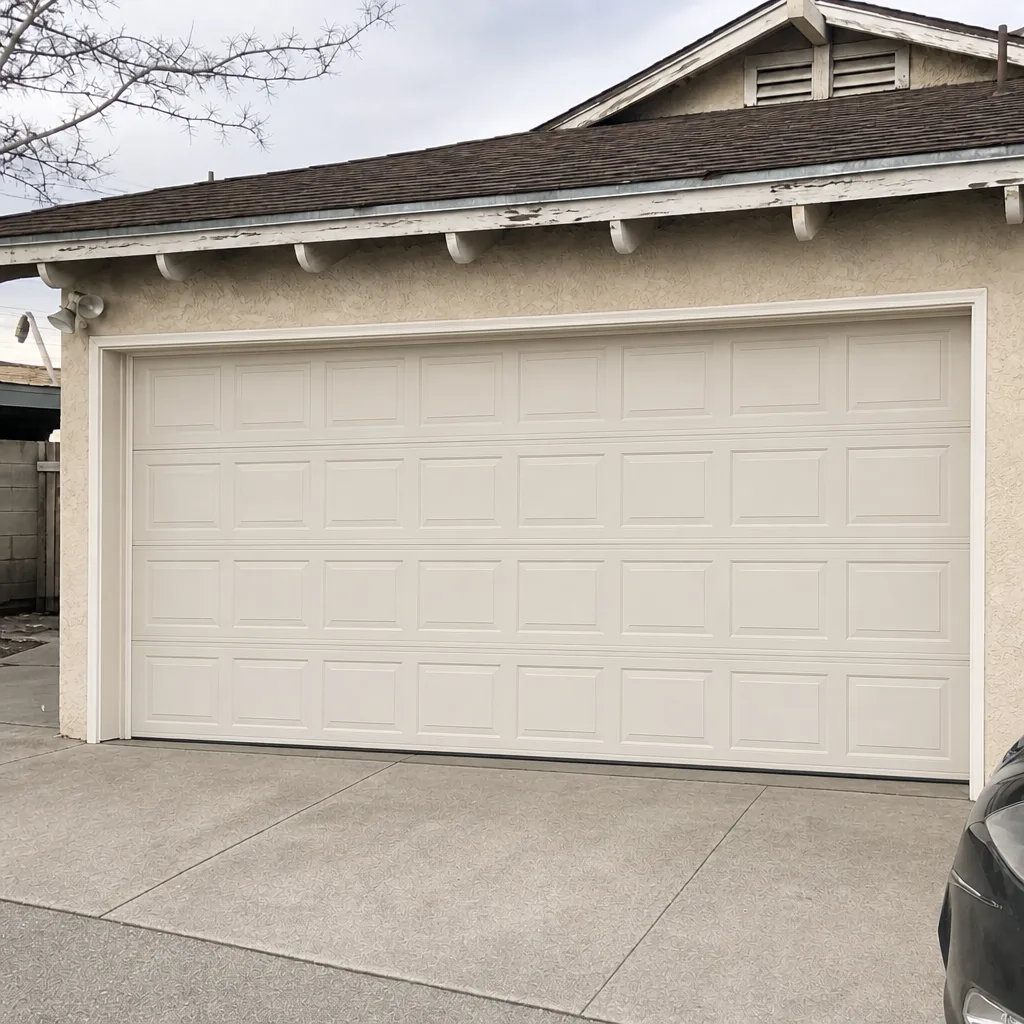 After
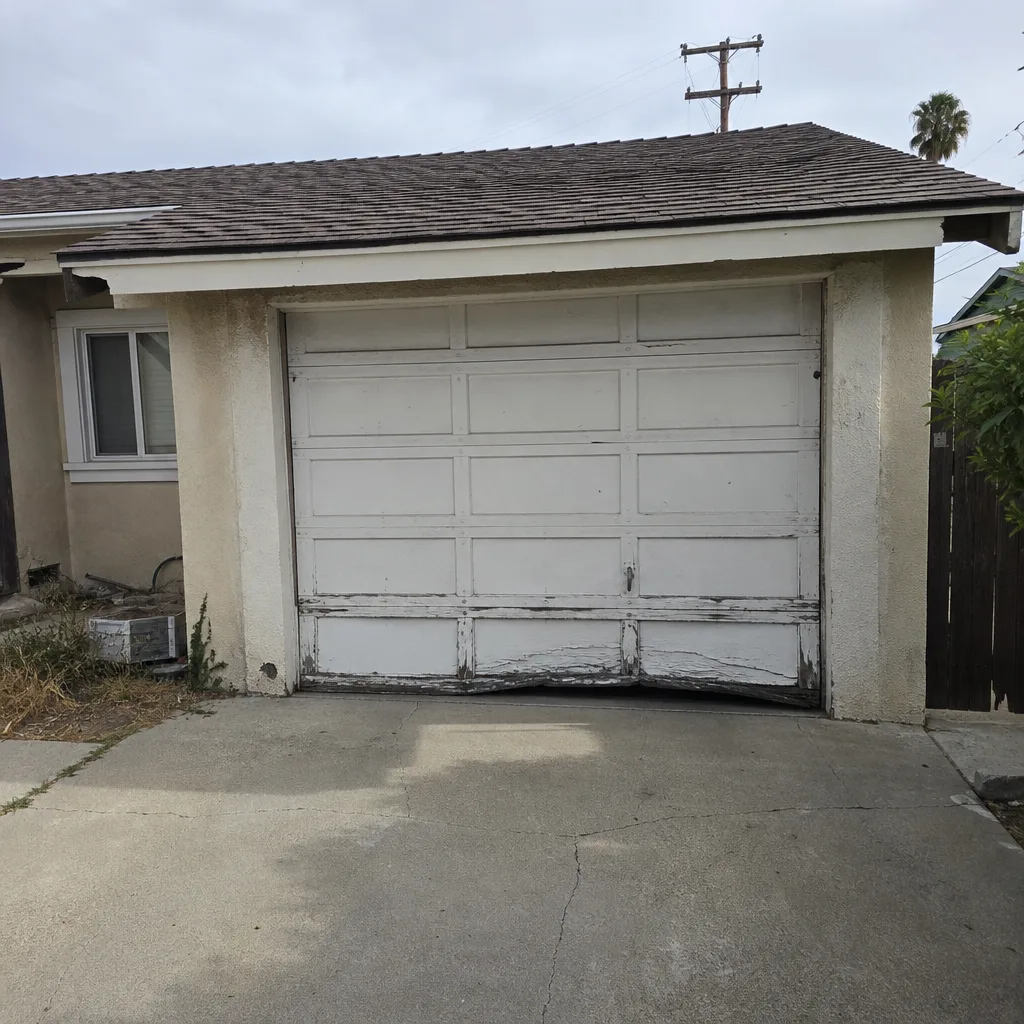 Before
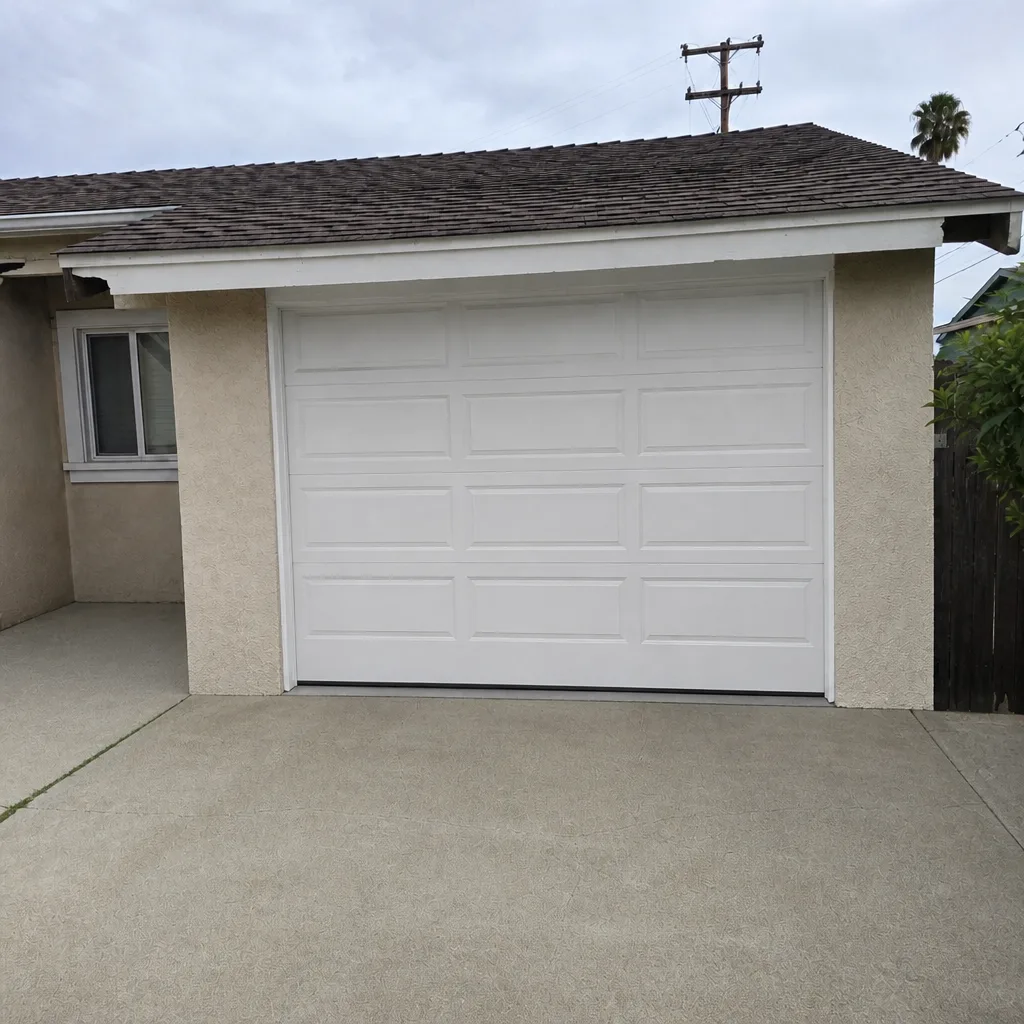 After