
Last updated November 4, 2026
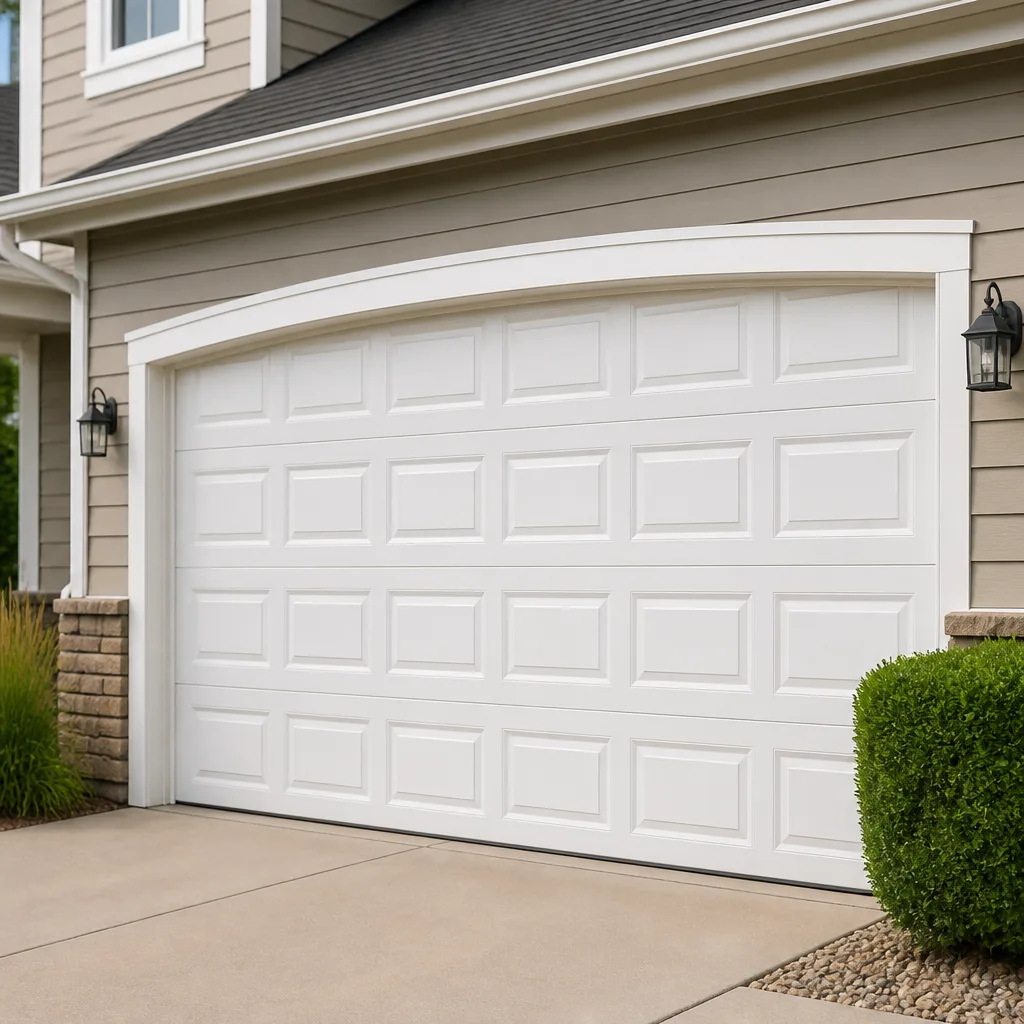 Raised-panel steel
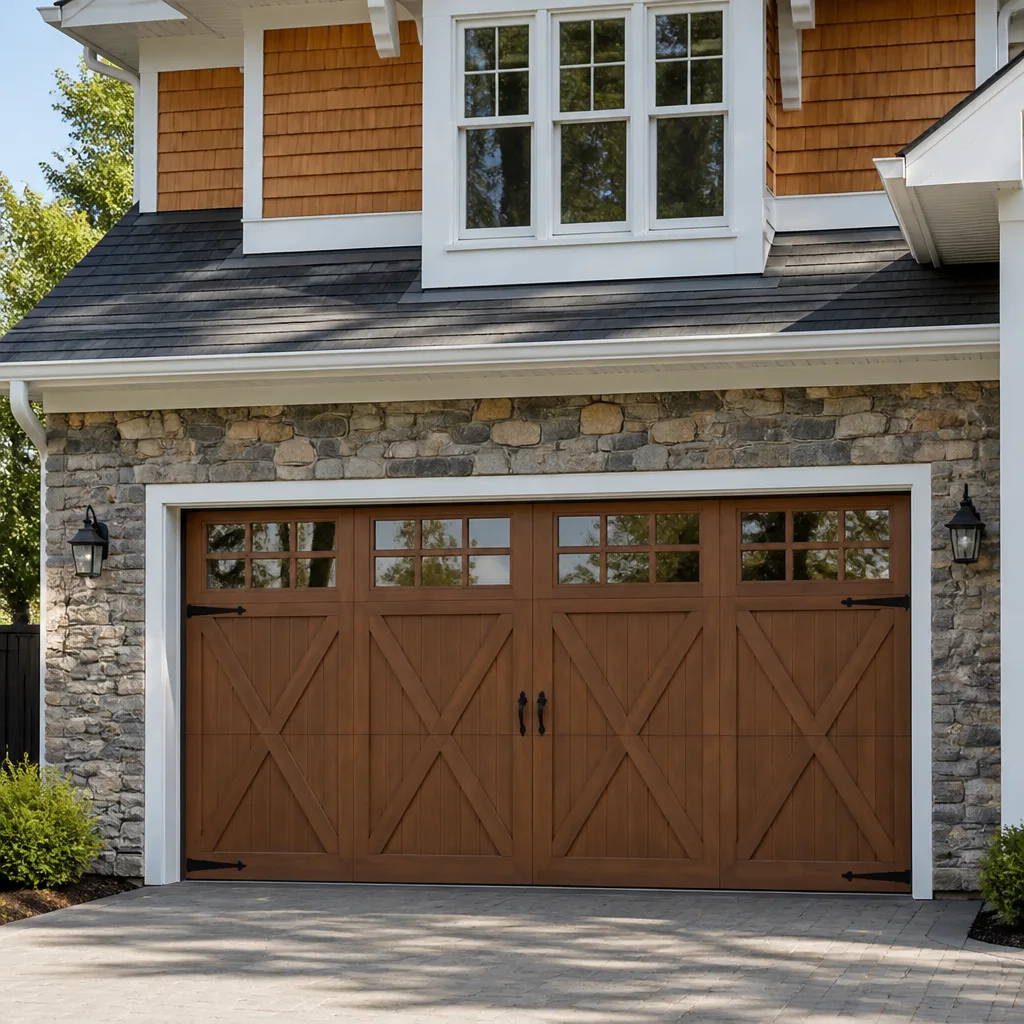 Carriage house
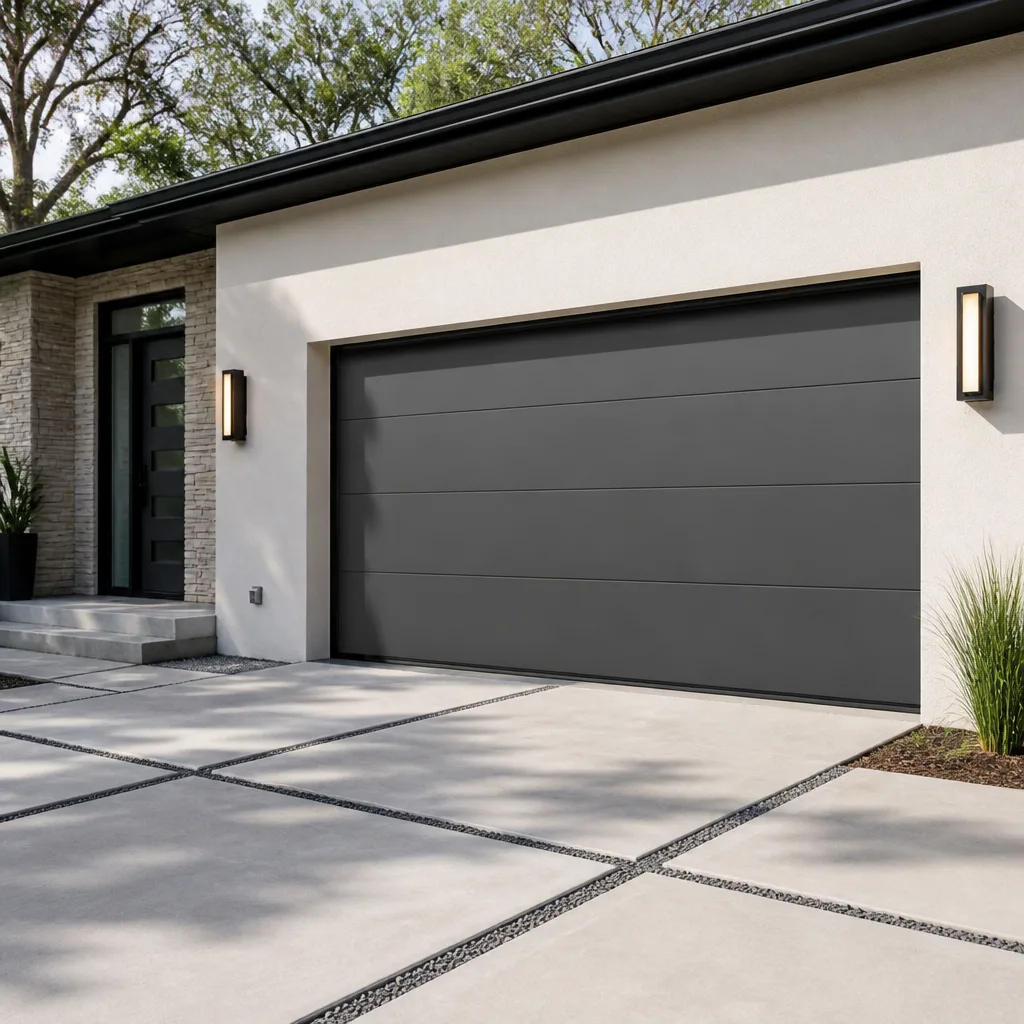 Modern flush
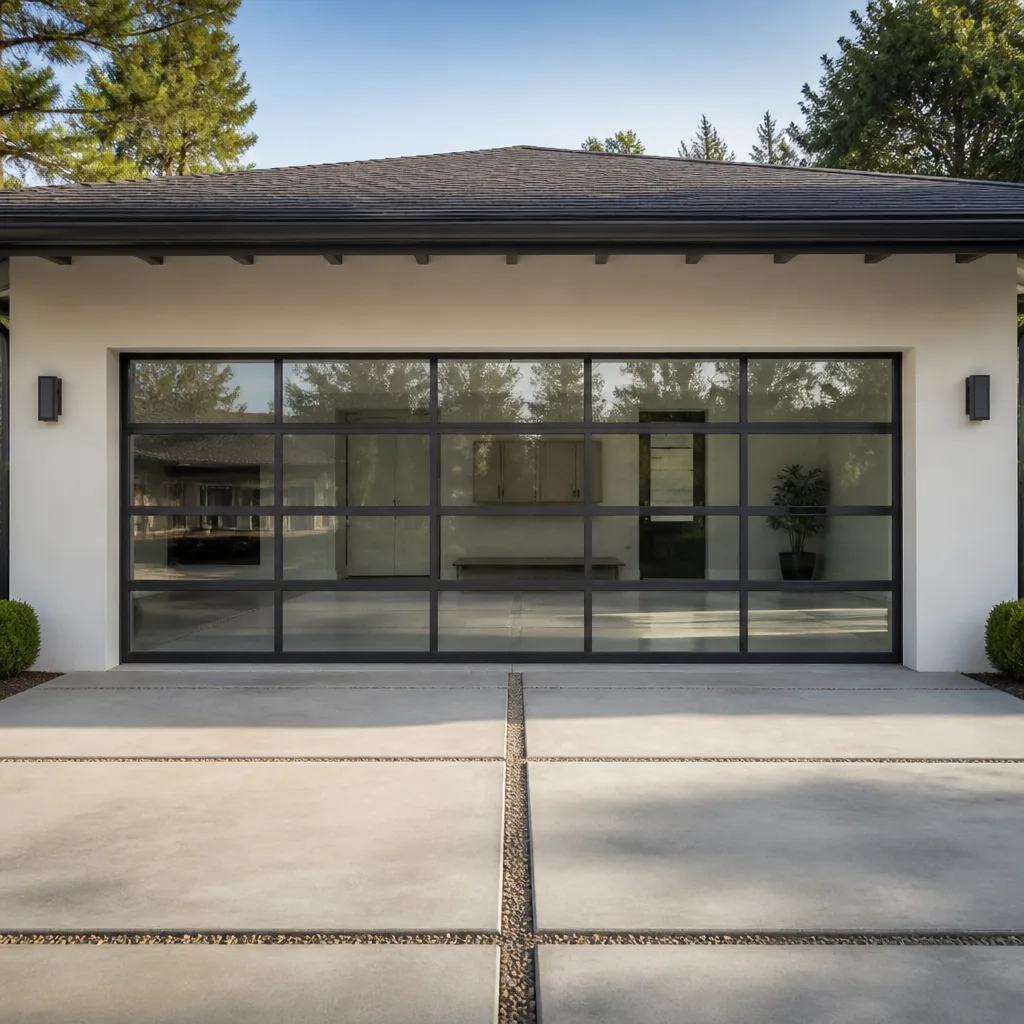 Full-view glass
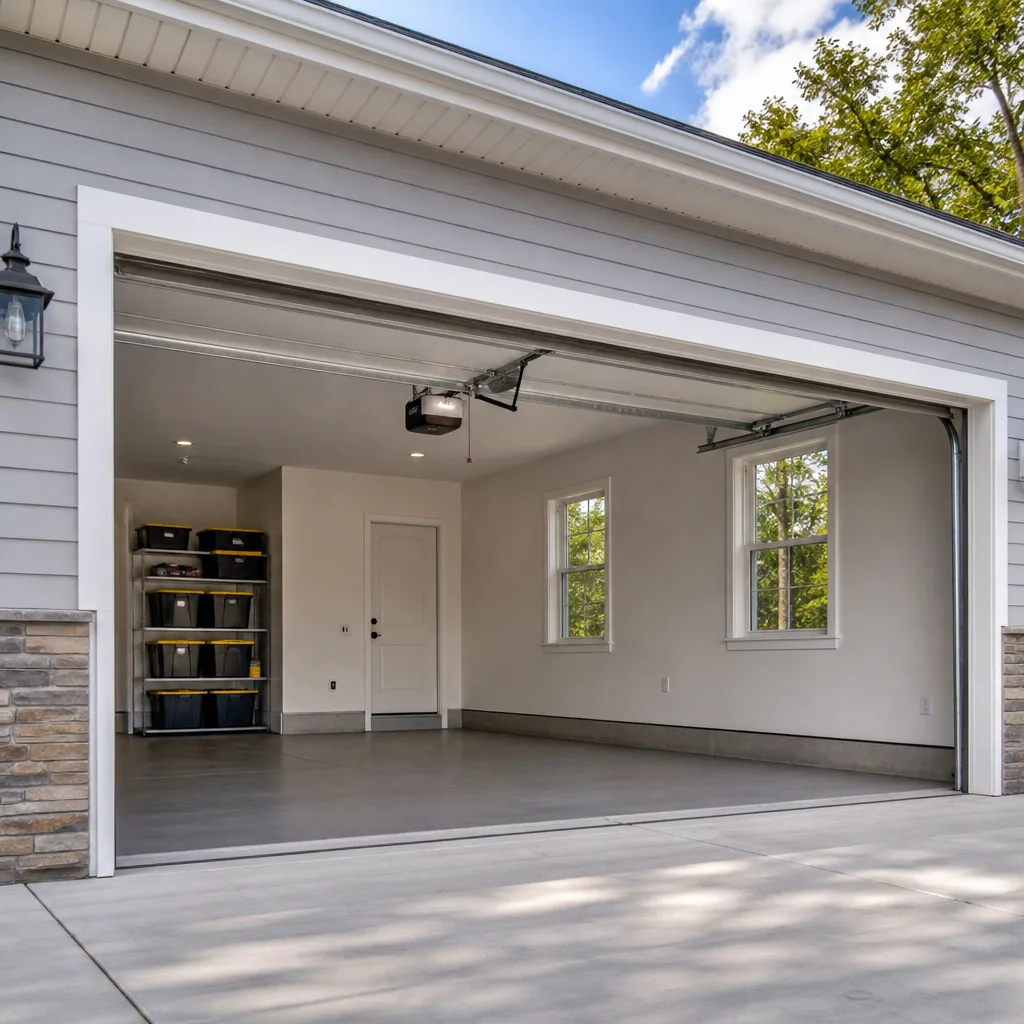 LiftMaster openers
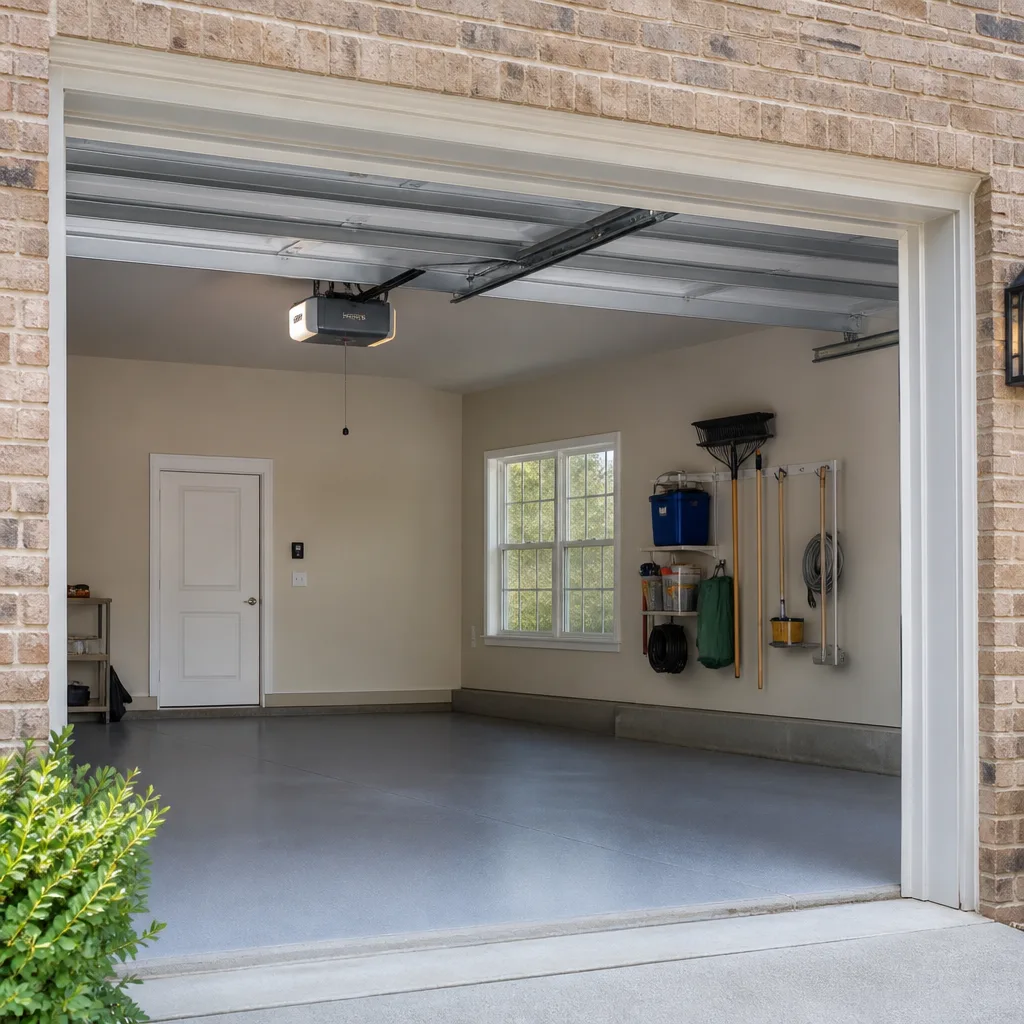 Chamberlain openers
Full 25-point door and opener safety check with every visit - springs, cables, rollers, tracks, and your LiftMaster or Chamberlain opener included
You get a price before we start. It does not change when the truck arrives.
Get your free estimateThe Complete Guide to Garage Doors in Arleta
Most garage door guides are written for a hypothetical American home, but Arleta’s concrete driveways, stucco construction, and 100°F summer peaks stress door systems in ways a Minnesota-centric guide never mentions. The result is advice that fits a generic suburb while missing the actual conditions your door faces on a July afternoon in the San Fernando Valley. This guide is different. We’ll walk through how Arleta’s housing stock, climate, and street patterns shape what goes wrong with garage doors here, and what that means when you repair or replace one.
Quick Answer
Garage doors in Arleta last longest when they’re sized to the home’s original rough opening, built from heat-tolerant materials like insulated steel, and fitted with seals that survive Valley dust and triple-digit summers. For most homes in Arleta, that means matching the door to the tract-home dimensions common here since the 1950s, choosing an opener rated for the door’s weight and cycle frequency, and replacing springs before they snap. Garage Door Repair Arleta works on every major brand found in these garages, from the opener to the panel.
Styles & brands we work with
- Raised-panel steel
- Carriage house
- Modern flush
- Full-view glass
- LiftMaster openers
- Chamberlain openers
Table of Contents
- How Arleta’s Housing Stock Shapes Your Garage Door
- Why San Fernando Valley Heat Wears Doors Down Faster
- Driveway Slope and Bottom Seal Selection in Arleta
- Single-Car vs. Double-Car Doors: Opener Sizing by Arleta Home
- Steel, Aluminum, or Wood Composite: What Holds Up in Arleta
- The Most Common Garage Door Problems We See in Arleta
- What Garage Door Replacement Costs in Arleta
- Common Mistakes to Avoid
- When to Call a Professional
- Frequently Asked Questions
How Arleta’s Housing Stock Shapes Your Garage Door
Arleta was built out in a specific window, mostly from the late 1950s through the 1980s, and that matters more than most homeowners realize. Developers in that era standardized rough openings. If you walk through the blocks around Arleta’s residential streets, you’ll notice single-car doors tend to run 8 feet wide by 7 feet tall, while double doors cluster at 16 by 7. Those dimensions were the default for tract construction, and they still dictate what fits today.
Here’s what that means in practice:
- A modern door won’t always match an older rough opening without frame work. The opening is the opening. If your home has a 8-foot-wide rough opening, that’s the door size you’re getting unless you pay for structural changes.
- Homes built in the 1960s and 1970s often used wood doors originally. Many have been replaced over the years, sometimes with mismatched sizes that don’t fully seal.
- The tracks and hardware on these older openings were installed before modern safety standards. If you still have original rails, they may not handle a current door’s weight distribution the same way.
- Some Arleta homes have detached garages set back on long driveways, while others have attached garages with direct entry. The layout affects how often the door cycles, which in turn affects opener wear.
When we talk about garage door repair on these older Arleta homes, the first thing we check is whether the door still matches the original rough opening. A door that was swapped in decades ago may have been a standard size that’s slightly too small, and a homeowner may have lived with a gap at the top or sides for years without knowing it’s there. That gap lets dust in. In Arleta, that’s not a cosmetic detail.
Why San Fernando Valley Heat Wears Doors Down Faster
Arleta sits in the San Fernando Valley, which means the climate isn’t like coastal Los Angeles. Summer peaks regularly pass 100°F, and the heat doesn’t just make your garage uncomfortable. It changes the mechanical behavior of your door.
Steel expands when it heats. The tracks that guide your door are usually steel or galvanized steel, bolted to the wall or hung from the ceiling. On a 105°F day, those tracks expand measurably. If they were installed tight against the wall with no expansion allowance, you can get binding, squealing, or a door that stops mid-travel. The motor then works harder on every cycle, and that shortens its life.
Torsion springs are the bigger issue. Garage door springs are rated for a number of cycles, typically 10,000 for standard springs. Every time the door opens and closes, that’s one cycle. Heat doesn’t directly cause spring failure, but it accelerates fatigue because the spring is under constant tension and high garage temperatures make the metal more prone to micro-fractures over time. In our experience around Arleta, spring failures cluster in late summer and early fall, after a full season of heat loading.
Weather seals degrade faster here too. The vinyl or rubber strip at the bottom of the door, plus the vinyl trim around the sides and top, harden and crack under sustained UV exposure and low humidity. Once that bottom seal splits, you’ll get dust, leaves, and Valley heat migrating into the garage. It also lets rodents in. Arleta has its share of roof rats and field mice, and a cracked bottom seal is an open invitation.
A practical habit for Arleta homeowners: check the bottom seal in May and again in September. If it’s hard to the touch or you can see daylight under the closed door, it’s time to replace it. The fix is inexpensive compared to what a broken seal eventually lets into your garage.
Driveway Slope and Bottom Seal Selection in Arleta
Arleta’s residential streets are largely flat, but individual driveways aren’t always. Many homes here have driveways that slope upward from the street toward the garage, or that pitch slightly sideways for drainage. That slope changes how the door meets the concrete.
If your driveway has a crown or a slope, a standard flat bottom seal won’t make full contact. You’ll get a gap on one side. The door itself is level when installed, or it should be. The garage floor and driveway usually aren’t. When the door closes, the bottom seal needs to compress unevenly to fill that gap.
The right approach depends on the angle:
- For a gentle slope, a thick flexible bulb seal often does the job. The rubber compresses more on the high side and less on the low side, and it can absorb that difference without tearing.
- For a steeper angle or an uneven concrete joint, we’ll often add a slotted retainer that holds the seal at a slight angle, matching the driveway pitch.
- If the concrete has settled or cracked, a double-layer seal or a wider bottom retainer can bridge small gaps. The real fix may be levelling the concrete, but that’s a separate project.
The point is that a seal that’s wrong for the driveway shape fails quickly, and the door works against itself on every cycle. A door closing onto a gaping seal doesn’t sit square, and the cables can go slightly out of balance over time. Arleta’s older concrete driveways, with decades of settlement and Valley heat expansion, are exactly the kind of surface that needs a custom seal selection.
Single-Car vs. Double-Car Doors: Opener Sizing by Arleta Home
Arleta’s housing stock splits fairly evenly between single-car garage doors and double-car doors, though the mix depends on the specific tract. Smaller homes from the 1960s often have single-car garages, while the 1970s and 1980s builds lean toward two-car doors. That distinction matters for opener sizing.
A 16-foot-wide double door is heavy. Steel double doors commonly weigh 300 to 400 pounds, and that’s before you add insulation. A single-car door might weigh half that. The opener has to lift the door through its travel every time, and it has to do it smoothly without straining the motor or the drive mechanism.
Openers are typically rated by horsepower:
- 1/2 HP: Adequate for lightweight single-car doors, typically aluminum or thin steel. Arleta homes with original wood doors are too heavy for a 1/2 HP unit.
- 3/4 HP: The most common choice for standard steel single doors and some lighter double doors.
- 1 HP or higher: Recommended for insulated steel double doors, wood composite doors, and any door that cycles more than a few times a day.
An undersized opener on a heavy double door isn’t just slow. It runs hot, especially in an Arleta summer. The motor’s internal temperature rises as it labors, and the heat in an enclosed garage doesn’t dissipate quickly. That’s a common failure mode we see: openers that work fine for years, then quit during a heat wave because the motor has been running at the edge of its capacity. The fix is to match the opener to the door’s actual weight, not to the cheapest unit on the shelf.
Opener brand matters here too. We work on LiftMaster, Chamberlain, Genie, and Craftsman systems regularly in Arleta. Each brand has its own drive type and logic board. Some are better suited to heavy doors than others. Our recommendation when you’re replacing an opener is to start with the door’s weight and cycle frequency, then pick a drive that meets it.
Steel, Aluminum, or Wood Composite: What Holds Up in Arleta
Door material choice in Arleta should be driven by three local factors: heat, dust, and low humidity. This isn’t a coastal climate with salt air, and it isn’t a cold climate with freeze-thaw swings. It’s a hot, dry inland valley environment. Each material behaves differently under those conditions.
Insulated steel is the most practical choice for most Arleta homes. A steel door with a foam core holds up well in the heat, doesn’t warp, and its finish resists UV fading better than older paint-on-steel designs. Steel doors are also the easiest to match to an existing rough opening, because they’re manufactured in the standard sizes found all over Arleta. The downside is that low-quality steel doors can dent, and if the finish gets scratched through to bare metal, you’ll get surface rust over time. But that rust is surface-level in a dry climate. It’s not structural.
Aluminum doors are lighter, which makes them easier on openers and springs. The trade-off is dent resistance. Aluminum dents more easily than steel, which matters if you park on a tight Arleta driveway and occasionally clip the door. Aluminum also transmits heat more readily, which means the garage interior gets hotter in summer unless the door has a thermal break. For an uninsulated garage, that’s a real consideration in the Valley.
Wood composite doors look substantial and hold paint well, but they’re heavy and they demand more from the hardware. A solid wood composite double door can weigh over 400 pounds. The springs, cables, and opener have to be sized for that weight or the whole system wears out early. Wood composite also moves with changes in humidity. Arleta’s humidity stays low, so movement is less dramatic than in a coastal city, but the heat still causes expansion and contraction. Expect to maintain the finish more often than with steel.
For most Arleta homeowners, insulated steel is the right balance of durability, weight, and heat performance. Raynor and Wayne Dalton both build steel doors in the sizes common to this area, and we service both brands regularly.
The Most Common Garage Door Problems We See in Arleta
After years of working on garage doors across Arleta, a few problems come up more than anything else. These are the issues to watch for, and most of them have an early warning sign you can catch before the door fails completely.
Snapped torsion spring. The most common emergency call we get. A torsion spring under load fails suddenly, often with a loud bang. The door won’t lift, or it lifts a few inches and stops. This is not a DIY repair. Torsion springs are under extreme tension, and the failure mode can cause serious injury. The fix is to replace the spring or springs. A matched pair is usually replaced together, because both springs have the same cycle history, and the surviving spring is likely close to failure too.
Door off track. Lifted panels that jump the track usually mean a broken cable, a bent track, or a wheel that seized. Sometimes it happens because the door hit something on the way down, or because the door has been running out of balance and the wheels finally slipped. The door should not be forced down. The panel can fall, and that’s a safety issue.
Opener runs but door doesn’t move. That’s usually the gear and sprocket assembly inside the opener, or a stripped drive gear on the carriage. We diagnose this on LiftMaster and Chamberlain units more than any other type, but it happens across brands. The fix is often a gear replacement rather than a full opener swap, which saves money.
Remote or keypad stopped working. This can be as simple as dead batteries or as involved as a failed logic board. When the wall button works but the remote doesn’t, the opener’s receiver is often the issue. When nothing works, it’s usually power to the opener or a failed board. We handle garage door opener repair for all the major brands, including Genie and Craftsman, so the diagnosis starts with the specific opener in your garage.
Bottom seal cracked or missing. Easy to overlook, expensive to ignore. A broken seal lets dust and heat into the garage, and it gives pests a way in. In Arleta’s dry climate, the rubber hardens and cracks faster than in more humid areas. Replacing a seal is routine, and it should be part of any door tune-up.
What Garage Door Replacement Costs in Arleta
Replacement cost in Arleta depends on the door size, material, insulation, and whether you’re reusing the existing opener or replacing it as part of the job. Here’s a realistic breakdown based on the doors we size and install in this area.
| Component or Service | Typical Range in Arleta |
|---|---|
| Single-car steel door, non-insulated | $900 to $1,600 |
| Single-car steel door, insulated | $1,200 to $2,200 |
| Double-car steel door, non-insulated | $1,500 to $2,800 |
| Double-car steel door, insulated | $1,800 to $3,400 |
| Aluminum door, full-view or glass panels | $1,800 to $4,000+ depending on panel count |
| Wood composite door | $2,200 to $5,000+ depending on design and size |
| Torsion spring replacement, one spring | $180 to $340 |
| Opener replacement, motor only | $450 to $900 installed |
| New track and hardware set | $350 to $700 |
These are estimated ranges, not fixed prices. Every quote depends on the specific door, the condition of the existing opening, and what has to be modified to make the new door fit. The written estimate we provide before any work starts is the price you’ll pay. We don’t add surprise line items after the fact.
One note for Arleta homeowners: if you’re replacing an original door on a 1960s or 1970s home, budget for the possibility that the old tracks and hardware aren’t reusable. Sometimes they are, and the job is straightforward. Other times the rails are undersized, rusty, or bent, and replacing them is the right call. Our goal is to tell you what the door actually needs, not to sell you parts you don’t.
Common Mistakes to Avoid
- Replacing one torsion spring instead of the pair. Springs have the same cycle count. If one snapped, the other is likely close behind. Replacing only the failed spring saves money in the short term and costs more when the second one goes a few months later.
- Buying an opener by horsepower alone. Horsepower matters, but so does drive type and the door’s actual weight. An undersized opener on a heavy Arleta double door is a premature failure waiting to happen.
- Putting off bottom seal replacement. A cracked seal lets dust and heat into the garage, and in Arleta, both are constant. What starts as a $40 seal replacement can turn into damaged stored items and a hot, dusty garage.
- Trying to DIY a torsion spring. The tension in a garage door spring can kill. This is the one repair where even experienced homeowners should step back. Call a professional before touching a spring that’s under tension.
- Mismatching a new door to an old rough opening. The opening was sized in the 1960s or 1970s, and that’s the door size you need unless you’re willing to reframe. Guessing wrong means gaps, poor sealing, or a door that binds in the tracks.
- Ignoring a door that’s out of balance. A door should stay in place when you release it halfway through its travel. If it drops or creeps up, the springs need adjustment. Running it out of balance wears out the opener and wears out the springs faster.
- Skipping track maintenance in dusty months. Arleta’s dry air means fine dust builds up on wheels and tracks. Cleaning the tracks and wheel assemblies a couple times a year keeps the door from dragging or squealing.
When to Call a Professional
Some garage door issues are safe to check yourself: dead remote batteries, a misaligned safety sensor, or a visible bottom seal crack. Others are not. If the torsion spring has snapped, if the door is off track, if a cable is frayed or broken, or if the door won’t move past a certain point and you hear grinding, stop operating it and call. Forcing the door down can drop a heavy panel on a car or a person. The cables and springs in a garage door carry hundreds of pounds of tension, and when they fail, they fail suddenly.
We also see people who’ve been told they need a full door replacement when the actual issue is a $200 spring or a $90 sensor. That’s the other side of the professional coin: a specialist who’s seen the same Arleta tract doors a thousand times can often spot the real cause in minutes. Garage Door Repair Arleta offers free estimates in Arleta, and we’ll tell you what the door actually needs. Call (877) 573-0278.
Frequently Asked Questions
A standard torsion spring lasts about 10,000 cycles, which for most Arleta households means 7 to 12 years. Arleta’s heat doesn’t speed up the spring’s cycle rating, but it can accelerate the metal fatigue that leads to failure, especially if the spring runs hot in an unventilated garage. If your door is opening and closing four or five times a day, the spring will wear out faster than a door that cycles twice a day.
Typical spring replacement in Arleta runs between $180 and $340 for one spring, including the part and labor, depending on the spring diameter and wire size. A matched pair is usually replaced together, so plan for roughly double that. Call (877) 573-0278 for an exact quote. Estimates are free.
We answer 24/7. Fast dispatch from 7am to 7pm, Sunday through Friday. If you call us in Arleta with a snapped spring or a door that won’t open, we’ll get a technician out as soon as the next slot is available, and most spring replacements are completed the same visit. The written quote is agreed before any work starts.
We work on the brand already in your garage. That includes LiftMaster, Chamberlain, Genie, Craftsman, Clopay, Amarr, Wayne Dalton, and Raynor. Odds are your opener and door are on that list, because those are the eight brands most commonly installed in Arleta homes.
No. The price we quote before work starts is the price you pay, unless you approve a change in scope. If the technician finds something that wasn’t visible during the initial assessment, they’ll explain what it is, what it costs, and you decide before anything is added. We don’t spring additions on you at the end.
Most residential garage door replacements don’t require a permit in Arleta, but the rules can vary by the scope of the work and the city’s building department. If the job involves structural changes to the opening, a permit may be needed. Ask the city’s building department or let us check during the estimate. We’ll tell you what applies to your job.
The Bottom Line
Arleta’s garage doors have a specific operating environment: 1960s through 1980s tract-home openings, San Fernando Valley heat that punishes springs and seals, and dry dusty air that works its way into every crack. A door that’s sized wrong, spring-loaded wrong, or sealed wrong will fail early and often. The right door for this area is one that matches the original rough opening, carries the correct spring and opener for its weight, and uses seals that fit the driveway’s actual slope. Whether you need a repair, a new opener, or a full replacement, start with what your specific home actually needs, not with a generic recommendation. For a free estimate in Arleta, call (877) 573-0278. We answer 24/7. Fast dispatch from 7am to 7pm, Sunday through Friday.
Written by the team at Garage Door Repair Arleta, serving Arleta since 2018.
See the difference
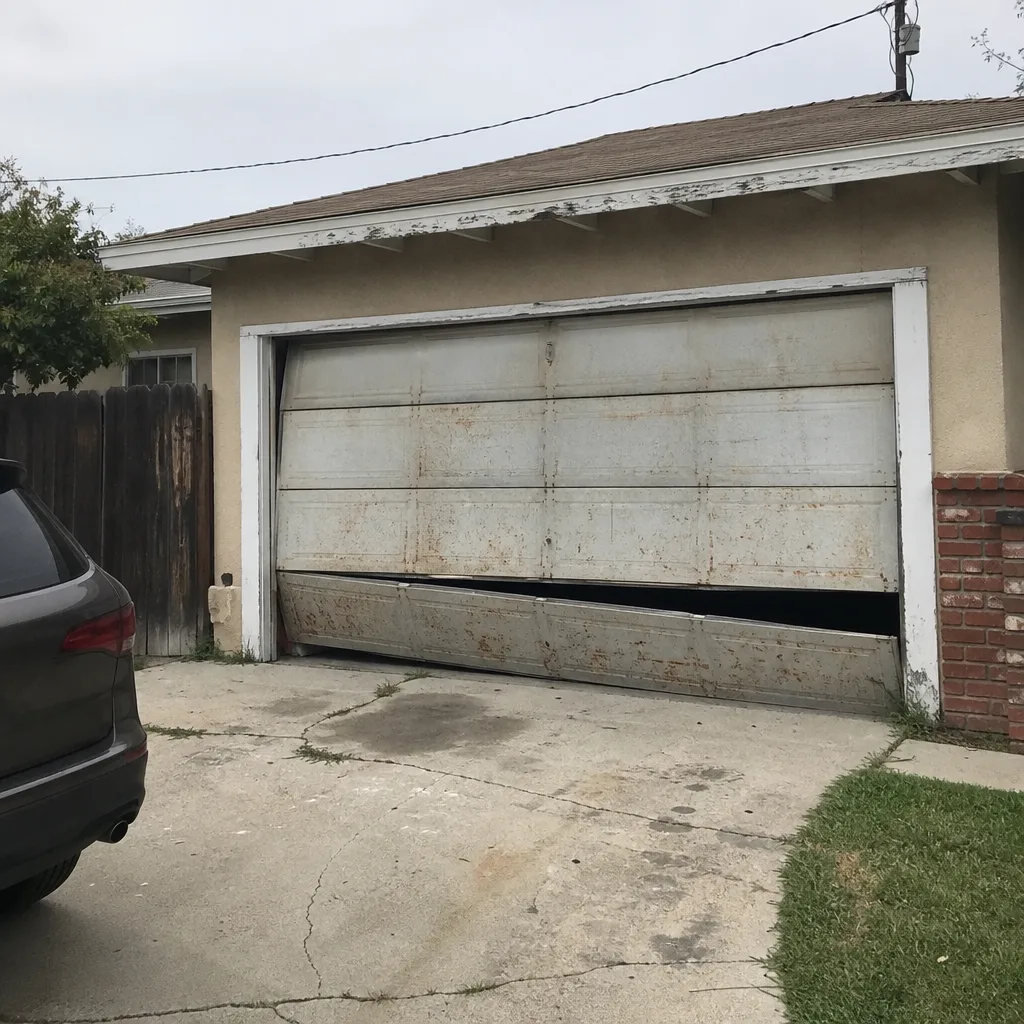 Before
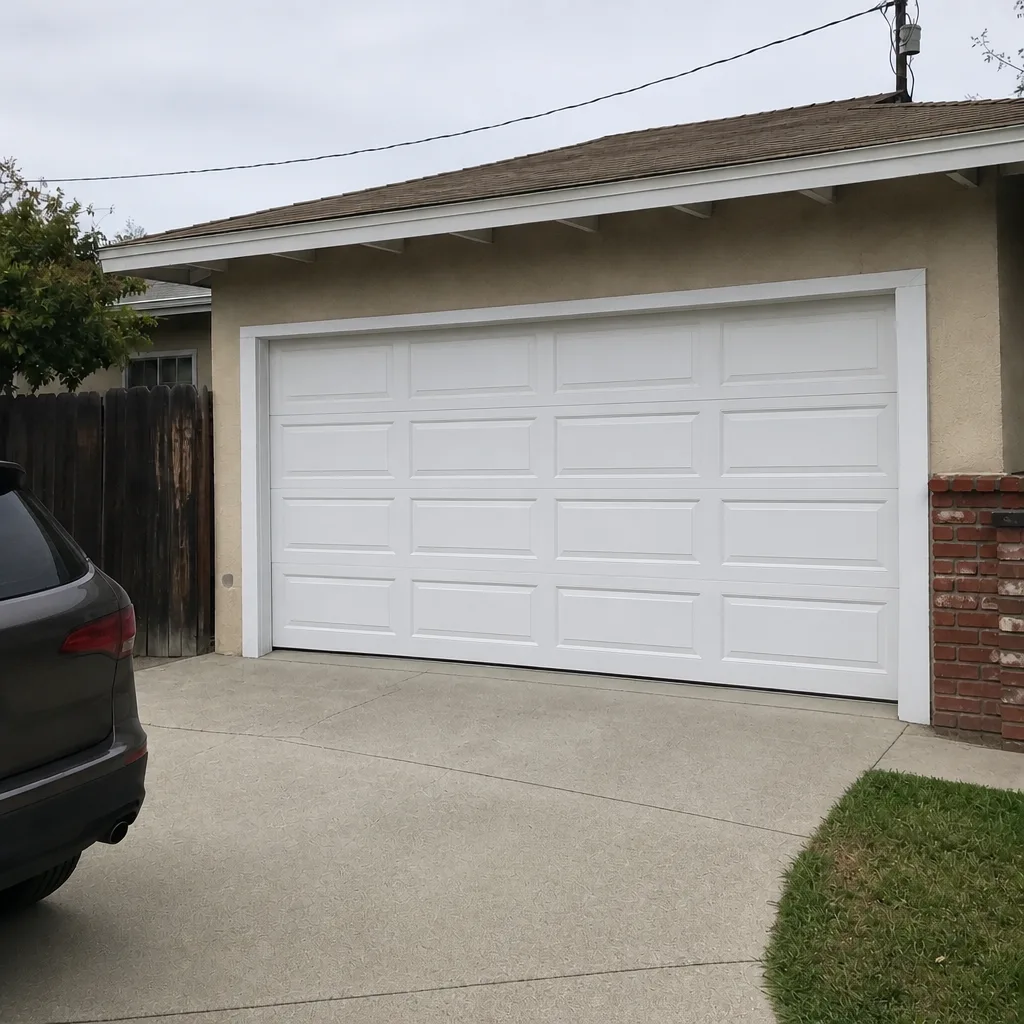 After
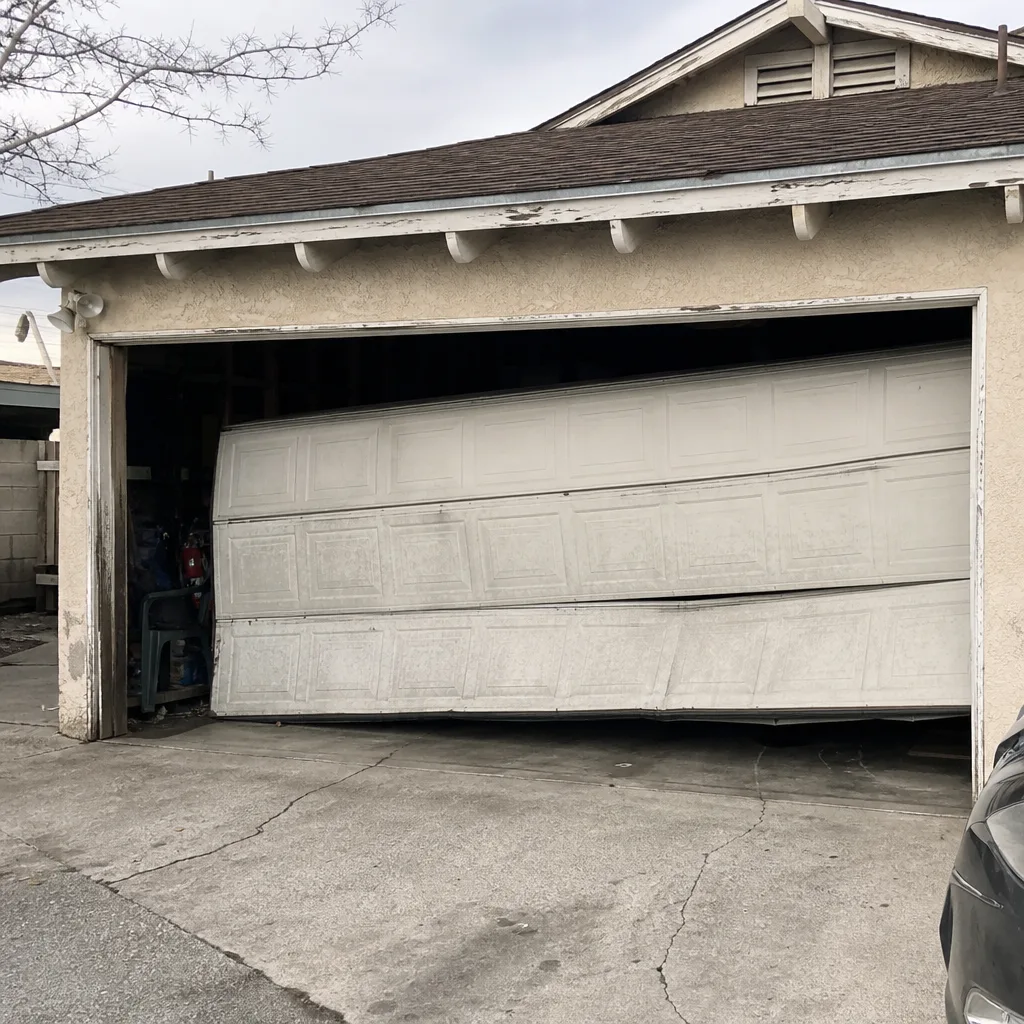 Before
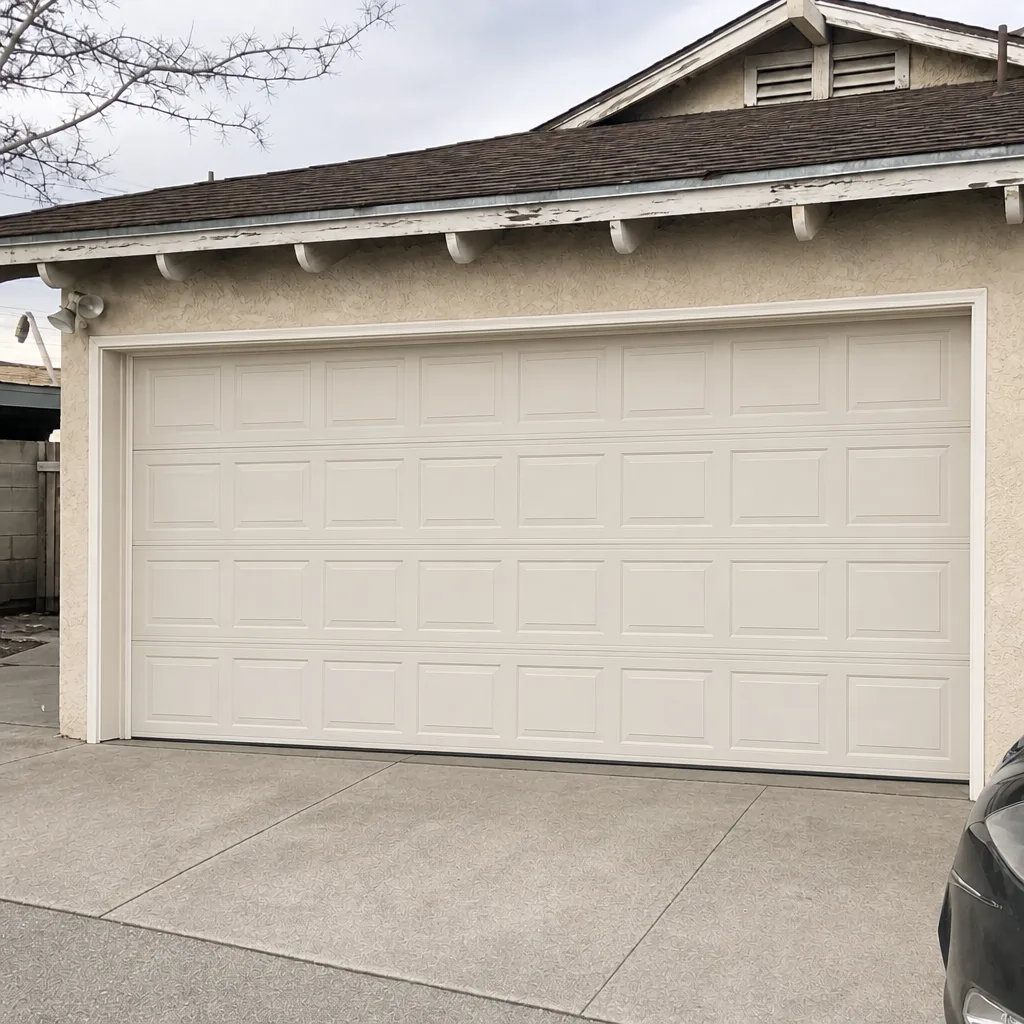 After
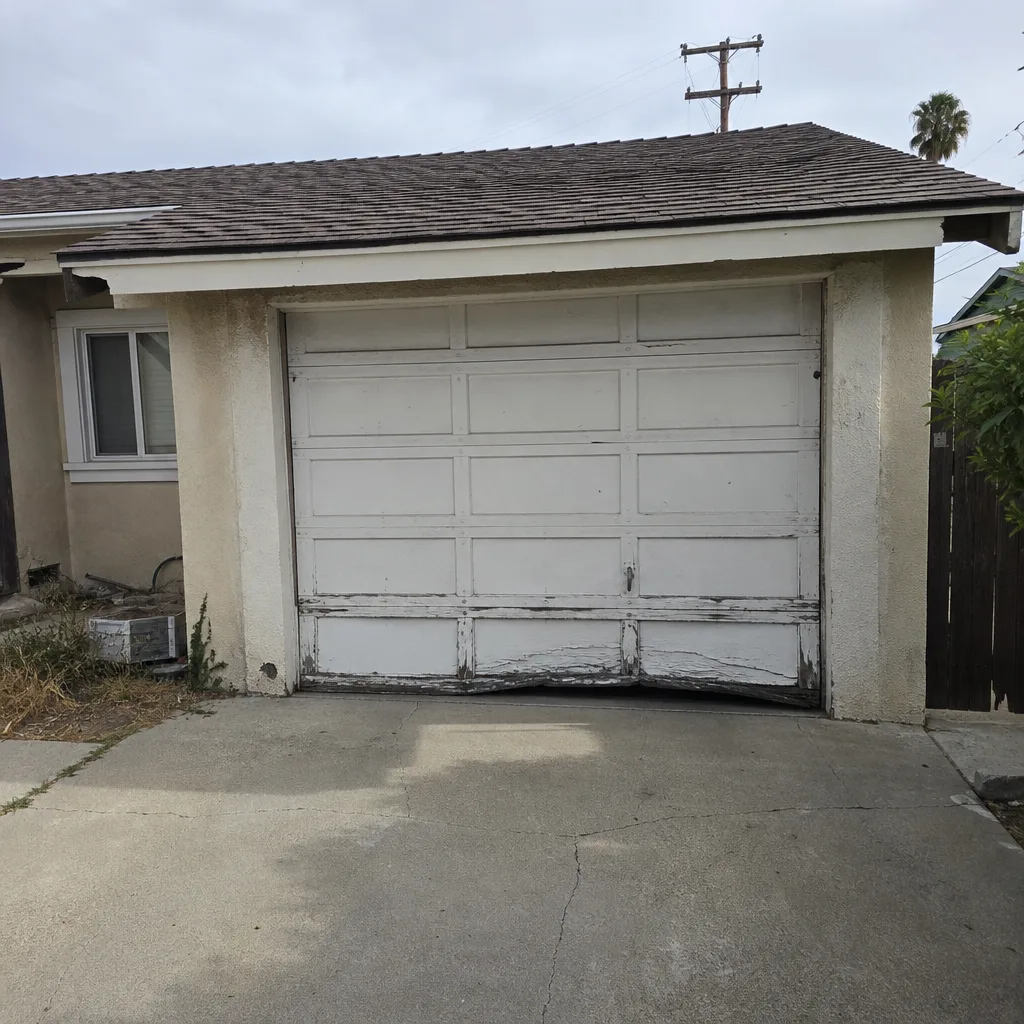 Before
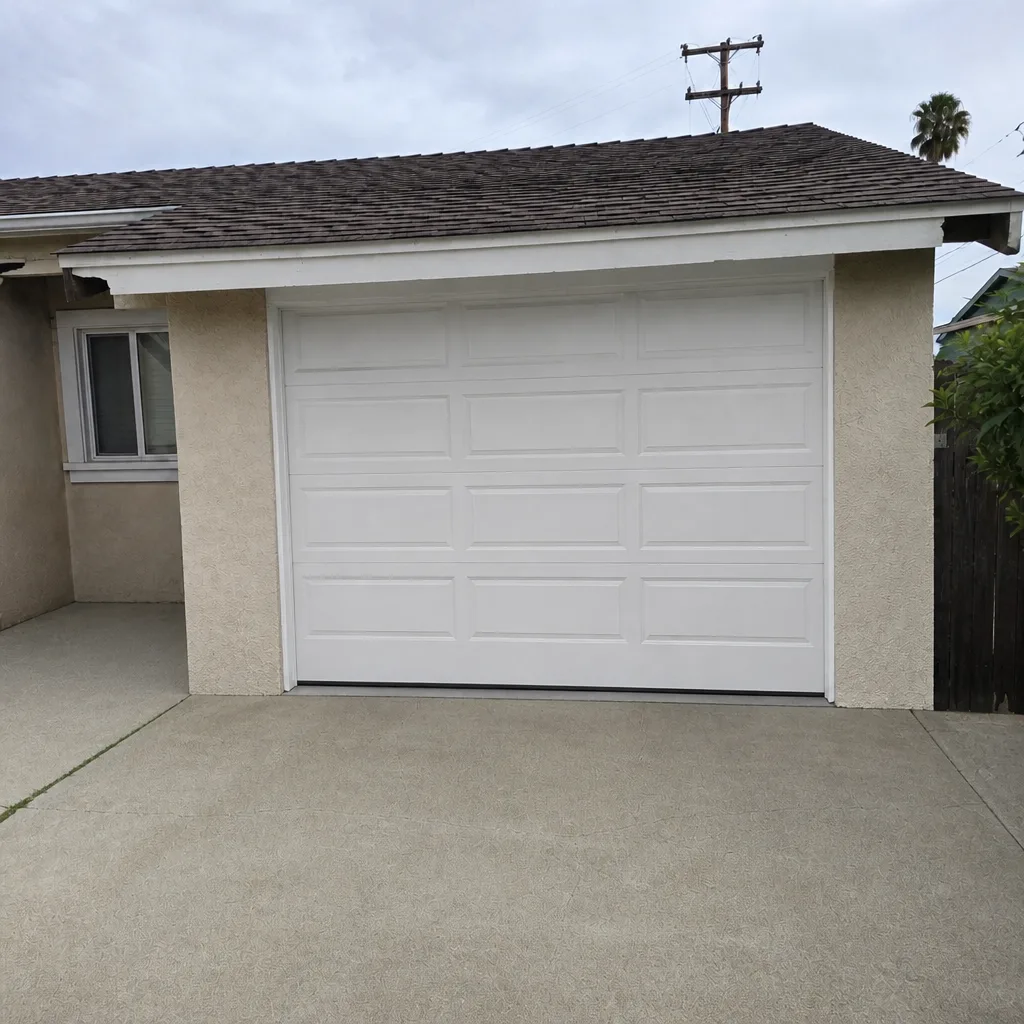 After