
Last updated November 4, 2026
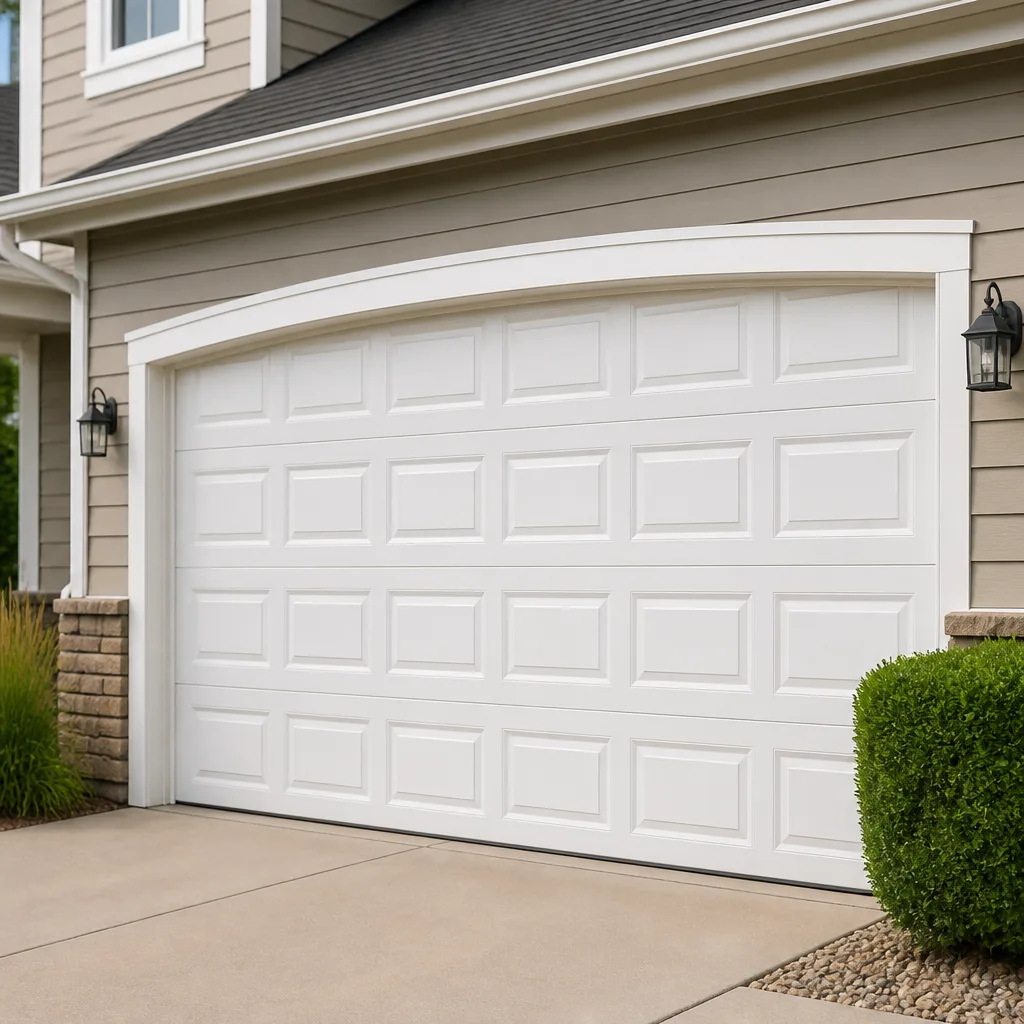 Raised-panel steel
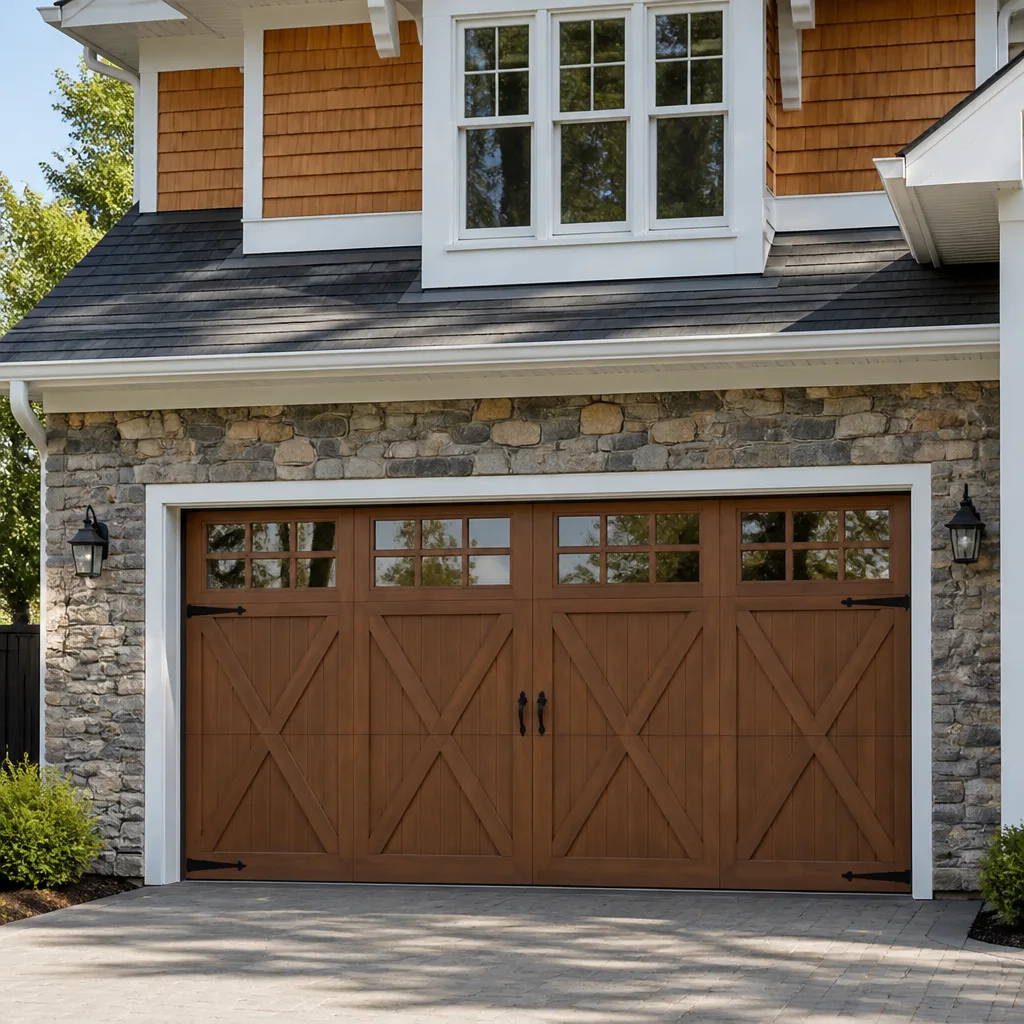 Carriage house
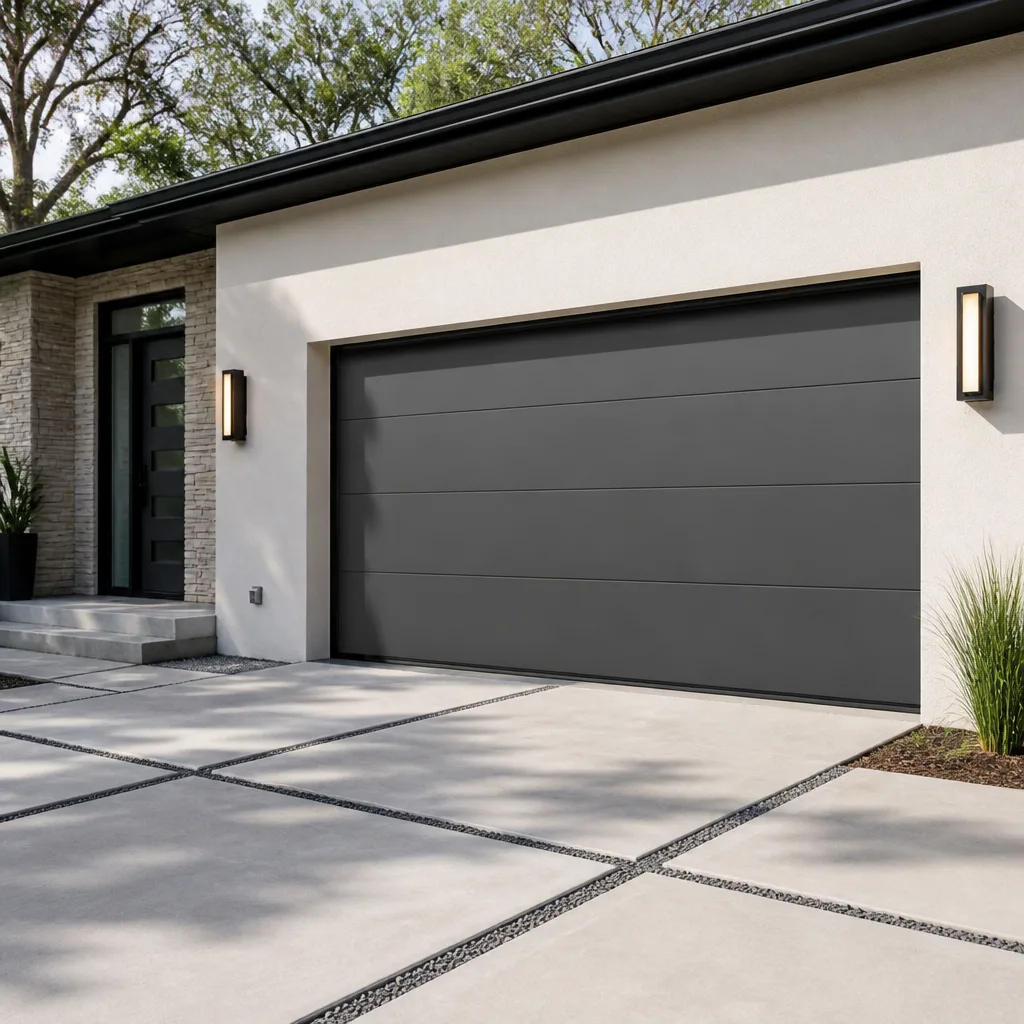 Modern flush
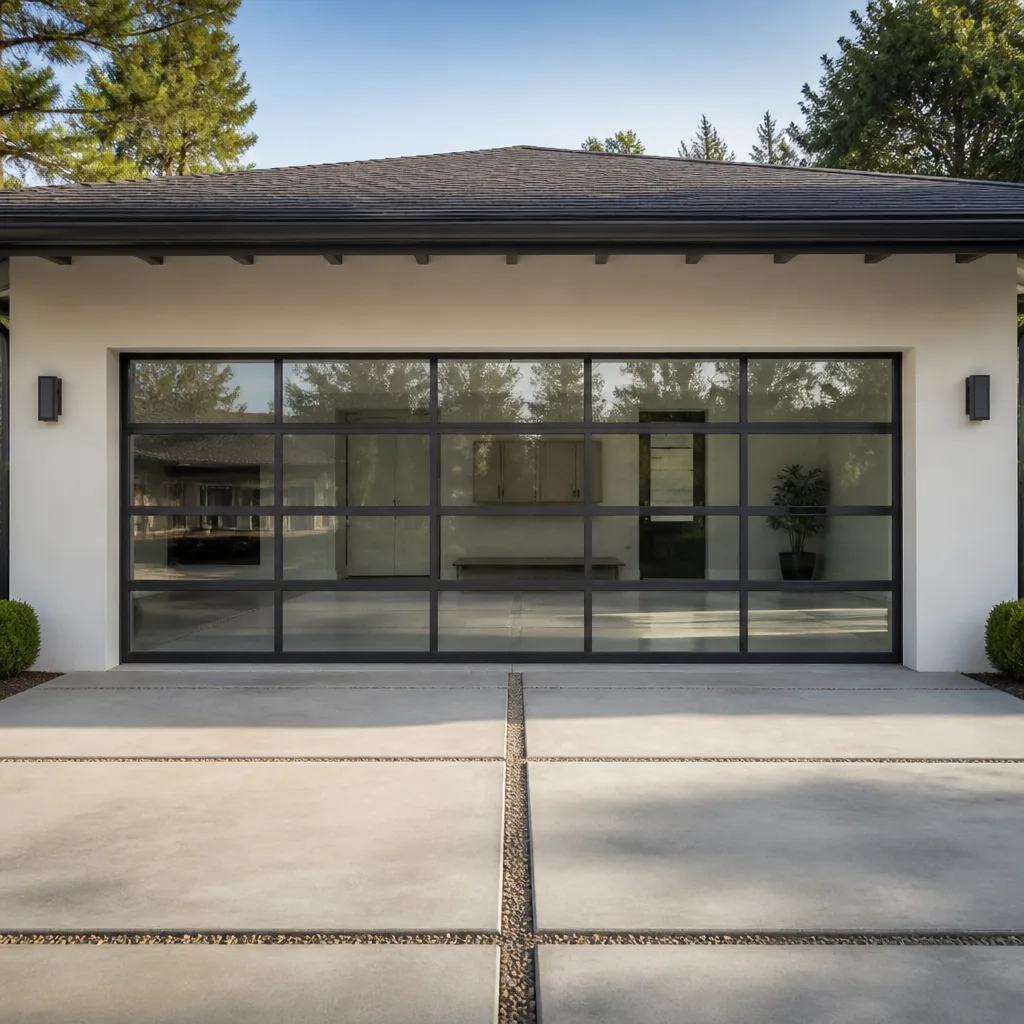 Full-view glass
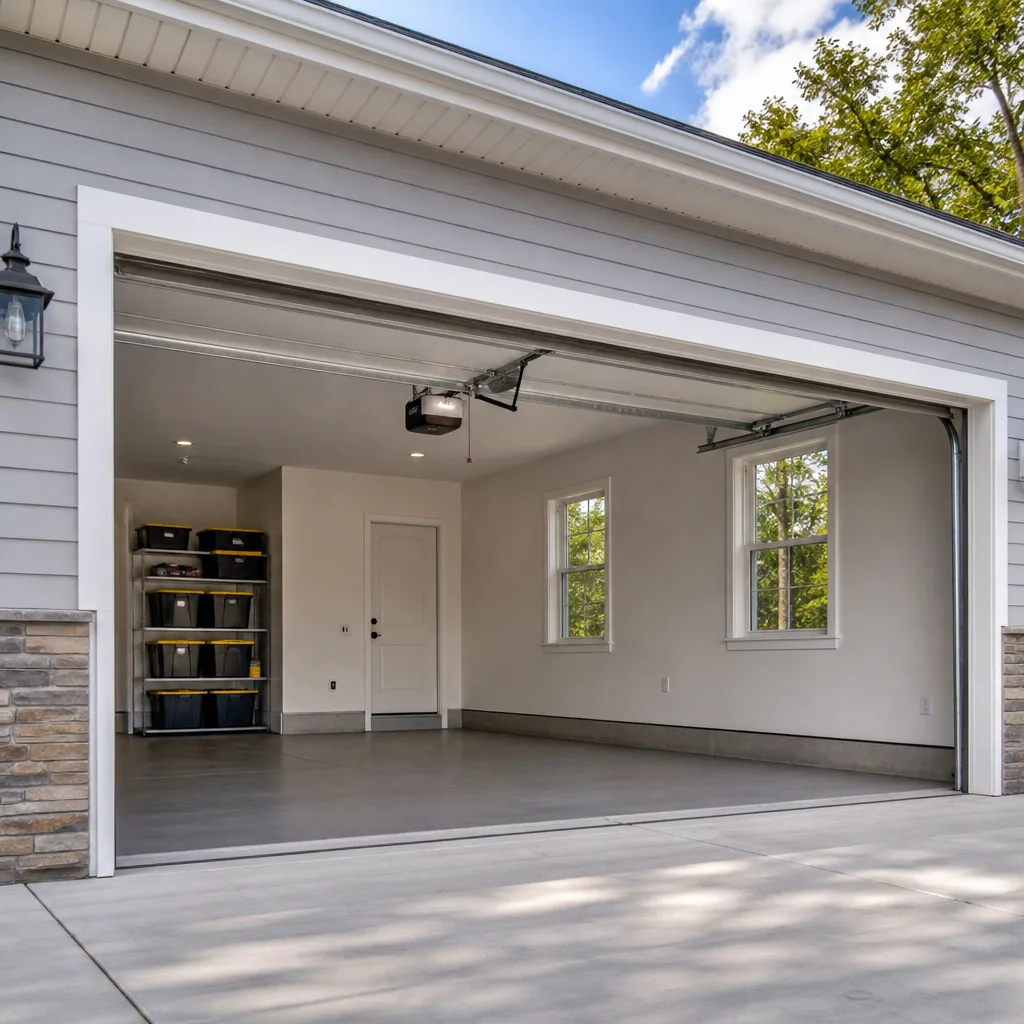 LiftMaster openers
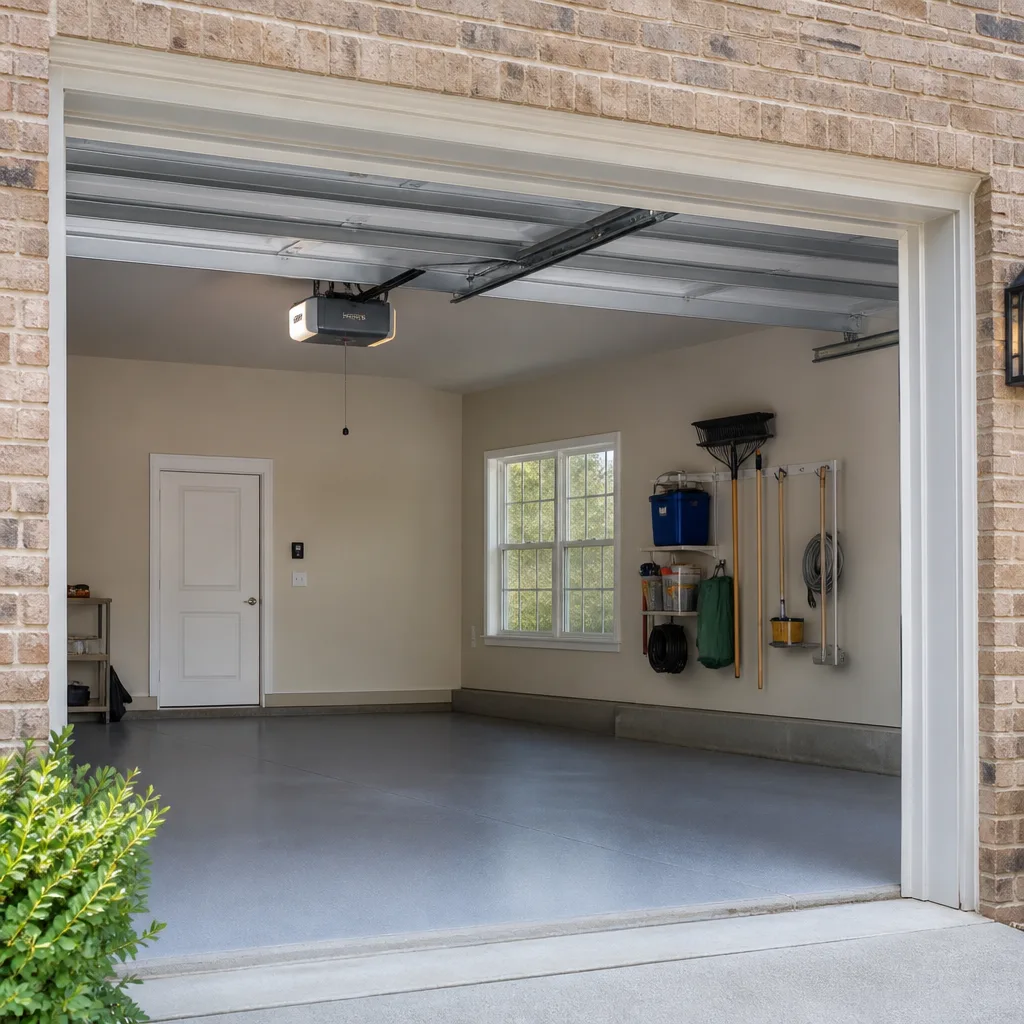 Chamberlain openers
Full 25-point door and opener safety check with every visit - springs, cables, rollers, tracks, and your LiftMaster or Chamberlain opener included
You get a price before we start. It does not change when the truck arrives.
Get your free estimateGarage Door Cost Breakdown: The Arleta Homeowner’s Reference for 2026
Most garage door cost guides you’ll find online are built from national survey data, which means they’re averaging in labor rates from rural Indiana and parts prices from markets with completely different supply chains. That’s why the number you see on a big home services site rarely matches the quote you actually get from a local Garage Door Repair Arleta technician. In Arleta, the realistic starting point for common repairs runs $50 to $80 above those national medians, and the difference comes down to two things: what LA-area labor actually costs, and which specific parts your door uses. This guide breaks down the real numbers, component by component, so you can read a quote and know whether it’s fair.
Quick Answer
Garage door repair in Arleta typically runs $180 to $340 for a single torsion spring replacement, $95 to $185 for cable replacement, and $350 to $650 for a new garage door opener installed. The single biggest cost variable is spring type: standard torsion springs cost less up front, high-cycle springs cost $40 to $80 more per spring but last roughly three times as long. A full new door installation in Arleta ranges from $900 for a basic single-car steel door to $3,500 or more for an insulated double-car door with windows.
Styles & brands we work with
- Raised-panel steel
- Carriage house
- Modern flush
- Full-view glass
- LiftMaster openers
- Chamberlain openers
Table of Contents
- Garage Door Springs: The Cost Engine
- Cables, Rollers, and Hinges: The Wear Items
- Garage Door Openers: What You Pay For
- Panel Damage and Replacement
- How to Read a Line-Item Quote
- The Real Cost of Deferring Maintenance
- Warranty Language: What It Actually Means in California
- Common Mistakes to Avoid
- When to Call a Professional
- Frequently Asked Questions
Garage Door Springs: The Cost Engine
Springs are the component that drives nearly every garage door repair bill, and they’re also the part where national averages mislead the most. In Arleta, a single torsion spring replacement typically costs $180 to $340 installed. That includes the spring itself, the labor to safely remove tension from the old spring, install and wind the new one, and a check of the door’s balance. If your door takes a matched pair, which is standard practice, you’re looking at roughly double that: $360 to $680 for both springs.
The reason the range is wide comes down to spring type. Standard torsion springs are rated for about 10,000 cycles, which translates to roughly 7 to 10 years of typical use for a door opened three or four times a day. High-cycle springs, which use a heavier-gauge wire and are treated for longer fatigue life, cost $40 to $80 more per spring but are rated for 25,000 to 50,000 cycles. In our experience, high-cycle springs make the most sense for anyone who uses their garage as the primary entrance to the house, which describes a lot of Arleta homes where the driveway and garage face the street.
Extension springs, found on older doors and some lightweight single-car setups, cost slightly less to replace: $120 to $230 per pair. But they fail differently than torsion springs, and they carry a safety requirement that adds a small cost: California building standards require safety cables run through the spring core on extension spring systems. If your older door lacks those cables, a proper repair includes adding them, which typically adds $30 to $60 in parts and labor. Never skip that step, and never let a technician skip it either. A spring that snaps and releases uncontrolled can cause serious injury.
Spring work is not a do-it-yourself job. The tension stored in a wound torsion spring is enough to break bones or worse if it releases suddenly. We carry the winding bars and know the exact quarter-turn counts for each spring size; if you’re not a trained technician, leave this one alone. The cost of the repair is far less than the risk of getting it wrong.
Cables, Rollers, and Hinges: The Wear Items
After springs, the components that wear out most often on Arleta garage doors are the lift cables, rollers, and hinges. These are the parts that move every single time the door opens, and Arleta’s dry, dusty conditions mean fine grit works its way into roller bearings and hinge pins faster than you’d expect. The good news is these are relatively inexpensive repairs, usually $95 to $185 for cables and $90 to $160 for a full set of rollers.
Here’s what each component replacement typically costs in Arleta:
- Lift cables (per pair): $95 to $185 installed. Cables fray at the bottom bracket or at the drum. If you see a single broken strand, replace both cables; the other one is usually at the same stage of wear.
- Rollers (full set, 10-12 rollers): $90 to $160 installed. Nylon rollers run quieter than steel and cost about $2 to $4 more each, but they’re worth it. Steel rollers on steel tracks are the rattling sound you hear in older Arleta garages.
- Hinges (per hinge): $12 to $35 installed. Hinges take a beating at the panel joints, and a bent hinge forces the door to track unevenly, which then strains the opener.
- Bottom seal or weatherstrip: $65 to $135 installed. This is one of the cheapest fixes that makes an immediate difference: it keeps out dust, rainwater during the brief winter storms, and the occasional lizard or field mouse looking for shade.
Rollers deserve special attention because they’re the silent killer of openers. When roller bearings seize up or wear flat, the door gets heavier to move. The opener’s motor works harder to compensate, drawing more current and generating more heat. The opener doesn’t complain; it just runs until it burns out. A $120 roller replacement now versus a $450 opener replacement a year from now is the kind of math that should make anyone pause.
Garage Door Openers: What You Pay For
A new garage door opener installed in Arleta runs $350 to $650, and the range depends on three things: drive type, motor class, and whether your existing electrical and mounting hardware is reusable. Chain-drive openers sit at the bottom of that range. They’re loud but proven, and they’ve been the workhorse of the industry for decades. Belt-drive openers cost $75 to $150 more installed, and the difference is noise: a belt drive is substantially quieter, which matters if you have a bedroom above or next to the garage.
In Arleta, many homes are single-story with attached garages, but if your garage sits under a converted room or you use it as a workshop, belt drive is worth the added cost. Wall-mount or jackshaft openers, which mount beside the door instead of on the ceiling, run $700 to $1,100 installed. They free up ceiling space and eliminate the center rail, but they require the door to be in good balance and the tracks to be properly aligned. They’re the right call for high-lift tracks or when clearance is tight, not for a door that’s already struggling.
We work on openers from LiftMaster, Chamberlain, Genie, and Craftsman regularly. Each brand has its own failure patterns: LiftMaster units from the last decade tend to develop gear wear in the drive sprocket, while Genie models often show issues with the travel-limit module. Knowing the brand in your garage up front saves a diagnostic step and usually a return trip for parts. If your opener is over 12 years old and the motor is failing, replacement is almost always the better spend than repair; new openers include rolling-code security, battery backup options, and much quieter operation than anything built before 2010.
For opener-specific issues, our garage door opener repair service covers diagnostics, logic board replacement, travel-limit adjustment, and full unit swaps. The most common call we get is an opener that runs but doesn’t move the door, which is almost always a stripped drive gear or a disconnected carriage – both quick fixes with the right parts on the truck.
Panel Damage and Replacement
Panel damage is the most common reason Arleta homeowners think about replacing an entire door when the actual fix is cheaper. A single damaged garage door panel can usually be replaced for $250 to $550, depending on the door brand, panel width, and whether the door is insulated. The catch is matching: if your door is more than 10 years old, the manufacturer may have discontinued that exact panel profile, color, or stamp pattern. In that case, a mismatched panel is cosmetic only, but most homeowners find it objectionable.
Two scenarios change the panel-replacement math:
- The door was hit hard enough to bend the track or twist the door sections. If the impact bent the vertical track or deformed the hinges at the panel joints, replacing only the panel is a temporary fix. The door will bind, the opener will strain, and you’ll pay for more repairs within a year. A full new door is the honest recommendation.
- The damage spans two or more panels. Once you’re replacing two panels on a mid-range steel door, you’re spending $500 to $900 on parts and labor for a door that’s already several years old. A new single-car door starts around $900 installed in Arleta. At that point, replacement becomes the better long-term value.
For homes on tighter streets or with narrow driveways, the panel profile also affects curb appeal. Arleta has a mix of 1950s ranch homes and newer builds, and the garage door is often the single largest visual element on the front elevation. A door with deep panel stamping or a woodgrain finish changes the look of the house. If you’re replacing a door rather than a panel, we walk through the options from Wayne Dalton, Clopay, and Amarr, but we don’t push toward a brand – we push toward the door that fits your opening and your budget.
How to Read a Line-Item Quote
A proper garage door quote separates parts, labor, and any disposal or haul-away charges. If a quote gives you one lump sum with no breakdown, that’s a red flag. It means you can’t see what you’re paying for, and you can’t compare it against another bid. Here’s how to read the line items:
- Parts cost. This should match or come close to what you’d pay at a wholesale or retail parts supplier. Garage door companies typically mark up parts 15 to 25 percent over their wholesale cost to cover inventory, stocking, and warranty handling. Markup beyond that is padding.
- Labor. In Arleta, expect $95 to $150 per hour for a trained garage door technician. Many repairs are quoted as a flat rate rather than hourly; flat-rate quotes should still be based on realistic time estimates. A spring replacement that takes 45 to 60 minutes should not carry a four-hour labor charge.
- Disposal or haul-away. Replacing a full door usually includes removal of the old one. Some companies add a $50 to $100 disposal line item; others fold it into the installation price. Either way is fine, as long as it’s listed and not a surprise.
- Any “service fee” or “diagnostic charge” on a repair quote. We don’t charge one; the estimate is free and the price is set per job by the written estimate. If a company quotes you a number and then adds a dispatch fee on top at the end, walk away.
The best safeguard is a written estimate that says the price quoted is the price agreed before any work starts. If a company won’t put that in writing, that’s not a company you want working on your door. The written estimate is the contract; the final invoice should match it line for line unless you approved a change in scope.
The Real Cost of Deferring Maintenance
Garage doors don’t fail all at once unless a spring snaps. Most failures are slow: a roller seizes, the door starts to travel crooked, the opener compensates, and six months later you’re replacing the opener, realigning the tracks, and buying new rollers instead of just buying rollers. The deferred-maintenance tax is real, and it’s quantifiable:
- Rollers ignored: $90 to $160 today versus $350 to $650 for a new opener plus $90 to $160 for the rollers you still have to replace. Total if deferred: $440 to $810.
- Loose hinges or bent track ignored: A minor realignment costs $80 to $150. A door that jumps the track and falls carries a serious injury risk and can easily run $400 to $800 in parts and labor to repair, plus whatever the door hit on the way down.
- Worn springs ignored: If one spring breaks, the other is not far behind. Replacing the pair at once costs $360 to $680. If you replace only the broken one, you pay $180 to $340 now and another $180 to $340 when the second one fails, plus a second service visit. The pair is always the cheaper path.
- Weatherstrip ignored: $65 to $135 now versus the dust, water staining, and potential bottom-panel rust that comes from letting Arleta’s dry-season dust and winter rain get under the door. A rusted bottom panel is $250 to $550 to replace.
None of this requires a maintenance contract or an annual plan. It just requires paying attention when the door starts sounding different or moving unevenly. The door tells you when something’s wrong before it breaks, usually with weeks of warning. The cheapest repair is the one you schedule when you first notice the symptom.
Warranty Language: What It Actually Means in California
Garage door and opener warranties are written to sound comprehensive and to exclude most of what actually fails. The two phrases you’ll see most often are “lifetime warranty” and “5-year parts guarantee,” and neither means what it sounds like it means.
“Lifetime warranty” on a door typically covers the steel panel against rust-through or manufacturing defects for as long as you own the home. It does not cover dents, scratches, paint fade, or damage from impact. It also does not cover springs, cables, rollers, hinges, or the opener – all of which have their own shorter warranties. If the door itself rusts through from the inside out, you’re covered. If your neighbor backs into it, you’re not.
“5-year parts guarantee” on an opener covers the motor, logic board, and drive components against manufacturing defects for five years from the purchase date. It does not cover the travel module, sensors, remotes, keypads, or the battery in a battery-backup unit, all of which commonly carry 1-year coverage. It also does not cover labor to diagnose or install warranty parts. In California, warranty parts must be replaced under the state’s consumer protection laws, but you can still be charged for the service visit and installation time. Ask the company quoting your repair to put in writing exactly what the warranty covers, for how long, and what you pay for labor on a warranty claim. If they won’t, that’s information you need before you sign.
There is no requirement that a garage door company offer any warranty at all. Those that do are signaling they’ll stand behind the work. Those that don’t are signaling something else.
Common Mistakes to Avoid
- Replacing only one spring. Springs are installed as a matched pair and they fatigue at the same rate. You’ll pay for the second service visit within a year, and you’ll pay two labor charges instead of one.
- Using national cost averages to judge a local quote. Arleta labor rates reflect the LA metro market. A quote $50 to $80 above the national median for a spring replacement is not a ripoff; it’s the local market. That said, verify the line items so the markup is justified.
- Ignoring the door balance when installing a new opener. A new opener on a door with weak springs burns out the opener in short order. The door should hold at knee height on its own before the opener is connected. If the installer doesn’t test the balance, they’re setting you up for a follow-up failure.
- Buying the cheapest opener for a bedroom-adjacent garage. A chain-drive opener is loud. If noise matters, spend the extra money on belt drive now rather than replacing a chain drive in two years because it wakes the household.
- Deleting safety cables on extension spring doors. These are a California code requirement, not an upsell. A technician who says “you don’t need those” is not someone you want working on your door.
- Accepting a quote with no parts breakdown. One lump-sum number means you can’t check the markup. If they won’t itemize, get another quote.
- DIY spring replacement. This is the one garage door task where the injury risk is not hypothetical. The tools are specialized, the stored energy is severe, and the cost of a professional repair is less than any emergency room visit. Leave it to someone who does it daily.
When to Call a Professional
A garage door that opens and closes smoothly needs nothing from you. A door that hesitates, bangs, scrapes, sags, or groans needs attention, and most of the underlying causes are not things you can safely fix with a screwdriver. Call a professional when: a spring has snapped or you see a visible gap in a torsion spring; the door runs unevenly or sits visibly crooked; the opener runs but the door doesn’t move; you hear a grinding sound from the opener unit; or the door is over 15 years old and you’re not sure whether to repair or replace.
Garage Door Repair Arleta offers garage door repair, opener diagnostics, and full door installation across Arleta. We work on the brand already in your garage, from the opener to the panel, and we give you a written estimate before any work begins. Call (877) 573-0278 for a free estimate. We answer 24/7. Fast dispatch from 7am to 7pm, Sunday through Friday.
Frequently Asked Questions
A single torsion spring replacement in Arleta runs $180 to $340 installed; a matched pair costs $360 to $680. High-cycle springs add $40 to $80 per spring. The price is set by the written estimate before work starts. Call (877) 573-0278 for an exact quote – estimates are free.
Yes. We answer 24/7 and our crews are dispatched Sunday through Friday, 7am to 7pm. If we reach you during dispatch hours, same-day spring replacement is usually available because we carry standard and high-cycle torsion springs on the truck. The price is quoted and agreed before any work starts.
National cost guides average labor rates across the entire country, which blends in markets with significantly lower operating costs than the LA metro area. Arleta labor and parts pricing reflects the local market; a spring replacement quoted $50 to $80 above the national median is generally in line with what local companies actually charge.
For most Arleta homes, yes. High-cycle springs cost $40 to $80 more per spring and are rated for roughly three times as many open-and-close cycles. If you use the garage door as your front door, coming and going multiple times a day, the added cost buys several extra years before the next spring replacement.
A lifetime warranty typically covers the steel door panel against rust-through or manufacturing defects for as long as you own the home. It excludes dents, scratches, paint fade, impact damage, and every moving component: springs, cables, rollers, hinges, and the opener. Ask for warranty terms in writing before you sign.
No. The price you’re quoted before work begins is the price unless you approve a change in scope. If the technician finds an additional issue, they explain it and you approve the added cost before any extra work happens. We don’t quote one number and invoice another. Call (877) 573-0278 to get a written estimate.
The Bottom Line
Garage door costs in Arleta run above the national medians because local labor reflects the LA metro market, not a national blend. The component-level prices in this guide reflect what we see on jobs across the city every month. The single biggest variable is spring type, followed by whether you replace wear items now or wait for them to cascade into opener failure. Read quotes line by line, insist on written pricing, and don’t ignore a noisy or uneven door. Small repairs early are the difference between a $120 fix and a $650 opener replacement. If you have questions about your specific door, call (877) 573-0278.
Written by the team at Garage Door Repair Arleta, serving Arleta since 2018.
See the difference
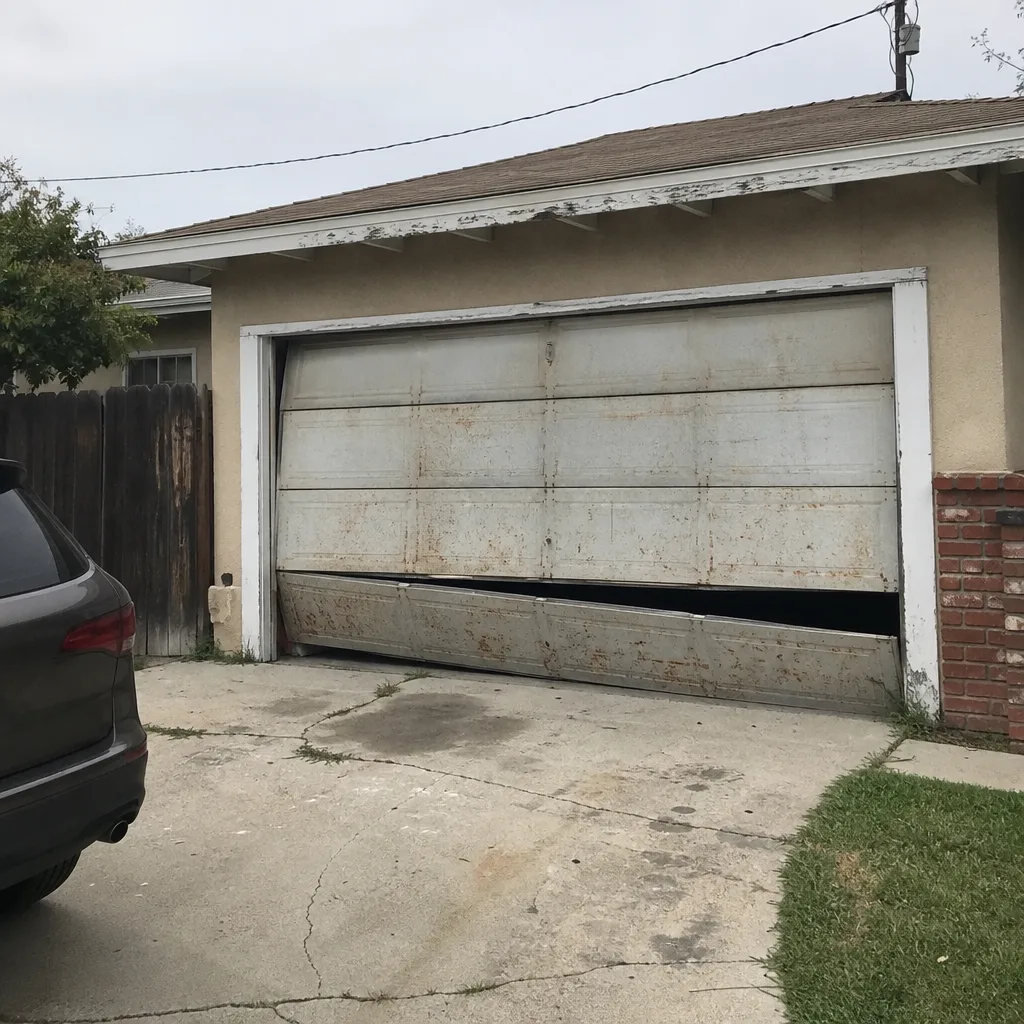 Before
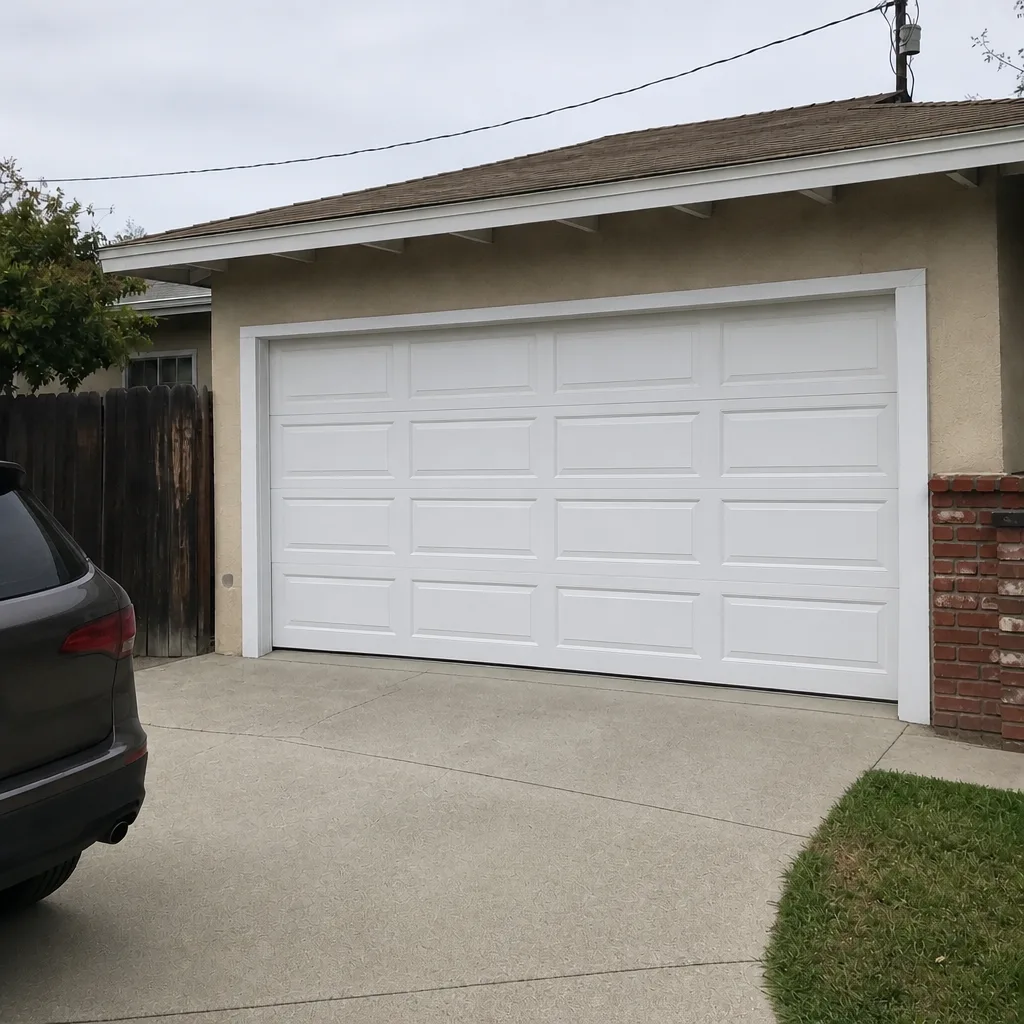 After
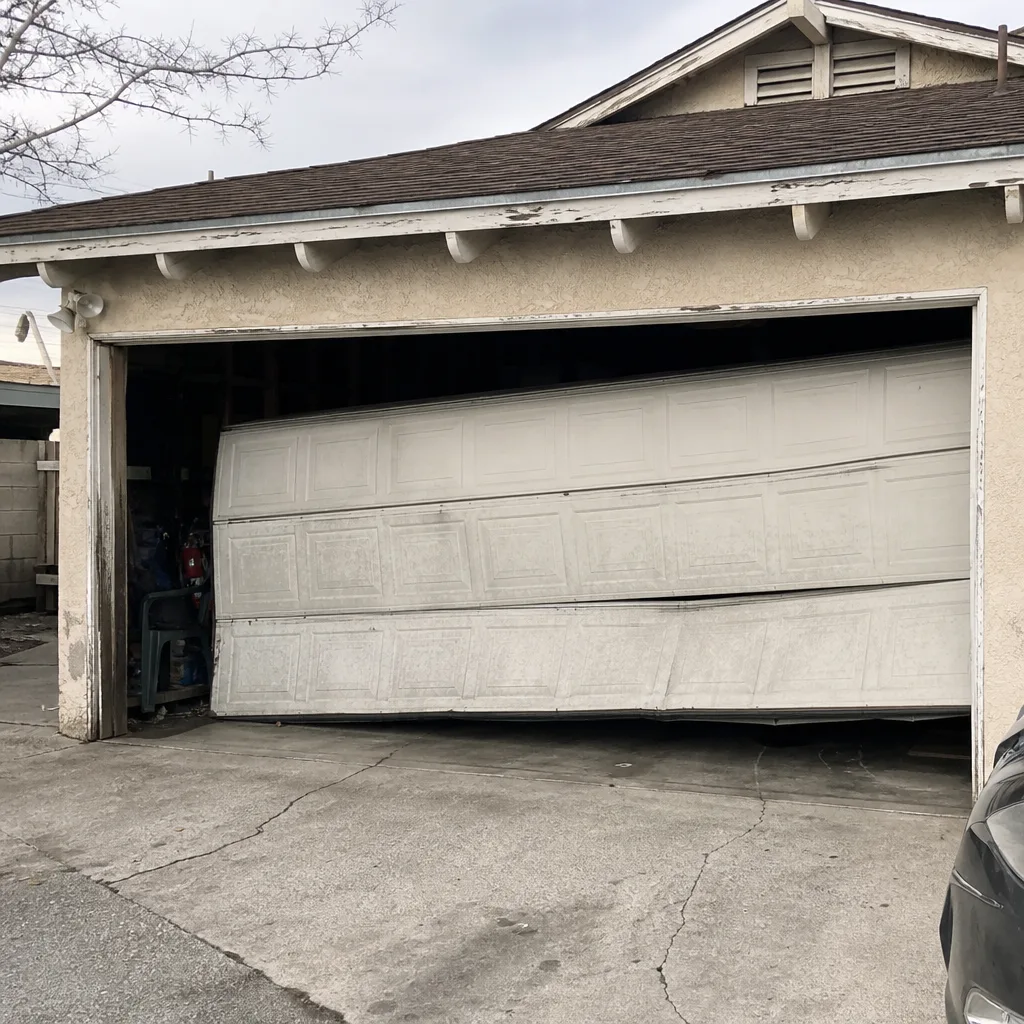 Before
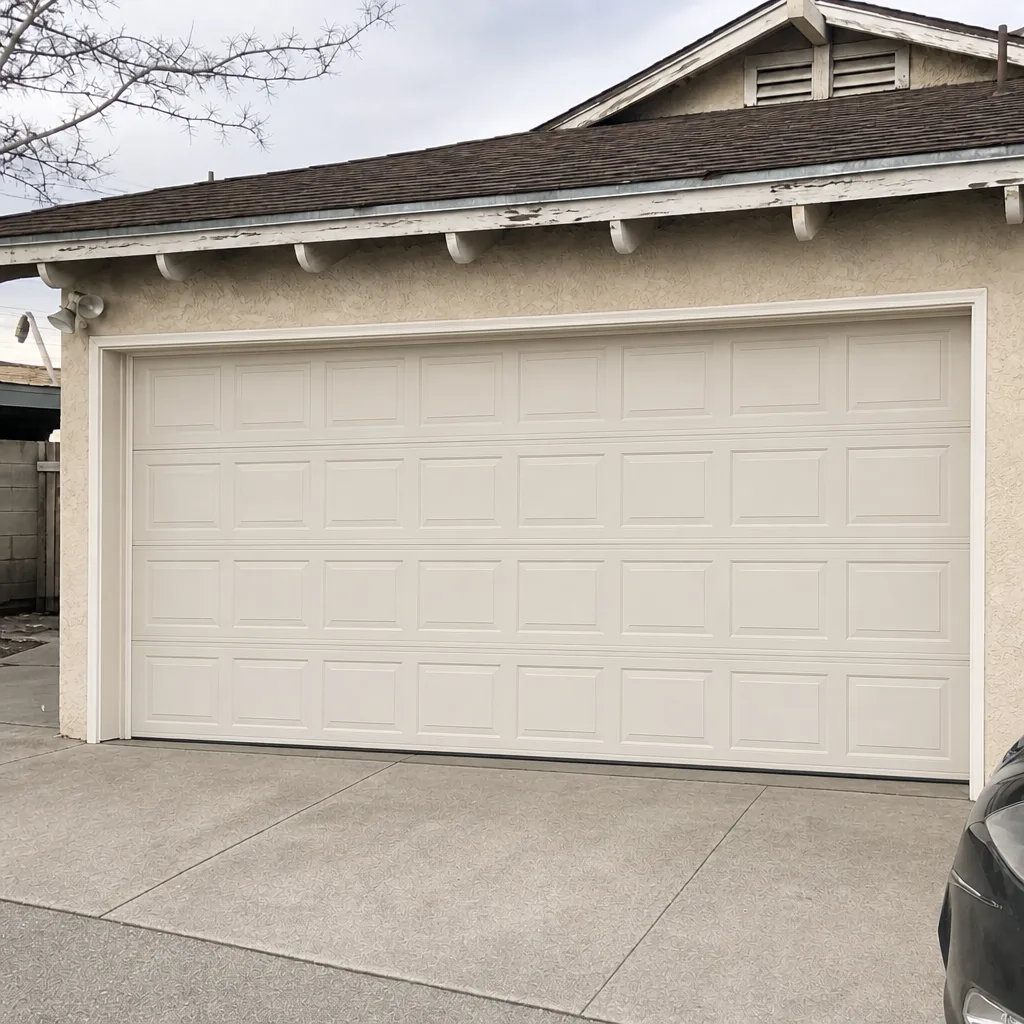 After
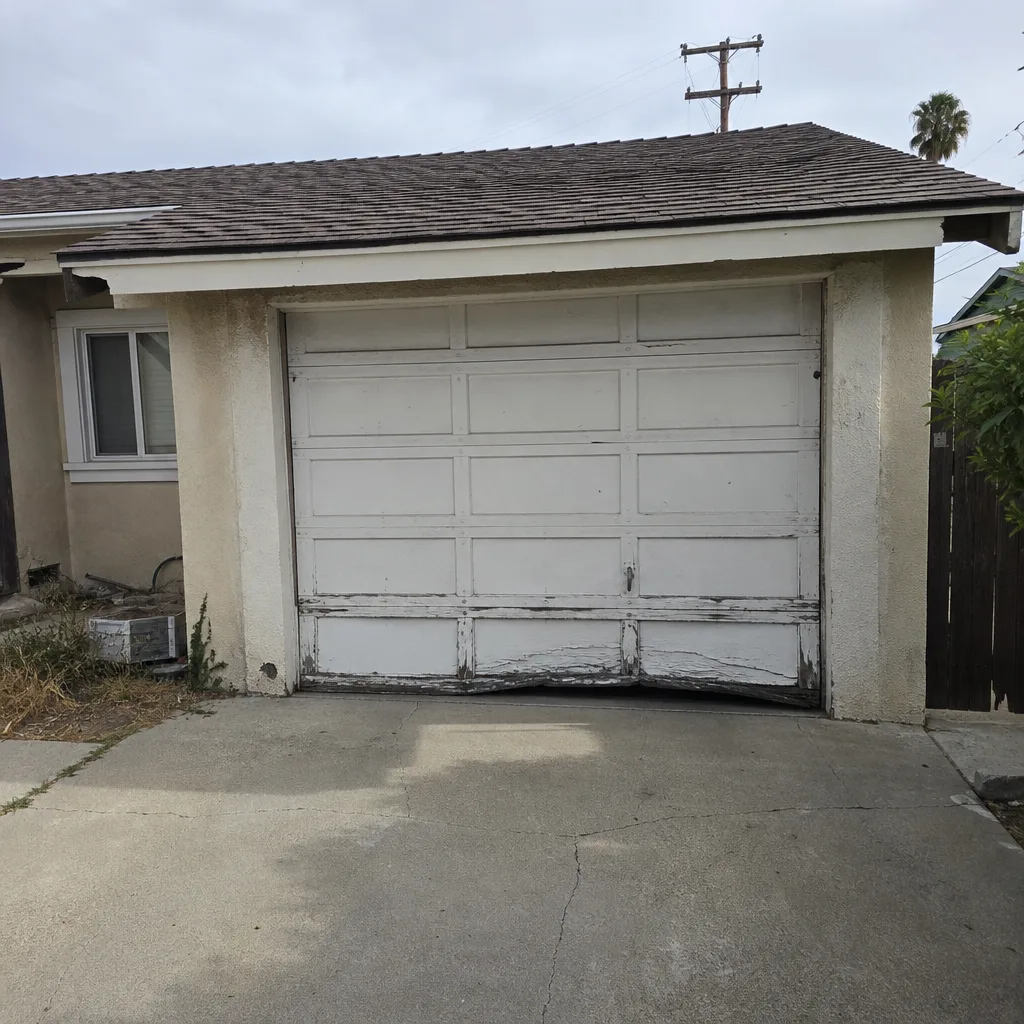 Before
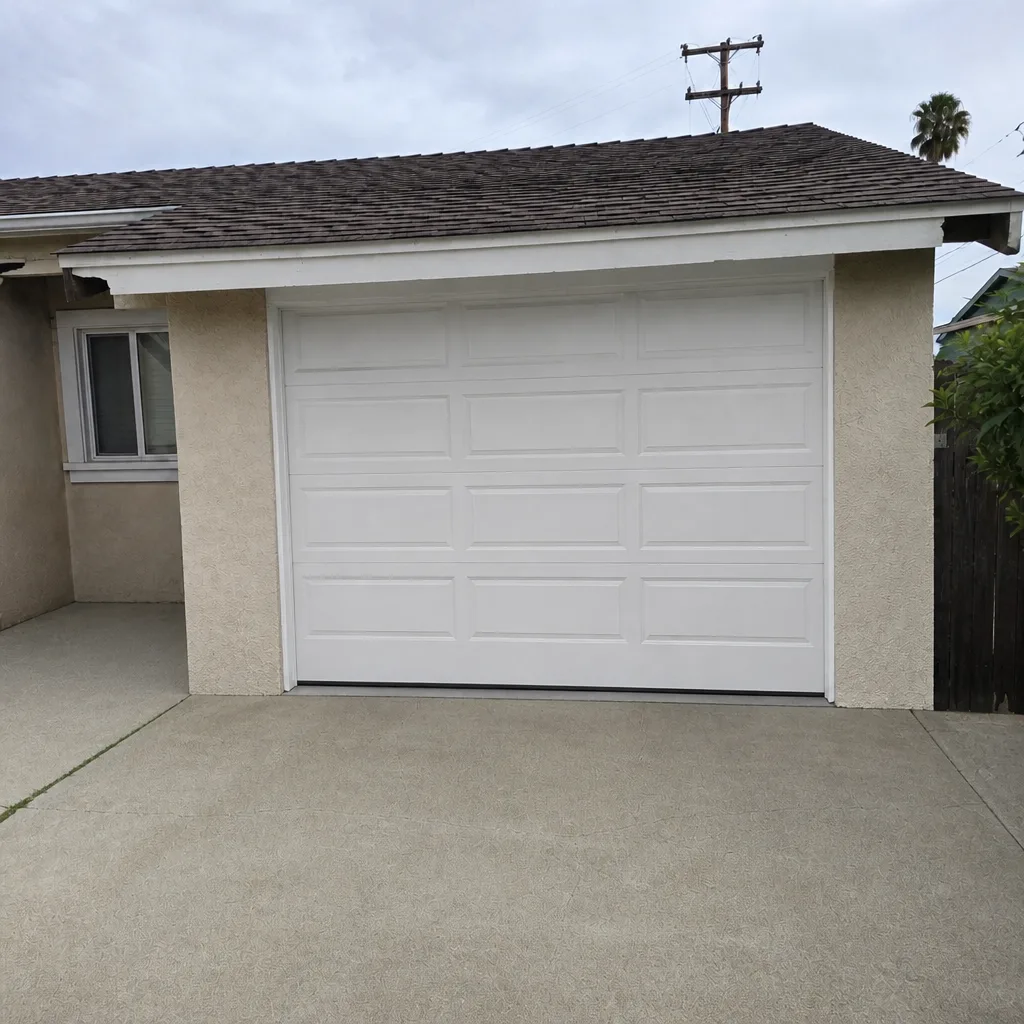 After