
Last updated November 4, 2026
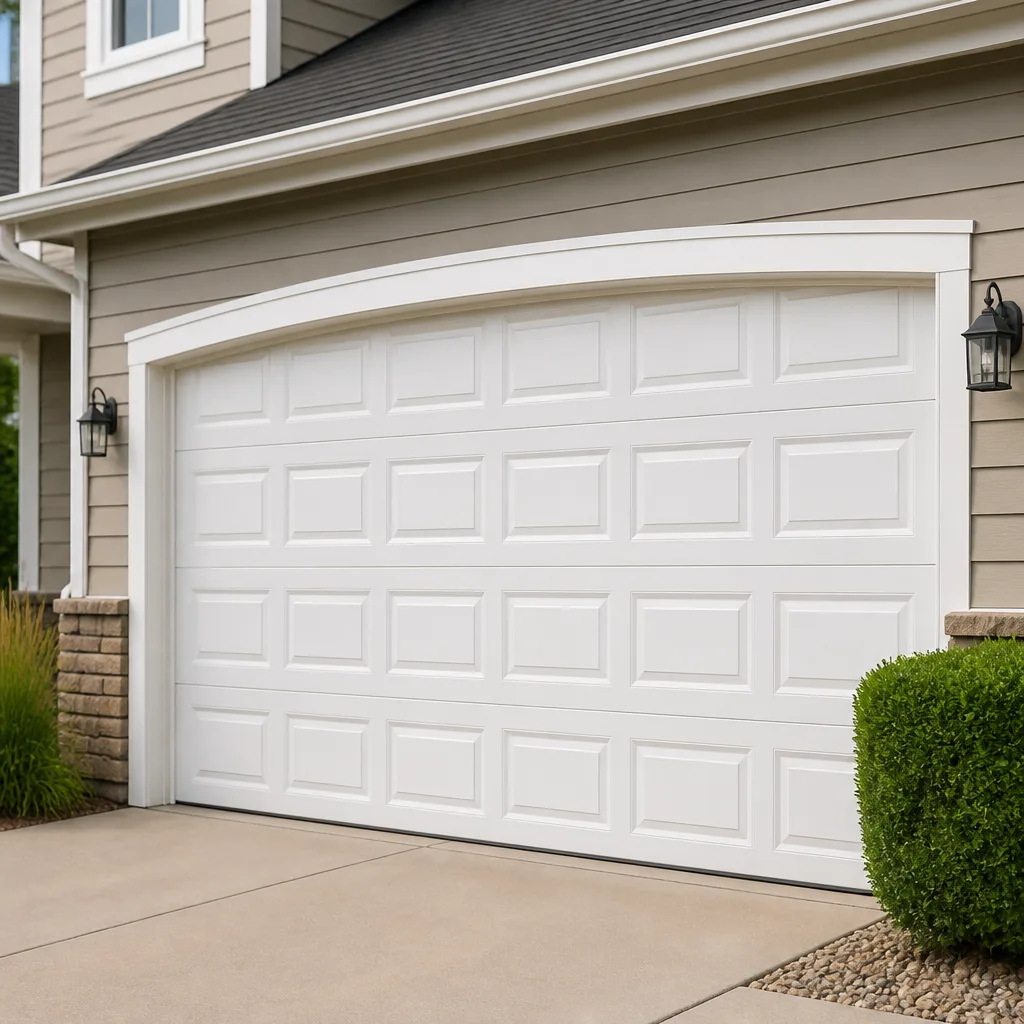 Raised-panel steel
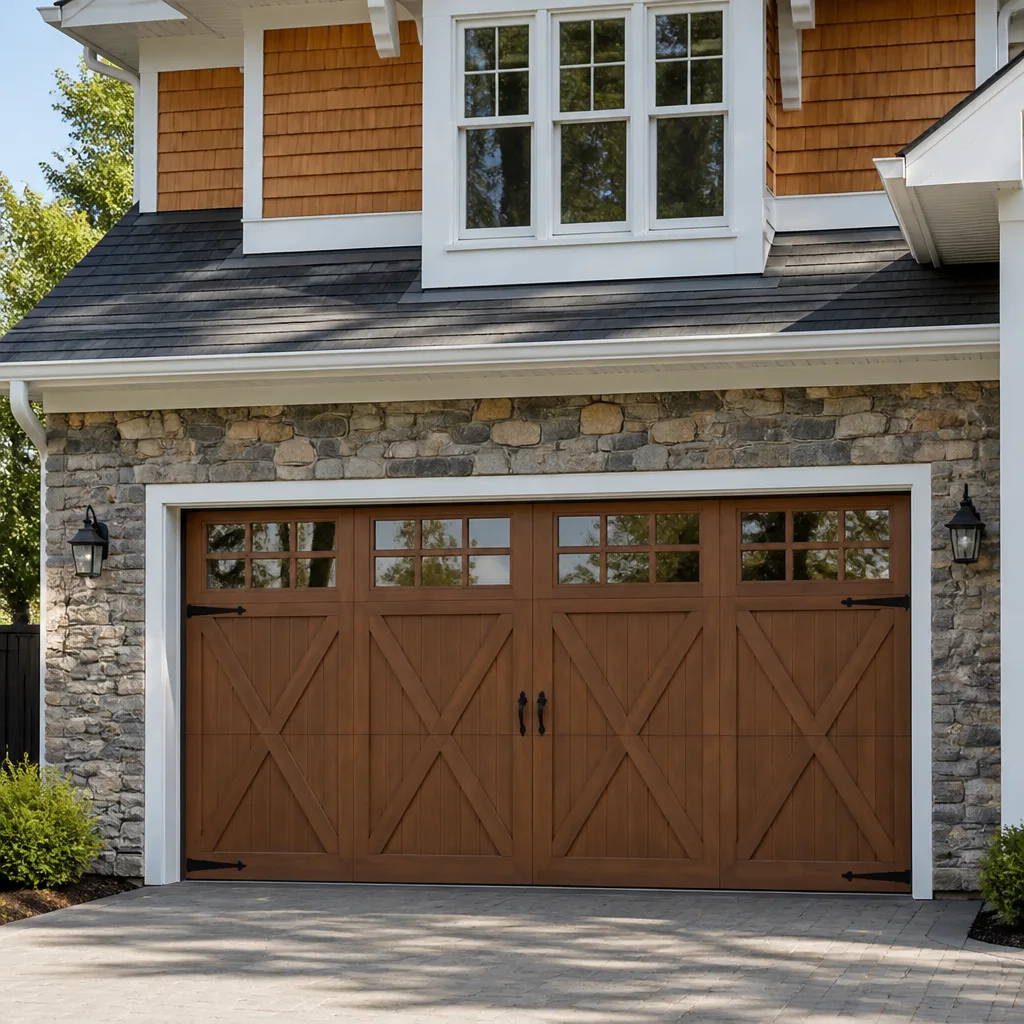 Carriage house
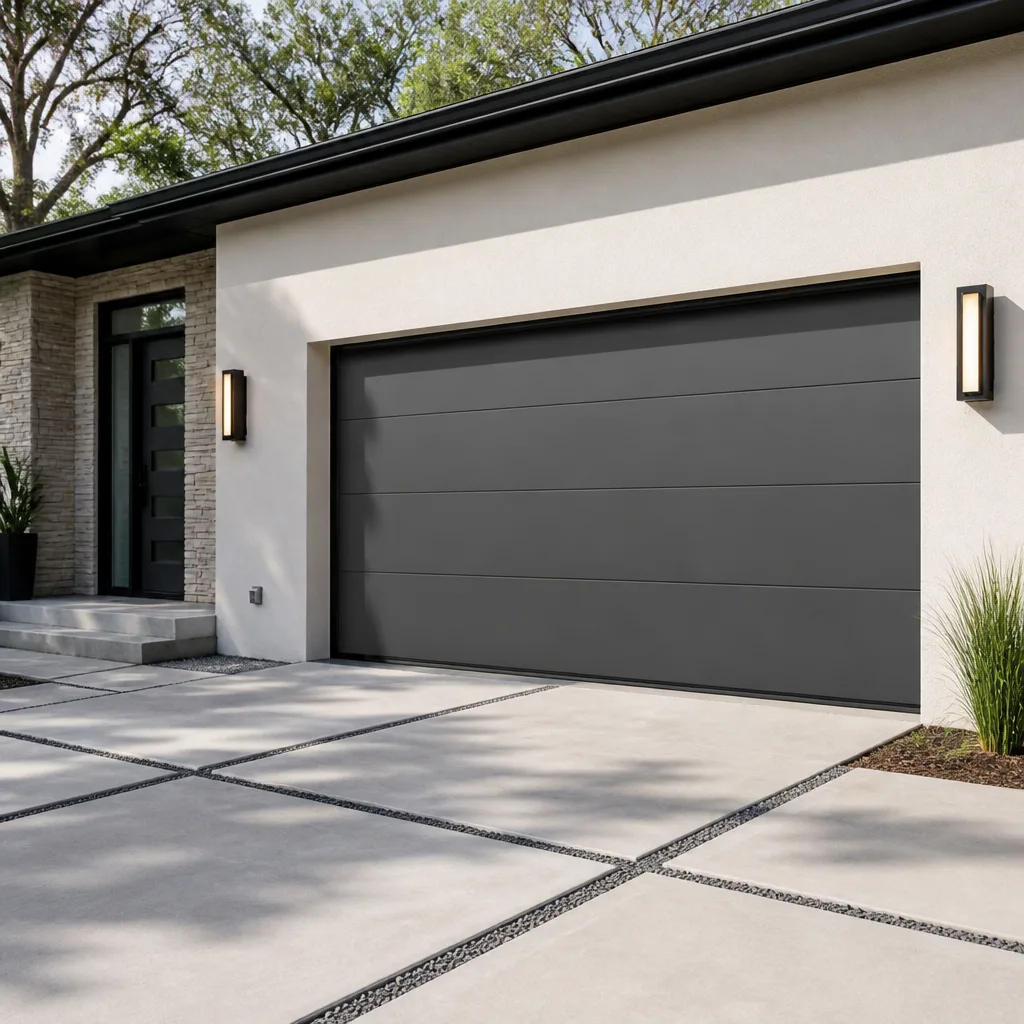 Modern flush
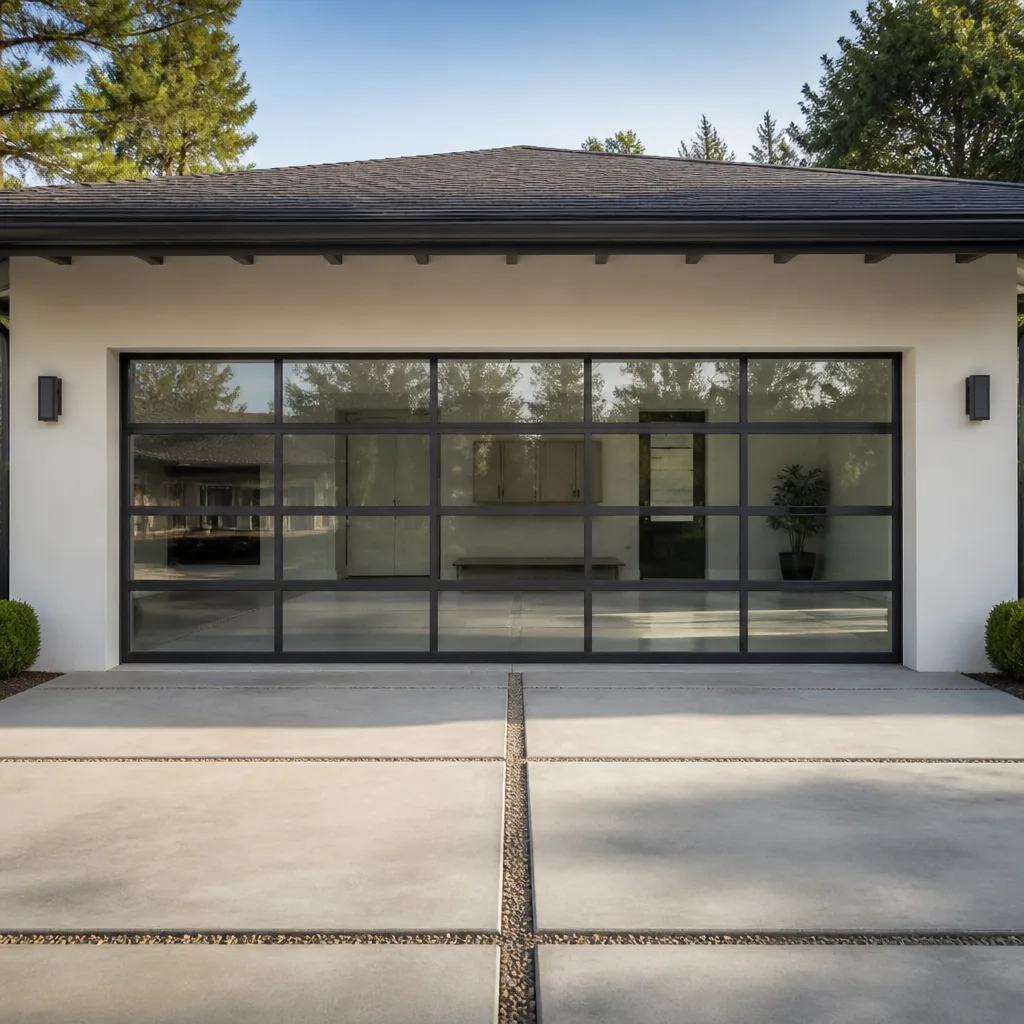 Full-view glass
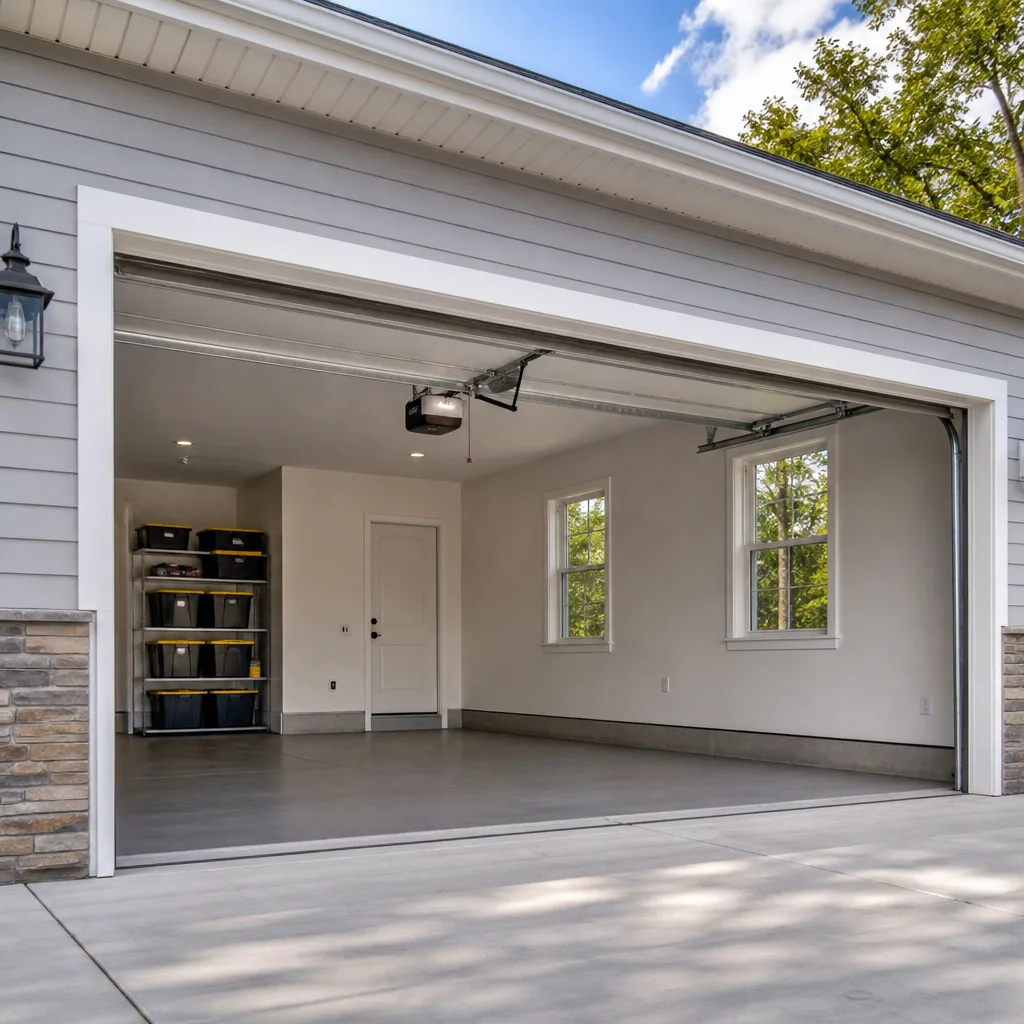 LiftMaster openers
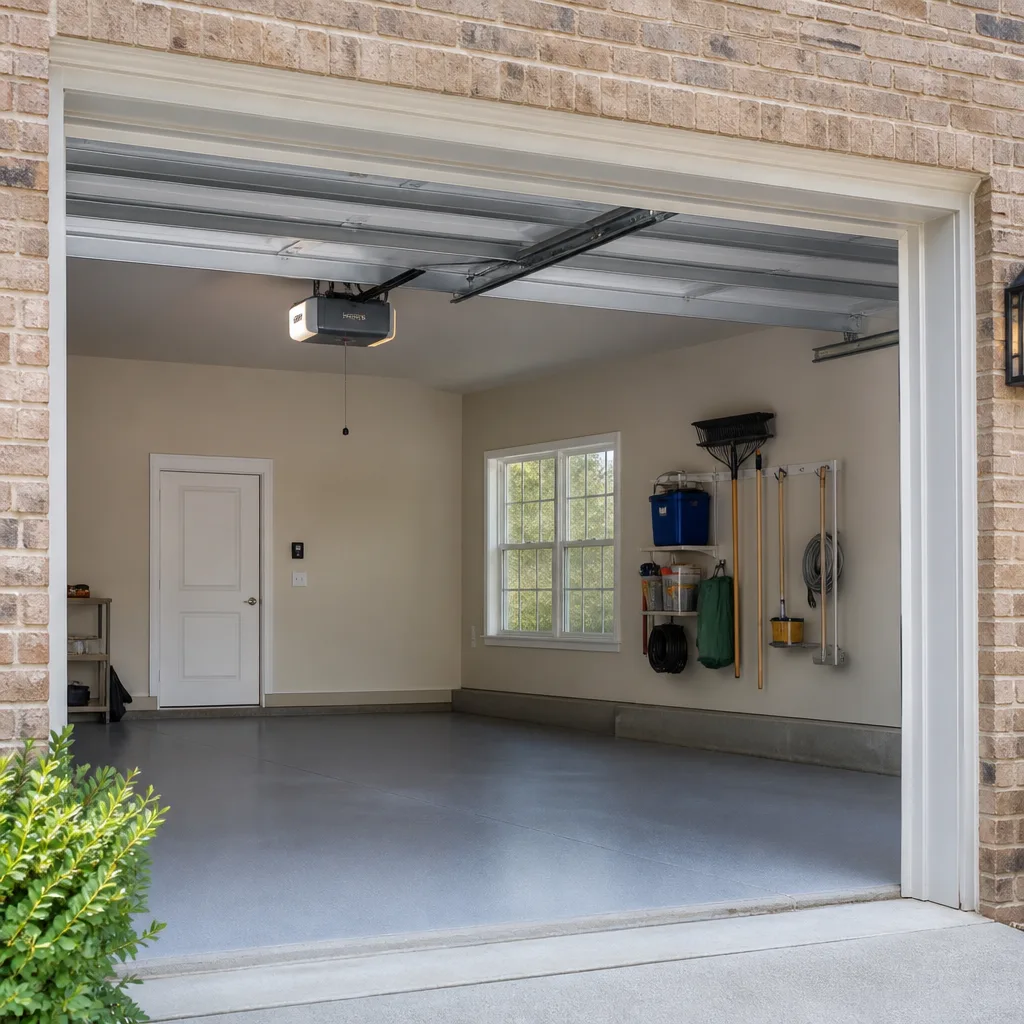 Chamberlain openers
Full 25-point door and opener safety check with every visit - springs, cables, rollers, tracks, and your LiftMaster or Chamberlain opener included
You get a price before we start. It does not change when the truck arrives.
Get your free estimateDIY vs Professional Garage Door: The Arleta Homeowner’s Decision Guide
A garage door torsion spring under full tension stores roughly the same potential energy as a loaded handgun, not as a colorful metaphor but in measurable foot-pounds of force. That single fact reframes the entire DIY conversation. Most homeowners in Arleta don’t hesitate to swap a light fixture or patch drywall, and rightly so. But a garage door is the largest moving object in your home, and the line between a safe weekend project and a hospital visit runs straight through the spring assembly above your head. This guide draws that line clearly, component by component, so you can decide with information instead of optimism.
Quick Answer
Safe DIY garage door work in Arleta includes weather seal replacement, photo-eye sensor realignment, track lubrication, and remote programming. Anything involving torsion springs, cable drums, or header bracket bolts should go to a professional, because those components store lethal levels of tension. The decision is less about your skill and more about the physics of the part you’re touching.
Styles & brands we work with
- Raised-panel steel
- Carriage house
- Modern flush
- Full-view glass
- LiftMaster openers
- Chamberlain openers
Table of Contents
- The Physics Problem: Why Some Parts Can Kill You
- What a Homeowner Can Safely Touch
- What Requires a Professional, Every Time
- Extension vs Torsion Springs: Identifying Your System
- Real Failure Modes: What Actually Happens When Springs Go Wrong
- Cost Analysis: When DIY Saves and When It Backfires
- Arleta-Specific Considerations: Climate, Housing Stock, and Code
- Common Mistakes to Avoid
The Physics Problem: Why Some Parts Can Kill You
Every garage door system balances weight against stored energy. A standard 16-foot residential door weighs between 150 and 250 pounds depending on material and insulation. The springs don’t lift the door for you; they offset that weight so the opener motor or your arm only handles a fraction of it. When a torsion spring is wound, it’s storing the force needed to move roughly 200 pounds through a full travel cycle. If that spring lets go while you’re working on it, the release is instant and complete.
Here’s the component list that matters for this decision, ranked by stored energy:
- High risk – torsion springs: Mounted on a metal shaft above the door opening. Wound under 7 to 9 full turns of tension in most residential setups. This is the lethal component.
- High risk – extension spring cables and pulleys: Older systems use stretched springs along horizontal tracks. Lower per-spring force than torsion, but still enough to break fingers or send a cable whip across the garage.
- Moderate risk – bottom bracket cables: These carry the door’s full weight when it moves. If you unbolt a bottom bracket with the door open, the cable becomes a projectile.
- Low risk – hinges, rollers, tracks, photo-eyes, weather seals: These parts move but don’t store much energy. With basic precautions, a homeowner can work on them safely.
The reason professionals exist for this trade isn’t gatekeeping. It’s that garage door repair on spring assemblies requires specific winding tools, and the absence of those tools, not a lack of skill, is the primary injury mechanism. You cannot safely substitute a screwdriver and a pair of vice grips for winding bars. The steel rods need to be the right diameter, the right length, and fully seated in the winding cone before you apply any torque. Half-seated bars slip, and when they slip, the spring unwinds through your hands.
What a Homeowner Can Safely Touch
You’d be surprised how many garage door complaints have solutions that require no spring work at all. Before calling anyone, these are the tasks we tell Arleta homeowners are genuinely safe to attempt:
- Weather seal replacement: The rubber strip along the bottom of the door slides out of its retainer track. You pull out the old one, cut the new one to length, and slide it in. No tension, no tools beyond a utility knife and maybe a flathead to clear the channel. Arleta’s summer dust and winter rain both pile on old seals, so this is a maintenance item you’ll touch more than once.
- Photo-eye sensor realignment: The small sensors on either side of the door track have indicator lights. If one blinks, the beam is misaligned. Loosen the wing nut, adjust the sensor until the light goes solid, tighten. The sensors are low-voltage and the door won’t close on you, because a bad beam means the opener refuses to operate.
- Track lubrication: Use a silicone spray or white lithium grease on hinges and rollers. Wipe the track itself clean; putting grease in the track just collects grime. Do this twice a year in Arleta’s dry climate and you’ll cut a lot of wear noise.
- Remote and keypad programming: Every major opener brand has a learn button sequence. If you have the manual, you can program a replacement remote in under five minutes. If you don’t, the instructions are a quick search away. This is electronics, not mechanics.
- Visual inspection: Look at your cables for fraying, your rollers for flat spots, your springs for gaps in the coils. Knowing what’s wrong before you decide who fixes it puts you in control of the conversation.
These five items cover a meaningful chunk of the service calls we receive. A homeowner who handles seals and sensors themselves is not being reckless; they’re doing the equivalent of changing their own oil. The skill floor is low and the injury risk is nearly zero if you keep your hands off the cables and springs.
What Requires a Professional, Every Time
The line is bright. If the part is under spring tension, or if removing it releases spring tension, stop and call someone trained. Here’s the no-exceptions list:
- Torsion spring replacement: The spring must be unwound with proper winding bars, swapped, then wound to the correct number of quarter-turns based on door height and weight. Every step carries stored force. One slip, even with the right tools, is a serious injury.
- Cable drum adjustment or replacement: The drums at each end of the torsion shaft guide the lifting cables. If a cable has jumped the drum, the door is a lopsided hazard. Correcting it means working next to a wound spring, and sometimes releasing tension to access the drum.
- Bottom bracket and cable replacement: The brackets at the door’s bottom corners are bolted through the door section, and their cables run up to the drums. Unbolting a bottom bracket with any tension on the line sends steel flying. This job requires bracing the door and managing the cable under controlled release.
- Header bracket bolts: The bracket that holds the torsion tube above the door takes the full spring load. If those lag bolts are pulling loose, the entire assembly can drop. Tightening or replacing them safely means supporting the shaft, often with tension already on the springs.
- Opener replacement where the old unit is hardwired: Swapping a plug-in opener head is approachable. But if you’re replacing a hardwired unit, or if the opener has a failing logic board that needs diagnosis, garage door opener repair is a job where branded experience matters. Each opener brand has its own fault codes and failure modes, and a wrong diagnosis on an opener can leave you with a door that works intermittently.
Garage doors are all we do. The pattern recognition from working on spring systems every week, across every door brand in the valley, means a professional sees the failure in minutes where a homeowner might spend a Saturday chasing the wrong part. That’s not a knock on anyone’s intelligence; it’s repetition.
Extension vs Torsion Springs: Identifying Your System
If you’re deciding whether to touch a spring, you first need to know which system you have. Arleta’s housing stock spans several decades, and both spring types are common across the neighborhood’s garage doors.
Extension spring systems: These are the older design. Look above your door tracks on the left and right. If you see two long springs stretching horizontally, anchored at the back of the track and hooked to cables that run through pulleys to the bottom of the door, you have an extension system. These springs stretch rather than wind. When the door is closed, they’re extended under load. The good news: extension springs carry less energy per spring than torsion springs, and they typically have safety cables running through their cores so a broken spring stays contained rather than flying across the garage. The bad news: they still hold enough force to break a hand if grabbed under tension.
Torsion spring systems: Look above the closed door. If you see one or two thick springs wrapped around a metal shaft, mounted on a bracket bolted to the wall, you have torsion springs. This is the modern standard and the more dangerous system. The springs wind and unwind as the door moves. Under full tension, each spring holds thousands of foot-pounds waiting to release.
Here’s why the distinction matters for DIY: extension springs are statistically safer to work with, but only relatively. You still need to clamp the door open, relieve the stretch, and work carefully, and you still need a clear understanding of how the cables route through the pulleys. Torsion springs are never a DIY job, not because the average homeowner couldn’t learn the procedure, but because the consequence of a learning mistake is a trip to the emergency room. The risk profile is asymmetric in the worst way.
Real Failure Modes: What Actually Happens When Springs Go Wrong
The vague warning “springs are dangerous” doesn’t stick because it doesn’t tell you what happens. Here’s the concrete sequence of failure types we’re talking about, drawn from what technicians see in the field and from formal garage door safety literature:
- Winding bar slip: The installer inserts a bar into the winding cone, applies torque, and the bar isn’t fully seated. The cone rotates under force, the bar kicks out, and the spring unwinds in a violent snap. The hand holding the bar absorbs the hit. Documented injuries include broken metacarpals, deep lacerations, and degloving of fingers. This is the most common serious injury and it happens in under a second.
- Improper wind count: The technician winds the spring the wrong number of quarter-turns, which unbalances the door. The door now wants to climb or slam shut on its own. A door that slams shut because the spring is under-wound can crush whatever is under it. In the cases we see, this is often a pet, a child’s toy, or the homeowner’s arm reaching under a closing panel.
- Cable drum jump: The cables jump the drums on one side because the spring was replaced with the wrong size or wound unevenly. The door now operates crooked, and each cycle stresses the panels, hinges, and track. Left unrepaired, the door eventually pulls itself out of its track and falls.
- Spring fatigue break: The spring simply snaps from metal fatigue after its rated cycle life is reached. This isn’t caused by DIY; it’s caused by time. But it’s the reason you don’t want to be standing near a spring assembly when it decides to go. The break sounds like a gunshot, and on torsion systems without a containment cable, the broken spring can unwind across its full length.
- Loosened set screws: The small bolts that hold the spring to the shaft walk loose over time without threadlocker. The spring loses purchase, the door drops suddenly, and the homeowner who installed it without the right torque spec learns about set screw failure the hard way.
These aren’t edge cases. They’re the documented ways amateur spring work goes wrong, and they repeat themselves across every market we’ve worked in, from the valley to the foothills. The injury numbers aren’t what matter here; the pattern is. Every failure begins with a decision to work on a system that doesn’t forgive mistakes.
Cost Analysis: When DIY Saves and When It Backfires
The financial argument for DIY garage door work holds up, but only for low-tension jobs. Here’s the honest arithmetic:
Where DIY genuinely saves money:
- Weather seal replacement: The seal itself runs $15 to $50 at any hardware store. A professional call to replace it will include the service visit, so you’ll pay more. This is a clear DIY win.
- Photo-eye realignment: Often a zero-dollar fix. You loosen a wing nut, adjust, tighten. Save yourself the call entirely.
- Lubrication: A can of silicone spray costs under $10 and covers a year of maintenance. No professional needs to be involved.
- Remote programming: Replacement remotes are $20 to $60, and programming is a button-press sequence. Unless the logic board itself is failing, do it yourself.
Where DIY backfires on the ledger:
- Torsion spring replacement: The DIY path means buying winding bars ($40 to $100 for decent ones), a spring in the right size and wind direction ($50 to $120 per spring), and then hoping you got the measurements right. If the door is unbalanced afterward, you pay for a professional to redo the job, plus potentially new cables if the first attempt damaged them. The original professional call is cheaper than a botched attempt plus a correct one.
- Cable drum work: Similar math. The parts are cheap. The consequence of doing it wrong is a door that falls off its track, and then you’re not paying for a cable adjustment; you’re paying for a full track and panel repair.
- Opener diagnosis without brand-specific knowledge: A homeowner might replace a perfectly good logic board when the problem is a failing travel module, or swap the opener entirely when a gear needed replacing. The wrong diagnosis wastes parts money before the professional even arrives.
The honest framing is this: for the safe list, DIY is pure savings. For the professional list, DIY is a gamble where the downside is bigger than the professional quote. And no one who has seen the aftermath of a winding bar slip thinks the gamble was worth it.
Arleta-Specific Considerations: Climate, Housing Stock, and Code
Arleta’s climate is mild by any standard, which matters for your garage door in a specific way: metal fatigue drives spring failure more than weather does. You won’t deal with the freeze-thaw cycles that stress doors in other regions, but the summer heat here cycles garage interiors well past 100 degrees on afternoon sun exposure, and that thermal expansion and contraction works on spring steel over thousands of cycles. Springs fail from use, not rust, which is why cycle-rated springs matter when you buy.
The housing stock around Arleta also shapes what you’re likely to find when you look up. Homes built in the mid-century surge lean toward extension spring systems, many of which are now decades old and overdue for safety cable retrofit. Newer construction and renovations tend toward torsion systems, often paired with openers from Genie or Chamberlain. Meanwhile, the door panels themselves across Arleta garages are frequently Clopay, Amarr, or Wayne Dalton, all of which hold up well in dry valley air but vary in weight and insulation, which then changes the spring spec.
On code: Arleta falls under Los Angeles city building jurisdiction, and any structural work on a garage door opening, including header bracket replacement on a load-bearing wall, generally requires a permit. A straight spring swap or opener replacement does not. But the safest move is to call the city’s building department and ask about your specific scope before any DIY structural work. Nobody wants a code violation attached to a future sale.
One practical note for Arleta homeowners: the neighborhoods here have a lot of attached garages, which means your garage door is part of your living envelope. A door that won’t close, or a spring that snapped with the door open, isn’t just an inconvenience, it’s an open wall to the street. Garage Door Repair Arleta has been serving these neighborhoods since 2018, and the calls we take from homeowners weighing DIY against a professional quote usually come down to that same question: how long can this door stay unusable, and what’s at risk while it is?
Common Mistakes to Avoid
- Substituting tools for torsion spring work: Using screwdrivers, vice grips, or rebar instead of proper winding bars is how the worst injuries happen. The tool either bends or slips, and the spring wins. If you don’t own the right bars, that’s the sign to stop.
- Assuming the opener lifts the door: The opener moves the door; it does not carry its weight. When a spring breaks, the opener strains against the full 200-pound load and eventually burns out its motor or strips its gear. Knowing this changes how you diagnose a door that’s suddenly heavy.
- Ignoring the cycle rating when buying replacement springs: A cheap spring rated for 5,000 cycles fails much sooner than a 10,000 or 20,000-cycle spring. Arleta homes that use the garage as the primary entry point can cycle a door 1,500 times a year. The cheap spring is a false economy.
- Touching cables while the door is open: Cables look slack when the door is up, but they’re the only thing routing the spring’s energy. Disconnecting a cable under any load is a projectile risk. Never assume a cable is safe to handle.
- Diagnosing an opener fault by guesswork: A blinking code on a Genie opener means something different than a blinking code on a Chamberlain. Swapping parts without reading the manual for your specific brand wastes money and time.
- Doing spring work on a Saturday with no backup: If you attempt a repair and get stuck, most local help is closed. Then you’re left with a disabled door and a family trying to use the front entrance. Professionals are available Sunday through Friday, and knowing that before you start can save a long weekend.
See the difference
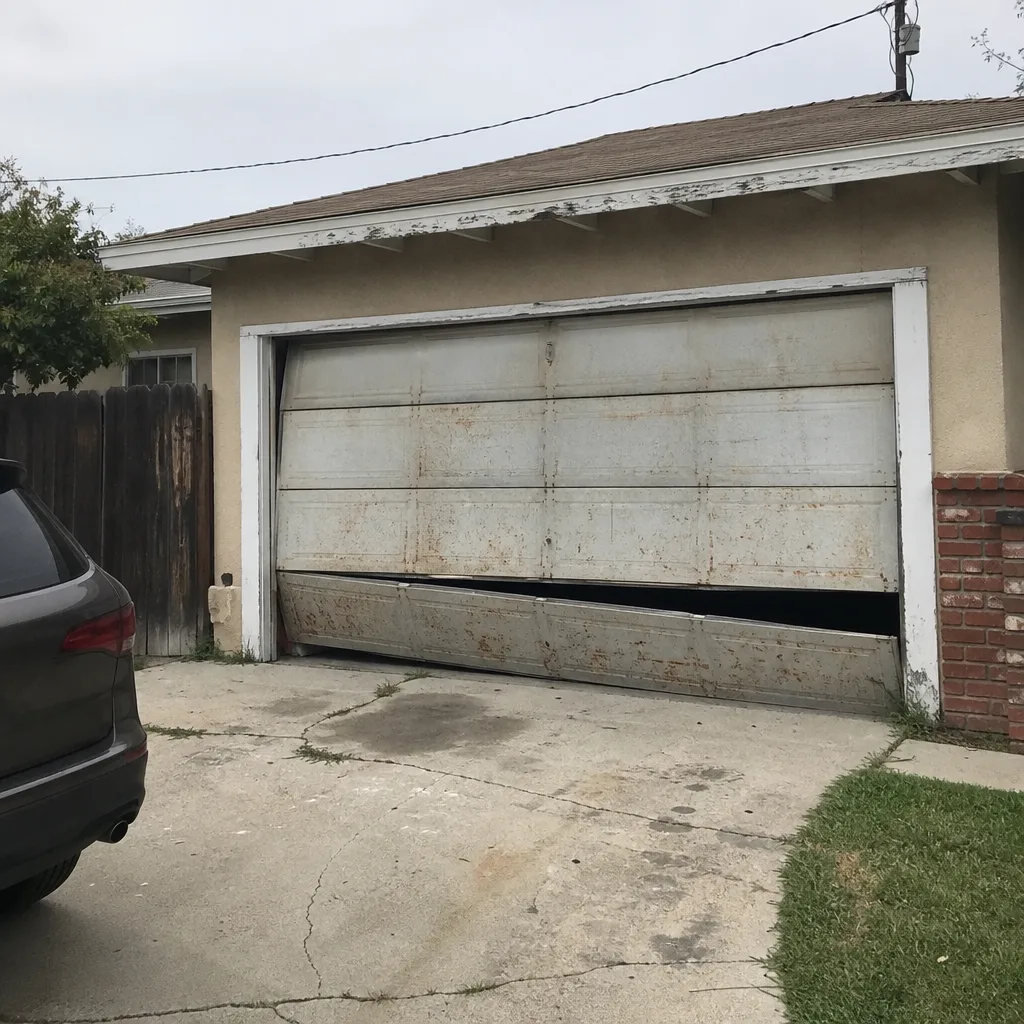 Before
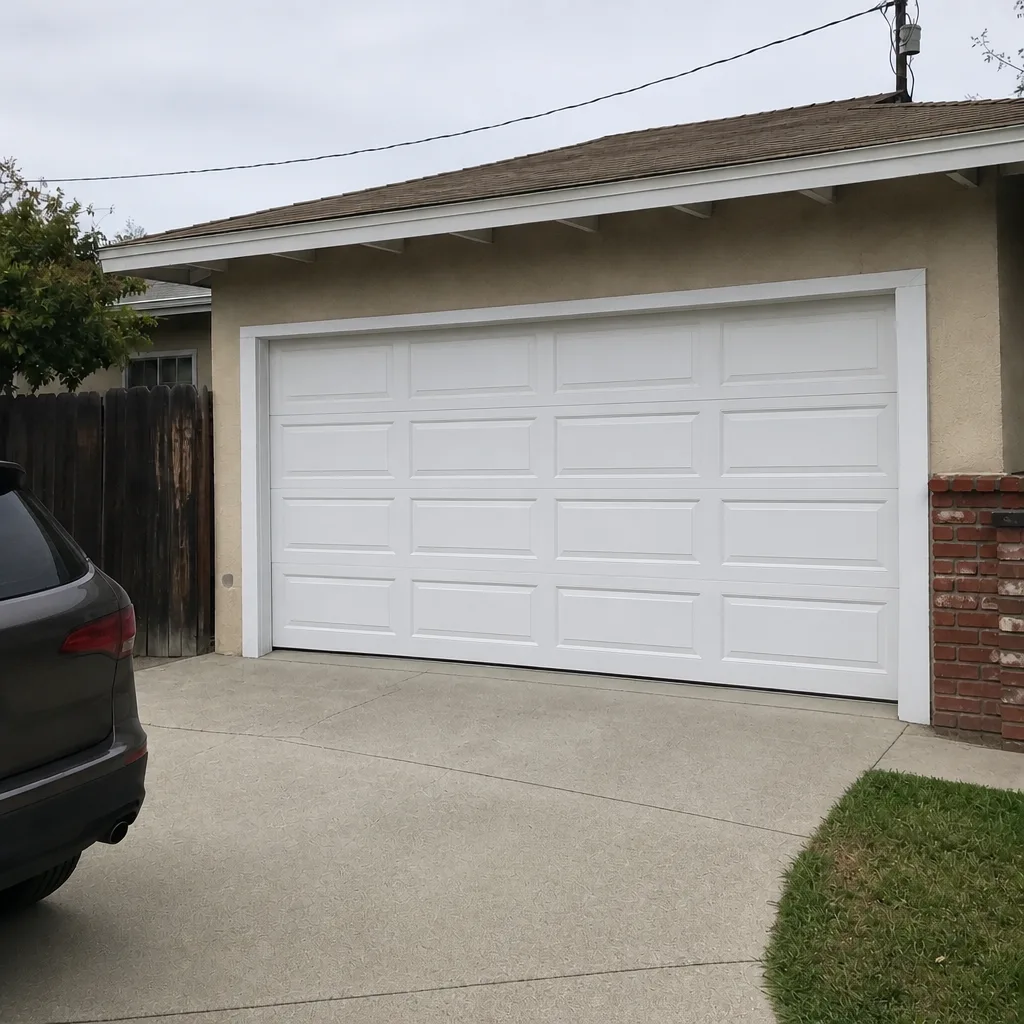 After
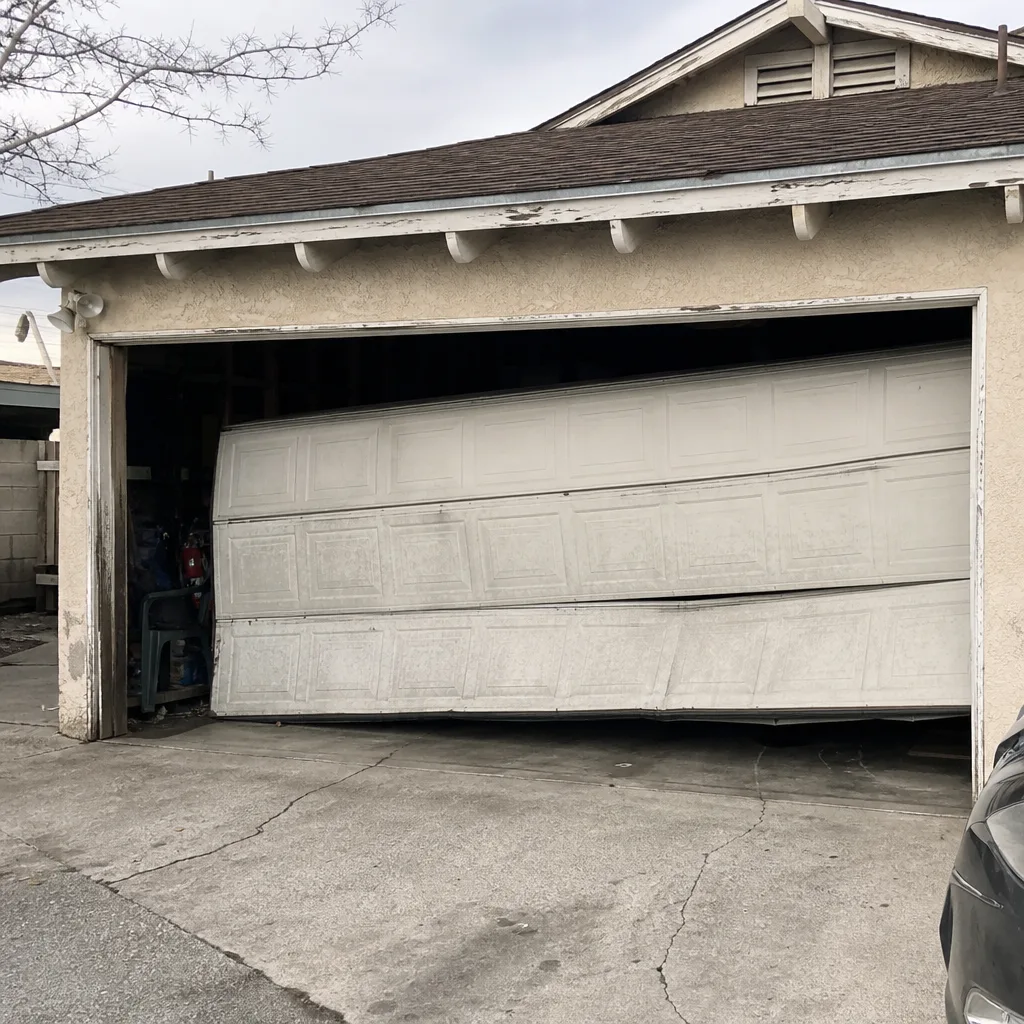 Before
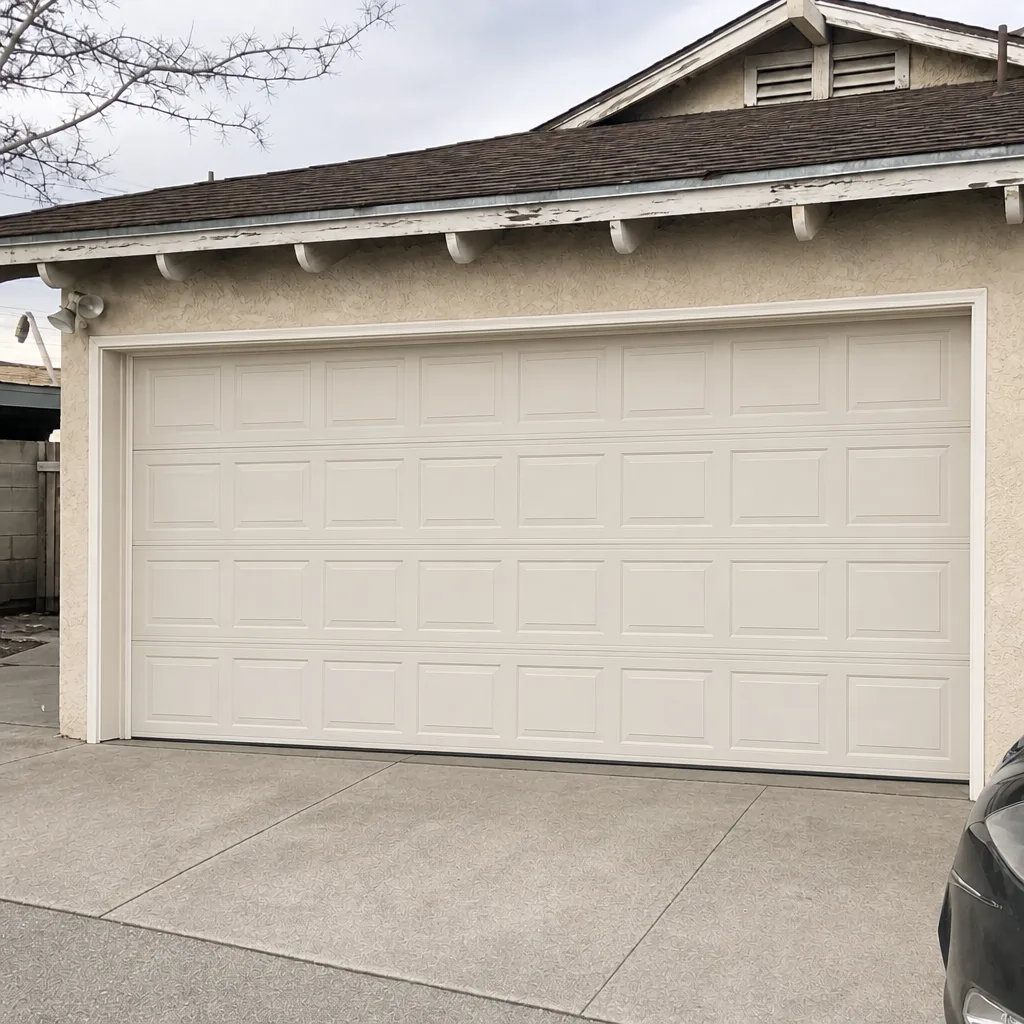 After
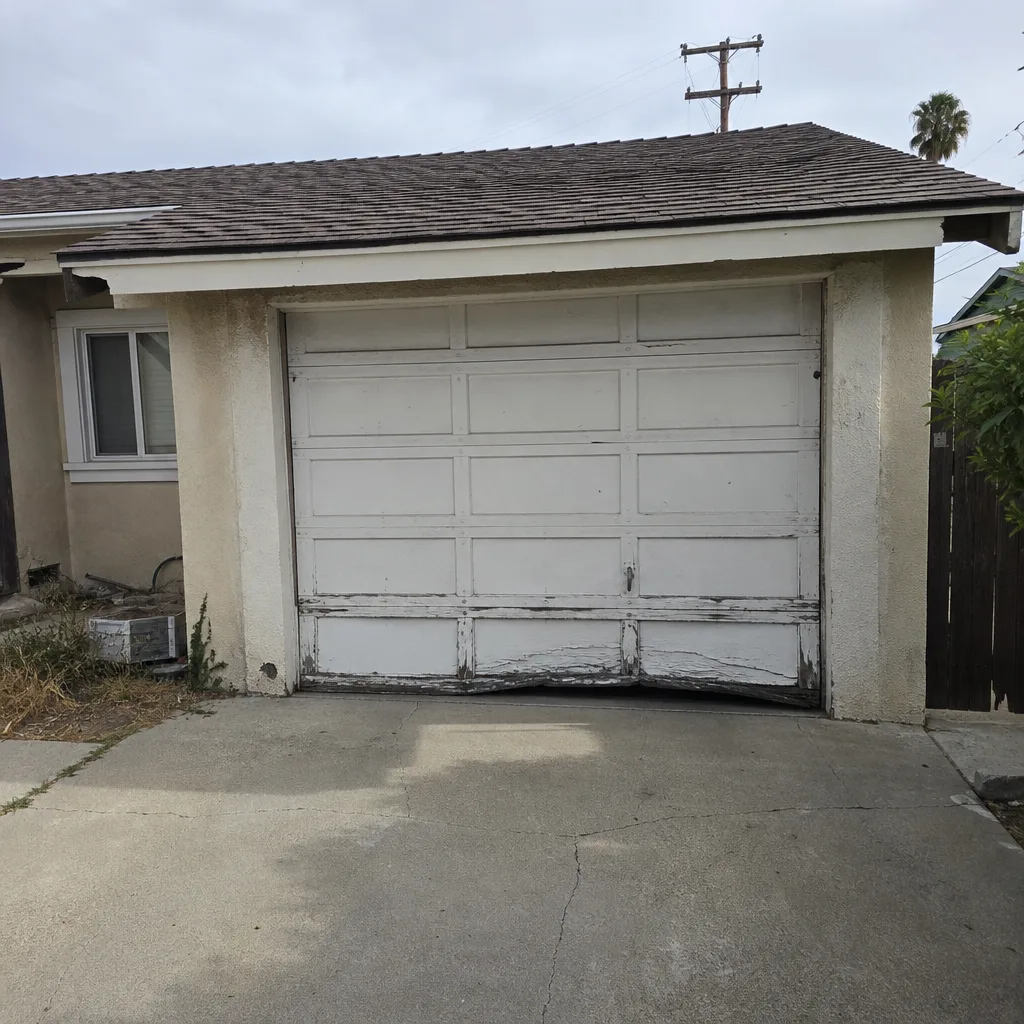 Before
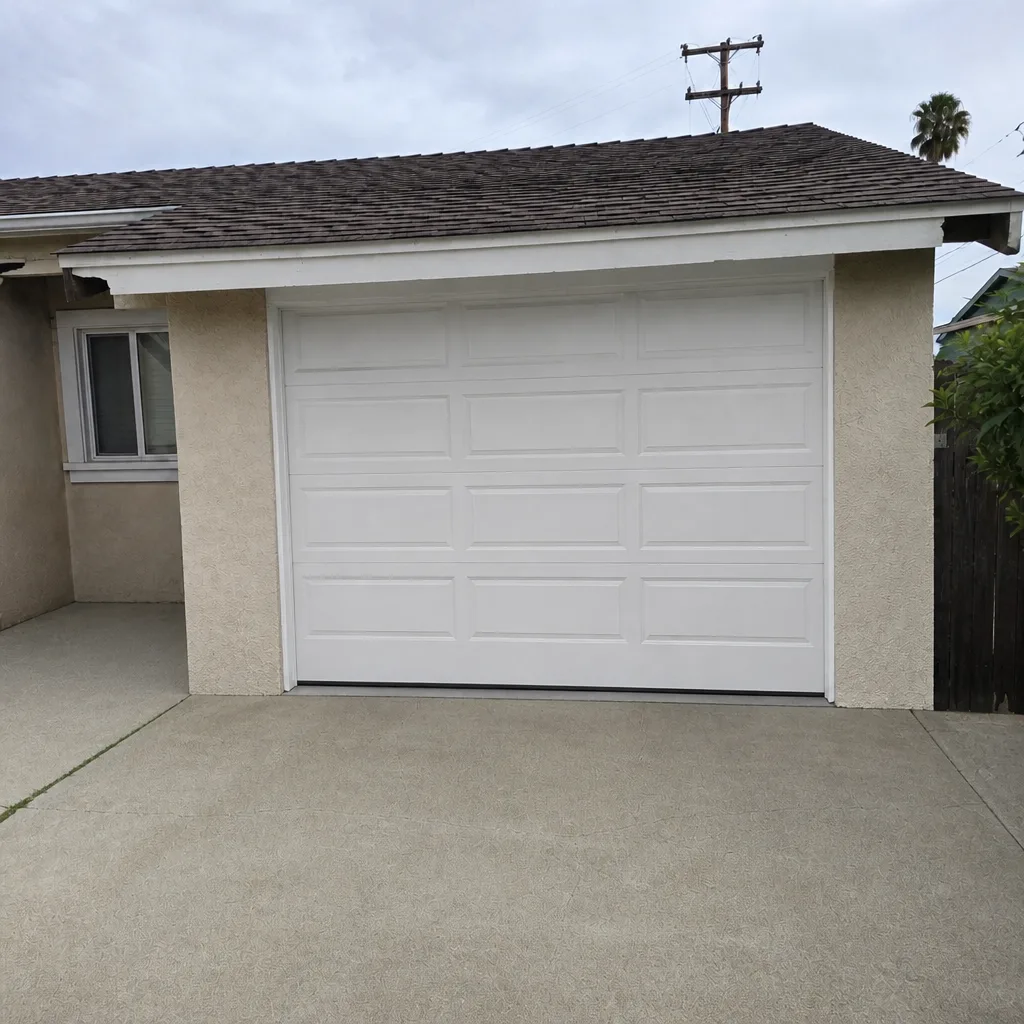 After
When to Call a Professional
Call a professional the moment you identify a torsion spring, cable drum, or bottom bracket issue. Call if your extension spring has broken and the safety cable is missing. Call if the opener gives you fault codes you can’t trace through the manual. And call if the door is heavy, crooked, or making sounds like metal under sudden release. These are not slow-moving problems. A door that drops unexpectedly can injure someone before you’ve had time to reconsider.
Garage Door Repair Arleta offers free estimates throughout Arleta. We work on the brand already in your garage, from the opener to the panel, and we’ll give you the right fix, not the easiest upsell. Call (877) 573-0278. We answer 24/7. Fast dispatch from 7am to 7pm, Sunday through Friday.
Frequently Asked Questions
You can safely replace weather seals, realign photo-eye sensors, lubricate hinges and rollers, and program remotes or keypads. None of these involve spring tension. Anything touching springs, cables, or bottom brackets should go to a professional. For anything else, call (877) 573-0278 and we’ll tell you honestly whether it’s a DIY job.
Yes, relatively. Extension springs stretch rather than wind and usually have safety cables to contain a break. Torsion springs store far more energy per spring and release it in a violent rotation if mishandled. But even extension springs can break fingers, so the safer choice is still a professional for any spring work.
Winding bars are the critical tool for torsion spring work. They’re solid steel rods of a precise diameter and length, and they’re inserted fully into the winding cone before any torque is applied. Half-seated bars slip and cause the most common serious garage door injuries. The absence of proper winding bars, not a lack of skill, is the primary injury risk.
For low-tension jobs like weather seal replacement or sensor realignment, DIY saves you $50 to $150 since the parts are cheap and the skill floor is low. For spring and cable work, the professional quote is almost always cheaper than a botched DIY attempt plus the correction, and it removes the injury risk entirely. The written estimate sets the final price, quoted and agreed before any work starts.
Yes. Call (877) 573-0278. We answer 24/7. Fast dispatch from 7am to 7pm, Sunday through Friday. If you call outside dispatch hours, you’re booked into the next opening.
We service the eight most common garage door and opener brands on the market, including Genie, Clopay, Amarr, Wayne Dalton, and the full hardware and drive systems on each. We work on the brand already in your garage.
The Bottom Line
The DIY vs professional garage door decision comes down to stored energy. Weather seals, sensors, lubrication, and remotes hold no tension and are safe for a homeowner with basic tools. Torsion springs, extension springs, cable drums, and bottom brackets store enough force to break bone or worse, and the professional tools and training exist for a reason. Arleta homeowners face this decision in a neighborhood full of aging garage systems, where the mild climate masks the cycle fatigue building up in every spring. The smart play: handle the safe list yourself, and call a specialist before touching anything under load. Your hands are worth more than the service call.
Written by the team at Garage Door Repair Arleta, serving Arleta since 2018.