
Last updated November 4, 2026
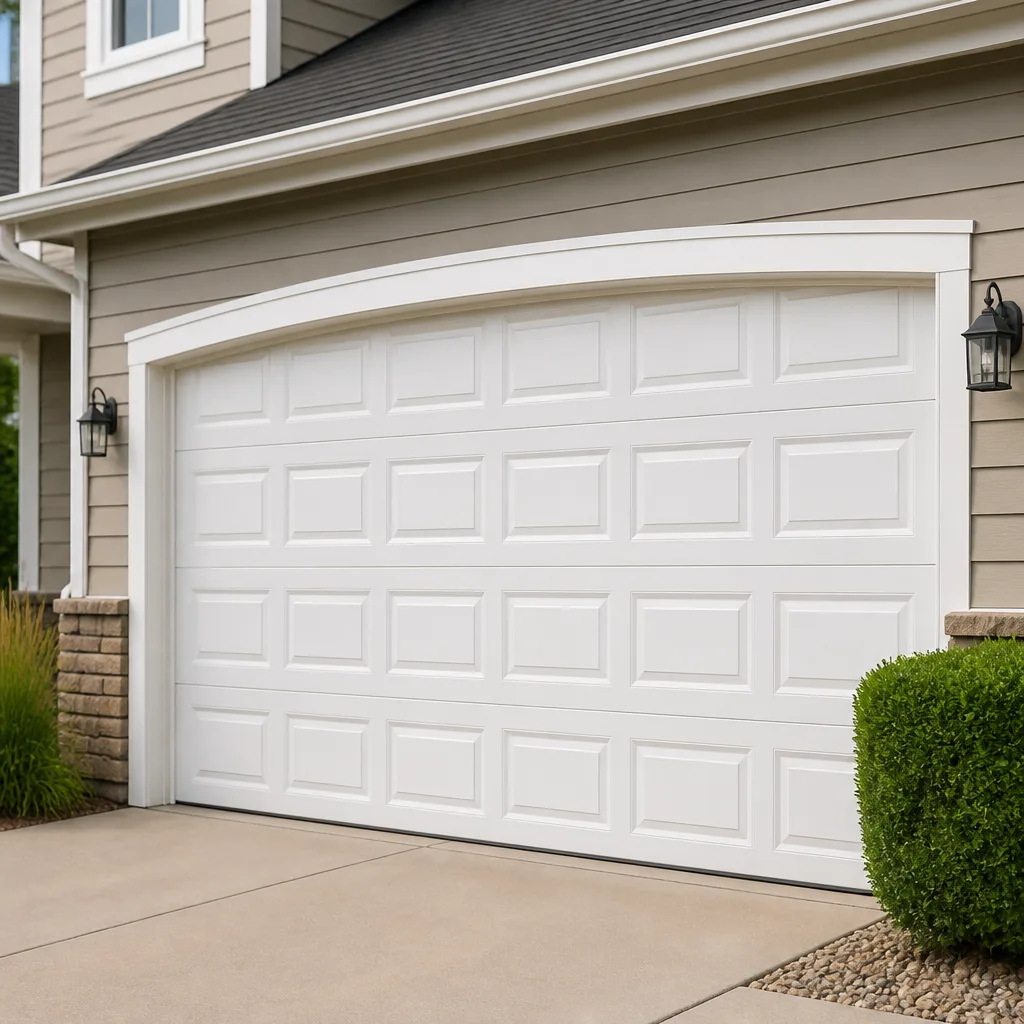 Raised-panel steel
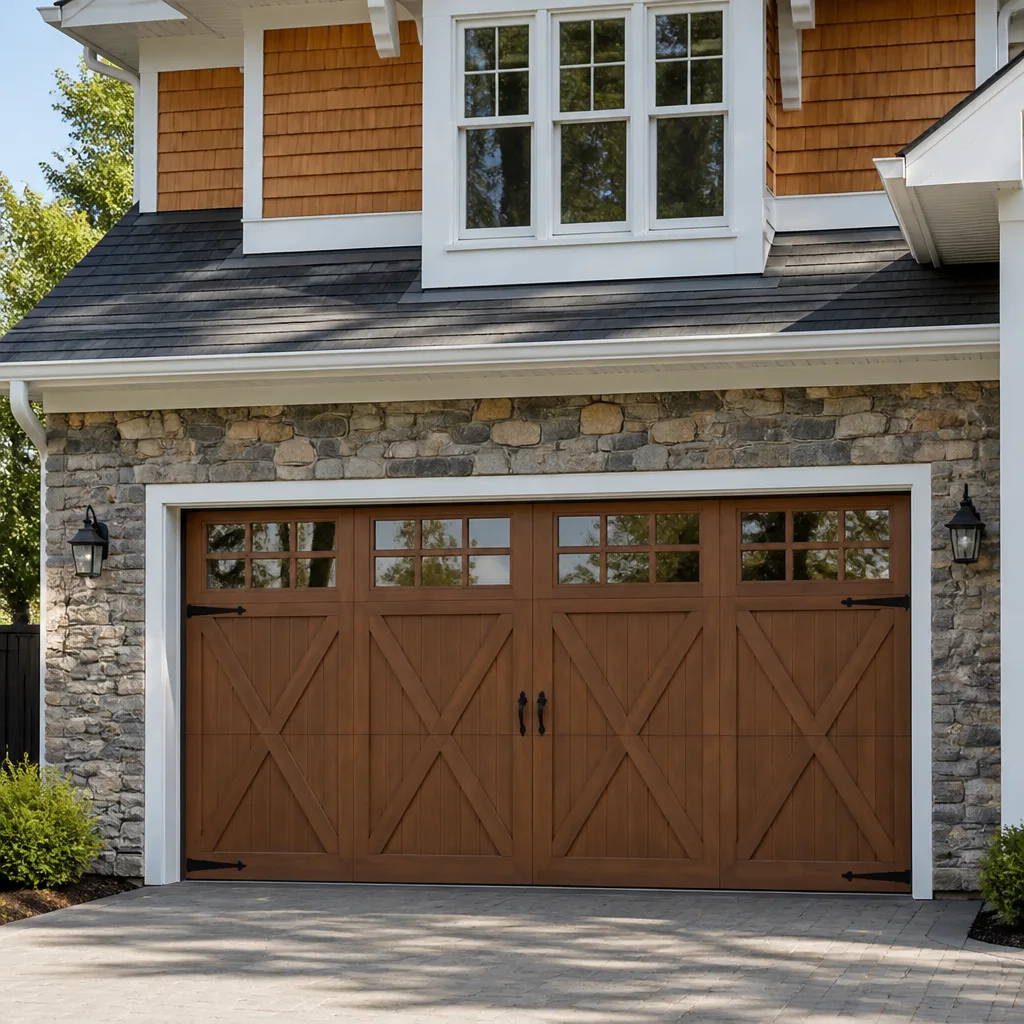 Carriage house
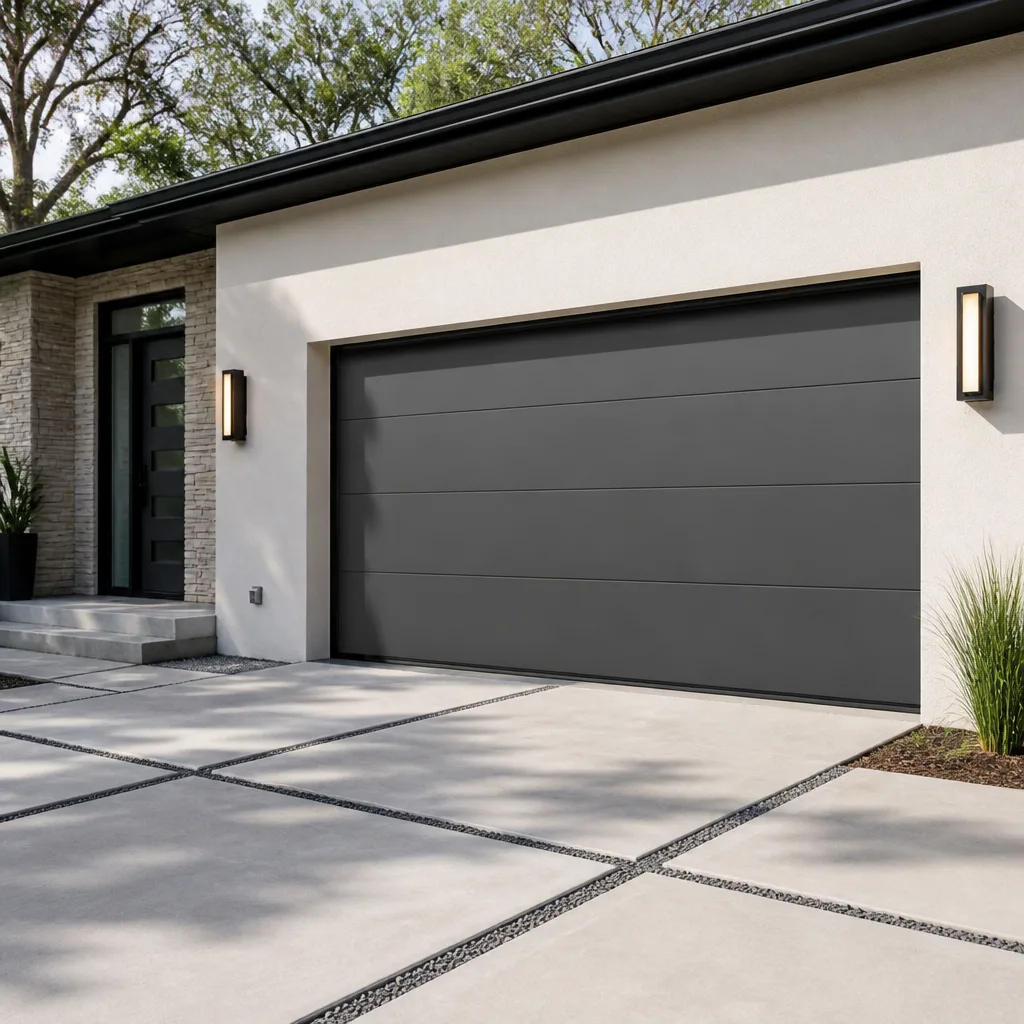 Modern flush
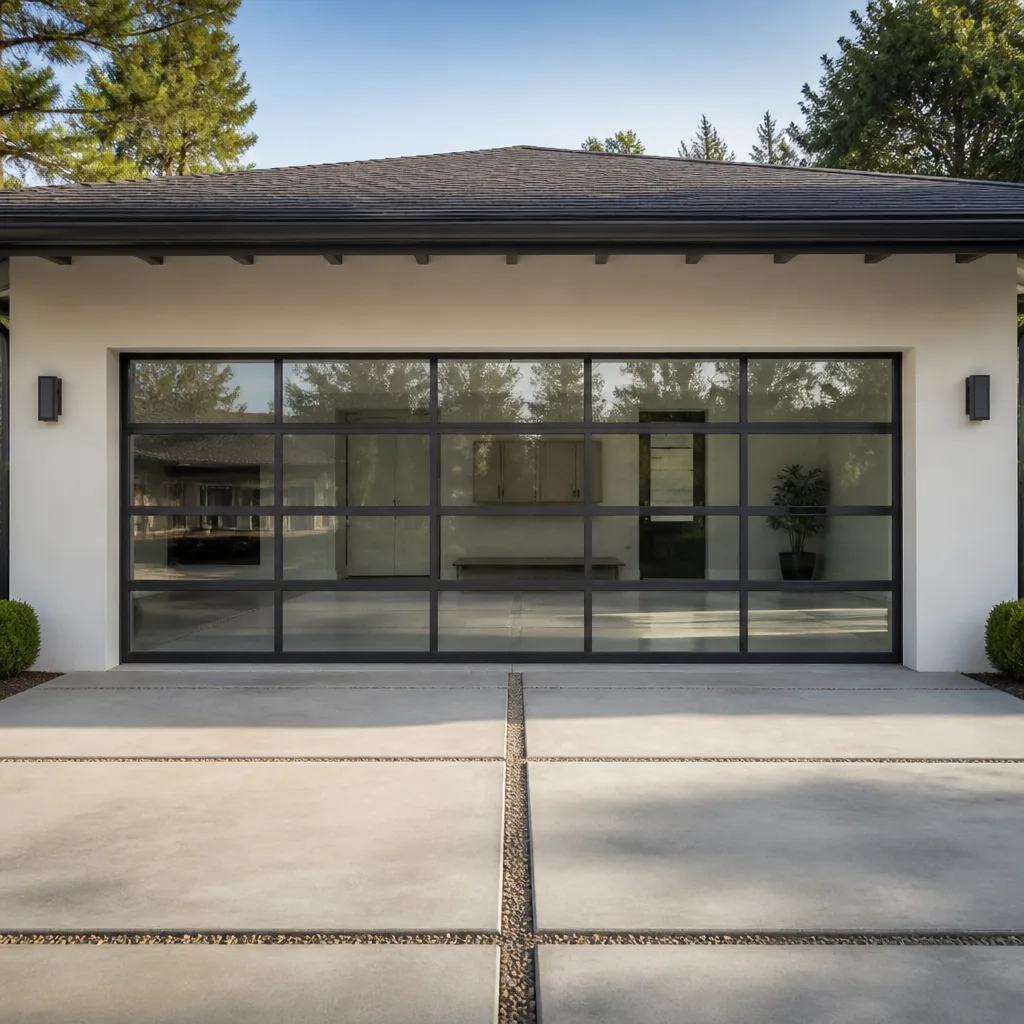 Full-view glass
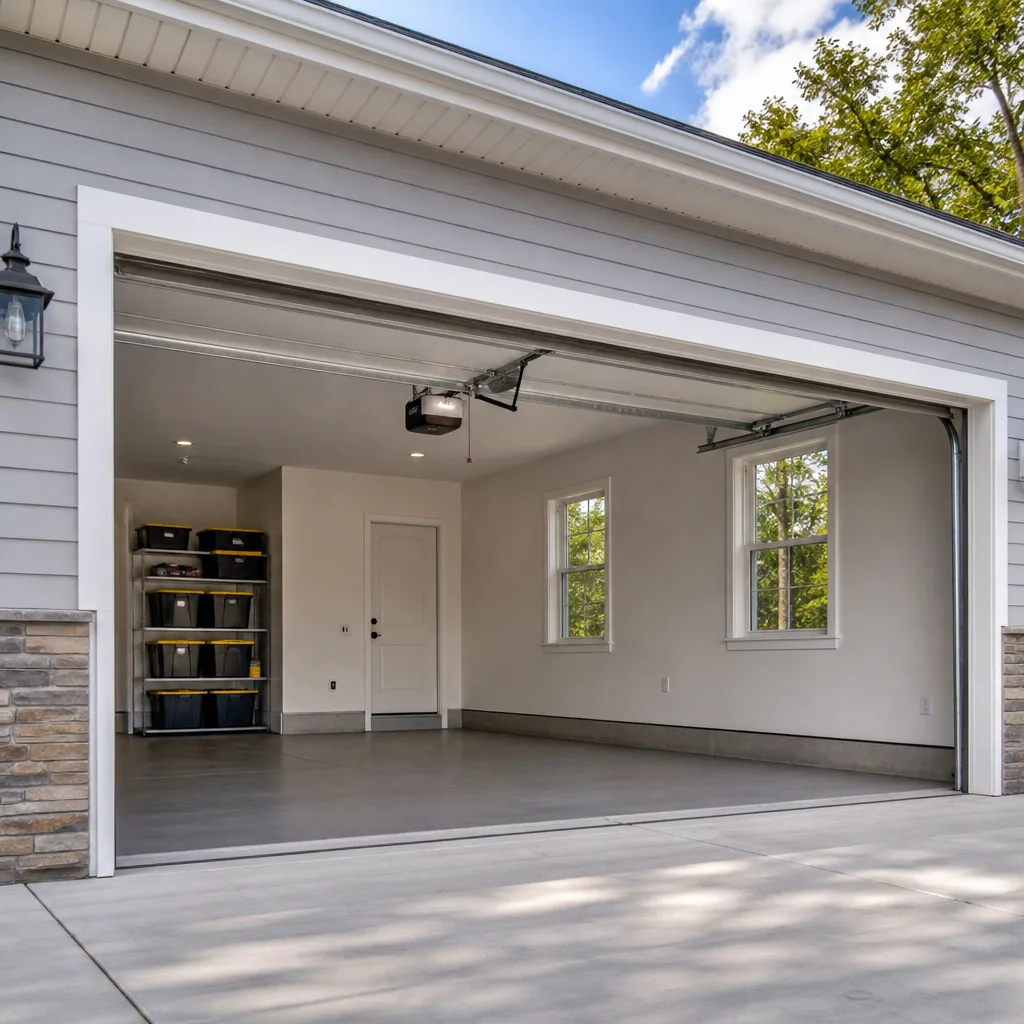 LiftMaster openers
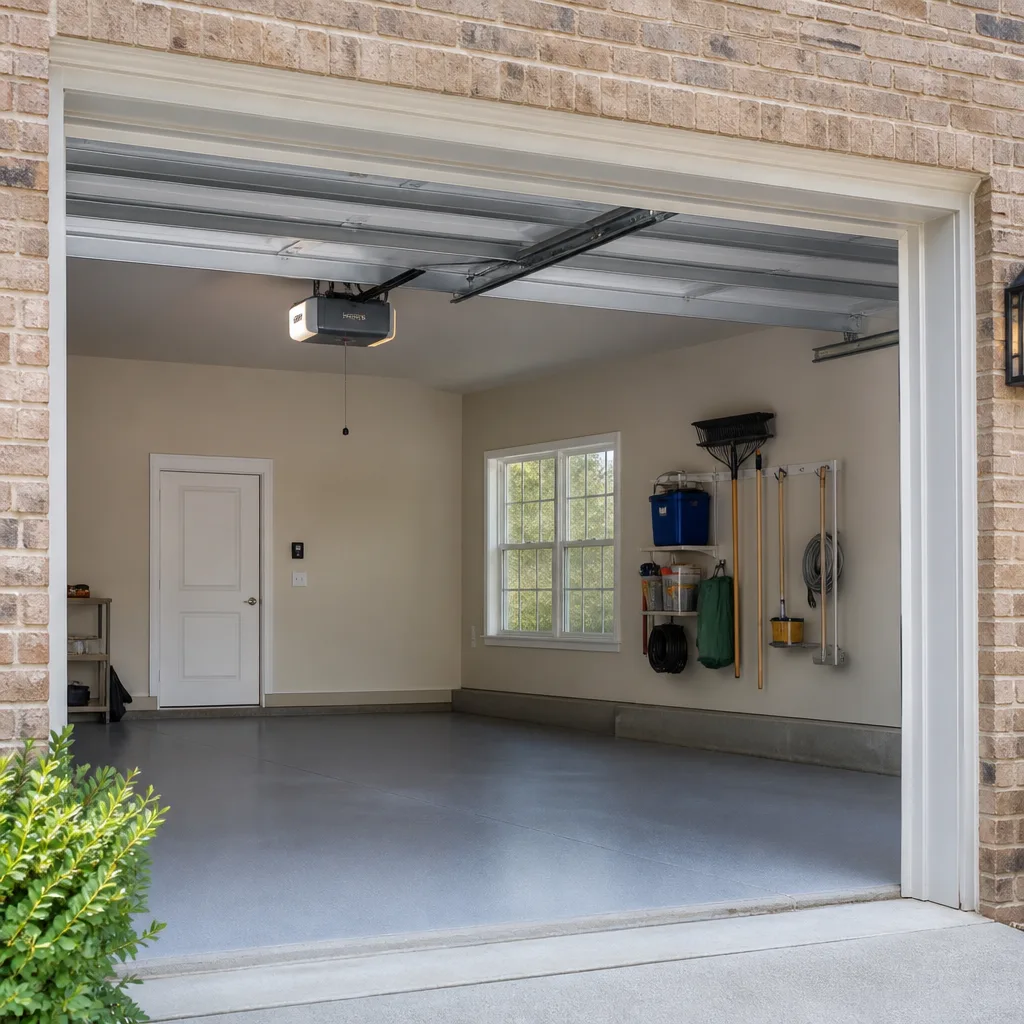 Chamberlain openers
Full 25-point door and opener safety check with every visit - springs, cables, rollers, tracks, and your LiftMaster or Chamberlain opener included
You get a price before we start. It does not change when the truck arrives.
Get your free estimateGarage Door Permits, Codes & Inspections in Arleta, CA: What You Need to Know
Swapping a like-for-like garage door in Arleta typically doesn’t require a permit. You unbolt the old door, hang the new one on the existing tracks, and you’re done. But the moment your contractor mentions “opening up the header” or running a new 20-amp circuit for a modern opener, the project has crossed into permit territory that many homeowners never realize until an inspector knocks. This guide walks through the actual decision tree: what triggers a permit, what qualifies as routine replacement, which codes apply, and how to check whether a previous owner’s work was ever permitted. By the end, you’ll know exactly where your project stands before you schedule anything in Arleta.
Styles & brands we work with
- Raised-panel steel
- Carriage house
- Modern flush
- Full-view glass
- LiftMaster openers
- Chamberlain openers
Quick Answer
Most like-for-like garage door replacements in Arleta do not require a building permit because they’re classified as routine maintenance, not structural alteration. A permit becomes necessary when the work involves structural header modification, new electrical circuits for openers, or widening the door opening. The governing authority is the Los Angeles Department of Building and Safety (LADBS), and their rules apply to every residential property in Arleta. When in doubt, call LADBS directly or ask your contractor to verify before work begins.
Table of Contents
- Who Governs Garage Door Work in Arleta
- When a Garage Door Project Needs a Permit vs. When It Doesn’t
- California Title 24 and Insulated Garage Doors
- Seismic Bracing Requirements for Garage Door Openers in LA County
- Unpermitted Garage Door Work and Your Homeowner’s Insurance
- How to Check If a Previous Owner’s Garage Door Work Was Permitted
- What the Inspection Process Actually Looks Like in Arleta
- Common Mistakes to Avoid
- When to Call a Professional
- Frequently Asked Questions
- The Bottom Line
Who Governs Garage Door Work in Arleta
Arleta falls under the jurisdiction of the Los Angeles Department of Building and Safety, the same agency that governs code enforcement across the San Fernando Valley. Unlike some neighboring municipalities that operate their own building departments, Arleta homeowners deal directly with LADBS for permits, inspections, and code questions. That means the rules here are the Los Angeles municipal code, not a smaller local ordinance.
LADBS enforces the California Building Standards Code, which incorporates the California Residential Code, the California Electrical Code, and the California Energy Code (Title 24). For garage door work specifically, that combination matters because a door replacement is rarely just about the door. It touches wall structure, electrical wiring, and thermal performance all at once. LADBS inspectors in the Arleta area review garage projects against all three codes, not just one.
The practical takeaway: if your contractor tells you “Arleta doesn’t require permits for garage doors,” that’s too broad a statement. The correct framing is that some garage door work doesn’t require permits, but the moment the project touches structure or electrical, LADBS is involved. We’ve seen Arleta homeowners get caught because a contractor described a header modification as “just reframing the opening.” In LA County, reframing a load-bearing header is structural work, and structural work requires a permit.
If you’re planning garage door work and want to know where your project fits, our team at Garage Door Repair Arleta can walk you through the scope before you commit to anything. We work on the brand already in your garage, from opener to panel, and we’ll tell you honestly whether the job needs LADBS involvement or not.
When a Garage Door Project Needs a Permit vs. When It Doesn’t
The cleanest way to think about permits in Arleta is this: replacing components doesn’t require a permit. Altering the structure or adding new electrical does. Here’s the decision tree, step by step, so you can apply it to your own situation.
Projects That Typically Do NOT Need a Permit in Arleta
- Replacing a broken garage door spring with a new spring of the same size and type
- Swapping a damaged panel on an existing door where the track and framing stay the same
- Replacing a garage door opener with a new unit that plugs into an existing 120-volt outlet
- Installing a new door of the same width and height on the existing tracks and header
- Replacing rollers, hinges, cables, or weatherstripping
- Programming a new remote or keypad for an existing opener
These are all considered routine garage door repair in Arleta, not construction. LADBS does not require a permit for maintenance that restores a door to its original condition.
Projects That DO Need a Permit in Arleta
- Modifying or replacing the structural header above the garage door opening
- Widening the garage door opening or changing its height
- Running a new dedicated electrical circuit for a garage door opener, especially a 20-amp circuit for a modern DC opener with battery backup
- Converting a garage to or from living space, which changes how the door wall is classified
- Installing a new garage door where none previously existed
- Any work that requires cutting into load-bearing studs or the top plate
The gray area that catches most Arleta homeowners is the opener electrical. Older openers plugged into a shared circuit are easy to swap with no permit. But newer LiftMaster and Chamberlain models with battery backup often draw enough current that LADBS wants a dedicated circuit. If your installer is running new wire from the panel, that’s an electrical permit, full stop. The same applies to Genie openers with DC motors that specify a 20-amp circuit in the installation manual. The manual is part of the code compliance picture, and inspectors check it.
We service doors and openers from Clopay, Amarr, Wayne Dalton, and Raynor, and we know which installation scenarios trigger LADBS review. Garage doors are all we do, so we’ve learned the code boundaries from doing this work daily in the San Fernando Valley, not from reading a generic guide.
California Title 24 and Insulated Garage Doors
Title 24 is California’s energy code, and it applies to more garage door projects than most Arleta homeowners expect. The trigger isn’t the door itself. It’s whether the garage is conditioned space or attached to conditioned living space.
Here’s the rule in plain language: if your garage is insulated, heated, cooled, or shares a wall with the living area of your home, then a new garage door must meet Title 24 thermal performance requirements. That typically means an insulated door with a specific R-value, not a basic non-insulated steel door. LADBS inspectors in Arleta do check this during new door installations, particularly when a homeowner is replacing a non-insulated door as part of a larger renovation.
If your garage is detached and unconditioned, a standard non-insulated door is generally fine under Title 24. But most Arleta homes were built with attached garages, which means the shared wall is part of the building envelope. A door that leaks heat through that envelope affects the home’s overall energy performance, and that’s what the code is designed to regulate. Ask your city’s building department for the specific R-value required for your garage configuration, because it varies based on the year your home was built and whether the garage has been previously conditioned.
What this means practically: if you’re replacing an old wood door with a modern steel door from Amarr or Wayne Dalton, the insulation level you choose isn’t just about comfort. It may be a compliance issue. A good installer will ask about your garage’s relationship to the living space before recommending a door. Fast diagnosis, not guesswork, applies to code questions too. The right fix, not the easiest upsell.
Seismic Bracing Requirements for Garage Door Openers in LA County
This is the requirement most Arleta homeowners have never heard of. LA County code requires seismic bracing for garage door openers in certain structural configurations, and LADBS enforces it during inspections of permitted opener installations.
The concern is straightforward: in an earthquake, an improperly mounted opener can detach from the ceiling and become a falling hazard. The opener unit itself is heavy, and the track assembly it connects to is long. Seismic bracing typically involves cross-bracing the ceiling mount with steel angle or perforated strap, not just hanging the opener from threaded rod. The exact bracing details depend on your ceiling structure, the opener’s weight, and whether the garage ceiling is drywalled or exposed framing.
When you install a new opener under permit, the LADBS inspector will look at the mounting method. A standard “hanging from two pieces of angle iron” installation may pass, or it may not, depending on how the angle is secured and whether lateral movement is restricted. Contractors who do unpermitted opener swaps skip this requirement entirely, which means an unbraced opener is a safety issue waiting for the next significant seismic event. And the San Fernando Valley is seismic territory.
Our garage door opener repair work in Arleta frequently includes assessing how the existing opener is mounted, because older installations often predate current bracing standards. When we replace an opener, we mount it the way an inspector would want it mounted, whether or not a permit is triggered, because the safety reasoning is sound regardless of the paperwork. From the opener to the panel, a garage door system is only as safe as its weakest mounting point.
Unpermitted Garage Door Work and Your Homeowner’s Insurance
Here’s the scenario nobody wants to think about, but Arleta homeowners should: a garage door opener fails, the door comes down on someone, and the injured person files a claim. Your homeowner’s insurance company investigates. One of the first questions they ask is whether the opener installation was permitted and inspected.
If the answer is no, the insurance company may deny the liability portion of the claim. The reasoning is that unpermitted work is unverified work, and unverified work creates ambiguity about whether the installation met code. It doesn’t matter that the opener worked fine for years. The legal exposure is amplified because you, as the homeowner, allowed unpermitted modification to a fixed part of the house.
This applies specifically to opener installations that should have triggered an electrical permit. A spring replacement doesn’t need a permit, but an opener that required a new circuit does. If that circuit was never inspected and something goes wrong, you’re holding the liability. The same logic applies to structural header work. If a previous owner widened a garage door opening without a permit and the header later shows signs of sagging, your insurance company may classify the damage as a pre-existing, unpermitted condition and deny a claim related to that wall.
None of this means every unpermitted job will void your coverage. But it means risk. Permits exist to create a paper trail that the work was done to code, and that paper trail protects you. We always recommend checking the permit history of any garage door work done before you bought the house, especially if the door opening looks modified. The Arleta housing stock includes plenty of homes with decades of accumulated modifications, and not all of them were done legally.
How to Check If a Previous Owner’s Garage Door Work Was Permitted
LA County maintains an online records portal where you can search for permits by property address, and that includes every house in Arleta. The process takes about ten minutes, and it’s worth doing before you buy a home or before you start a garage project of your own.
Here’s the step-by-step flow:
- Go to the Los Angeles County online building records portal and select the search option for permits by address
- Enter your Arleta street address exactly as it appears on your property tax bill, including the ZIP code
- Review the list of permits that comes back. Look for any entries related to garage work: door replacement, electrical work, structural alteration, or “garage remodel”
- If you see a permit number but no inspection history, the permit may have been issued but never finalized. LADBS shows final inspection status separately from permit issuance
- If you find no record of a garage door opener circuit that clearly exists in your home, that circuit was likely installed without a permit
- Print or save the search results for your records. When you sell the home, this documentation protects you
The records portal is public and free to search. You don’t need a real estate agent or a title company to do it. The hardest part is usually reading the permit descriptions, which are written in LADBS shorthand. “E-RES” means electrical residential, “ALT-GAR” may mean garage alteration, and so on. If you’re unsure what a permit covered, call LADBS and ask them to explain the scope. They’ll do that for free over the phone.
If you discover unpermitted work during this search, you have options. You can apply for a permit retroactively, though that may require opening up walls to show the work to an inspector. You can also simply leave it, but then you’re carrying the liability described above. The right answer depends on the scope of the unpermitted work, and a code consultant or experienced contractor can give you an honest read. We help Arleta homeowners assess these situations regularly, because the answer often changes the whole project plan.
What the Inspection Process Actually Looks Like in Arleta
If your garage door project does trigger a permit, the inspection process is predictable but worth understanding before you start. LADBS inspectors serving the Arleta area schedule inspections by permit number, and the timing depends on the type of work.
For an electrical permit tied to a new opener circuit, the inspection is typically a single visit. The inspector checks the wire gauge, the circuit breaker sizing, the outlet placement, and the opener mounting, including seismic bracing. If any of it fails, the inspector issues a correction notice, your contractor fixes the issue, and you schedule a re-inspection. Final approval is what closes the permit.
For a structural permit tied to header modification, expect at least two inspections. The first is a rough inspection, done before the wall is closed up, where the inspector verifies the header size, the king studs, the jack studs, and the fastening schedule. The second is a final inspection, done after the door is installed and the wall is finished, where the inspector checks the full assembly. Skipping the rough inspection is a common mistake that forces homeowners to open up a finished wall later. Don’t let a contractor tell you it’s fine to skip it.
The permit itself lists the required inspections in order, and LADBS expects them to happen in that order. If your contractor is vague about inspection scheduling, that’s a red flag. A contractor who knows what they’re doing lists the inspection milestones in the contract. We do this work in Arleta often enough that the LADBS names and procedures are familiar rather than intimidating, and we’re happy to explain them to customers, whether or not we end up doing the job.
Common Mistakes to Avoid
- Assuming every garage door project needs a permit. This leads to wasted time and money filing permits for work LADBS classifies as routine maintenance. The permit trigger is structural alteration or new electrical, not door replacement itself.
- Assuming no garage door project ever needs a permit. The opposite mistake, and the more dangerous one. A contractor who waves off permits for header work or new circuits is setting you up for insurance and resale problems.
- Ignoring the opener circuit requirement. Modern openers with battery backup often need a dedicated circuit, and Arleta homeowners who swap old openers for new ones without checking the electrical requirements end up with tripped breakers and code exposure.
- Not checking the previous owner’s permit history. You inherit unpermitted work when you buy the house. Knowing about it gives you options. Not knowing about it means the liability finds you at the worst possible moment.
- Skipping the rough inspection on structural work. Once the wall is closed, the inspector can’t see the header. If the rough inspection never happened, final approval is unlikely, and you’ll be opening the wall back up.
- Hiring a general handyman for a garage door job that crosses into permit territory. A handyman who doesn’t do garage doors daily won’t know the LADBS quirks, the Title 24 triggers, or the seismic bracing details. Garage doors are all we do, and that repetition builds the pattern recognition that translates to code compliance.
- Filing the permit yourself without understanding the scope. Owner-builder permits are allowed in LA County, but they make you the responsible party for code compliance. If you don’t know what the inspector is looking for, you’re gambling with your own house.
When to Call a Professional
If your project involves header work, a new circuit, or an opening size change, call a contractor who does garage doors specifically and understands LADBS permitting in Arleta. If you’ve discovered unpermitted work from a previous owner and need an honest assessment of what’s fixable, call someone who can walk the property before you spend money fixing it blind. And if your opener is mounted in a way that makes you nervous just looking at it, that’s worth a professional look too, regardless of permit status. Garage Door Repair Arleta offers free estimates in Arleta. Call (877) 573-0278 and we’ll tell you honestly whether your project needs a permit, an inspection, or just a competent repair. We answer 24/7. Fast dispatch from 7am to 7pm, Sunday through Friday. The price is quoted and agreed before any work starts, and the written estimate sets the final price. No surprises, no permit panic.
Frequently Asked Questions
You typically do not need a permit to replace a garage door with a new door of the same width and height using the existing tracks and header. A permit becomes necessary when the project involves structural header modification, widening the opening, or running new electrical for an opener. If your project is a straightforward like-for-like swap, no LADBS permit is required. Call (877) 573-0278 for an exact assessment of your specific project, and the estimate is free.
A garage door opener installation requires a permit only when it involves new electrical work, such as running a dedicated circuit from the panel. Replacing an opener that plugs into an existing outlet is routine repair, not construction, and needs no LADBS permit. Modern openers from brands like Raynor and Craftsman sometimes specify a dedicated circuit, which pushes the job into permit territory. Call (877) 573-0278 if you’re unsure about your opener’s electrical requirements.
Unpermitted garage door work carries two main risks: your homeowner’s insurance may deny a liability claim tied to that work, and you may face complications when selling the house. The severity depends on the scope, whether it was structural or electrical versus a simple door swap. Checking the permit history on the LA County records portal tells you exactly what you’re dealing with. Call (877) 573-0278 for an honest read on whether your unpermitted work needs attention.
Title 24 applies if your garage is attached to conditioned living space or is itself insulated, heated, or cooled. Most Arleta homes have attached garages, so the shared wall typically triggers Title 24 thermal requirements on a new door. A detached, unconditioned garage generally does not trigger the requirement. Ask your contractor to verify the R-value requirement for your specific garage before you order a door.
Yes. The LA County online building records portal lets you search permits by address for any property in Arleta, and the search is free. Look for entries related to garage alteration, electrical work, or door replacement, and check whether each permit shows a final inspection. If you find permits issued but never finalized, factor that into your purchase decision. Call (877) 573-0278 and we’ll help you interpret what the permit history means for your garage door.
If your project triggered a permit, and the inspector checks the opener mounting, an unbraced opener will likely fail the inspection. LA County code requires seismic bracing for garage door openers in many configurations, and LADBS inspectors in Arleta do look at mounting details. The fix is usually adding cross-bracing to the ceiling mount, which is straightforward before the ceiling is finished and annoying after. Call (877) 573-0278 for a free estimate on an opener installation that passes inspection the first time.
The Bottom Line
Most garage door replacements in Arleta don’t need a permit, but the ones that do are exactly the ones homeowners underestimate: header modifications, opening size changes, and new opener circuits. Title 24 applies when your garage touches your living space, seismic bracing is a real inspection point under LA County code, and unpermitted work carries insurance liability you don’t want. Check the permit history before you buy or before you start work. If the project triggers a permit, schedule the inspections properly and never skip the rough inspection. When in doubt, call a specialist who knows the LADBS process for Arleta specifically. We answer 24/7 at (877) 573-0278, fast dispatch from 7am to 7pm Sunday through Friday, and the written estimate sets the final price before any work begins.
Written by the team at Garage Door Repair Arleta, serving Arleta since 2018.
See the difference
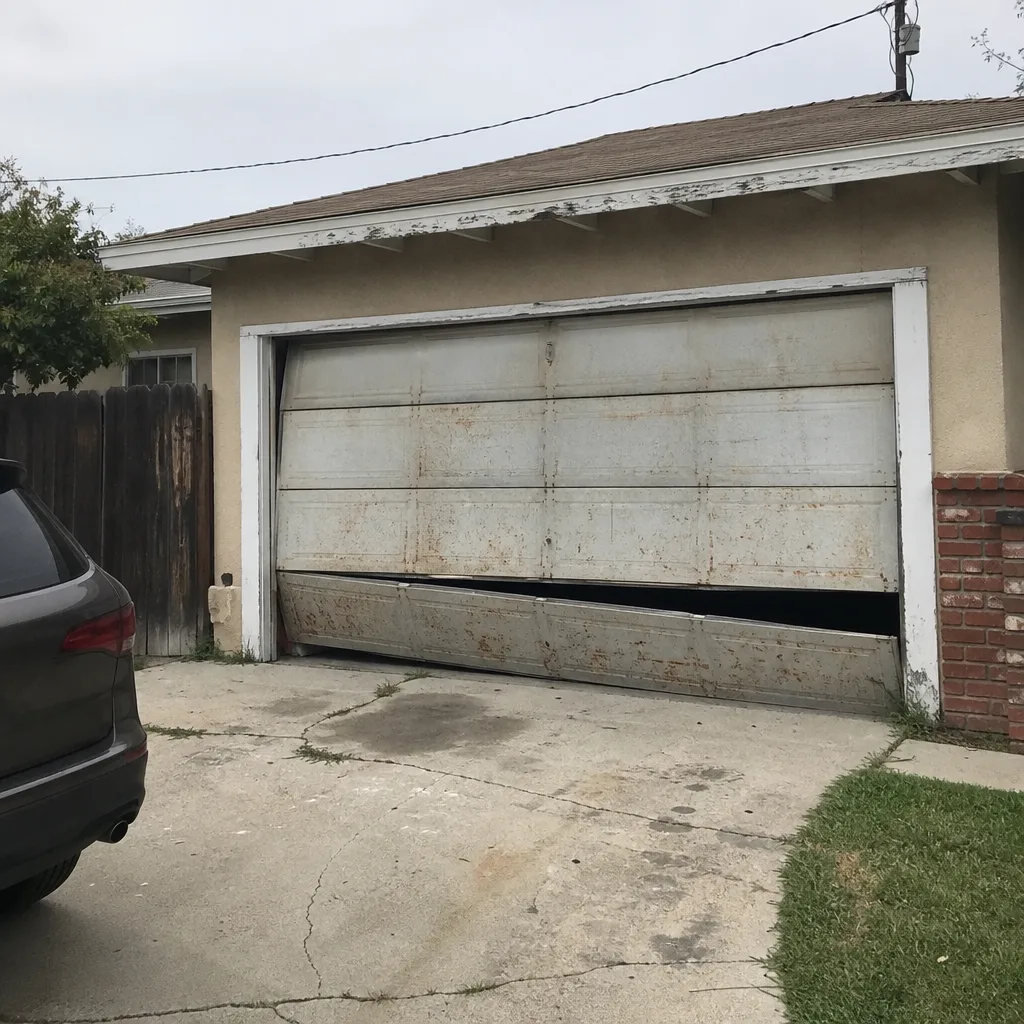 Before
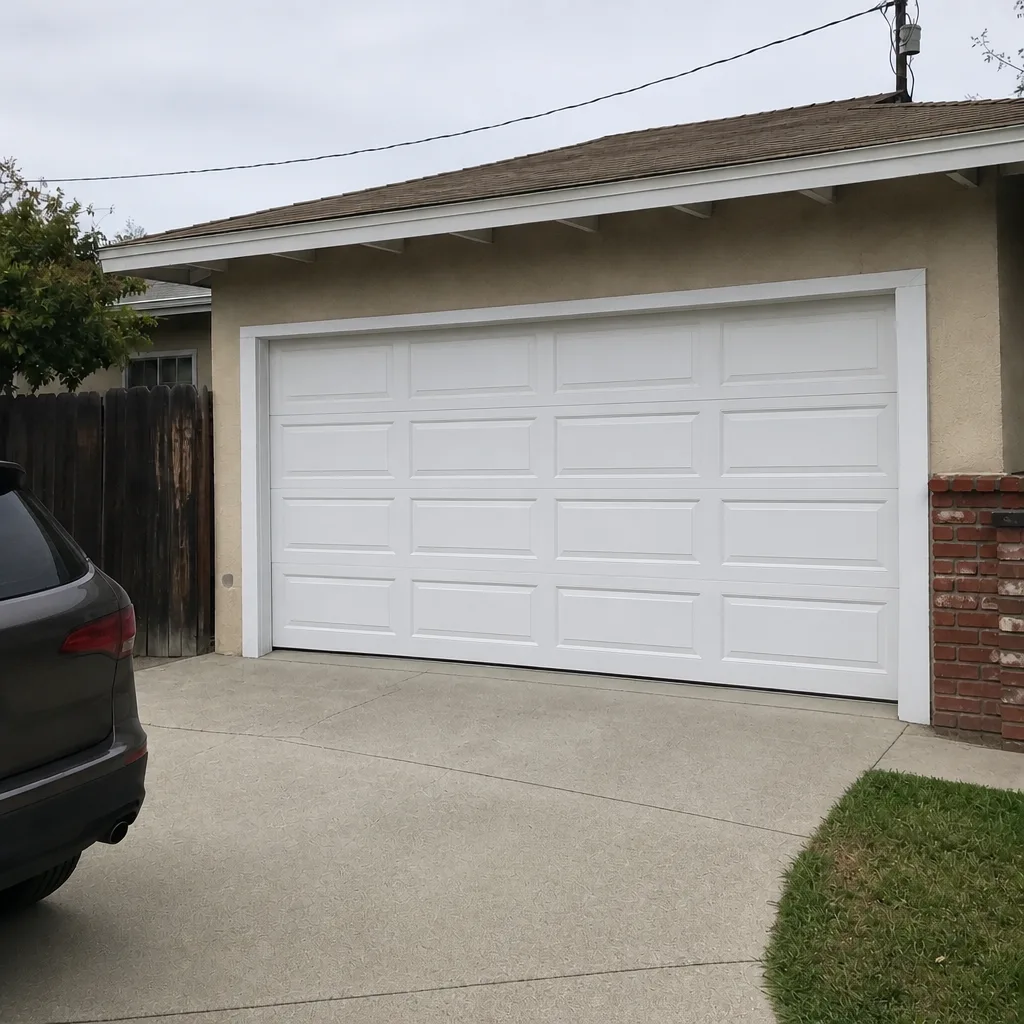 After
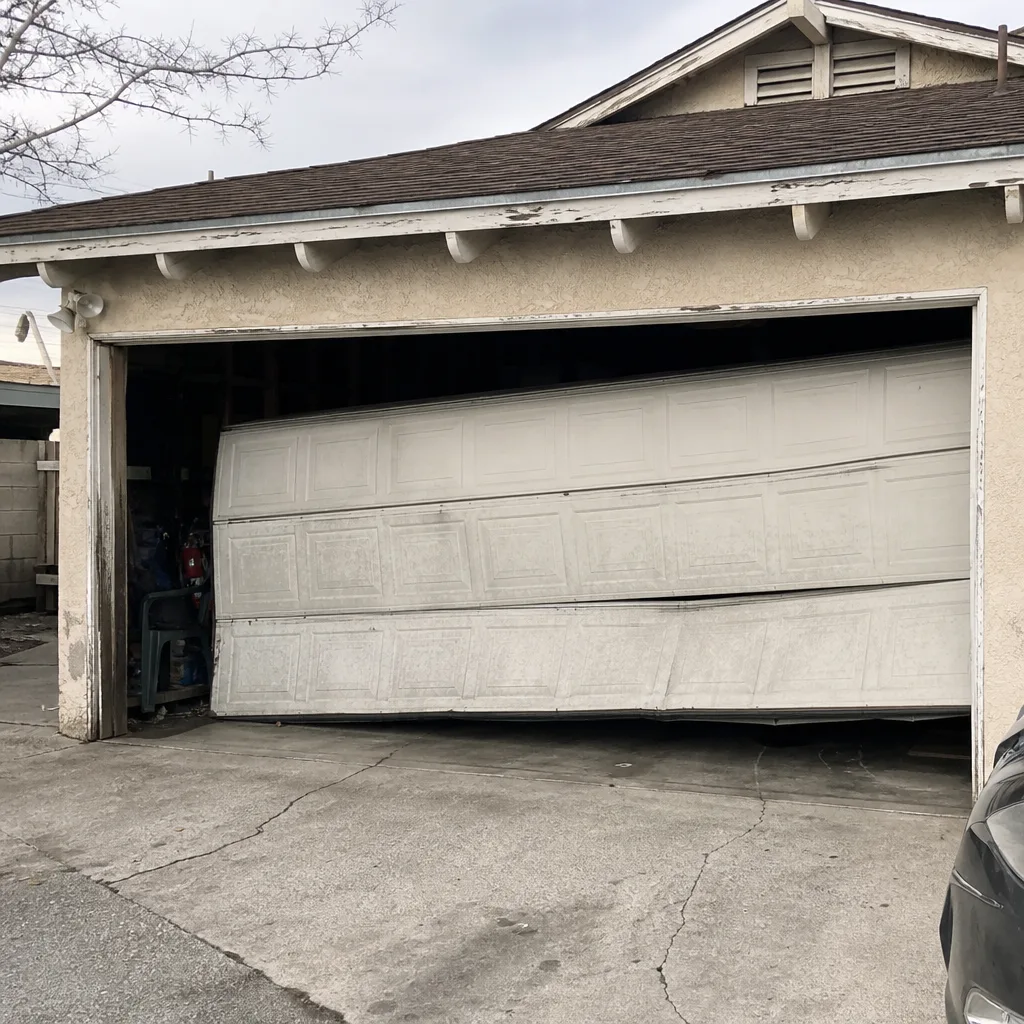 Before
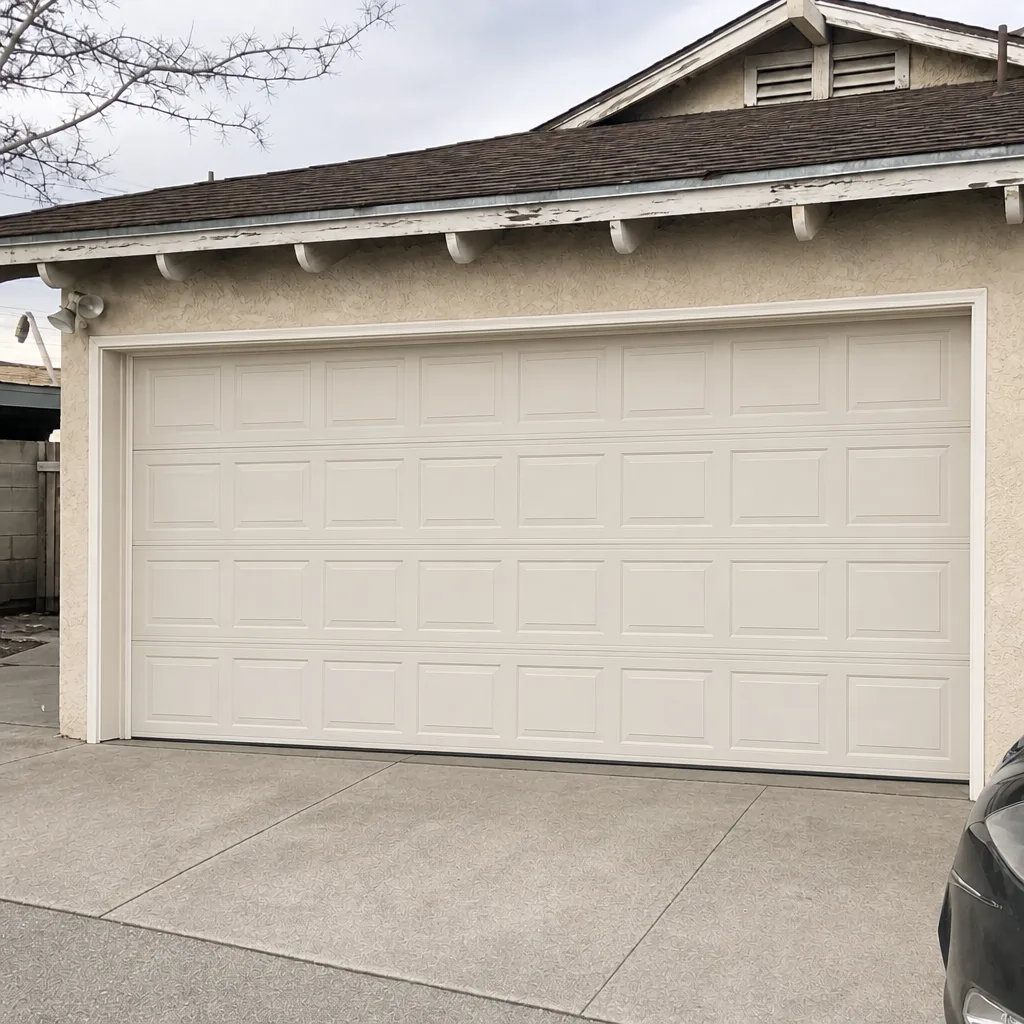 After
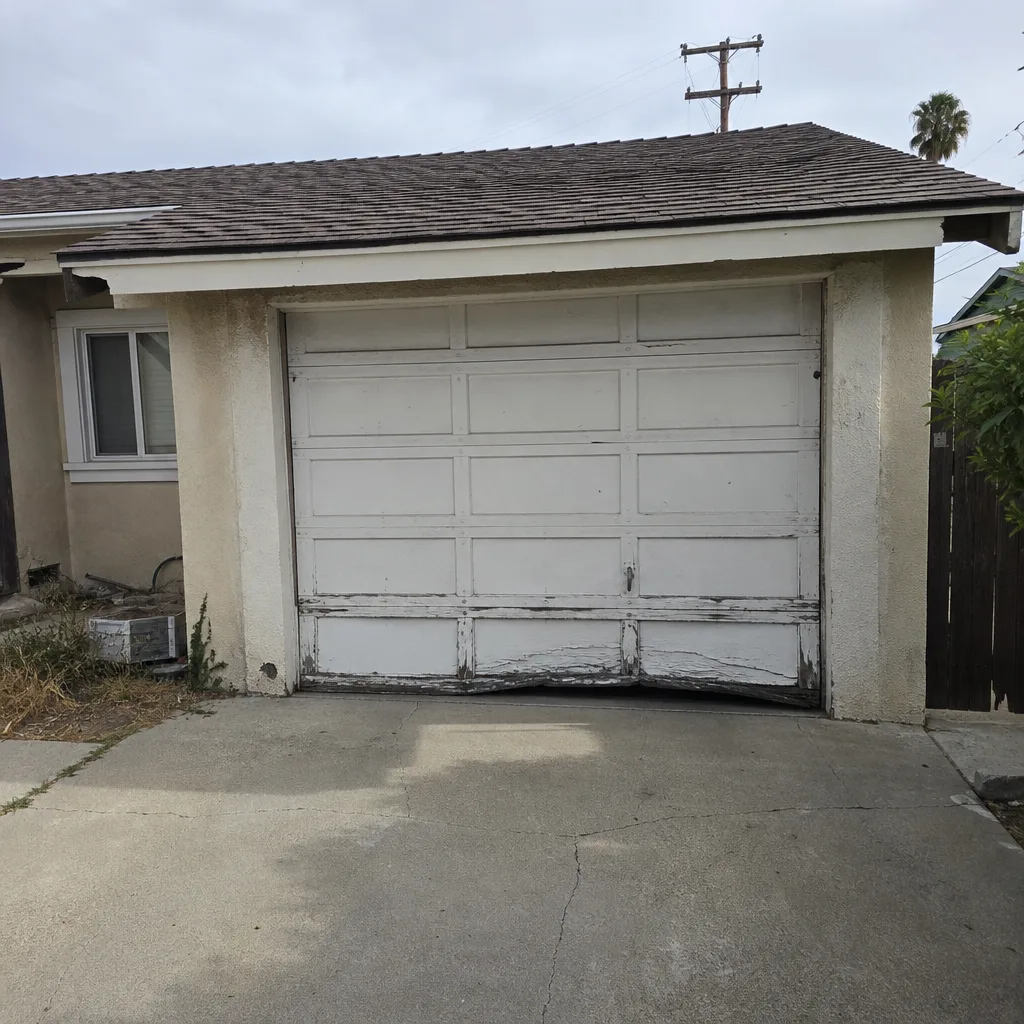 Before
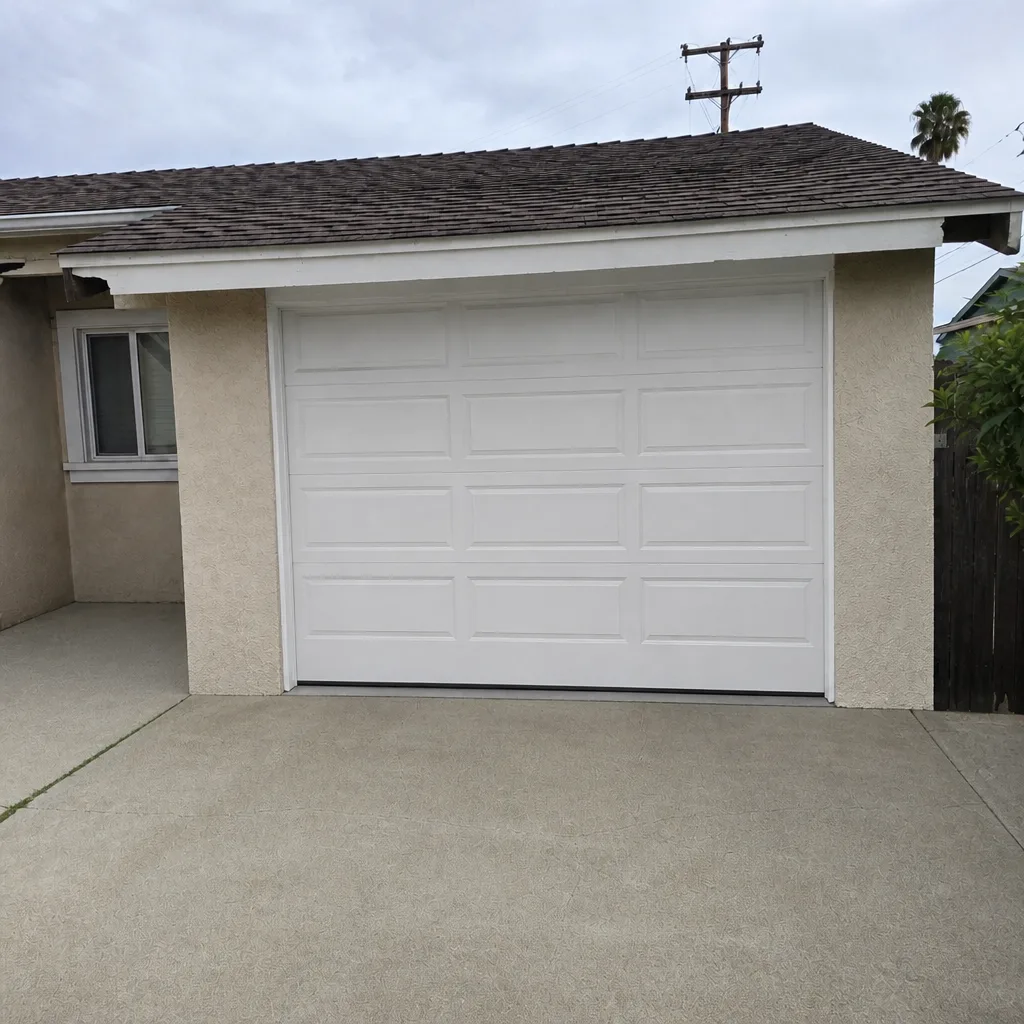 After