
Last updated November 4, 2026
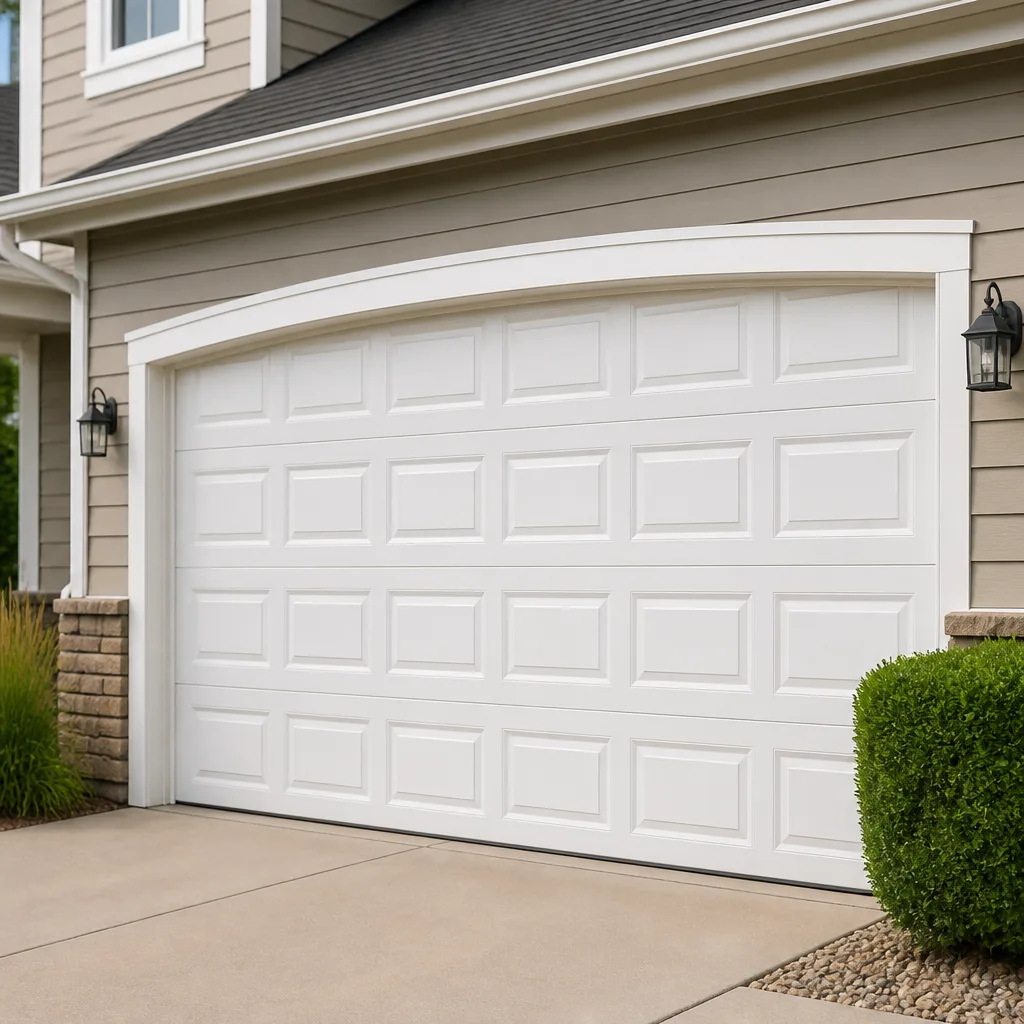 Raised-panel steel
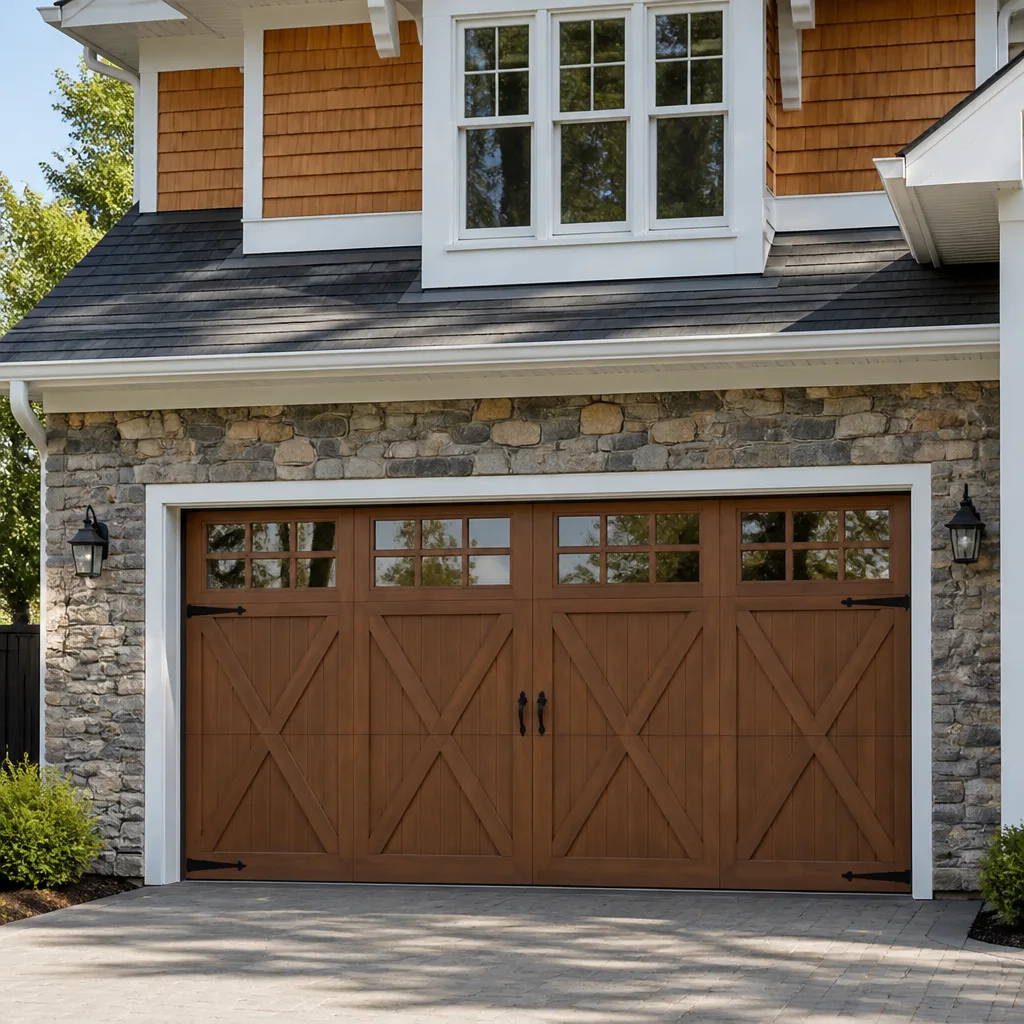 Carriage house
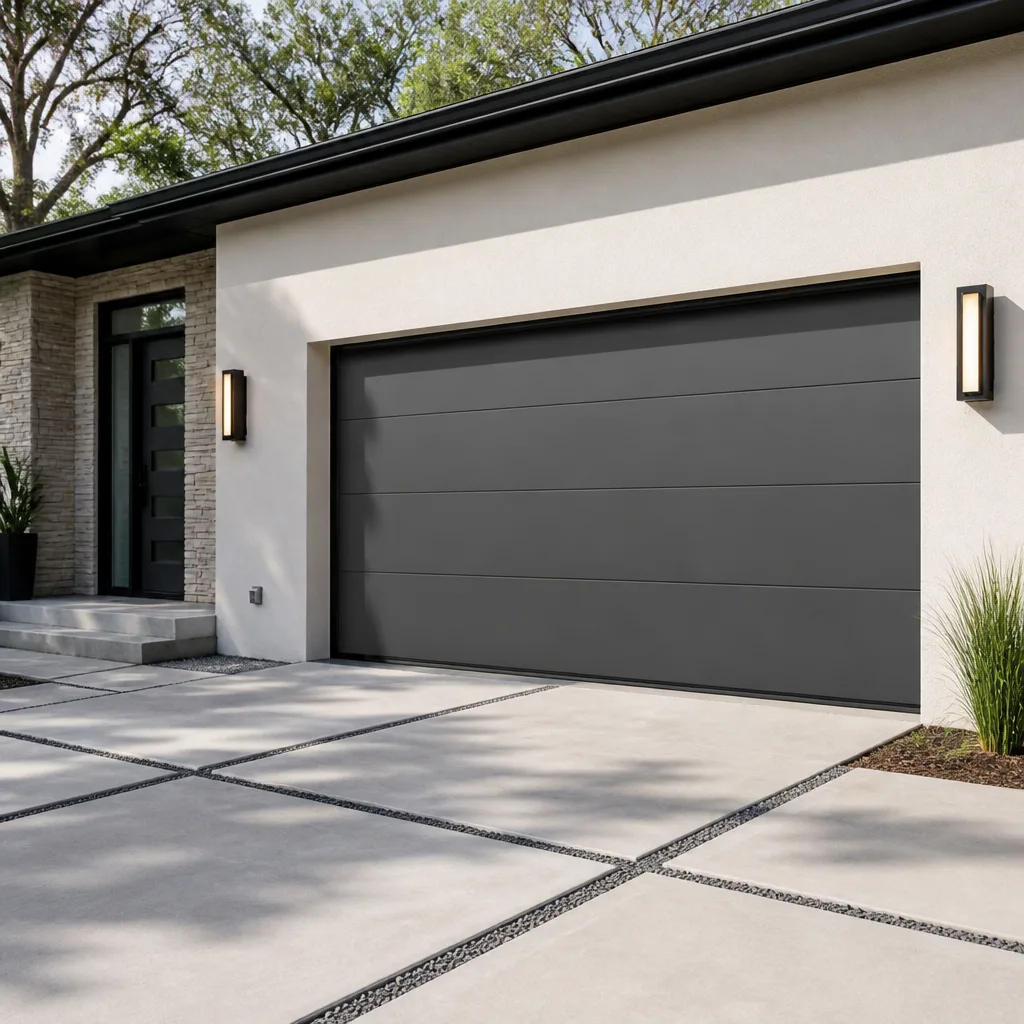 Modern flush
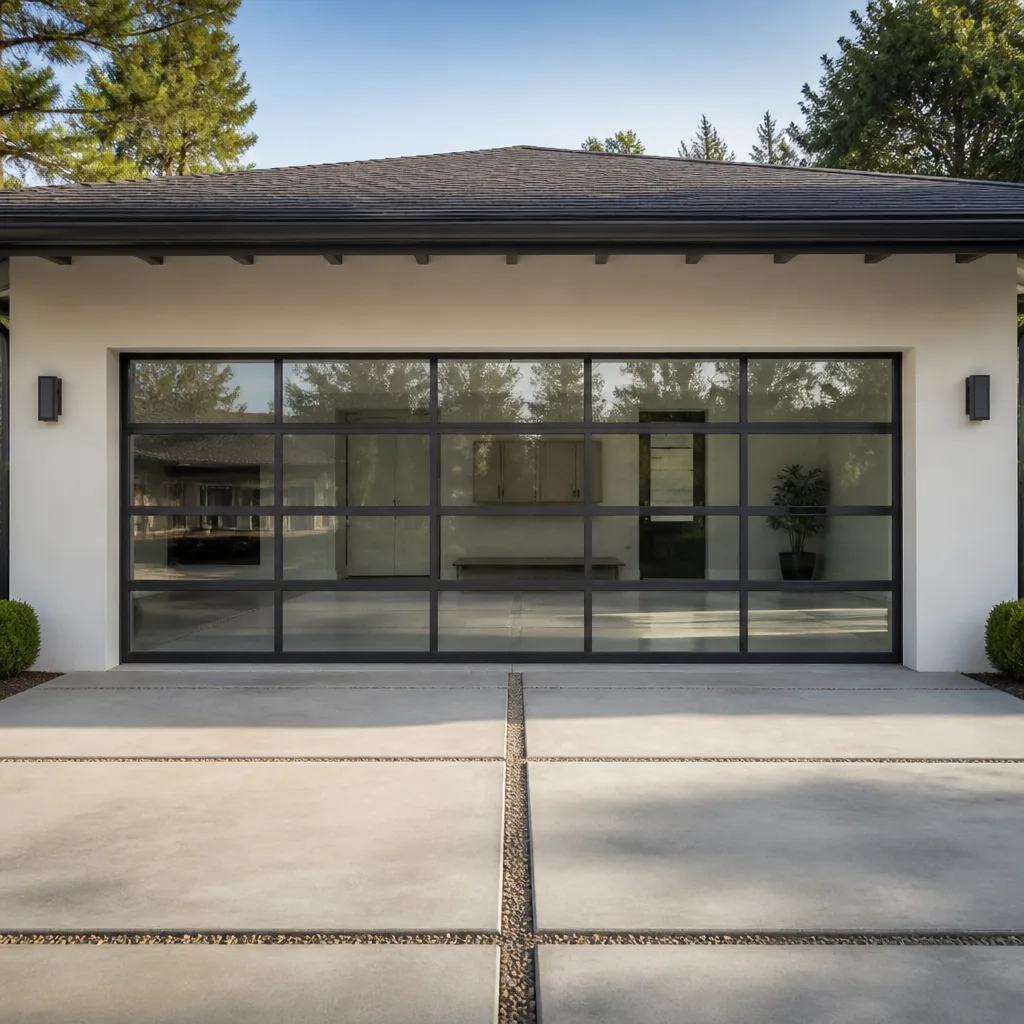 Full-view glass
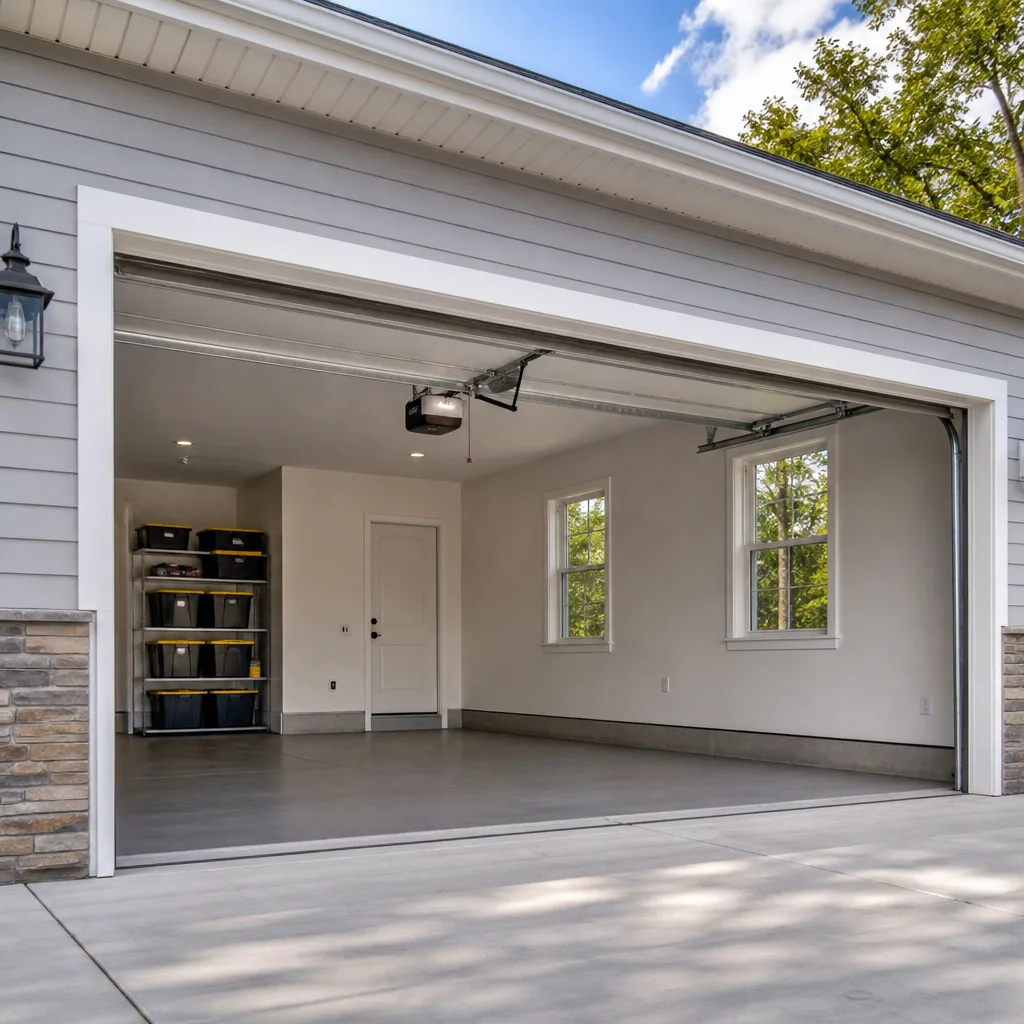 LiftMaster openers
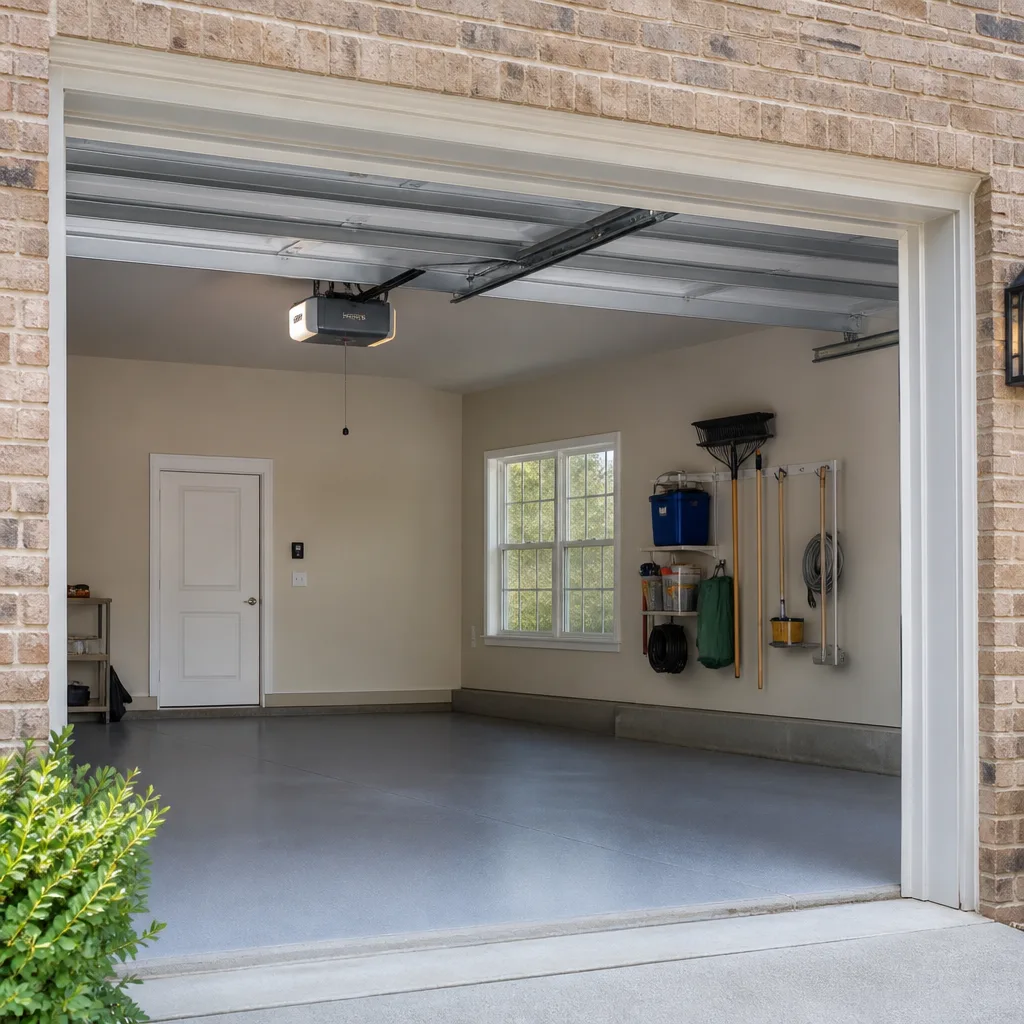 Chamberlain openers
Full 25-point door and opener safety check with every visit - springs, cables, rollers, tracks, and your LiftMaster or Chamberlain opener included
You get a price before we start. It does not change when the truck arrives.
Get your free estimateGarage Door Emergency Preparedness Guide for Arleta Homes
Most Arleta homeowners assume a garage door emergency means a broken spring. In reality, the scenarios that strand cars and compromise home security in this part of the San Fernando Valley break down into three predictable patterns: earthquake damage, power loss during a Santa Ana event, and mechanical failure like a snapped cable. Knowing which one you’re dealing with changes everything about what you should do in the first ten minutes. This guide walks through each scenario with specific action steps, including the manual release procedure for the three opener types found in most Arleta garages, what to inspect after a quake, and how to secure a door that won’t close when the wind is howling.
Quick Answer
Garage door emergencies in Arleta fall into three categories, and each needs a different immediate response. For a power outage, pull the manual release cord and operate the door by hand. For earthquake damage, do not operate the door until you’ve checked the tracks, springs, and cables. For a snapped cable or broken spring, leave the door alone and call a garage door specialist, because the door is now under uneven load and can drop hard. Call (877) 573-0278 for free estimates and fast dispatch from 7am to 7pm, Sunday through Friday.
Styles & brands we work with
- Raised-panel steel
- Carriage house
- Modern flush
- Full-view glass
- LiftMaster openers
- Chamberlain openers
Table of Contents
- The Three Garage Door Emergencies Arleta Homes Actually Face
- How to Manually Open Your Garage Door: Chain, Belt, and Jackshaft Openers
- Power Outage During a Santa Ana: What Works and What Doesn’t
- Post-Earthquake Garage Door Inspection Checklist
- Snapped Cable with the Door Closed: What Not to Do
- Securing a Door Stuck Open During High Winds
- The Manual Key Lock You Might Already Have
- Common Mistakes to Avoid
- When to Call a Professional
- Frequently Asked Questions
The Three Garage Door Emergencies Arleta Homes Actually Face
We’ve worked on garage doors across Arleta long enough to see clear patterns in what actually goes wrong. The emergencies that pull a homeowner out of bed or keep a car trapped in the garage are rarely exotic. They repeat.
First, earthquake damage. Arleta sits close enough to the Northridge fault zone that even moderate shaking can knock a door out of its tracks, snap a cable, or shift the header enough to bind the rollers. Second, power outages during Santa Ana wind events, when high winds take down lines and leave openers dead. Third, spring or cable failure, which can happen without warning and often leaves a door half-open or jammed shut with a car inside.
Each of these needs a different response. A power outage is usually safe to work around. Earthquake damage is not. A broken spring or cable is dangerous enough that the best move is to step back and call someone who diagnoses these systems daily. The rest of this guide separates the scenarios so you never apply the wrong fix to the wrong failure.
How to Manually Open Your Garage Door: Chain, Belt, and Jackshaft Openers
The most common opener types in Arleta garages are chain drive, belt drive, and jackshaft. Each has a manual release mechanism, and the first minute of any emergency is spent finding it. The release cord is almost always red and hangs from a trolley or from the opener itself. Pulling it disconnects the door from the drive system so you can move the door by hand.
Here’s the procedure broken down by opener type:
- Chain drive and belt drive openers (LiftMaster, Chamberlain, Craftsman): These use a trolley that rides along a rail. Find the red release cord hanging from the trolley, pull it straight down and toward the garage interior. You’ll hear a click. The trolley now moves freely, and the door can be lifted manually. If the door is heavy or resists, stop. That resistance usually means a broken spring, and continuing can cause injury or damage.
- Jackshaft openers (LiftMaster residential jackshaft models): These mount to the wall beside the door, not overhead. The release is a cord hanging from the opener body itself. Pull it straight down. The door disengages from the opener, but unlike a trolley system, the door’s balance depends entirely on the springs. If the door won’t move smoothly by hand, a spring has failed.
- Re-engaging after the power returns: Move the door back to the fully closed or fully open position, then pull the release cord again, or press the wall button once. The trolley will reconnect on the next opener cycle. For jackshaft units, pull the cord once more while the door is stationary, then run the opener briefly to confirm engagement.
If you own a Genie, Raynor, or another brand not named here, the release mechanism is nearly identical to the chain or belt drive steps above. The brand matters less than knowing where the cord is before an emergency. Spend two minutes in your garage today. Find the cord. Test it once with the door closed. It’s the fastest prep you can do.
Power Outage During a Santa Ana: What Works and What Doesn’t
Santa Ana winds knock out power across the northeast San Fernando Valley with some regularity. When it happens, your opener is dead, but your garage door is not. The door itself runs on springs and rollers. It moves manually once you disengage the opener with the release cord described above.
What works during an outage:
- The manual release cord. Pull it, lift the door by hand, and drive your car out. If the door is balanced properly, it should lift smoothly with one hand. If it feels heavy or drops when you let go, a spring is broken. Do not force it.
- The manual key lock, if installed. More on this below, but it lets you open the door from outside even with no power.
- Battery backup openers. Some newer LiftMaster and Chamberlain models include a battery backup that cycles the door a limited number of times. If yours has one, it works without intervention.
What doesn’t work:
- The wall button or remote. These are powered through the opener head. No power means no response.
- The keypad outside. Same issue. It’s wired to the opener.
For Arleta homeowners who want to avoid being stuck again, a battery backup opener is worth considering on your next garage door opener repair or replacement. It’s not a necessity, but during Santa Ana season it changes the math from finding a flashlight and pulling cords to just pressing a button.
Post-Earthquake Garage Door Inspection Checklist
After any shaking strong enough to rattle windows, walk around to the garage before you try to open the door. Earthquake damage to a garage door is often visible if you know what to look for. A door that looks fine can still be off-track enough to jam or fall when the opener pulls on it.
Check these items in order:
- Standing alignment: Look at the door from inside. Are the vertical tracks still straight and parallel? If a track is bowed or leaning, do not operate the door.
- Roller engagement: Check each roller where it sits inside the track. A roller that has popped out means the door is no longer supported evenly. Do not move it.
- Spring condition: Look at the torsion springs above the door or the extension springs along the tracks. If you see a visible gap in a torsion spring coil or a stretched extension spring, the door is unsafe.
- Cable position: The lift cables run along each side and connect to the bottom corners. If a cable is slack, frayed, or off its drum, the door is under dangerous uneven tension.
- Door panel condition: Look for cracks, buckling, or sections pulled away from the hinges. This is more common on older wooden doors or thinner steel panels.
- Header and mounting points: If the opener mounts to the ceiling, check for drywall cracks or visible movement at the mounting brackets. A loose mount can shift the opener’s pull angle.
If everything passes, open the door manually first, not with the opener. Watch and listen as it moves. Grinding, popping, or a door that binds partway up means something shifted. Close it gently and call for a professional inspection. Most cities require a permit for structural garage work, so ask your city’s building department if you’re unsure about code compliance after a quake.
Earthquake preparedness means knowing your door well enough to spot what changed. A quick visual check after a shake takes five minutes and can prevent a door from falling on a car or a person.
Snapped Cable with the Door Closed: What Not to Do
A snapped lift cable is one of the most dangerous garage door failures, and it’s one Arleta homeowners don’t always recognize. The cable is under tension from the spring. When it breaks, that tension releases on one side only. The door is now unbalanced, and the remaining spring is still loaded. Operating the door in this state can throw it off the track or drop it suddenly.
Here is what to do, and what not to do:
- Do not press the wall button or use the remote. The opener will try to lift a door that is no longer evenly counterbalanced. It can jam, wrench the track, or worse.
- Do not pull the manual release cord. The door may look like it’s sitting normally, but once released from the opener, its full weight loads onto whatever is still holding it. If that’s one good cable and a broken partner, the door can swing or drop.
- Do not try to replace the cable yourself. Lift cables work with springs under high tension. The force in these springs is enough to cause serious injury. This is not a homeowner fix.
- Do leave the door as it is. If the door is closed, leave it closed. If it’s partially open, keep people and pets away from the opening.
- Do call a garage door specialist. Cables are replaced in pairs, and the springs are usually checked and rebalanced at the same time. This is a routine repair for a technician, but not for a homeowner.
If you’re not sure whether you’re looking at a broken cable or a broken spring, the signs overlap: one side of the door hangs lower, the door makes a loud bang during operation, or the door won’t lift evenly. Any of those means the door is under uneven load and should not be operated until it’s been inspected. For garage door repair in Arleta, call us and describe what you saw. We can tell you over the phone whether it’s safe to leave the door alone until a technician arrives.
A note for anyone with a lift cable, spring, or track issue: these components carry the full weight of the door, sometimes hundreds of pounds, under spring tension. A garage door specialist handles them daily and knows the release procedure. If you’re outside that trade, the safest move is to leave the system alone and call.
Securing a Door Stuck Open During High Winds
Santa Ana winds can hit Arleta hard enough to push a partially open garage door sideways, especially if a spring or cable has already failed and left the door unsupported. A door stuck in the open position during a wind event is a security problem and a damage risk. The wind can catch the door panels like a sail, bending the panels or yanking the door off its tracks.
If you can’t get a technician out the same day and the door won’t stay closed, here’s how to secure it:
- First, do not try to force the door down. If a spring or cable failed, the door may drop hard once it passes the balance point. You want controlled lowering, not gravity. If the door is connected to the opener and the opener is working, use the opener to lower it as far as it will go.
- Use C-clamps or locking pliers on the track. If the door can be lowered partially, clamp a pair of C-clamps onto the vertical track just below a roller on each side. This prevents the door from rising or falling further. Most hardware stores sell these for a few dollars, and they’re worth keeping in a garage with an opener.
- Secure the bottom with a heavy object. If the door is fully or mostly closed, place something heavy and padded at the base on the inside, like a sandbag or a couple of concrete blocks wrapped in towels. This won’t stop a determined intruder, but it stops the door from rattling and reduces wind bounce.
- Brace the panels against inward pressure. For a door stuck partway open with wind pushing against it, a 2×4 cut to length and wedged between the door and the back wall or a sturdy workbench can reduce panel flex. This is a temporary measure, not a fix.
- If the door is fully open and won’t budge, secure the opening. Park a vehicle tight against the opening if possible, or use a tarp and weights to reduce wind entry. The priority is damage control until a technician arrives.
Once the wind passes, leave the door secured and call for service. A door that fought the wind may have bent tracks, stretched cables, or a weakened spring even if it looks fine. We see wind-related damage in Arleta every Santa Ana season, and most of it is repairable without a full door replacement.
The Manual Key Lock You Might Already Have
Many Arleta homes have a manual garage door key lock installed and don’t know it. It’s usually a small lock cylinder mounted in the center of the door panel, about waist height, with a round or rectangular face. Inside, it connects to a pair of sliding bars that hook into the vertical tracks. When you turn the key, the bars slide out and mechanically lock the door to the track. It works with or without power.
If your door has one, find the key. Try it once a year. These locks seize up from dust and disuse, and a lock that won’t turn is useless in a power outage. A few drops of graphite or a dry lock lubricant usually restores operation. If the key is lost, a locksmith or garage door company can usually replace the cylinder or key it to match.
For homes without a manual key lock, it’s a low-cost addition. It gives you outside access to the garage during a power outage, when the keypad is dead and the remote does nothing. More importantly, it lets you secure the door from outside if you have to leave the house and the opener is not working. In Arleta, where power loss and earthquake damage are the two most common reasons a garage door stops responding, a manual key lock is one of the most practical emergency upgrades available.
If your opener is a Chamberlain, Genie, or Raynor model, the manual key lock operates independently of the opener. It doesn’t interfere with normal open and close cycles as long as you remember to unlock it before pressing the remote. Most homeowners forget once, hear the opener strain, and then remember forever.
Common Mistakes to Avoid
- Pulling the manual release while the door is open and the spring is broken. A door with a broken spring can fall hard once released from the opener. Always test the door’s weight by lifting it a few inches before pulling the release on an open door.
- Pressing the opener repeatedly when the door won’t move. If the door is stuck, repeated cycles stress the opener, the track, and the cable. One attempt is enough. Stop and inspect.
- Ignoring a squealing or grinding door until it fails. Arleta garages collect dust and the temperature swings between summer and winter keep metal flexing. A noisy door is usually a dry roller, fraying cable, or weakening spring. All three are cheaper to fix before they break than after.
- Leaving the manual release cord tied up or tucked away. The cord should hang freely where you can grab it in the dark. Homeowners sometimes zip-tie it up to keep it off the car roof, then can’t find it in an emergency.
- Trying to reweld a broken spring or reuse a snapped cable. These are temporary, dangerous fixes. Springs and cables are replaced, not repaired, and the work belongs to a technician.
- Leaving the garage door open during a wind event. A door that’s stuck open during Santa Ana winds flexes, and even a small bend in a track can throw the door off balance permanently. Secure it or call for same-day help.
- Assuming the keypad works without power. It doesn’t. The keypad is powered by the opener. If outages are a regular concern, add a manual key lock or a battery backup opener.
When to Call a Professional
Some garage door emergencies you can handle yourself, at least well enough to get a car out or secure the opening overnight. Others need a trained hand before you touch anything. Call a professional if the door won’t lift manually but feels heavy or drops when released, if you see a visible gap in a spring, if a cable is slack or unwound, if the door came off its tracks, or if any part of the door or opener touched water from a broken pipe or storm runoff.
If the door is making loud bangs during operation, that’s usually a spring about to let go. Leave it closed or open, whichever it is now, and call. Garage Door Repair Arleta offers free estimates for homeowners throughout Arleta. Call (877) 573-0278 for fast diagnosis, not guesswork.
Frequently Asked Questions
Most emergency garage door repairs in Arleta are priced per job, not per hour. A broken spring is typically replaced in pairs, and the cost depends on the door weight and spring type. You’ll get a written estimate before any work starts, and the price is agreed before work begins. Call (877) 573-0278 for a free estimate.
Yes. We answer 24/7 and dispatch crews from 7am to 7pm, Sunday through Friday. Same-day service is often available for spring, cable, and opener failures. Call (877) 573-0278 and describe the problem; we’ll tell you what to expect.
The written estimate sets the final price. If additional damage is found during the repair, you’ll be told before any extra work is done. The price you agree to is the price you pay. Estimates are free.
Do not force the door or press the opener repeatedly. Walk around the door and check the tracks, rollers, springs, and cables for visible damage. If the tracks are bent, a roller is out, or a spring has separated, leave the door alone and call a garage door specialist. If nothing looks damaged, open the door manually once and listen for anything unusual before using the opener.
Yes. We work on the brand already in your garage, including Craftsman and Raynor openers and doors. Our technicians diagnose faults on the exact system you have installed rather than swapping parts and hoping. From the opener to the panel, garage doors are all we do.
We don’t recommend it. A door left open overnight exposes your home and everything in the garage. If you can’t get it closed safely, secure the opening as best you can and call for service. We answer 24/7 and dispatch crews from 7am to 7pm, Sunday through Friday.
The Bottom Line
Garage door emergencies in Arleta are predictable: earthquakes knock doors out of alignment, Santa Ana winds knock out power, and springs and cables fail without warning. The prepared homeowner knows where the manual release cord is, knows how to secure a door stuck open, and knows which failures are safe to work around and which need a professional before anyone touches the door. Spend ten minutes this week finding your release cord and testing your manual key lock. When something fails, you’ll be ready. And if it’s a spring, cable, or track problem, call (877) 573-0278. We answer 24/7, and fast dispatch runs from 7am to 7pm, Sunday through Friday.
Written by the team at Garage Door Repair Arleta, serving Arleta since 2018.
See the difference
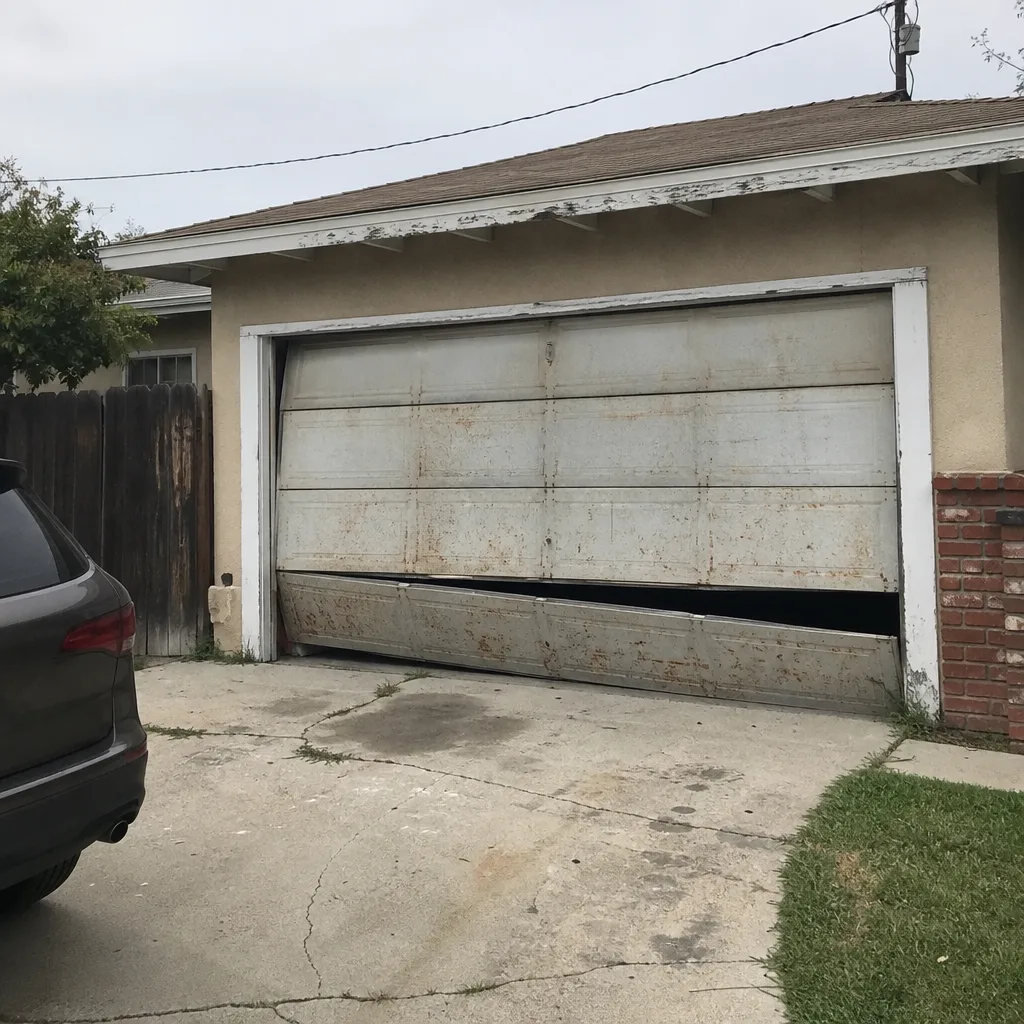 Before
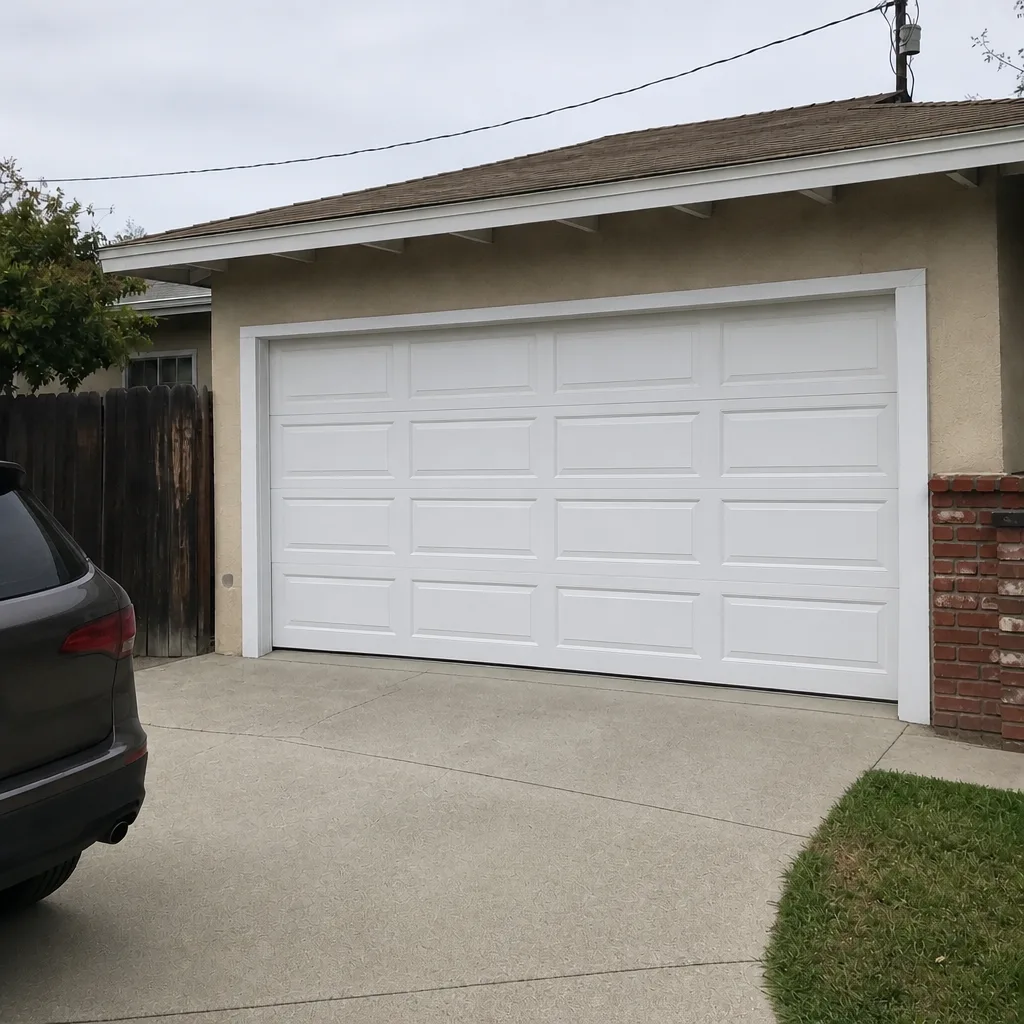 After
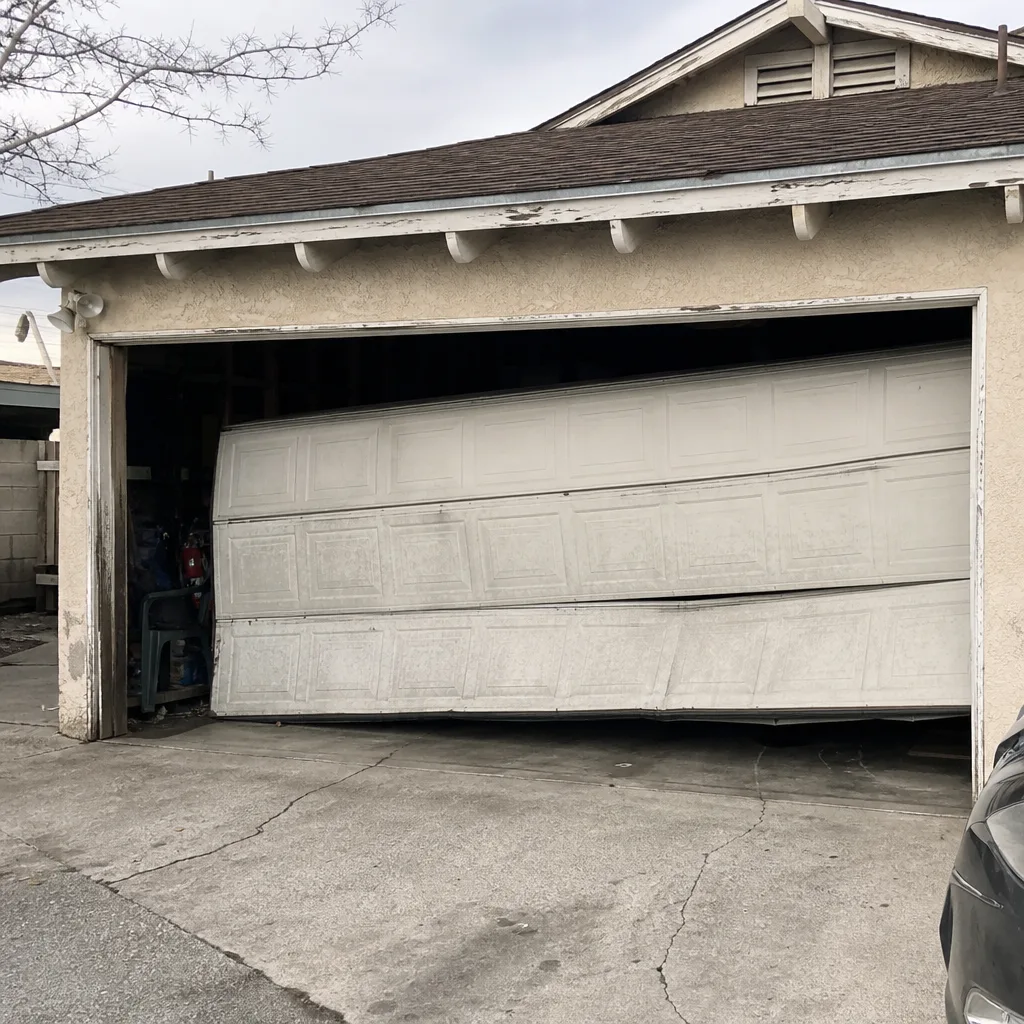 Before
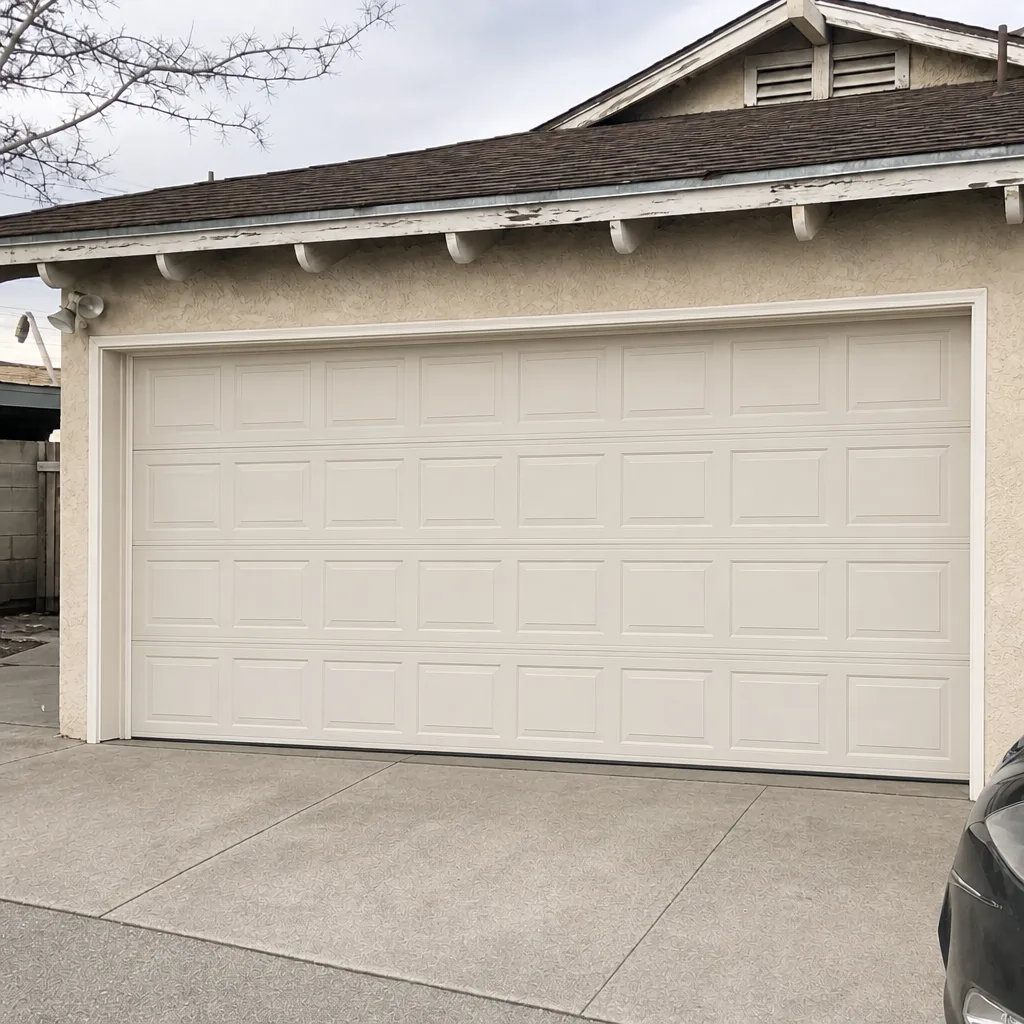 After
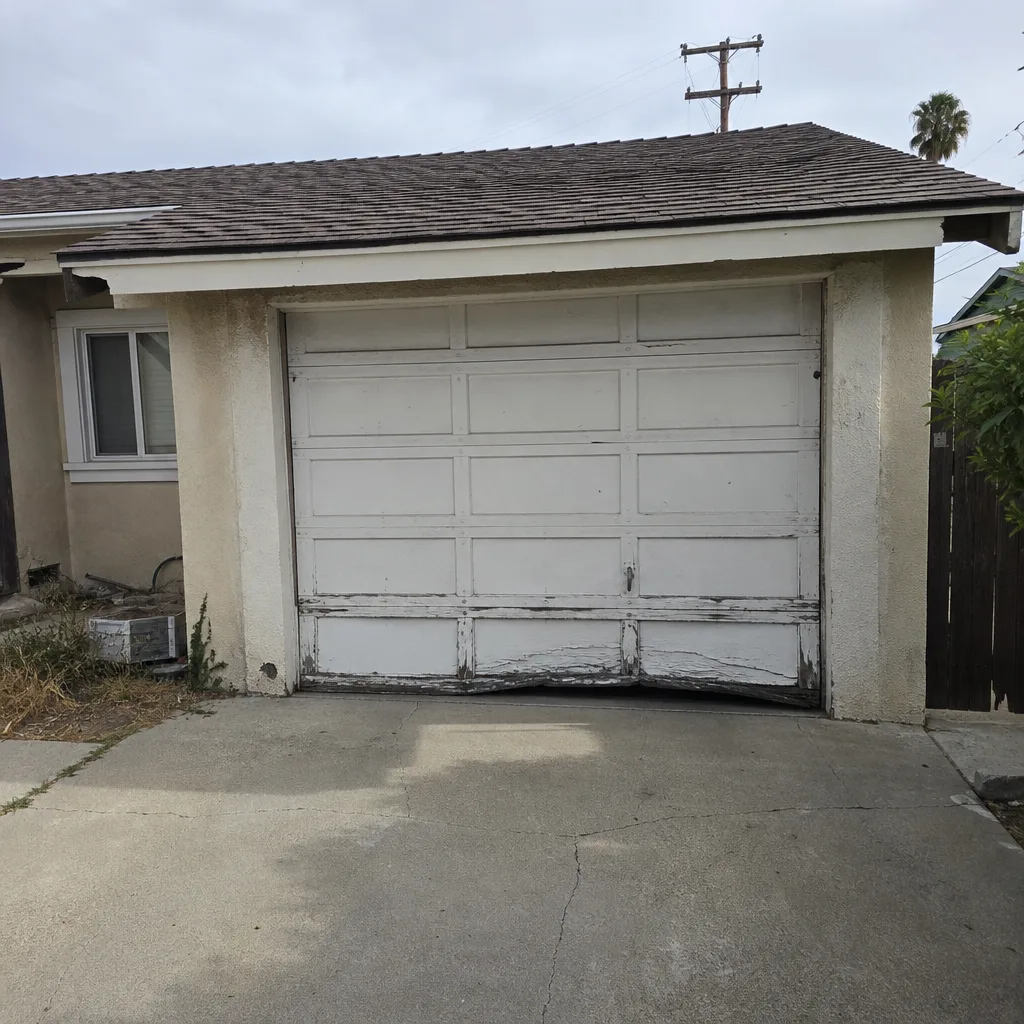 Before
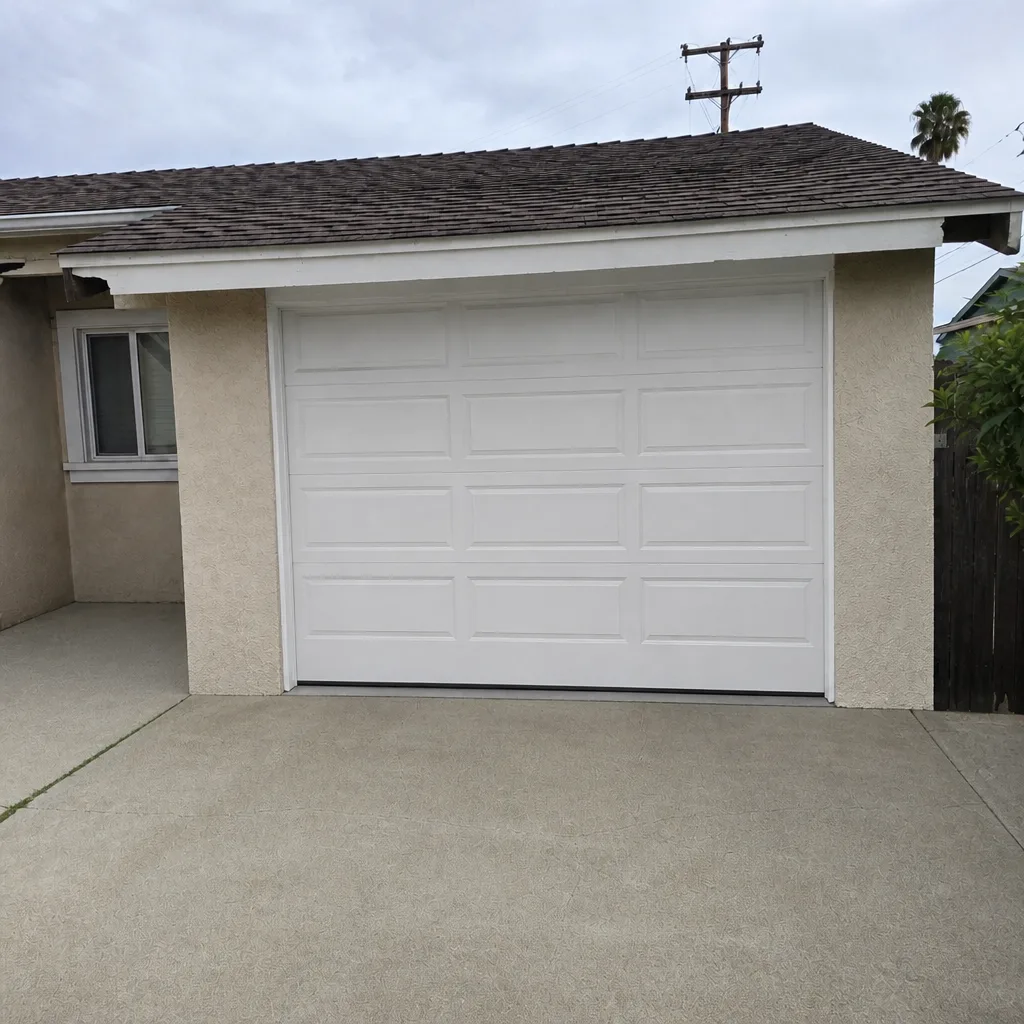 After