Last updated November 4, 2026
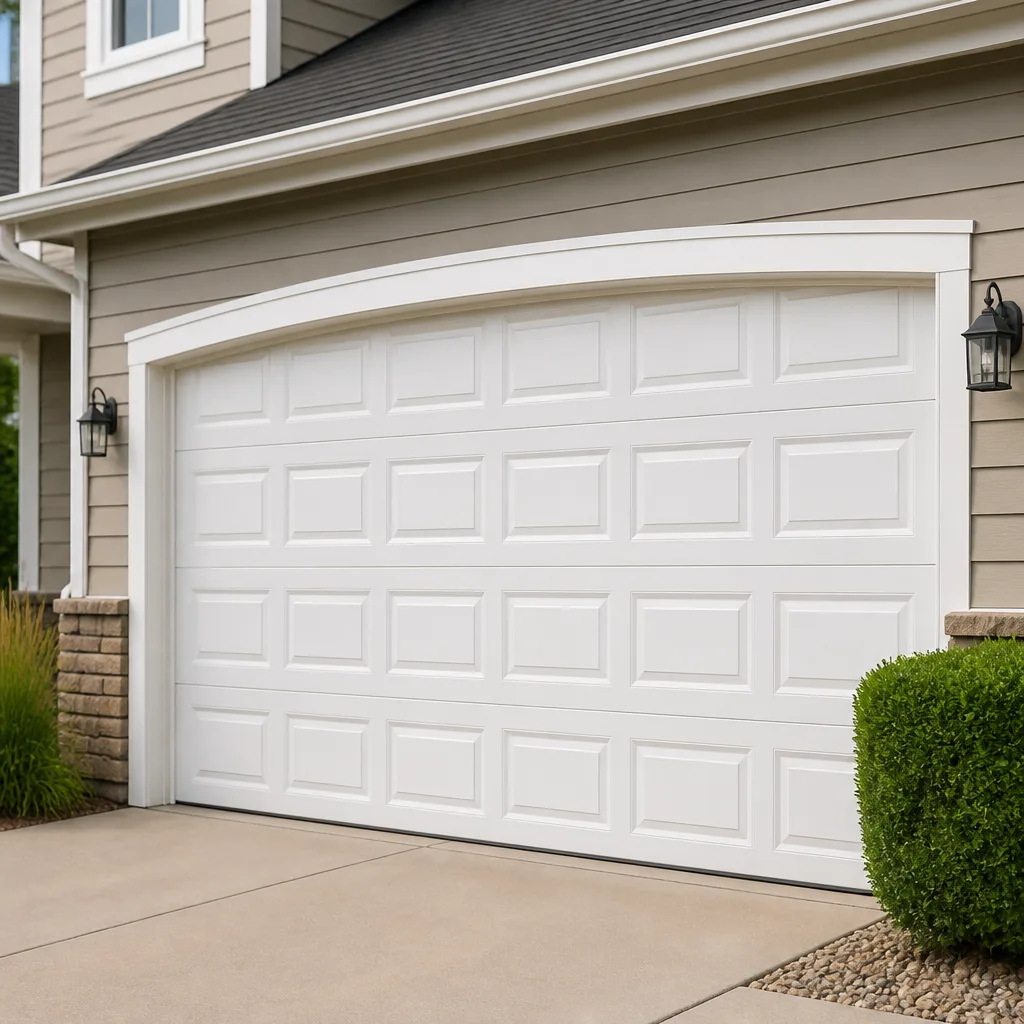 Raised-panel steel
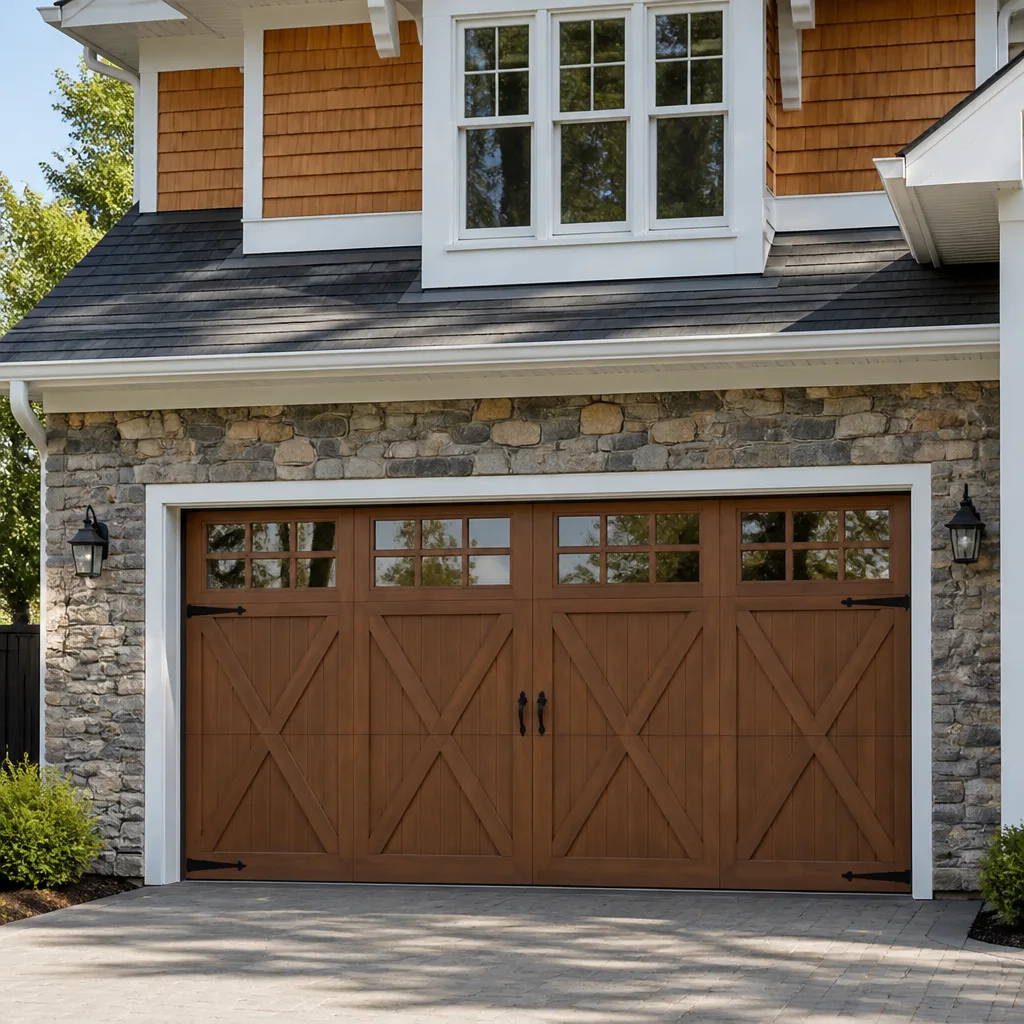 Carriage house
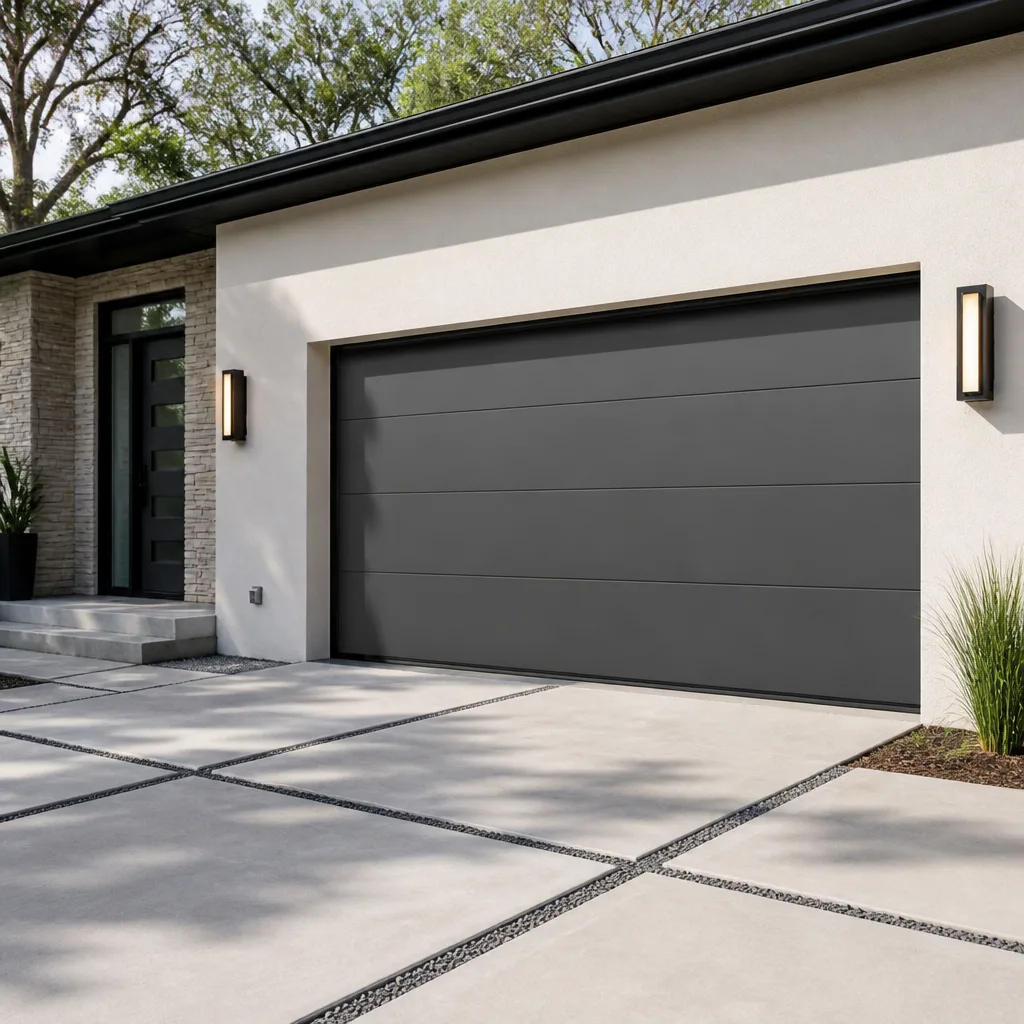 Modern flush
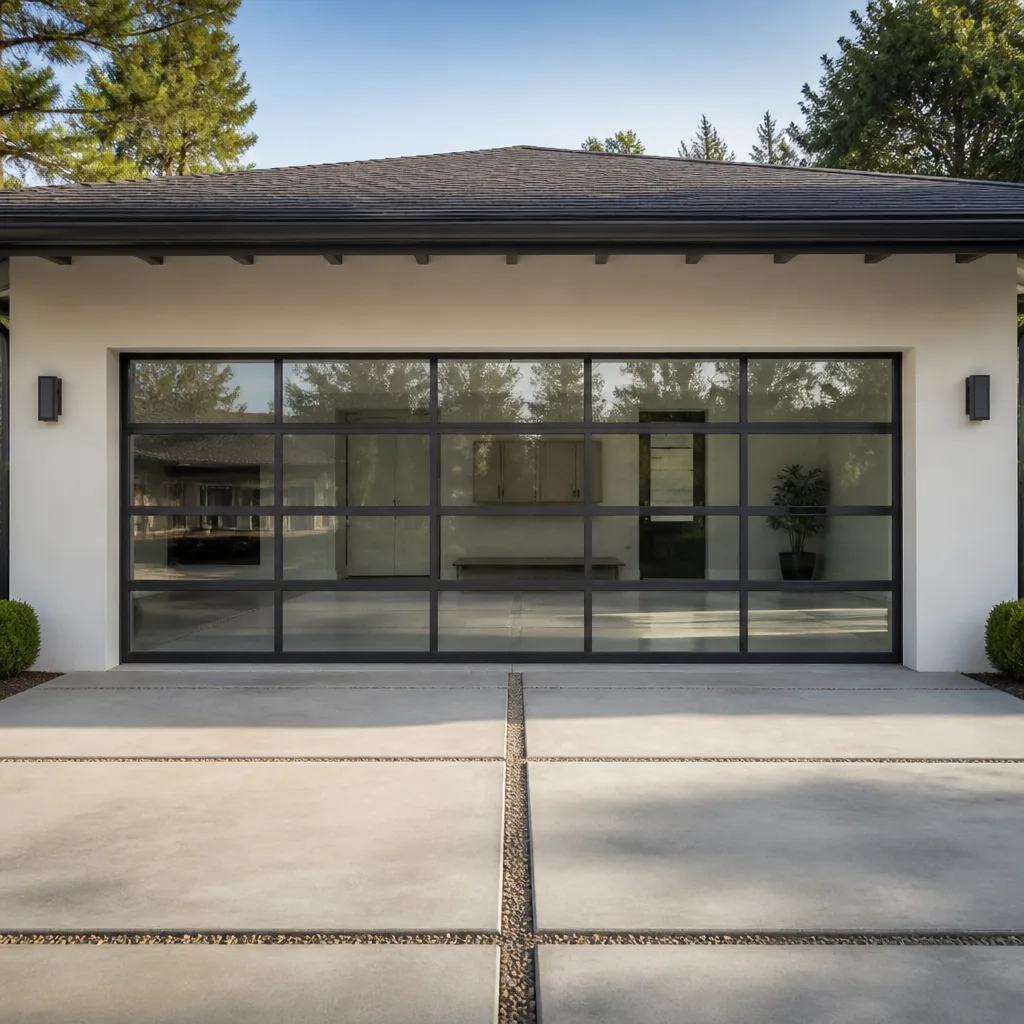 Full-view glass
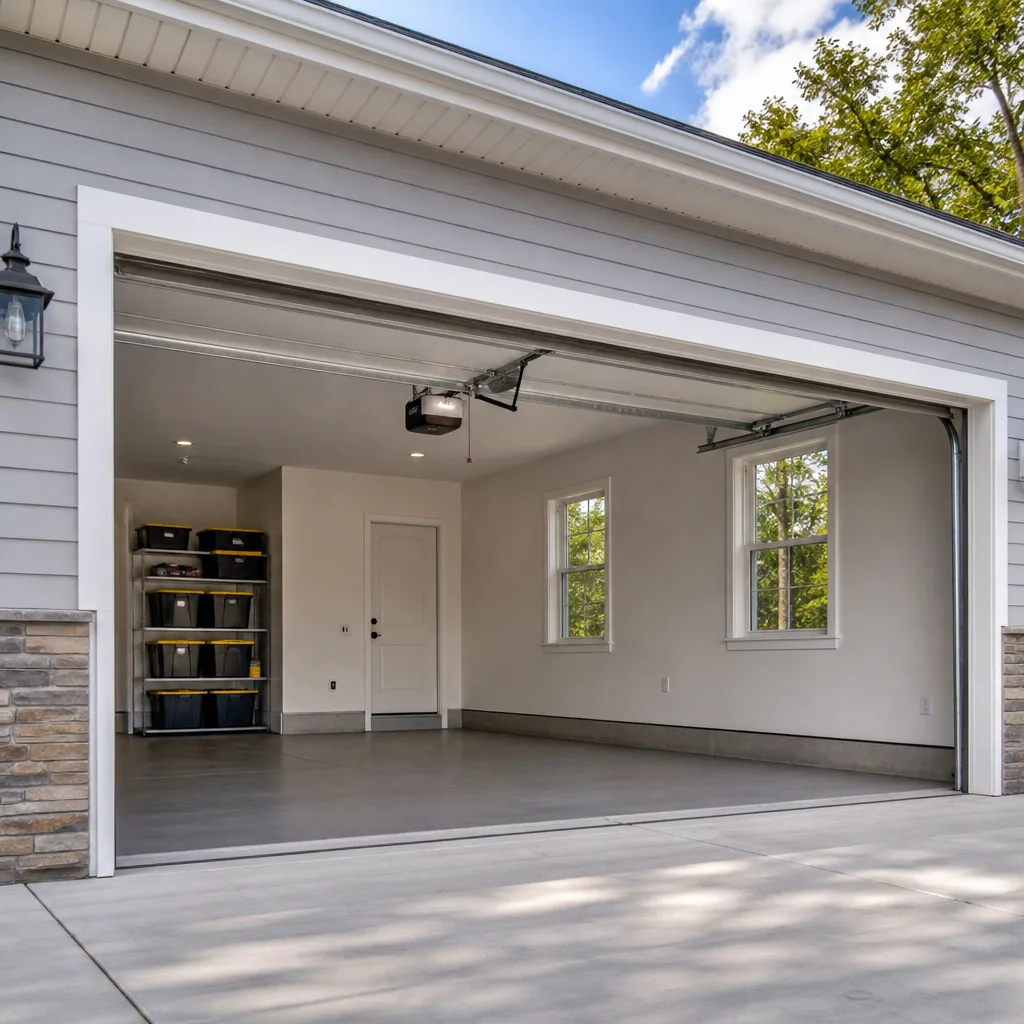 LiftMaster openers
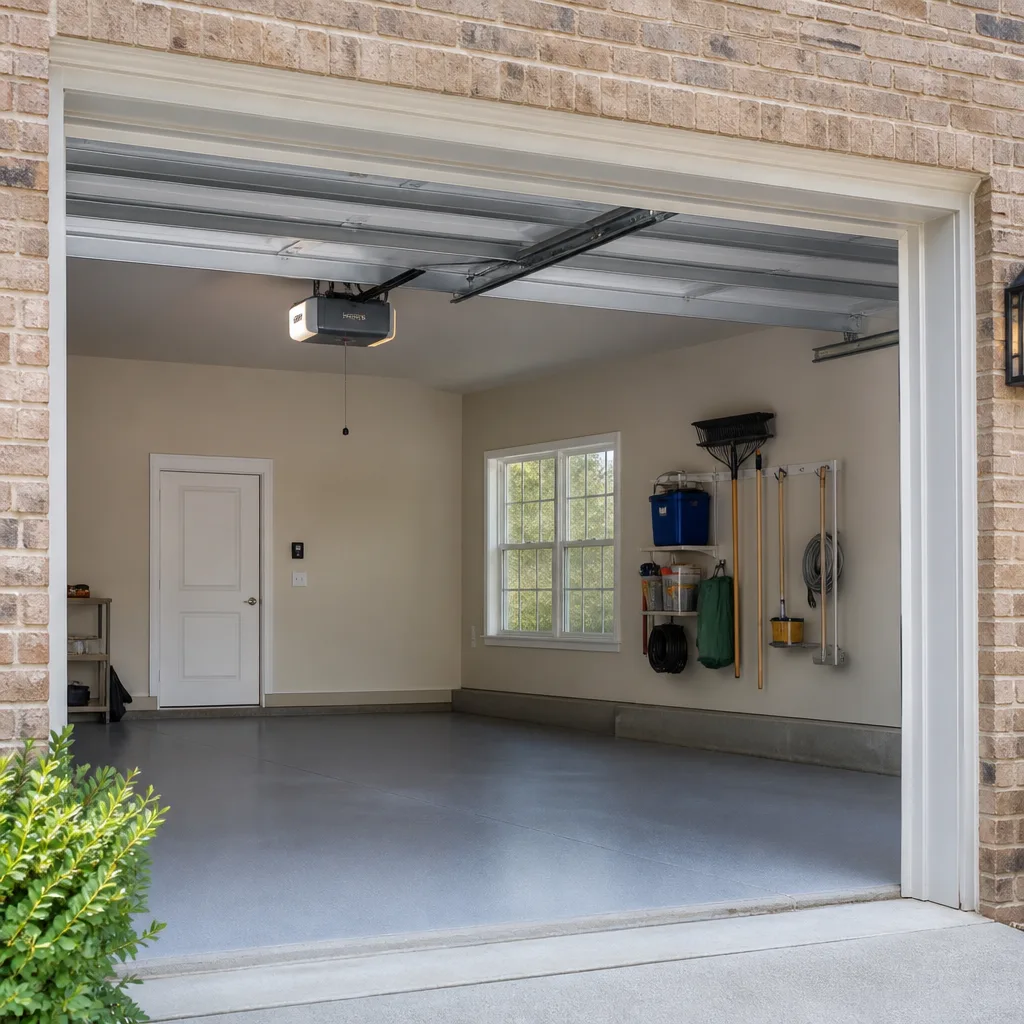 Chamberlain openers
Full 25-point door and opener safety check with every visit - springs, cables, rollers, tracks, and your LiftMaster or Chamberlain opener included
You get a price before we start. It does not change when the truck arrives.
Get your free estimateChoosing the Right Garage Door Brand: A Buyer’s Guide for Arleta
Most garage door brand guides read like recycled marketing brochures. They rank manufacturers by national reputation, hand you a list of names, and send you on your way. Here’s the problem: a garage door is a mechanical system bolted to your house, and in Arleta, it has to survive valley heat, dust, and a housing stock dominated by stucco ranches and Spanish-style homes. The brand that looks great in a Midwest showroom story can be a repair nightmare here if you can’t get a replacement panel or a matching section when a spring breaks or a storm throws debris at the door. This guide evaluates brands through the lens of what actually matters in the San Fernando Valley: local parts access, climate-driven performance, warranty terms that hold up in a hot, dusty environment, and whether the door style fits an Arleta house without wasting money on curb appeal that won’t return value.
Quick Answer
The best garage door brand in Arleta is the one you can get parts for this week, not the one with the biggest national advertising budget. For most Arleta homeowners, that means choosing from major manufacturers with strong San Fernando Valley distribution, specifically Amarr, Wayne Dalton, Raynor, and Craftsman among the brands we service, and pairing that door with an opener from LiftMaster or Chamberlain. A $2,500 door from a boutique brand becomes a $6,000 liability if a damaged panel takes six weeks to source because no local distributor stocks it.
Styles & brands we work with
- Raised-panel steel
- Carriage house
- Modern flush
- Full-view glass
- LiftMaster openers
- Chamberlain openers
Table of Contents
- The Parts Availability Test: Why It Outranks Everything Else in Arleta
- Steel Gauge and R-Value: What Actually Matters in Arleta’s Climate
- Warranty Terms Compared: What ‘Lifetime Limited’ Really Means Per Brand
- Panel Section Matching: The Hidden Liability in Color and Design Choices
- Matching Door Style to Arleta’s Architectural Types
- Brand Profiles: Amarr, Wayne Dalton, Raynor, and Craftsman
- Common Mistakes to Avoid
- When to Call a Professional
- Frequently Asked Questions
The Parts Availability Test: Why It Outranks Everything Else in Arleta
Here’s the counterintuitive truth about garage door brands: the best brand on paper is sometimes the worst brand in practice, depending on where you live. In Arleta, you’re inside the San Fernando Valley’s service network, which means major distributors for the big names run regular routes through this area. That matters because garage doors fail inconveniently. A torsion spring snaps on a Tuesday morning. A panel gets dented by a wind-thrown branch. When that happens, the question isn’t “which brand has the best engineering?” It’s “which brand can I get parts for before my garage sits open for a week?”
We work on doors from eight major manufacturers, and we’ve learned that local parts availability follows a predictable pattern. Brands with deep distribution networks in Southern California, like Clopay, Amarr, Wayne Dalton, and CHI, typically have replacement sections, springs, and hardware accessible through San Fernando Valley suppliers within days. Boutique or regional brands with thinner dealer networks can leave you waiting weeks for a proprietary panel or an uncommon hinge. A garage door that can’t be repaired quickly stops being an inconvenience and starts being a security problem, an access problem, and a daily frustration.
How to Check Parts Availability Before You Buy
- Ask the dealer where replacement sections ship from. A local stock answer is good. A “we can order it” answer without a timeline is a red flag.
- Ask whether the brand uses standard or proprietary hardware. Standard torsion springs, hinges, and rollers make future repairs faster and cheaper no matter which brand you pick.
- Ask how many standard panel colors the brand keeps in regional distribution. More colors is not automatically better unless those colors are actually stocked locally, not just listed in a catalog.
- Check whether the brand has multiple dealers in the San Fernando Valley. Single-dealer brands create a bottleneck. If that dealer closes or drops the line, parts sourcing gets harder.
For Arleta specifically, the practical sweet spot is a mainstream brand with broad distribution. That’s why we recommend focusing on Amarr, Wayne Dalton, Raynor, and Craftsman as door hardware options, with openers from LiftMaster and Chamberlain. These brands have enough market presence that replacement parts and matching sections are realistically obtainable through valley suppliers, not just through a headquarters order desk in another state.
If you’re replacing an existing door rather than buying new, we’d point you the same direction. Garage doors are all we do, which means we see how different brands age in the valley’s conditions and how hard they are to source parts for once they’ve been up for a decade. The brand already in your garage is the easiest starting point, because the mounting pattern, track system, and opener compatibility are already known. Our garage door repair work covers exactly this reality: matching existing hardware and components to what’s available locally, not what a catalog says should work.
Steel Gauge and R-Value: What Actually Matters in Arleta’s Climate
Garage door brands love to throw around two numbers: steel gauge and insulation R-value. Both get used as marketing levers to upsell homeowners into higher price tiers. Before you pay extra for either, you should know what these numbers actually do in a climate like Arleta’s, where the garage gets hot and dry rather than frozen and wet.
Steel gauge refers to the thickness of the door’s steel skin. Lower gauge numbers mean thicker steel. A 24-gauge steel door is the entry point for most residential doors. A 25-gauge or 26-gauge door is thinner and dents more easily. Most Arleta homes with attached garages face two realistic sources of panel damage: vehicle bumps from family cars and debris impacts during high-wind events. Thicker steel, in the 24-gauge range, holds up noticeably better to both. But beyond 24-gauge, the difference in real-world dent resistance shrinks fast. A 22-gauge door might survive a slightly harder hit, but it costs more and weighs more, which means more strain on springs and opener over time.
R-value measures insulation performance. Higher numbers mean better thermal resistance. In Arleta’s climate, insulation matters less for keeping a garage warm in winter and more for slowing heat transfer from a sun-baked door face into the garage space on a hot afternoon. An uninsulated single-layer steel door can turn a garage into an oven by late afternoon. A double-layer door with a basic polystyrene core, typically R-6 to R-9, makes a measurable difference in how the garage feels. A triple-layer door with polyurethane, running R-12 to R-16, makes a bigger difference still, but the practical benefit starts to plateau for most Southern California garages.
The honest assessment: for Arleta, a double-layer door with a polystyrene core is the sensible middle ground. It gives you measurable heat reduction without paying for insulation levels designed for northern winters. If your garage has living space above it or you use it as a workshop, stepping up to a polyurethane triple-layer door makes sense. If your garage is detached and unheated, an insulated door is mostly about panel rigidity and noise, not energy savings.
One more note on insulation claims: “insulated” is not a regulated term. A double-layer door with a thin foam sheet and a double-layer door with a thick polyurethane core both get called insulated in marketing copy. Ask for the actual R-value, not the word.
Warranty Terms Compared: What ‘Lifetime Limited’ Really Means Per Brand
Garage door warranties are a landscape of fine print. The phrase that catches most buyers is “lifetime limited,” which sounds generous and turns out to be narrower than expected when you read the terms. The most important distinction is this: “lifetime” applies to the door panel, and “limited” means the warranty pays for the section but not the labor to install it. A replacement panel under warranty still costs you several hundred dollars in labor unless the installer covers it separately, which most don’t.
Here’s what you need to know about the warranty structure across the major brands we service:
- Amarr offers a lifetime limited warranty on many steel door sections, with shorter coverage on hardware, springs, and finish. The finish warranty is tied to specific paint systems, and it expects the door to be maintained, which in Arleta’s dust means annual cleaning matters more than most homeowners realize.
- Wayne Dalton provides lifetime limited warranties on certain sections, with the same labor exclusion everyone else has. Their hardware and track coverage terms vary by line, so you need to ask which line you’re actually buying, not which brand.
- Raynor markets a strong warranty story, with lifetime limited section coverage on select lines and longer finish warranties than some competitors. The catch is that warranty claims run through Raynor’s dealer network, so your claim experience depends on dealer responsiveness, not just the terms printed in the brochure.
- Craftsman doors are sold through a retail distribution model, and warranty support follows that path. The terms are competitive, but the support experience can be slower than dedicated dealer brands because the warranty claim may route through a retail partner’s process rather than a garage door specialist.
The exclusions that matter in a hot, dusty climate are consistent across brands. Finish warranties typically exclude damage from abrasive cleaning, chemical exposure, and in some cases, excessive sun exposure. Arleta’s summer sun is hard on painted steel, especially on west-facing doors. A dark-colored door on a west-facing garage will fade and show sun damage faster than a light door on a shaded north-facing wall. That’s a climate fact worth building into your color choice, not just your warranty reading.
Read the warranty before you buy. Ask specifically: what does “lifetime” cover, what’s excluded, who handles the labor, and how does the claim process work from Arleta. The answers tell you more about real-world ownership than the marketing language on the product page.
Panel Section Matching: The Hidden Liability in Color and Design Choices
A garage door’s beauty is its uniformity. A door with four identical panels looks clean and intentional. A door with one mismatched panel looks like exactly what it is: a repair that couldn’t be done right. Panel section matching is the sleeper issue in garage door brand selection, and it’s one of the most common ways Arleta homeowners get trapped by their own purchase.
All garage doors use sectional panels stacked vertically. When one panel gets damaged, the normal fix is to replace that single section, not the whole door. That only works if the replacement section matches. Steel doors in standard white or almond from major brands match well, because those colors stay in production for decades. The trouble starts with designer colors, faux wood finishes, and limited-run paint codes.
Here’s the risk: every brand offers a range of colors and finishes, and most of them rotate those offerings over time. A door in “Desert Sand” from one brand might be discontinued three years later. When a panel gets damaged after that, the replacement section won’t match. Your choices become repainting the entire door, which costs money and looks inconsistent after a few years, or replacing the whole door for one bent section. That’s a brutal bill for a dent.
The brands that avoid this trap are the ones with stable, high-volume color lines. White, almond, and sandstone are the safe bets across Amarr, Wayne Dalton, and Raynor, because those colors move in volume and stay in production. Faux wood finishes are riskier. They look great on Spanish revival homes, but the finish is proprietary, it fades differently batch to batch, and it’s often tied to specific lines that get refreshed periodically by the manufacturer.
If you’re buying a door in Arleta and you care about long-term repairability, pick a mainstream color that’s been in the brand’s lineup for years and ask whether the model is current production or closeout stock. Buying a closeout door to save a few hundred dollars is a gamble: the savings disappear the first time you need a section and find out the line is discontinued.
The same logic applies to the opener side of the system. Opener brands like LiftMaster, Chamberlain, Genie, and Craftsman have long production runs, and their replacement parts, remotes, and logic boards stay available for years. Our garage door opener repair work depends on that parts availability. When an opener fails in Arleta, the fix usually involves replacing a logic board, a gear, or a capacitor. Those components are easy to source for the mainstream brands because the installed base is huge and the manufacturers keep supporting older models.
Matching Door Style to Arleta’s Architectural Types
Arleta’s housing stock is dominated by two architectural eras: the mid-century stucco ranches built during the post-war valley expansion and the Spanish revival and mission-style homes that echo Southern California’s early 20th-century building tradition. The right garage door for one of these houses isn’t the same as the right door for the other, and spending money on the wrong style is a common mistake.
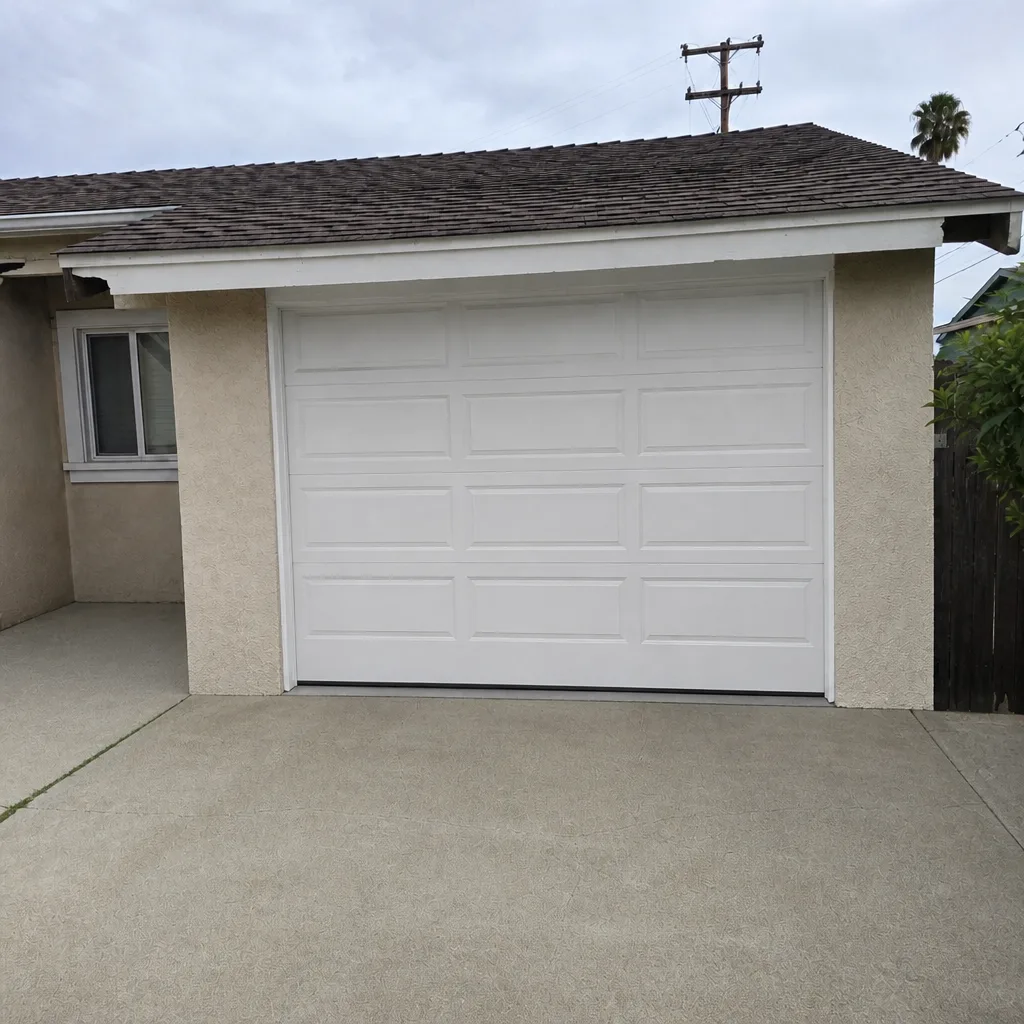
Mid-century stucco ranch homes look best with flat-panel or short-raised-panel doors in solid, light colors. The aesthetic is horizontal, clean, and unornamented. A door with heavy carriage-house hardware and faux strap hinges fights the architecture. A simple white or almond steel door with clean lines complements it. If you want visual interest, a long-panel design with subtle horizontal lines works better than ornate raised panels or window inserts.
Spanish revival homes can carry more visual weight. These homes often have arched openings, clay tile roofs, and textured stucco. A garage door in a warm terracotta, deep brown, or faux wood finish fits better here. Window inserts with a grille pattern can also work, echoing the ironwork details common on Spanish-style doors. But restraint matters: a heavily textured wood-grain door on a small Spanish bungalow can overwhelm the facade.
The budget reality is that garage doors return only part of their cost in resale value. A $4,000 designer door on a $600,000 Arleta home won’t add $4,000 to the sale price. It might make the house sell faster, which counts for something. But the return on investment is highest for a door that looks appropriate for the architecture and is in good working order, not for the most expensive design in the catalog.
When you’re choosing a style, think about how the door will look in ten years. Trends in garage door design move slowly, and most Arleta homes will be served best by a door that blends with the neighborhood rather than one that announces itself. The Arleta market rewards homes that look maintained and cohesive. A garage door that matches the house’s architectural language does that work quietly.
Brand Profiles: Amarr, Wayne Dalton, Raynor, and Craftsman
Here’s a practical look at how four major door brands we service perform for Arleta homeowners. These aren’t rankings. They’re assessments based on what we see in the field: how the doors hold up in valley conditions, how easy they are to repair when something fails, and where the manufacturer’s strengths actually matter.
Amarr
Amarr has positioned itself as the premium mainstream brand, and the engineering generally supports that. Their door sections fit tightly, the hardware is overbuilt relative to entry-level competitors, and the finish quality on the higher lines holds up well to sun exposure. The trade-off is cost. Amarr doors tend to run at the upper end of their class, and their higher-end lines with custom colors and glass inserts push into territory where the value equation gets murkier. For a standard, well-built steel door that will last in Arleta’s climate, Amarr is a solid choice. For a budget-conscious replacement, the premium carries a real price.
Wayne Dalton
Wayne Dalton built its reputation on the ThermoMark line and similar foam-core doors that offer good insulation at competitive price points. They’re a strong value choice for Arleta homeowners who want an insulated door without paying polyurethane prices. The concern with Wayne Dalton is consistency across their product range. Their entry-level lines are built to a price point, and they show it in thinner hardware and simpler track systems. Their mid-range and upper lines are much better. If you’re buying Wayne Dalton, buy the middle of the range, not the bottom.
Raynor
Raynor flies under the radar compared to the bigger names, but their doors are well-built and their warranty story is genuinely competitive. They focus on contractor distribution rather than retail, which means you buy through a dealer who’s more likely to understand installation details than a big-box sales associate. The downside for Raynor in Arleta is narrower distribution. Parts are obtainable, but the dealer network is thinner than Amarr or Wayne Dalton, which can add a day or two to certain repair timelines. If you have a Raynor door and it’s working, keep it. If you’re choosing new, Raynor is worth considering if you’re working with a dealer who stocks their parts.
Craftsman
Craftsman’s garage door line has gone through ownership changes and distribution model shifts over the past decade, which shows in the field. Their openers, particularly the chain-drive models, are installed in huge numbers across Arleta and remain repairable at reasonable cost. Their door line is more mixed. Quality depends heavily on which manufacturing partner produced the specific model, and replacement panel availability for older Craftsman doors can be spotty. The place Craftsman shines is opener value: a Craftsman opener is a straightforward, repairable unit with parts available through multiple retailers. The door side of the brand is where you need to be more careful about what you’re actually buying.
The honest summary: for most Arleta homes, Amarr and Wayne Dalton offer the best combination of build quality, parts availability, and realistic pricing. Raynor is a strong option through the right dealer. Craftsman remains a sensible opener choice, with door selection depending on the specific model. And on the opener side, LiftMaster and Chamberlain share parentage and parts ecosystems, which makes both easy to support in the valley.
Common Mistakes to Avoid
- Choosing a brand for its national reputation while ignoring local parts availability. The best-built door is a liability if you can’t get a replacement section in Arleta when one panel gets damaged. Check local distribution before you commit.
- Assuming “lifetime warranty” means the whole door is covered forever. Lifetime limited warranties cover sections, not labor, and finish coverage has exclusions that matter in a hot, sunny climate. Read the actual terms.
- Paying for a high R-value door to save energy in a garage you don’t heat or cool. Insulation in Arleta is about afternoon heat management and panel rigidity, not utility savings. A double-layer door with an R-6 to R-9 core is the sensible target for most homes.
- Buying a discontinued or closeout color because it’s on sale. The savings disappear the first time you need a matching section and find out the line shut down. Choose current-production colors in stable, high-volume shades.
- Over-investing in curb appeal for a home where it won’t return value. A garage door should match the architecture, not outspend it. A $4,000 designer door on a mid-century ranch looks out of place, not premium.
- Picking a door brand and an opener brand without thinking about how they work together. The opener and the door are two sides of one system. Pairing a heavy wood-look door with an undersized opener leads to early motor failure. Match the opener’s horsepower to the door’s weight.
- Skipping professional installation on a door with torsion springs. Torsion springs are under high tension and can cause serious injury if mishandled. This is a job for a trained professional, not a weekend DIY project.
When to Call a Professional
Some garage door decisions you can make on your own. Choosing a color and style, comparing warranty terms, and reading reviews are all doable from the couch. But there are points where professional input saves real money and real frustration. If you’re comparing replacement sections and can’t tell whether a panel matches your existing door, call a specialist before you order. If your door makes a grinding noise when opening, has a panel that’s visibly out of alignment, or the opener struggles to lift the weight, those are mechanical issues that get worse, not better, with time. If you’re replacing a door on a home with custom architecture or a non-standard opening size, a mistake in measuring means a door that doesn’t fit and a reorder that takes weeks. Garage Door Repair Arleta offers free estimates in Arleta. Call (877) 573-0278 before you commit to a major purchase, especially if you’re unsure whether a repair or a replacement is the right path.
Frequently Asked Questions
The best garage door brand in Arleta is one with strong San Fernando Valley parts distribution and a build quality appropriate for the climate, which in practice means Amarr, Wayne Dalton, and Raynor for door hardware, with LiftMaster or Chamberlain for openers. A premium brand with thin local dealer support creates longer repair timelines, so parts availability should outweigh national reputation when you choose.
Steel doors from Amarr and Wayne Dalton hold up well in Arleta’s heat and dust when maintained with regular cleaning and when lighter colors are chosen for west-facing doors. Finishes on dark-colored doors fade faster under valley sun, which matters more for long-term appearance than the brand printed on the panel.
A new garage door in Arleta typically runs somewhere in the low-to-mid four figures depending on size, material, insulation level, and installation complexity, but every job is priced by written estimate after we measure the opening and discuss options. Call (877) 573-0278 for a free estimate, and we’ll give you a firm number before any work starts.
You can replace a single damaged panel if the door is a current-production model in a stable color, and that replacement combined with new springs and hardware usually runs in the hundreds of dollars, not thousands. If the model is discontinued or the finish won’t match, you’re often looking at repainting the whole door or replacing it entirely, which is why panel availability should shape your original purchase.
A high R-value polyurethane door makes sense in Arleta if your garage is attached to living space or used as a workshop, because it meaningfully cuts afternoon heat transfer into the space; for a detached, uninsulated garage, an R-6 to R-9 polystyrene core gets you most of the practical benefit at a lower price. The marketing numbers go much higher, but the real-world difference in this climate plateaus quickly.
Garage door installation involves torsion springs under high tension, and an incorrect installation can cause serious injury or a door that fails catastrophically, so we recommend professional installation for any door with torsion springs rather than DIY. A trained technician also confirms that the opener’s horsepower matches the door’s weight and that the track alignment is correct, which prevents early component wear.
The Bottom Line
The garage door brand decision in Arleta comes down to a few clear principles: prioritize local parts availability over national marketing, choose a steel gauge and insulation level that fits the valley climate instead of a northern winter, read the warranty terms carefully enough to know what “lifetime limited” actually covers, pick colors that stay in production so future panel replacements match, and match the door style to your home’s architecture without overspending on curb appeal. If you’re weighing a repair against a replacement, or you want a second opinion on a quote you’ve received, call (877) 573-0278. We answer 24/7. Fast dispatch from 7am to 7pm, Sunday through Friday. The estimate is free, and the price is agreed before any work starts.
Written by the team at Garage Door Repair Arleta, serving Arleta since 2018.
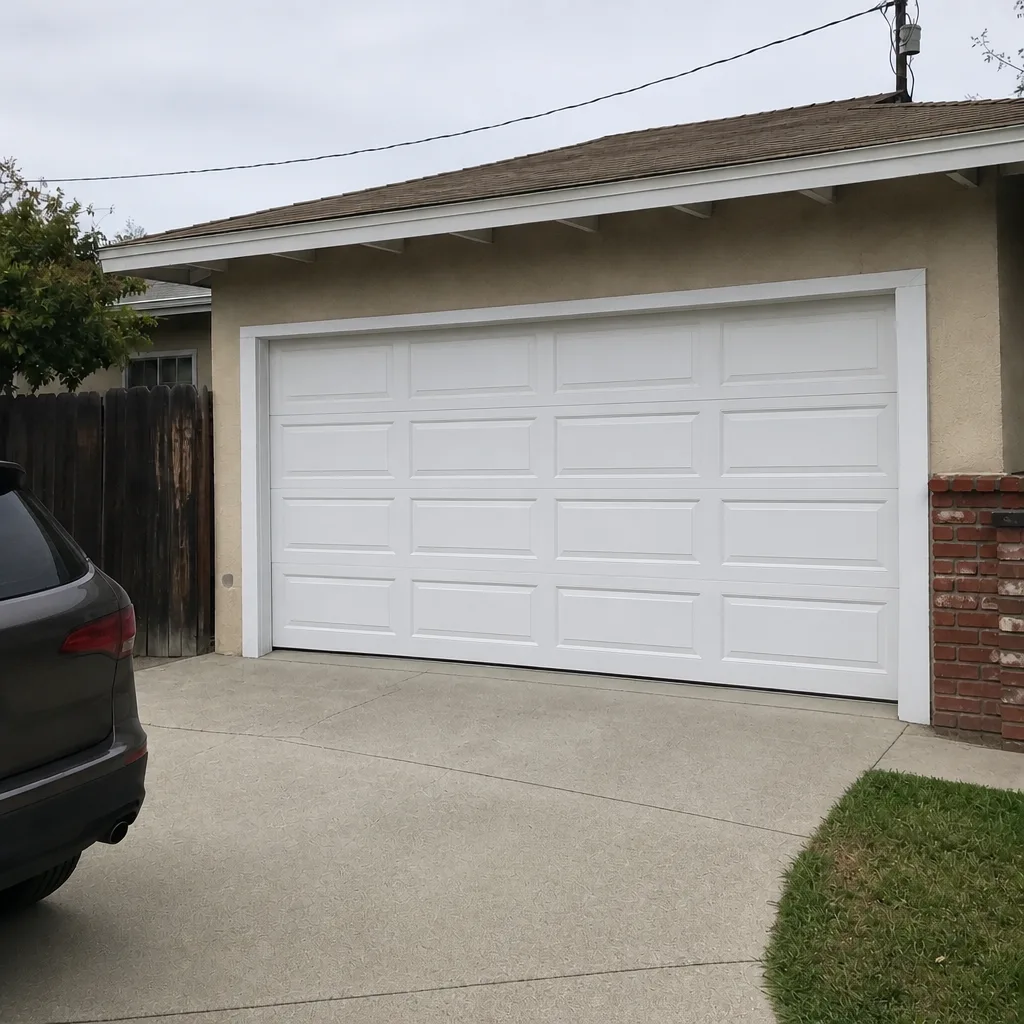
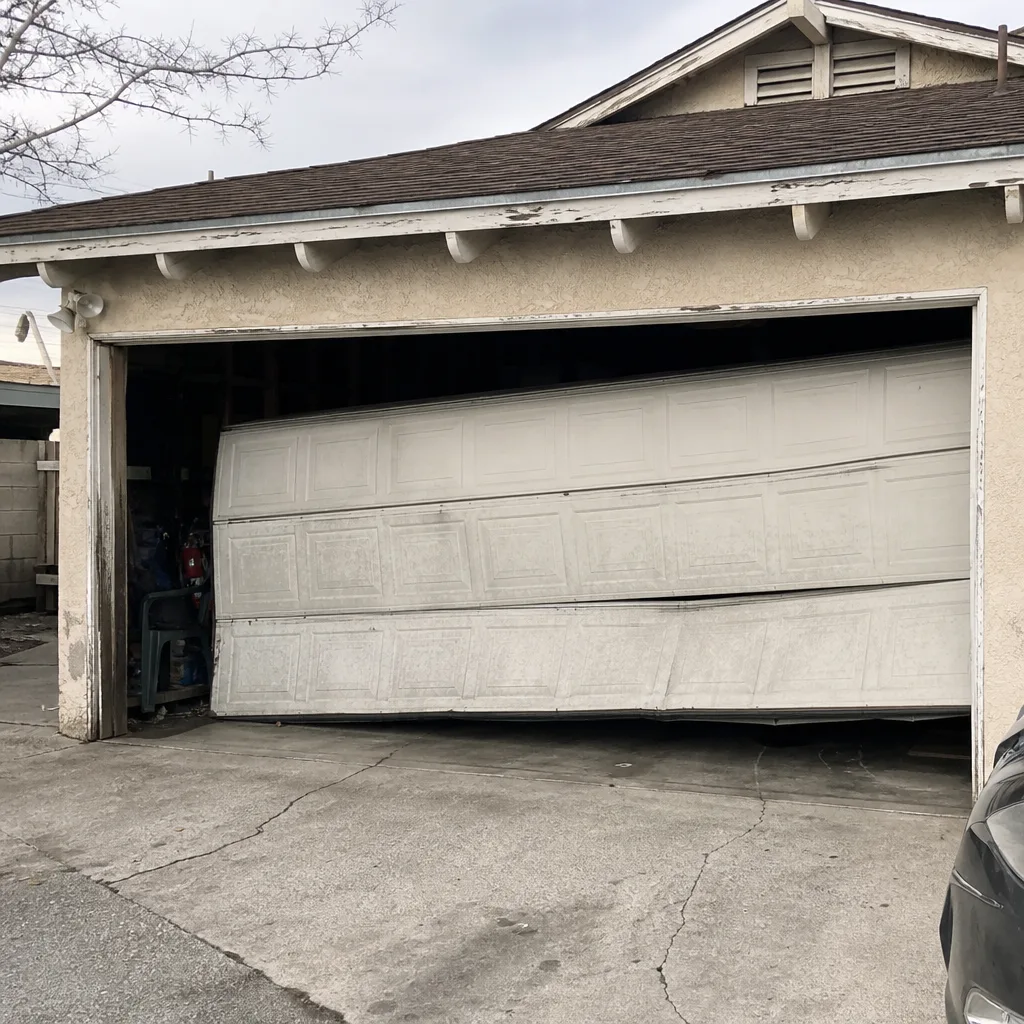
See the difference
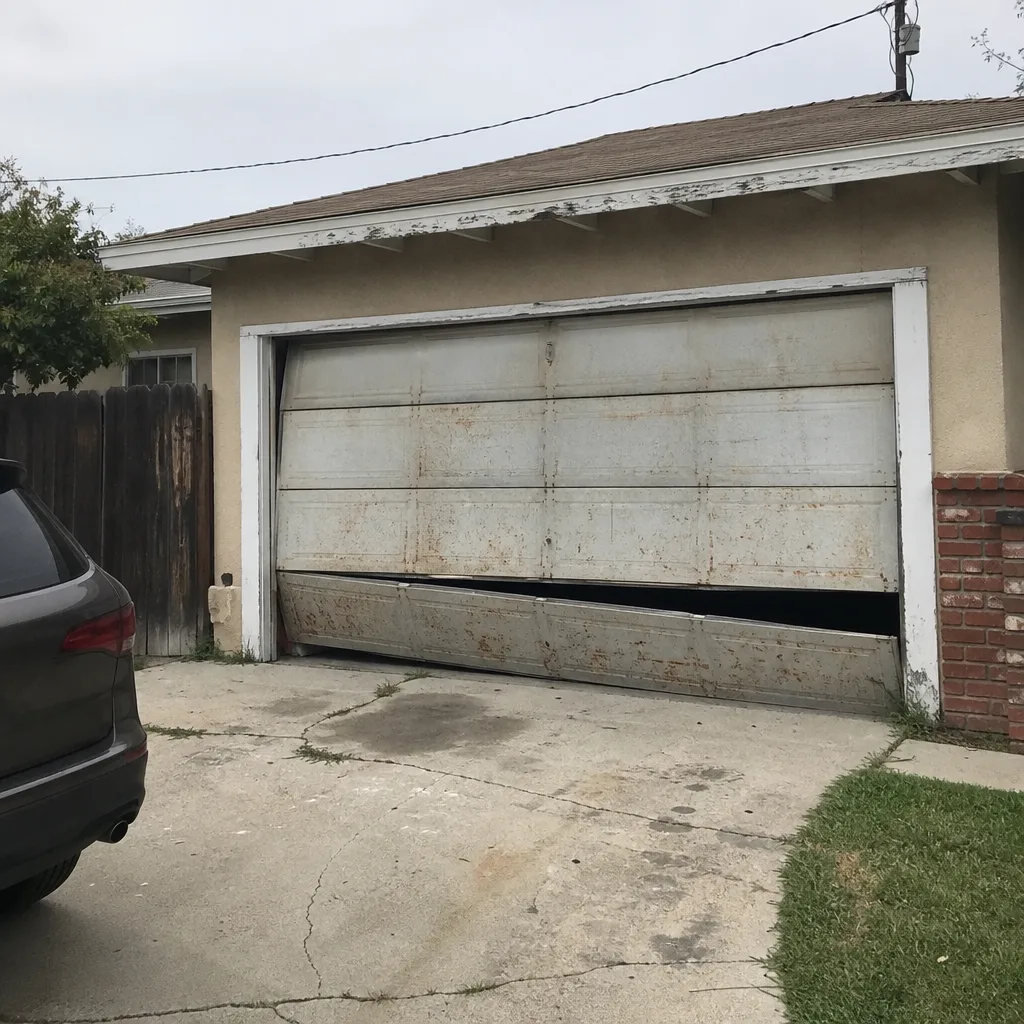 Before
 After
 Before
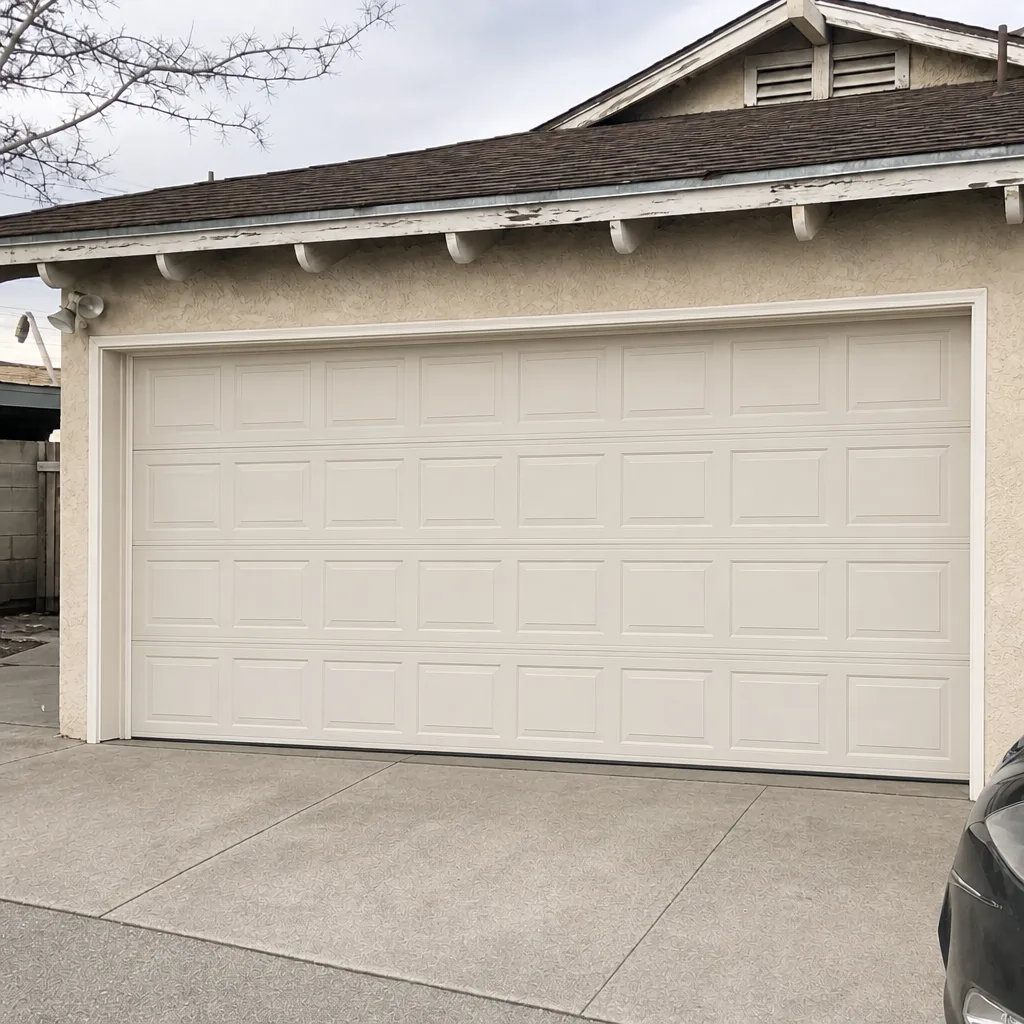 After
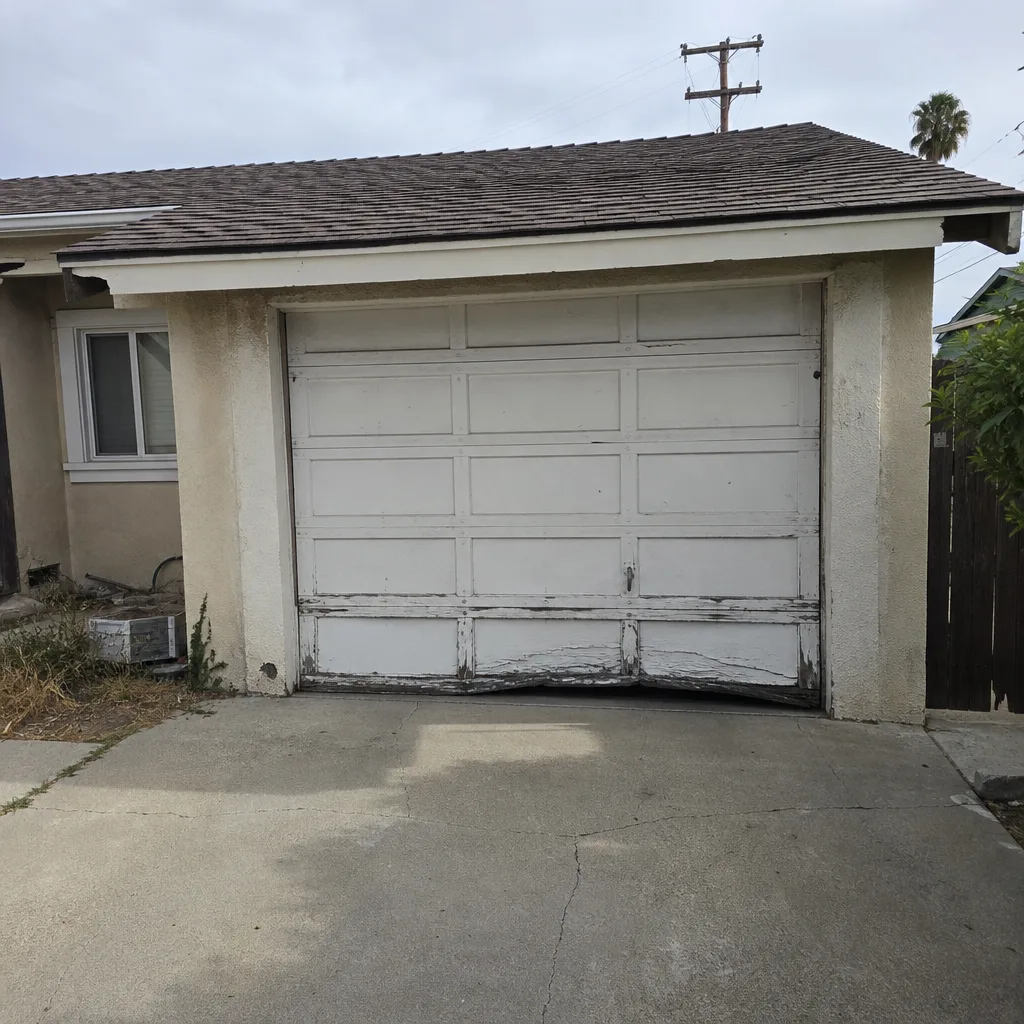 Before
 After